

Featured image for do air purifier ionizer have any negative side effects
Air purifier ionizers can effectively remove airborne pollutants, but they may produce trace amounts of ozone, a potential lung irritant, raising health concerns for sensitive individuals. While many modern models meet safety standards and minimize ozone output, prolonged exposure in poorly ventilated spaces could lead to respiratory discomfort or worsen asthma symptoms. Choosing a certified, low-ozone ionizer and ensuring proper room ventilation can help reduce any negative side effects while maintaining air-cleaning benefits.
Key Takeaways
- Ionizers emit ozone: Can irritate lungs; avoid in poorly ventilated spaces.
- Check certifications: Choose CARB-compliant models to limit ozone exposure.
- Allergens may linger: Ionizers don’t remove particles; pair with HEPA filters.
- Maintenance matters: Clean plates regularly to prevent dust redistribution.
- Not for asthma: Ozone worsens symptoms; consult a doctor before use.
- Noise levels vary: Test settings to balance air quality and quiet operation.
📑 Table of Contents
- Do Air Purifier Ionizer Have Any Negative Side Effects? Find Out Now
- How Do Air Purifier Ionizers Work?
- Potential Negative Side Effects of Air Purifier Ionizers
- Who Should Be Cautious When Using Ionizers?
- How to Minimize Risks and Use Ionizers Safely
- Comparing Ionizers to Other Air Purification Technologies
- Data Table: Air Purifier Technologies Compared
- Final Thoughts: Are Air Purifier Ionizers Worth It?
Do Air Purifier Ionizer Have Any Negative Side Effects? Find Out Now
Let’s be honest—most of us want cleaner air in our homes. Whether it’s pet dander, pollen, smoke, or that mysterious musty smell that shows up after a rainy day, we’re constantly looking for ways to breathe easier. Enter the air purifier ionizer: a sleek, modern device that promises to zap airborne pollutants and leave your space feeling fresher. I remember the first time I bought one. I was dealing with seasonal allergies and thought, “This will solve everything!” And in many ways, it did. But over time, I started noticing something odd—my throat felt a little scratchy, and I’d wake up with a slight headache. At first, I blamed stress or lack of sleep. But then I started digging deeper.
That’s when I learned that while air purifier ionizers can be incredibly effective at removing particles from the air, they’re not without their downsides. Like any technology, they come with trade-offs. Some people swear by them, while others report discomfort or even health concerns. So, the big question remains: Do air purifier ionizer have any negative side effects? The short answer is yes—but it depends on the type of ionizer, how it’s used, and your personal health. In this post, we’ll break down everything you need to know, from how ionizers work to the potential risks, so you can make an informed decision for your home and family.
How Do Air Purifier Ionizers Work?
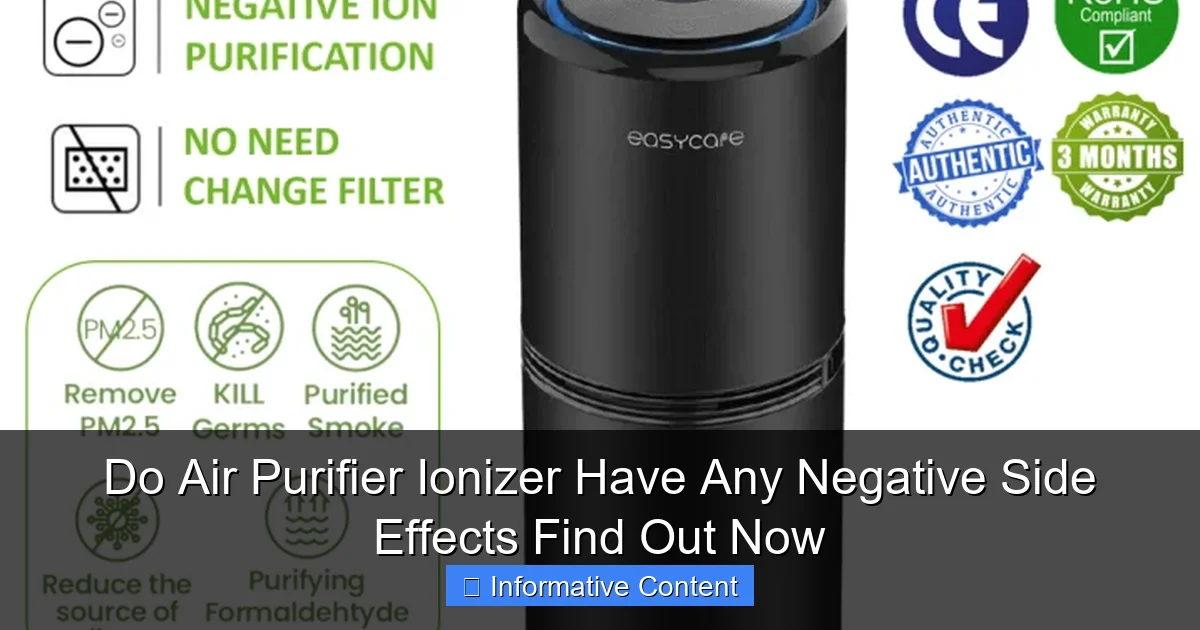
Before we dive into the potential side effects, it helps to understand how air purifier ionizers actually function. Unlike traditional HEPA filters that trap particles as air passes through, ionizers use electricity to charge airborne particles. This process is called ionization. The device releases negatively charged ions into the air, which attach to positively charged pollutants like dust, mold spores, bacteria, and allergens. Once these particles become charged, they either stick to nearby surfaces (like walls or furniture) or clump together and fall out of the air, making them easier to vacuum or wipe away.
Visual guide about do air purifier ionizer have any negative side effects
Image source: smartairfilters.com
The Science Behind Ionization
Ionizers work by generating ions—tiny charged particles—through a process called corona discharge. This involves applying a high voltage to a metal needle or electrode, which strips electrons from air molecules, creating negative ions. These ions then seek out oppositely charged particles in the air. For example, a negatively charged ion might latch onto a positively charged dust particle. Once bonded, the combined particle becomes heavier and either settles on the floor or sticks to a surface.
This method can be highly effective at removing ultrafine particles that even HEPA filters might miss. In fact, some studies have shown that ionizers can reduce airborne contaminants by up to 90% in controlled environments. But here’s the catch: while they remove particles from the air, they don’t eliminate them from your home. They just relocate them. That means you’ll need to clean more frequently to avoid re-circulating the settled pollutants.
Types of Ionizers
Not all ionizers are created equal. There are two main types: passive ionizers and active ionizers.
- Passive ionizers (also known as electrostatic precipitators) draw air through the unit, charge the particles, and then trap them on oppositely charged plates inside the device. These require regular cleaning but don’t release ions into the room.
- Active ionizers (or bipolar ionization units) release ions directly into the air. These are the ones most commonly associated with potential side effects, as they can produce byproducts like ozone.
Some modern air purifiers combine ionization with other technologies, such as HEPA filters or activated carbon, to improve overall performance. These hybrid models can offer the best of both worlds—efficient particle removal with fewer risks.
Potential Negative Side Effects of Air Purifier Ionizers
Now, let’s get to the heart of the matter: Do air purifier ionizer have any negative side effects? The answer isn’t a simple yes or no. While many users experience cleaner air and fewer allergy symptoms, others report discomfort or health issues. The risks largely depend on the type of ionizer, the environment it’s used in, and individual sensitivity.
Ozone Production: The Biggest Concern
The most well-documented side effect of certain ionizers is the production of ozone, a reactive gas that can irritate the lungs. Ozone is formed when electrical discharges (like those used in corona discharge ionizers) break apart oxygen molecules (O₂), which then recombine into ozone (O₃). While small amounts of ozone occur naturally in the atmosphere, elevated indoor levels can be harmful.
The Environmental Protection Agency (EPA) warns that ozone can cause respiratory issues, especially in people with asthma, COPD, or other lung conditions. Symptoms may include coughing, throat irritation, shortness of breath, and chest pain. Long-term exposure has even been linked to reduced lung function and increased risk of respiratory infections.
For example, I once used a budget ionizer in my bedroom overnight. By morning, I woke up with a dry cough and a tight feeling in my chest. After researching, I discovered the device was emitting low levels of ozone—enough to cause irritation but not enough to trigger a detector. I switched to a HEPA-based purifier, and the symptoms disappeared within a day.
Increased Surface Dust and Cleaning Needs
Another common side effect is the buildup of charged particles on surfaces. Because ionizers cause particles to stick to walls, furniture, and floors, you may notice more dust accumulation—especially around the purifier. This isn’t just a cosmetic issue. If you don’t clean regularly, these settled particles can be stirred up again when you walk or vacuum, re-entering the air and potentially triggering allergies or asthma.
I learned this the hard way when I noticed dark streaks forming on my white walls near the ionizer. At first, I thought it was mold, but it turned out to be charged soot and dust particles clinging to the surface. It took hours of scrubbing to remove them. Now, I make it a point to wipe down walls and clean the area around my purifier weekly.
Potential for Aggravating Respiratory Conditions
While ionizers can reduce airborne allergens, they may not be the best choice for people with sensitive respiratory systems. The charged particles they produce can sometimes act as irritants, especially in poorly ventilated rooms. Some users report increased coughing, sneezing, or nasal congestion after using an ionizer—even if their allergies were previously under control.
Additionally, the electrostatic charge can cause particles to adhere to the lining of the respiratory tract, potentially worsening symptoms in individuals with asthma or bronchitis. If you or a family member has a chronic respiratory condition, it’s worth consulting a healthcare provider before using an ionizer.
Who Should Be Cautious When Using Ionizers?
Not everyone will experience negative effects from air purifier ionizers, but certain groups should exercise extra caution. Understanding your personal risk factors can help you decide whether an ionizer is right for you.
People with Asthma or COPD
If you have asthma or chronic obstructive pulmonary disease (COPD), you may be more vulnerable to the respiratory effects of ozone and charged particles. Even low levels of ozone can trigger asthma attacks or worsen breathing difficulties. The American Lung Association recommends avoiding air purifiers that emit ozone, especially in bedrooms or living areas where you spend a lot of time.
For example, a friend of mine with asthma tried using an ionizer during pollen season. Within a week, she needed her rescue inhaler more frequently. After switching to a HEPA purifier, her symptoms improved significantly. Her doctor later confirmed that the ionizer’s ozone output was likely contributing to her flare-ups.
Children and the Elderly
Children and older adults often have more sensitive respiratory systems. Children’s lungs are still developing, and they breathe more rapidly than adults, meaning they can inhale more pollutants per pound of body weight. The elderly may have reduced lung capacity or pre-existing conditions that make them more susceptible to irritation.
If you have young children or elderly relatives in your home, it’s wise to choose an air purifier with minimal or no ozone emission. Look for models certified by reputable organizations like the California Air Resources Board (CARB), which sets strict limits on ozone output.
Pet Owners and Allergy Sufferers
Ironically, people who buy ionizers to combat pet dander and allergens may sometimes find their symptoms worsen. While ionizers can reduce airborne particles, the charged particles that settle on surfaces can still trigger reactions if not cleaned properly. Additionally, some ionizers may not effectively remove larger allergens like pet hair, which require mechanical filtration.
If you’re a pet owner, consider a hybrid purifier that combines ionization with a HEPA filter. This way, you get the benefits of both technologies without relying solely on ionization.
How to Minimize Risks and Use Ionizers Safely
The good news is that many of the negative side effects of air purifier ionizers can be avoided with proper use and smart choices. Here are some practical tips to help you enjoy cleaner air without compromising your health.
Choose Low-Ozone or Ozone-Free Models
Not all ionizers produce harmful levels of ozone. Look for units that are certified as ozone-safe by organizations like CARB or the FDA. These devices are designed to emit less than 0.05 parts per million (ppm) of ozone—well below the level considered harmful by health standards.
When shopping, check the product specifications and look for terms like “ozone-free,” “low ozone,” or “CARB compliant.” Avoid cheap, uncertified models, as they’re more likely to emit higher levels of ozone.
Use in Well-Ventilated Areas
Even low levels of ozone can accumulate in enclosed spaces. To reduce risk, use your ionizer in rooms with good airflow. Open windows occasionally, or run an exhaust fan to help disperse any byproducts. Avoid running the ionizer in small, sealed rooms for extended periods—especially bedrooms or nurseries.
For example, I now run my ionizer in the living room during the day with the windows cracked open. I turn it off at night and use a HEPA purifier in the bedroom instead. This compromise gives me the benefits of ionization without the nighttime risks.
Clean Regularly to Prevent Particle Buildup
Since ionizers cause particles to settle on surfaces, regular cleaning is essential. Wipe down walls, vacuum carpets, and dust furniture at least once a week. Pay special attention to areas near the purifier, where charged particles are most likely to accumulate.
Consider using a vacuum with a HEPA filter to capture fine particles without releasing them back into the air. Microfiber cloths are also great for trapping dust instead of just spreading it around.
Monitor Air Quality and Your Health
Keep an eye on how you feel when using an ionizer. If you notice increased coughing, headaches, or fatigue, it could be a sign that the device is affecting your air quality. You might also consider using an indoor air quality monitor to track ozone levels, particulate matter, and humidity.
These devices can give you real-time feedback and help you adjust your purifier usage accordingly. Some smart purifiers even come with built-in sensors that automatically adjust settings based on air quality.
Comparing Ionizers to Other Air Purification Technologies
To fully understand the risks and benefits of ionizers, it’s helpful to compare them to other air purification methods. Each technology has its strengths and weaknesses, and the best choice depends on your specific needs.
HEPA Filters: The Gold Standard
HEPA (High-Efficiency Particulate Air) filters are widely regarded as the most effective way to remove airborne particles. They can capture 99.97% of particles as small as 0.3 microns, including pollen, dust mites, and pet dander. Unlike ionizers, HEPA filters don’t produce ozone or charged particles, making them a safer choice for most households.
However, HEPA filters require regular replacement and can be more expensive upfront. They also don’t remove gases or odors, which is where activated carbon filters come in.
Activated Carbon Filters: Great for Odors and Chemicals
Activated carbon filters excel at absorbing volatile organic compounds (VOCs), smoke, and odors. They’re often used in combination with HEPA filters for comprehensive air cleaning. While they don’t remove particles as effectively as HEPA or ionizers, they’re excellent for tackling smells from cooking, pets, or cleaning products.
UV-C Light: Killing Germs Without Ozone
UV-C light purifiers use ultraviolet radiation to kill bacteria, viruses, and mold spores. They’re effective at disinfecting air as it passes through the unit, but they don’t remove particles. Some models combine UV-C with HEPA or carbon filters for broader protection. Importantly, UV-C purifiers don’t produce ozone when properly designed.
Hybrid Purifiers: The Best of Both Worlds
Many modern air purifiers combine multiple technologies—such as HEPA, carbon, and safe ionization—to maximize effectiveness while minimizing risks. These hybrid models can offer the particle-zapping power of ionization without the high ozone output, making them a great compromise for health-conscious users.
Data Table: Air Purifier Technologies Compared
| Technology | Removes Particles | Removes Odors/Gases | Produces Ozone | Maintenance | Best For |
|---|---|---|---|---|---|
| HEPA Filter | Yes (99.97%) | No | No | Filter replacement every 6–12 months | Allergies, asthma, general air cleaning |
| Activated Carbon | Limited | Yes | No | Filter replacement every 3–6 months | Smoke, odors, VOCs |
| UV-C Light | No | No | No (when properly designed) | Bulb replacement every 1–2 years | Bacteria, viruses, mold |
| Ionizer (Active) | Yes (varies) | Limited | Yes (in some models) | Surface cleaning, occasional plate washing | Quick particle reduction, large spaces |
| Hybrid (HEPA + Ionizer) | Yes (high efficiency) | Yes (with carbon) | Low or none (if certified) | Filter replacement + surface cleaning | Comprehensive air cleaning with minimal risk |
Final Thoughts: Are Air Purifier Ionizers Worth It?
So, do air purifier ionizer have any negative side effects? The answer is yes—but they’re not inherently dangerous if used wisely. The key is understanding the technology, knowing your health needs, and choosing the right device. Ionizers can be powerful tools for improving indoor air quality, especially in large or poorly ventilated spaces. They’re particularly effective at removing ultrafine particles that other filters might miss.
However, the potential for ozone production and surface particle buildup means they’re not suitable for everyone. If you have respiratory conditions, young children, or elderly family members, you may want to opt for a HEPA-based purifier or a certified low-ozone hybrid model. And no matter what type you choose, regular cleaning and proper ventilation are essential.
Ultimately, the best air purifier is one that fits your lifestyle, improves your air quality, and doesn’t compromise your health. Take the time to research, read reviews, and consider consulting a healthcare professional if you’re unsure. Clean air is important—but so is peace of mind.
Frequently Asked Questions
Do air purifier ionizers produce harmful ozone?
Some ionizers emit trace amounts of ozone as a byproduct, which can irritate lungs at high levels. However, most modern models comply with safety standards (e.g., CARB certification) to minimize ozone output.
Are negative ions from air purifier ionizers safe for health?
Negative ions are generally safe and may even improve mood and air quality. However, excessive exposure in poorly ventilated spaces could lead to minor side effects like headaches or dryness.
Can air purifier ionizers worsen asthma or allergies?
Ionizers alone don’t remove allergens like HEPA filters do, and ozone-producing models may trigger asthma symptoms. Pairing an ionizer with a HEPA filter is recommended for allergy sufferers.
Do ionizers create any unpleasant side effects like dust buildup?
Yes, ionizers can cause particles to stick to surfaces, leading to visible dust or black spots on walls. Regular cleaning helps mitigate this effect.
Are there long-term risks of using an air purifier ionizer?
Long-term risks are minimal if the device is ozone-free and properly maintained. However, prolonged exposure to high ozone levels (rare in certified models) could harm respiratory health.
Why do some people report headaches after using an ionizer?
This could stem from ozone exposure, overly dry air, or sensitivity to negative ions. Try lowering the ionizer’s intensity or switching to a non-ozone model.