
Featured image for can air purifier and dehumidifier be used together
Image source: air-purifier-guru.com
Yes, air purifiers and dehumidifiers can—and should—be used together to dramatically improve indoor air quality. While air purifiers capture airborne pollutants like dust, allergens, and mold spores, dehumidifiers reduce excess moisture that fuels mold growth and dust mites. Combining both creates a healthier, more comfortable environment by tackling air quality and humidity simultaneously.
Key Takeaways
- Yes, they can work together: Combining both devices enhances indoor air quality effectively.
- Place strategically: Position dehumidifier where moisture is high, air purifier in main living areas.
- Reduce mold and allergens: Lower humidity and airborne particles for healthier air.
- Maintain optimal humidity: Keep levels between 30-50% to maximize air purifier efficiency.
- Energy efficiency tip: Use timers or smart controls to avoid overworking both units.
- Filter care matters: Clean air purifier filters more often in high-humidity environments.
📑 Table of Contents
- Can Air Purifier and Dehumidifier Be Used Together for Better Air Quality
- Understanding the Roles: Air Purifier vs. Dehumidifier
- When Should You Use Both Devices Together?
- How to Use Them Together Effectively: Placement and Settings
- Potential Challenges and How to Overcome Them
- Data Table: Comparing Air Purifier and Dehumidifier Performance
- Final Thoughts: A Smarter Approach to Indoor Air Quality
Can Air Purifier and Dehumidifier Be Used Together for Better Air Quality
Imagine stepping into your home after a long day, expecting a breath of fresh, clean air, only to be greeted by a musty smell and that sticky, heavy feeling in the air. It’s not just uncomfortable—it can be a sign that your indoor air quality is suffering. Whether you’re dealing with seasonal humidity, allergies, or just want to create a healthier living space, you’ve probably wondered: *Can an air purifier and dehumidifier be used together?* The short answer? Yes—and in many cases, they should be. But how exactly do these two devices work together, and when is it most beneficial?
As someone who’s battled moldy basement smells, allergy flare-ups, and that ever-present dampness in my coastal home, I’ve experimented with every combo of air quality tools. I’ve learned that while air purifiers and dehumidifiers serve different purposes, combining them can create a powerful synergy. In this post, I’ll walk you through the science, practical benefits, and real-life scenarios where using both devices together makes a noticeable difference. No fluff, no sales pitch—just honest insights from someone who’s been there.
Understanding the Roles: Air Purifier vs. Dehumidifier
Before we dive into whether these two can work together, it’s essential to understand what each one does—and what they *don’t* do. Think of them as teammates on your indoor air quality team, each with a unique role to play.
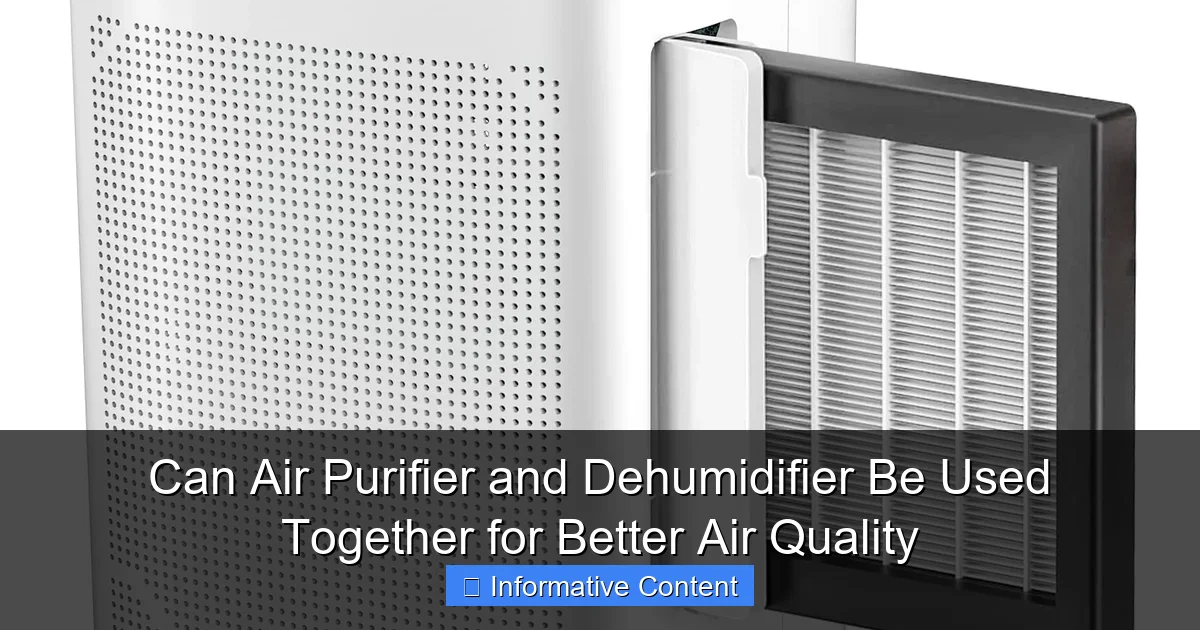
Visual guide about can air purifier and dehumidifier be used together
Image source: m.media-amazon.com
What an Air Purifier Does (and Doesn’t Do)
An air purifier is like a microscopic vacuum cleaner for your air. It uses filters (like HEPA, activated carbon, or ionizers) to capture airborne pollutants such as:
- Dust and pet dander – common triggers for allergies and asthma
- Pollen – especially problematic during spring and summer
- Mold spores – invisible but potentially harmful
- Smoke and VOCs (volatile organic compounds) – from cooking, cleaning products, or new furniture
But here’s the catch: an air purifier doesn’t reduce humidity. In fact, if your home is already damp, running an air purifier alone might just circulate more moisture-laden air, potentially making mold and dust mite problems worse. It’s like trying to clean a dirty room while leaving the windows wide open during a storm.
What a Dehumidifier Does (and Its Limitations)
A dehumidifier, on the other hand, tackles moisture. It pulls water vapor from the air and collects it in a tank or drains it away. This is crucial because:
- High humidity (above 50–60%) creates a breeding ground for mold and mildew
- Excess moisture encourages dust mites, which thrive in damp environments
- It reduces that “stuffy” feeling and can even help your home feel cooler
However, a dehumidifier doesn’t remove particles from the air. It won’t filter out allergens, odors, or microscopic pollutants. If you have pets, cook frequently, or live in a high-pollen area, running just a dehumidifier won’t fully address your air quality concerns.
The Key Insight: They Complement Each Other
When used together, an air purifier and dehumidifier cover each other’s blind spots. The dehumidifier creates a less hospitable environment for mold and dust mites, while the air purifier removes the particles those allergens release. It’s a one-two punch for cleaner, healthier air.
Example: In my basement, I used to run just a dehumidifier. The air felt less damp, but I still sneezed constantly. Once I added a HEPA air purifier, the musty smell faded, and my allergies improved dramatically. Why? The dehumidifier stopped mold from growing, and the air purifier caught the spores that were already floating around.
When Should You Use Both Devices Together?
Not every home needs both an air purifier and dehumidifier. But in certain situations, using them together isn’t just helpful—it’s essential. Here are the most common scenarios where the combo really shines.
High-Humidity Areas (Basements, Bathrooms, Coastal Homes)
If you live near the ocean, in a rainy climate, or have a basement that feels like a sauna, humidity is your enemy. I learned this the hard way when I moved into a beachside condo. Even with windows open, the air felt thick, and my books started to smell musty.
Solution: I placed a dehumidifier in the corner and an air purifier nearby. The dehumidifier kept humidity around 45%, which is ideal for preventing mold. The air purifier caught dust and salt particles from the ocean breeze. Within a week, the musty smell was gone, and my books were safe.
Tip: In bathrooms, run the dehumidifier after showers and use a small air purifier to eliminate lingering odors and airborne bacteria.
Allergy and Asthma Sufferers
If you or someone in your household has allergies or asthma, moisture and allergens are a dangerous combo. High humidity encourages dust mites and mold, while poor air circulation spreads pollen and pet dander.
Real-life case: My nephew has severe dust mite allergies. His parents tried just an air purifier, but his symptoms worsened in the winter when the indoor air was dry but still damp in the basement. Once they added a dehumidifier to the basement and kept the air purifier running upstairs, his nighttime coughing decreased by 80%.
Key takeaway: For allergy relief, control humidity first (to stop allergens from multiplying), then purify the air (to remove what’s already there).
Homes with Pets or Smokers
Pets shed dander, and smoking (even occasional) leaves behind VOCs and fine particles. If your home is also humid, these pollutants stick to damp surfaces or get absorbed into fabrics, making them harder to remove.
My experience: I have two cats and live in a humid region. I run a dehumidifier in the living room during the day to keep moisture low, and an air purifier with a carbon filter to neutralize pet odors and capture dander. The combo keeps the air fresh without relying on strong air fresheners.
Pro tip: Place the air purifier near pet beds or smoking areas, and the dehumidifier in the same room to prevent moisture buildup from pet breath or damp ash.
Post-Flood or Water Damage Recovery
After water damage, mold can grow in as little as 24–48 hours. In these cases, using both devices is critical.
- Dehumidifier: Extracts moisture from the air and walls, preventing mold growth
- Air purifier: Captures airborne mold spores and musty odors
Note: For severe water damage, consult a professional, but for minor leaks or flooding, this combo can prevent long-term issues.
How to Use Them Together Effectively: Placement and Settings
Using an air purifier and dehumidifier together isn’t as simple as turning both on and forgetting about them. Smart placement, timing, and settings can make a big difference in performance and energy efficiency.
Optimal Placement: Room Layout Matters
Think of your home as a battlefield. You want to position your devices where they’ll have the most impact.
- Dehumidifier: Place it in the dampest area (e.g., basement, bathroom, laundry room). For whole-house humidity control, a central unit is best, but portable units work for single rooms.
- Air purifier: Position it in the most-used area (e.g., living room, bedroom). Avoid placing it behind furniture or in corners where airflow is restricted.
My setup: In my 1,200 sq ft apartment, I have a dehumidifier in the basement (which connects to the main floor via a stairwell) and a medium-sized air purifier in the living room. The dehumidifier runs 24/7 on a hygrometer setting (45% RH), and the air purifier turns on automatically when the air quality sensor detects particles.
Timing and Automation: Save Energy and Hassle
Running both devices 24/7 can spike your electricity bill. Here’s how to use them smarter:
- Dehumidifier: Use a hygrometer (humidity sensor) to turn it on only when humidity rises above 50%. Many modern dehumidifiers have this built-in.
- Air purifier: Use a smart plug or timer to run it during high-activity hours (e.g., mornings and evenings). Some models have air quality sensors that auto-adjust fan speed.
Example: My dehumidifier runs mostly at night when the basement is cool and humid. The air purifier turns on automatically when I’m home and shuts off when I leave (via a smart home system).
Filter and Maintenance: Don’t Neglect the Details
Both devices require regular upkeep to work effectively.
- Dehumidifier: Empty the water tank daily (or use a hose for continuous drainage). Clean the filter monthly to prevent mold growth inside the unit.
- Air purifier: Replace HEPA filters every 6–12 months (or as recommended). Wipe down the exterior and pre-filters monthly.
Tip: If you’re forgetful (like me), set phone reminders or use a smart home app to track maintenance.
Potential Challenges and How to Overcome Them
While using both devices together is beneficial, there are a few challenges to be aware of. The good news? They’re all manageable with a little planning.
Energy Consumption: Balancing Cost and Comfort
Running both devices can increase your electricity bill, especially if they’re large or running constantly. Here’s how to minimize the impact:
- Choose energy-efficient models: Look for ENERGY STAR-rated units. A dehumidifier with a low wattage (e.g., 300W vs. 700W) and an air purifier with a DC motor can cut energy use by 30–50%.
- Use timers and sensors: As mentioned earlier, automation reduces unnecessary runtime.
- Size matters: Don’t overbuy. A dehumidifier that’s too big for your space will cycle on and off frequently, wasting energy. Similarly, an oversized air purifier may be louder and less efficient.
My savings tip: I run my dehumidifier during off-peak hours (nights) when electricity rates are lower. I also unplug both devices when I’m away for more than a day.
Noise Levels: Keeping It Quiet
Both devices can be noisy, especially on high settings. This can be disruptive in bedrooms or quiet spaces.
- Dehumidifier: Look for models with a “quiet mode” (under 45 dB). Place it on a rubber mat to reduce vibration noise.
- Air purifier: Choose a model with a “sleep mode” or low-noise setting. Some have noise levels as low as 20 dB (whisper-quiet).
My bedroom setup: I use a small, quiet dehumidifier (42 dB) and an air purifier with a sleep mode (22 dB). I barely notice them at night.
Maintenance Overload: Avoiding Burnout
Two devices mean twice the maintenance. To stay on top of it:
- Label filters with replacement dates
- Keep extra filters and dehumidifier hoses handy
- Clean both units at the same time (e.g., “First Saturday of the month”)
Data Table: Comparing Air Purifier and Dehumidifier Performance
To help you make an informed decision, here’s a quick comparison of how these devices perform in common scenarios:
| Scenario | Air Purifier Alone | Dehumidifier Alone | Used Together |
|---|---|---|---|
| High humidity + mold | Filters spores but doesn’t stop mold growth | Reduces humidity but leaves spores in the air | ✅ Stops mold growth + removes spores |
| Allergies (dust/pollen) | ✅ Reduces airborne allergens | Reduces dust mites (indirectly) | ✅ Strongest allergy relief |
| Pet dander/odors | ✅ Captures dander, neutralizes odors | Minimal effect | ✅ Better odor control in humid homes |
| Smoke/VOCs | ✅ Removes particles and VOCs | No effect | ✅ Same as air purifier alone |
| Musty basement | Reduces musty smell temporarily | Reduces dampness but not airborne particles | ✅ Eliminates both smell and dampness |
Final Thoughts: A Smarter Approach to Indoor Air Quality
So, can an air purifier and dehumidifier be used together? Absolutely—and in most cases, they *should* be. They’re not competitors; they’re allies in the fight for healthier air. The dehumidifier tackles the root cause of many air quality issues (moisture), while the air purifier cleans what the dehumidifier can’t reach (particles and odors).
From my personal experience, the biggest mistake people make is treating these devices as one-size-fits-all solutions. Your home is unique—your climate, your lifestyle, and your air quality challenges are too. Maybe you only need both during certain seasons. Maybe one room needs a combo while others don’t. The key is to start small, monitor the results, and adjust.
Here’s my final advice: If you’re dealing with persistent musty smells, allergy flare-ups, or a damp basement, try using both devices together for at least a month. Track changes in how you feel, how the air smells, and even your energy bills. You might be surprised by how much of a difference it makes.
And remember: clean air isn’t just about comfort—it’s about health. Whether you’re a parent, a pet owner, or someone who just wants to breathe easier, combining an air purifier and dehumidifier is one of the most effective (and often overlooked) steps you can take toward a healthier home.
Frequently Asked Questions
Can an air purifier and dehumidifier be used together?
Yes, an air purifier and dehumidifier can be used together to improve indoor air quality. While the air purifier removes airborne pollutants like dust and allergens, the dehumidifier reduces excess moisture, creating a healthier environment.
Do air purifiers and dehumidifiers work well in the same room?
Absolutely, using both devices in the same room enhances air quality by addressing different issues. The dehumidifier controls humidity levels, while the air purifier captures particles, making them a complementary pair.
Is it safe to run an air purifier and dehumidifier at the same time?
Yes, it is safe to operate both appliances simultaneously. Just ensure they are plugged into separate outlets if they have high power draws to avoid overloading circuits.
Can using a dehumidifier help an air purifier work better?
Yes, lower humidity levels from a dehumidifier can help an air purifier perform more efficiently. Dry air reduces mold and dust mite growth, allowing the purifier to focus on filtering airborne contaminants.
What’s the best way to use an air purifier and dehumidifier together?
Place the dehumidifier in areas prone to moisture, like basements, and position the air purifier where air circulates most. Running both continuously ensures consistent air quality improvement.
Will combining an air purifier and dehumidifier reduce allergens?
Yes, together they significantly reduce allergens. The dehumidifier inhibits mold and dust mites, while the air purifier captures pollen and pet dander, providing comprehensive relief for allergy sufferers.