
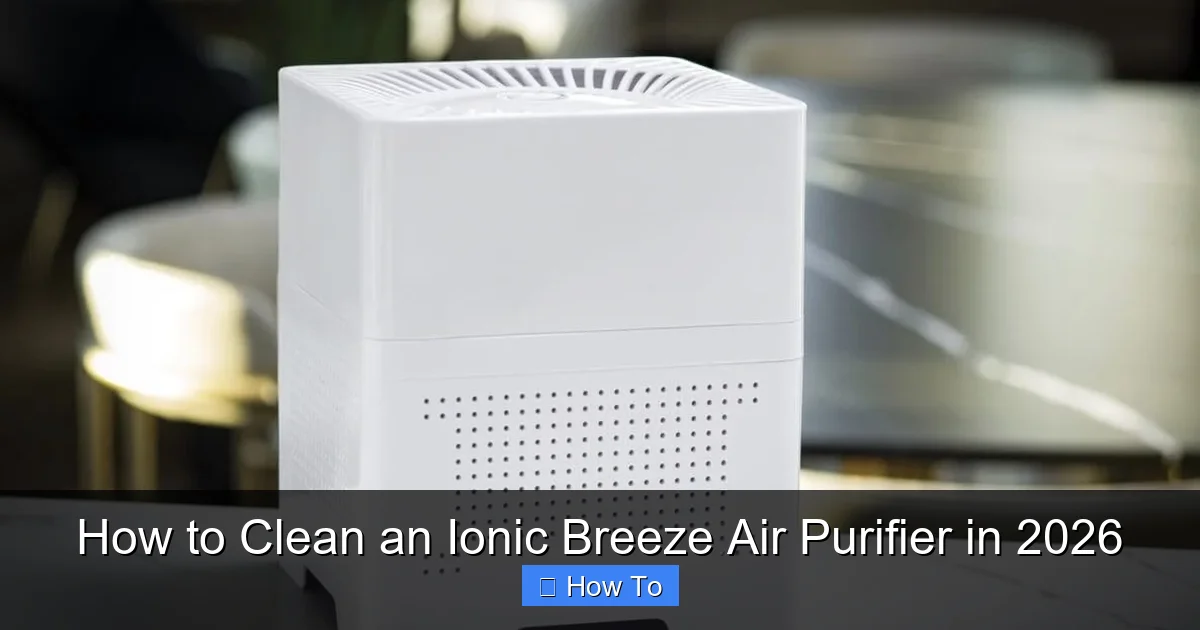
Featured image for how to clean an ionic breeze air purifier
Image source: cleancrispair.com
Regular cleaning is essential to maintain your Ionic Breeze air purifier’s performance and extend its lifespan. In 2026, the process remains simple: unplug the unit, remove and gently wash the collection plates with mild soap and water, then dry thoroughly before reassembling. Never use harsh chemicals or submerge the entire unit—proper care ensures optimal air purification and energy efficiency.
“`html
How to Clean an Ionic Breeze Air Purifier in 2026
Key Takeaways
- Unplug the unit first: Always disconnect power before cleaning to ensure safety.
- Clean collection plates weekly: Remove and wash plates with mild soap and water to maintain efficiency.
- Use a soft brush for stubborn debris: Gently scrub plates to avoid damaging the surface.
- Let components air dry completely: Reassemble only when all parts are fully dry to prevent electrical issues.
- Replace worn parts as needed: Check manufacturer guidelines for collection plate replacement intervals.
- Wipe the exterior with a damp cloth: Keep the housing clean to avoid dust buildup.
Why This Matters / Understanding the Problem
Let’s be honest—air purifiers are one of those appliances we set and forget. You plug it in, maybe adjust the settings once, and then go about your life, assuming it’s doing its job quietly in the corner. But here’s the thing: even the sleekest, most advanced models like the Ionic Breeze need regular maintenance to keep working effectively.
I learned this the hard way. A few years back, I noticed my living room smelled a little… off. Not terrible, but stale. I checked everything—vacuumed, opened windows, even lit a candle. Nothing helped. Then I remembered my Ionic Breeze had been running nonstop for over a year without a single cleaning. When I finally unplugged it and opened the grille, I was stunned. The collection plates were coated in a gray, dusty film—like a science experiment gone wrong. That’s when it hit me: cleaning your Ionic Breeze isn’t optional—it’s essential.
Over time, these purifiers attract dust, pet dander, pollen, and even mold spores. If you don’t clean them, they can’t ionize particles properly. Worse, a dirty unit might start recirculating gunk instead of cleaning the air. And in 2026, with indoor air quality becoming more important than ever—thanks to wildfire smoke, rising allergies, and post-pandemic awareness—keeping your purifier in top shape is non-negotiable.
So whether you’re a longtime Ionic Breeze owner or just unboxed a refurbished model, knowing how to clean an Ionic Breeze air purifier in 2026 ensures you’re actually breathing cleaner air—not just moving dust around.
What You Need
Before we dive into the steps, let’s gather our supplies. Don’t worry—you probably already have most of these lying around the house.
- Microfiber cloths (at least two—one for wiping, one for drying)
- Mild dish soap (avoid harsh chemicals or ammonia-based cleaners)
- Warm water (not hot—hot water can warp plastic parts)
- Soft-bristled brush (an old toothbrush works perfectly)
- Compressed air (optional, but great for tight spots)
- White vinegar (for stubborn buildup or odor removal)
- Gloves (if you’re sensitive to dust or have allergies)
- A clean towel (for laying parts on while cleaning)
You’ll also need about 20–30 minutes of uninterrupted time. Trust me, rushing this process leads to missed spots—and missed spots mean reduced performance.
One quick note: always unplug your Ionic Breeze before cleaning. Safety first, always.
Step-by-Step Guide to How to Clean an Ionic Breeze Air Purifier in 2026
Cleaning your Ionic Breeze isn’t complicated—but it does require attention to detail. These units use electrostatic plates to trap particles, and if those plates aren’t spotless, the whole system suffers. Below is my tried-and-true method, refined over years of trial, error, and a few “why is my purifier making that noise?” moments.
Step 1: Power Down and Unplug
This might seem obvious, but I’ve seen people skip this step—and it’s risky. Always turn off the unit using the power button, then unplug it from the wall. Give it at least 10 minutes to fully discharge. Ionic Breeze units store a small electrical charge even when off, and you don’t want any surprises while handling internal components.
Pro tip: While it’s unplugged, take a moment to wipe down the exterior with a dry microfiber cloth. Dust loves to settle on the outer grilles and control panels.
Step 2: Remove the Front Grille and Collection Plates
Now it’s time to access the heart of the purifier—the collection plates. On most Ionic Breeze models (like the Quadra or Silent Air), the front grille snaps off easily. Gently pull it away from the unit. If it feels stuck, check for hidden clips or screws—some older models have them.
Once the grille is off, you’ll see the collection plates. These are usually rectangular, metal-like panels stacked vertically. Carefully slide them out one by one. I recommend laying them on a clean towel in the order you remove them—this makes reassembly much easier.
⚠️ Warning: Don’t force the plates. If one won’t budge, double-check for clips or alignment tabs. Forcing it can bend or break delicate components.
Step 3: Shake Off Loose Debris
Before washing, give each plate a gentle shake over a trash can or outside. This removes loose dust and prevents clogging your sink. I like to tap them lightly against my palm—just enough to dislodge surface gunk without damaging the plates.
If there’s visible hair or large debris (hello, pet owners!), use your fingers or tweezers to pull it off. Avoid using sharp objects—they can scratch the plates and reduce efficiency.
Step 4: Wash the Collection Plates
Here’s where the real cleaning happens. Fill a sink or large bowl with warm water and add a few drops of mild dish soap. Submerge the plates and let them soak for 5–10 minutes. This softens stubborn buildup.
After soaking, use your soft-bristled brush (or toothbrush) to gently scrub both sides of each plate. Focus on areas with thick residue—usually near the edges or corners. Be thorough but gentle. These plates are coated with a special material that helps attract particles, and harsh scrubbing can wear it down over time.
For extra cleaning power—especially if you notice a musty smell—add ¼ cup of white vinegar to the soapy water. Vinegar naturally breaks down mineral deposits and neutralizes odors without leaving a strong scent.
Step 5: Rinse and Dry Completely
Once scrubbed, rinse each plate under lukewarm running water. Make sure all soap and vinegar residue is gone—any leftover cleaner can affect performance or leave streaks.
Now, the most important part: drying. Place the plates on a clean, dry towel and let them air-dry for at least 2–3 hours. I usually leave mine overnight to be safe. Never reinstall wet plates. Moisture can cause arcing (tiny sparks inside the unit), damage electronics, or promote mold growth.
If you’re in a hurry, you can use a second dry microfiber cloth to blot excess water—but don’t wipe aggressively. Pat gently instead.
Step 6: Clean the Grille and Housing
While the plates dry, don’t forget the rest of the unit. Use a dry microfiber cloth to wipe down the inside of the housing where the plates sit. Dust and debris often accumulate here, and it can transfer back onto clean plates.
For tight corners or vents, use compressed air to blow out hidden dust. I keep a small can handy for this—it’s a game-changer for hard-to-reach spots.
The front grille can be wiped with a damp cloth (lightly soaped if needed), then dried thoroughly. Avoid soaking plastic parts, as excess moisture can warp them over time.
Step 7: Reassemble and Test
Once everything is completely dry, it’s time to put your Ionic Breeze back together. Slide the collection plates back into place in the same order you removed them. Make sure they’re seated properly—there should be no gaps or wobbling.
Snap the front grille back on until it clicks securely. Plug the unit back in, but don’t turn it on just yet.
Wait about 5 minutes before powering it up. This gives any residual moisture (even invisible) time to evaporate. Then, turn it on at the lowest setting and listen. It should run quietly, with no unusual noises or sparks.
Run it for 15–20 minutes in a well-ventilated area before returning it to its usual spot. This helps “burn off” any lingering particles and ensures optimal performance.
Pro Tips & Common Mistakes to Avoid
After cleaning dozens of Ionic Breeze units (mine and friends’), I’ve learned what works—and what definitely doesn’t.
Pro Tip: Clean your Ionic Breeze every 2–3 months if you use it daily. If you have pets, allergies, or live in a dusty area, aim for every 4–6 weeks. A quick visual check every few weeks helps you stay ahead of buildup.
Common Mistake: Using abrasive cleaners or steel wool. These scratch the collection plates, reducing their ability to attract particles. Stick to soft brushes and mild soap.
Pro Tip: Label your plates with a piece of tape if you’re worried about reassembly order. I did this during my first clean—and it saved me from a frustrating re-do.
Common Mistake: Skipping the drying step. I once reinstalled slightly damp plates because I was in a rush. The unit sparked, shut off, and took a week to reset. Lesson learned: patience pays off.
Pro Tip: Keep a cleaning log. Note the date each time you clean it. This helps you build a routine and track performance over time. Bonus: it’s satisfying to check off!
Also, avoid placing your Ionic Breeze near kitchens or smoking areas. Grease and smoke create thick, sticky buildup that’s much harder to remove. If you must place it nearby, clean it more frequently.
FAQs About How to Clean an Ionic Breeze Air Purifier in 2026
Q: Can I clean my Ionic Breeze with bleach or disinfectant wipes?
A: Absolutely not. Bleach and alcohol-based wipes can damage the electrostatic coating on the plates and degrade plastic parts. Stick to mild soap, water, and vinegar if needed.
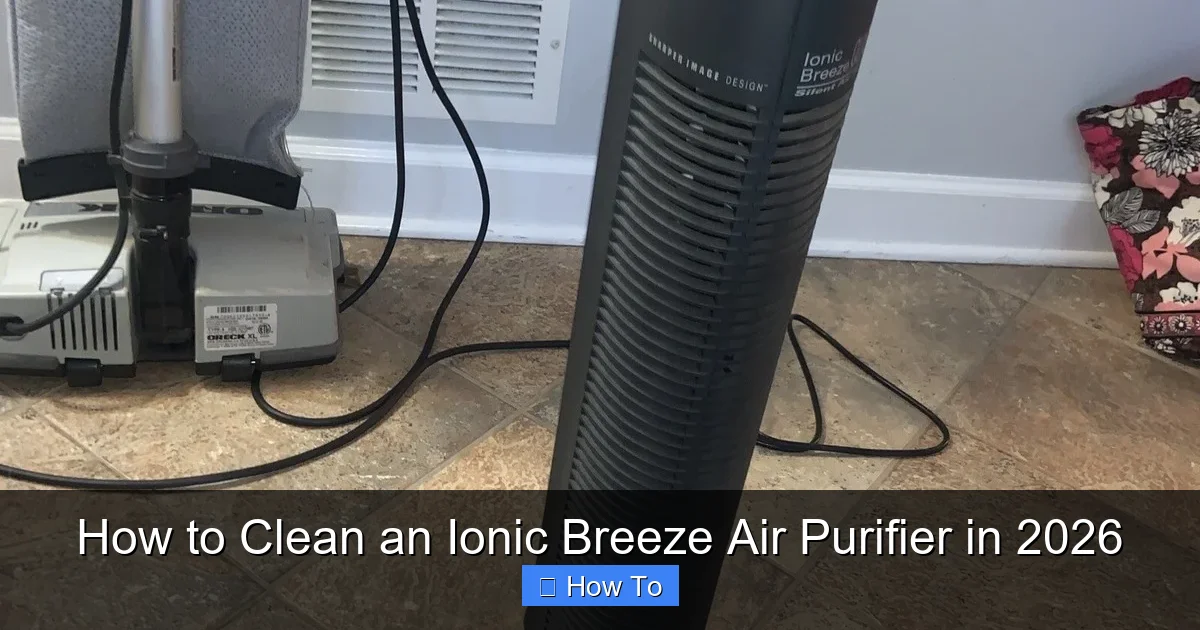
Visual guide about how to clean an ionic breeze air purifier
Image source: i.ebayimg.com
Q: How often should I clean the collection plates?
A: Every 2–3 months for normal use. If you have pets, live in a high-pollen area, or notice reduced airflow, clean every 4–6 weeks. Your nose will tell you when it’s time!
Q: My Ionic Breeze is making a crackling noise after cleaning. Is that normal?
A: A faint crackle is normal as the unit “burns off” residual particles. But if it’s loud, persistent, or accompanied by sparks, unplug it immediately. This usually means moisture is still present or plates aren’t seated correctly.
Q: Can I run the plates through the dishwasher?
A: No. Dishwashers use high heat and strong detergents that can warp plates and strip their coating. Hand-washing is the only safe method.
Q: What if my plates are bent or damaged?
A: Light bends can sometimes be gently straightened with pliers (use caution). But if plates are cracked, corroded, or severely warped, replace them. Generic replacement plates are available online for most models.
Q: Does cleaning improve air quality right away?
A: Yes! You’ll notice better airflow within minutes and a fresher smell within hours. Allergies may improve too—especially if dust or pet dander was the main issue.
Q: Can I clean my Ionic Breeze while it’s still plugged in?
A: Never. Always unplug and wait 10 minutes before handling internal parts. Electricity and water don’t mix—even in low-voltage devices.
Final Thoughts
Cleaning your Ionic Breeze might not be the most exciting chore, but it’s one of the most impactful things you can do for your indoor air quality. Think of it like changing the oil in your car—skip it, and performance suffers. Do it regularly, and your purifier runs smoother, lasts longer, and actually does what it’s supposed to: give you cleaner, healthier air.
In 2026, with climate challenges and health concerns on the rise, we can’t afford to overlook the tools that protect our homes. Taking 30 minutes every few months to clean your unit is a small investment with big returns.
So grab your microfiber cloth, unplug that purifier, and give it the care it deserves. Your lungs—and your nose—will thank you.
And remember: knowing how to clean an Ionic Breeze air purifier in 2026 isn’t just about maintenance. It’s about breathing easier, sleeping better, and living healthier—one clean plate at a time.
“`