

Featured image for can air purifier filters be cleaned and reused
Image source: classicairconditioningandheating.com
Most air purifier filters cannot be safely cleaned and reused—doing so often damages the filter and reduces performance. While some washable pre-filters can be gently cleaned, HEPA and carbon filters typically degrade with water exposure and lose efficiency. Replacing filters as recommended ensures optimal air quality and long-term savings by avoiding system strain and poor filtration.
Key Takeaways
- Check filter type first: Only washable filters can be cleaned—HEPA and carbon filters are typically not reusable.
- Follow manufacturer guidelines: Always consult your manual for cleaning instructions to avoid damaging the filter.
- Rinse gently with water: Use low-pressure water to remove dust and debris from washable filters.
- Dry completely before reuse: Ensure filters are 100% dry to prevent mold and maintain efficiency.
- Replace when visibly worn: Even cleanable filters degrade—replace if torn or discolored.
- Label filters for tracking: Mark cleaning dates to maintain a proper maintenance schedule.
📑 Table of Contents
- Can Air Purifier Filters Be Cleaned and Reused? Save Money Now
- Understanding Air Purifier Filter Types and Their Cleanability
- When Cleaning a Filter Is a Good Idea (And When It’s Not)
- Step-by-Step Guide to Cleaning Reusable Air Purifier Filters
- How to Maximize Filter Life Without Risking Air Quality
- Real Costs: Cleaning vs. Replacing (With Data)
- Final Thoughts: Save Money Without Sacrificing Clean Air
Can Air Purifier Filters Be Cleaned and Reused? Save Money Now
Picture this: You’ve just spent a small fortune on an air purifier to keep your home free of dust, pollen, and that mysterious funk your cat tracks in from the backyard. After a few months, the little light on your purifier starts flashing—it’s time to replace the filter. You head online, and your heart sinks. That tiny piece of pleated paper or fabric is going to cost you another $50? You start to wonder: Is there a way to clean the filter instead? Maybe even reuse it?
If you’ve ever asked yourself, “Can air purifier filters be cleaned and reused?”—you’re not alone. Thousands of homeowners face this dilemma every year. Between rising filter costs, environmental concerns, and the desire to stretch every dollar, cleaning and reusing filters sounds like a dream. But is it actually possible? The short answer: it depends. Some filters can be gently cleaned and reused, while others absolutely cannot. And making the wrong move could cost you more in the long run—damaging your purifier, worsening air quality, or even creating health risks. In this guide, I’ll walk you through everything you need to know so you can make smart, money-saving choices without sacrificing clean air.
Understanding Air Purifier Filter Types and Their Cleanability
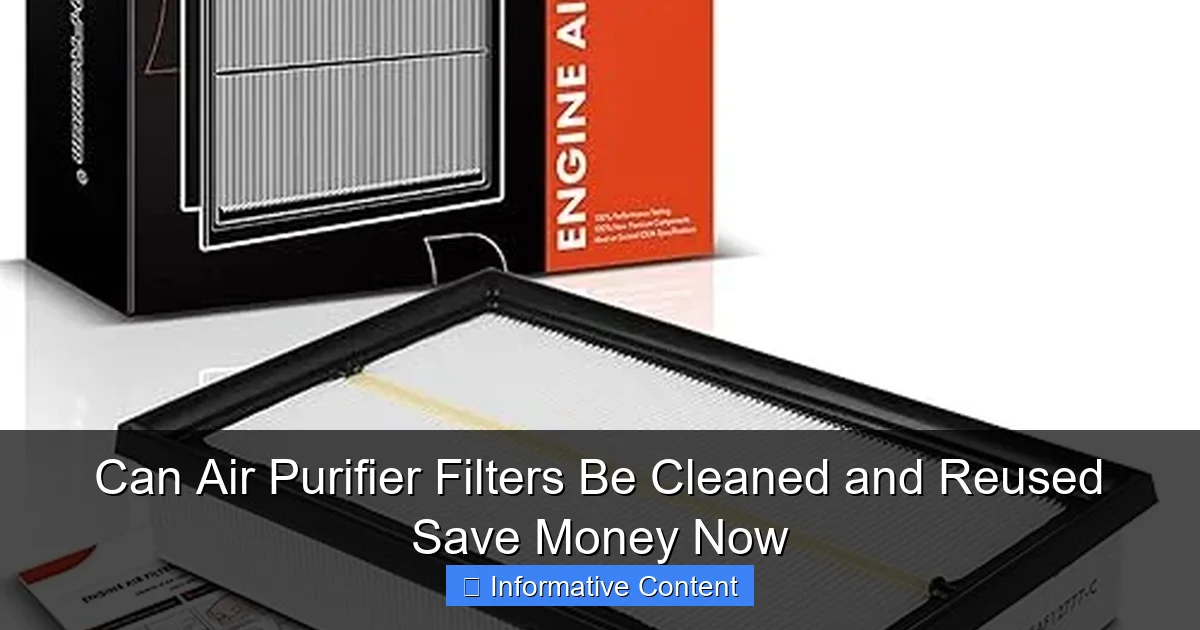
Before you reach for a vacuum or a damp cloth, you need to know what kind of filter your air purifier uses. Not all filters are created equal, and cleaning methods that work for one type can ruin another. Let’s break down the most common types of air purifier filters and whether they can be cleaned.
Visual guide about can air purifier filters be cleaned and reused
Image source: m.media-amazon.com
1. Pre-Filters (Often Cleanable and Reusable)
Pre-filters are the first line of defense in most air purifiers. They’re usually made of coarse mesh or foam and are designed to trap large particles like pet hair, dust bunnies, and lint. Because they’re not meant to capture microscopic pollutants, they’re often the most forgiving when it comes to cleaning.
- Material: Foam, nylon mesh, or washable fabric
- Lifespan: 3–6 months with regular cleaning
- Cleanability: Usually yes—can be vacuumed, wiped, or rinsed with water
Pro tip: My Honeywell HPA300 has a removable foam pre-filter. Every 2–3 weeks, I take it out, give it a quick vacuum, and wipe it down with a damp cloth. After a few months, I rinse it under cool water and let it air dry. It’s still going strong after two years.
2. HEPA Filters (Generally Not Reusable)
HEPA (High-Efficiency Particulate Air) filters are the gold standard for capturing tiny particles—like pollen, mold spores, and even some viruses. They’re made of tightly woven fiberglass or synthetic fibers that create a maze-like structure. This design is great for trapping particles, but it’s also extremely delicate.
- Material: Ultra-fine fiberglass or synthetic fibers
- Lifespan: 6–12 months (depends on air quality and usage)
- Cleanability: no—cleaning can tear fibers, reduce efficiency, and even release trapped particles back into the air
Why it matters: A study by the U.S. Department of Energy found that even gentle vacuuming of a HEPA filter can reduce its efficiency by up to 30%. Think of it like a spiderweb—if you brush against it, it tears. Once the fibers are damaged, the filter can’t do its job.
3. Activated Carbon Filters (Limited Reusability)
These filters are made of charcoal and are used to absorb odors, smoke, and volatile organic compounds (VOCs). They work through adsorption (not absorption), meaning pollutants stick to the carbon surface. Over time, the pores fill up and the filter becomes saturated.
- Material: Activated carbon granules or fabric
- Lifespan: 3–6 months (shorter in homes with pets, smoking, or strong odors)
- Cleanability: Not really—you can vacuum the outer layer, but the carbon can’t be “recharged” at home
Real-life example: I tried vacuuming the carbon filter in my Coway Airmega once. It looked cleaner, but the musty smell from my basement came back within a week. Turns out, the carbon was already spent—just hiding under a layer of dust. A fresh filter fixed the issue instantly.
4. Washable Electrostatic Filters (Rare, But Reusable)
These are less common but found in some budget purifiers. They use static electricity to attract particles. They’re usually made of metal or plastic mesh and can be rinsed with water.
- Material: Metal mesh or conductive fabric
- Lifespan: 1–2 years with regular washing
- Cleanability: yes—rinse with water, dry completely, reinstall
Note: These filters are not as effective as HEPA and often require frequent cleaning (every 1–2 weeks) to maintain efficiency.
When Cleaning a Filter Is a Good Idea (And When It’s Not)
Knowing the filter type is just the first step. The next question is: Should you clean it? The answer depends on your goals, your purifier, and your environment.
When Cleaning Makes Sense
Cleaning is a smart move when:
- You have a washable pre-filter and want to extend its life
- Your purifier has a reusable electrostatic filter and you’re willing to maintain it regularly
- You’re in a dusty or high-pet-shed environment and need to reduce large particle buildup between full replacements
- You’re trying to save money short-term and can’t afford a new filter right now (but plan to replace it soon)
Example: My neighbor has two cats and a dog. Her purifier’s pre-filter gets clogged weekly. She cleans it every Sunday—just a quick vacuum and wipe. She replaces it every 4 months instead of 2, saving about $20 a year. Not huge, but every dollar counts.
When Cleaning Is a Bad Idea
Avoid cleaning when:
- You have a true HEPA filter—cleaning can damage it and release trapped allergens
- The filter is visibly damaged, torn, or discolored—this means it’s already compromised
- You’re dealing with mold, smoke, or chemical odors—cleaning won’t remove deep contamination
- Your purifier’s manual explicitly says “do not wash”—follow the manufacturer’s advice
Warning: I once tried to “revive” a HEPA filter with compressed air. Big mistake. The air pressure pushed trapped dust deeper into the fibers and made the purifier less effective. I ended up replacing it anyway—and learned my lesson.
The “Gray Area”: Partial Cleaning for HEPA and Carbon
While you shouldn’t fully clean HEPA or carbon filters, you can do light maintenance:
- Vacuum the outer surface with a soft brush attachment—removes surface dust but doesn’t touch the core
- Blow out loose debris with a hair dryer on cool setting—helps with airflow, but doesn’t restore filtration
- Sun-dry carbon filters (rarely)—some experts say 1–2 hours in direct sunlight can help release some VOCs, but it’s not a full recharge and may not work in humid climates
Important: These are not replacements for full filter changes. They’re just ways to slightly extend life when you’re in a pinch.
Step-by-Step Guide to Cleaning Reusable Air Purifier Filters
If your filter is cleanable, doing it right is key. A bad cleaning job can leave residue, damage the filter, or even void your warranty. Here’s how to clean different types safely and effectively.
Cleaning a Washable Pre-Filter (Foam or Mesh)
- Turn off and unplug the air purifier
- Remove the pre-filter—check your manual for the right way to open the housing
- Vacuum first—use a soft brush attachment to remove loose dust and hair
- Wipe with a damp cloth—use mild soap if needed, but avoid harsh chemicals
- Rinse (if washable)—hold under cool running water. No scrubbing!
- Air dry completely—place on a towel or hang it. Never reinstall a wet filter—it can cause mold or damage the motor
- Reinstall—make sure it’s seated properly and the purifier is closed securely
Tip: I set a phone reminder every 2 weeks to clean my pre-filter. Consistency keeps airflow optimal and reduces strain on the main filter.
Cleaning a Reusable Electrostatic Filter
- Remove the filter—usually slides out from the back or side
- Rinse under cool water—gently spray both sides. Avoid high pressure
- Use mild dish soap (optional)—if it’s greasy (e.g., near a kitchen), a few drops can help
- Scrub gently with a soft brush—only if needed. Don’t bend or dent the metal
- Rinse thoroughly—make sure no soap residue remains
- Shake off excess water—then air dry for 24 hours. No towel drying—it can leave lint
- Reinstall—check that it’s flat and secure
Warning: Never use bleach or ammonia—they can corrode metal and create toxic fumes when the purifier runs.
What NOT to Do
- Don’t use hot water—it can warp foam or melt glue
- Don’t put filters in the dishwasher or washing machine—tumble action can destroy them
- Don’t use a vacuum with a beater bar—it can rip delicate mesh
- Don’t skip the drying step—moisture breeds mold and damages electronics
How to Maximize Filter Life Without Risking Air Quality
You don’t have to choose between saving money and breathing clean air. With a few smart habits, you can extend your filter’s life safely—and still keep your home healthy.
1. Clean the Pre-Filter Monthly (or More Often)
Think of the pre-filter as a “sacrificial layer.” The cleaner it stays, the less work the main filter has to do. In high-dust environments (like homes with pets or near construction), clean it every 2–3 weeks.
My routine: Every Sunday, I spend 5 minutes vacuuming and wiping the pre-filter. It’s a tiny habit, but it’s kept my HEPA filter lasting 14 months instead of 10.
2. Use a Vacuum with a HEPA Filter
Vacuuming your home regularly removes dust, pollen, and pet dander before they reach the air purifier. This reduces the load on all filters. A vacuum with a HEPA filter ensures you’re not just recirculating particles.
- Vacuum carpets and rugs at least once a week
- Dust shelves and blinds with a microfiber cloth
- Wash bedding and curtains monthly to reduce allergens
3. Run the Purifier on a Lower Speed When Air Is Clean
Many purifiers have multiple fan speeds. When the air is relatively clean (e.g., in the evening), run it on low or medium. This reduces wear on the filter and motor. Use auto mode if your purifier has one—it adjusts speed based on air quality.
Data point: A 2022 study by the EPA found that running a purifier at medium speed instead of high can extend filter life by up to 20%.
4. Replace Filters at the Right Time (Not Too Early or Late)
Don’t wait until the filter is black and smelly. But also, don’t replace it at 6 months if it’s still effective. Look for signs:
- Increased noise from the purifier
- Reduced airflow (you feel less wind)
- Worsening allergy symptoms
- Bad odors when the purifier runs
Use the manufacturer’s lifespan as a guide, but adjust based on your home. A filter in a smoke-free, pet-free apartment might last longer than one in a busy household.
5. Consider a Filter with a Longer Lifespan
Some brands offer filters that last 12–18 months. For example:
- Winix True HEPA filters: up to 12 months
- IQAir HyperHEPA filters: up to 18 months
- Airpura carbon filters: up to 24 months (for VOC-heavy homes)
They cost more upfront but save money over time.
Real Costs: Cleaning vs. Replacing (With Data)
Let’s talk numbers. How much can you actually save by cleaning and reusing filters? It depends on your purifier, filter type, and habits. Here’s a real-world comparison for a typical 1,500 sq. ft. home with one pet.
| Filter Type | Avg. Replacement Cost | Recommended Lifespan | Annual Cost (No Cleaning) | With Regular Cleaning | Annual Savings |
|---|---|---|---|---|---|
| Pre-Filter (Washable) | $30 | 6 months | $60 | $30 (cleaned monthly) | $30 |
| HEPA Filter (Not Cleanable) | $70 | 12 months | $70 | $70 (light vacuum only) | $0 (but airflow improves) |
| Carbon Filter | $40 | 6 months | $80 | $60 (vacuumed monthly, replaced at 9 months) | $20 |
| Electrostatic Filter (Reusable) | $50 | 18 months | $33.33 | $33.33 (rinsed every 2 weeks) | $0 (but filter lasts longer) |
Total annual savings with cleaning: $50. That’s a free tank of gas, a nice dinner out, or a few months of streaming service. Not life-changing, but definitely worth it.
But here’s the catch: If you damage a $70 HEPA filter by improper cleaning, you’ll spend more in the long run. So only clean what’s safe to clean.
Final Thoughts: Save Money Without Sacrificing Clean Air
So, can air purifier filters be cleaned and reused to save money? The answer is a cautious yes—but only for certain types. Washable pre-filters and electrostatic filters can absolutely be cleaned and reused, and doing so can save you $30–$50 a year. But true HEPA filters and activated carbon filters? Leave them alone. Cleaning them does more harm than good.
The key is knowing your purifier. Check the manual. Look at the filter. Understand what you’re working with. A little maintenance goes a long way—cleaning a pre-filter monthly, vacuuming your home, and running your purifier on a lower speed can extend filter life without risking air quality.
And remember: saving money is great, but not if it means breathing dirty air. If you’re ever unsure, err on the side of caution. Replace the filter. Your lungs will thank you.
At the end of the day, air purifiers are an investment in your health. With smart habits, you can protect that investment—and your wallet—for years to come. So go ahead, clean that pre-filter, set a reminder, and breathe easy. You’ve got this.
Frequently Asked Questions
Can air purifier filters be cleaned and reused to save money?
It depends on the type of filter. Some washable filters, like certain HEPA or electrostatic models, can be cleaned and reused, helping you save money over time. However, most standard HEPA filters are not designed for cleaning and should be replaced instead.
How do I know if my air purifier filter is washable?
Check your air purifier’s user manual or the filter label—washable filters are usually labeled as reusable or permanent. If it’s made of foam, mesh, or a similar material, it’s more likely to be cleanable than paper-based filters.
Can you clean a HEPA filter and reuse it safely?
True HEPA filters are typically not washable and should not be cleaned, as water can damage the delicate fibers. However, some “HEPA-type” or washable HEPA-style filters can be gently vacuumed or rinsed if specified by the manufacturer.
What happens if I try to clean a non-washable air purifier filter?
Cleaning a non-washable filter can tear the material or reduce its effectiveness, allowing pollutants to pass through. This compromises air quality and may damage your air purifier over time.
Are there reusable air purifier filters that actually work?
Yes, some reusable filters, like electrostatic or washable pre-filters, effectively capture large particles and can be cleaned regularly. While they may not match the efficiency of true HEPA filters, they offer a cost-effective and eco-friendly option for basic air cleaning.
How often should I clean a reusable air purifier filter?
Most manufacturers recommend cleaning reusable filters every 2–4 weeks, depending on usage and air quality. Regular cleaning maintains performance and extends the filter’s lifespan, helping you save money in the long run.