
Featured image for can air purifier remove cat hair
Image source: hvacseer.com
Yes, air purifiers can effectively remove cat hair from your home when equipped with a true HEPA filter, which captures airborne pet hair and dander. For best results, choose a model with a high CADR rating and a pre-filter to trap larger fur particles, reducing allergens and keeping your air clean between cleanings.
Key Takeaways
- Air purifiers trap cat hair using HEPA filters for cleaner air.
- Choose HEPA-grade filters to capture 99.97% of airborne pet hair.
- Run purifiers continuously to reduce hair buildup in high-shed areas.
- Combine with regular grooming to minimize loose hair and dander.
- Position purifiers strategically near cat beds or high-traffic zones.
- Clean pre-filters weekly to maintain suction and hair-catching efficiency.
📑 Table of Contents
- Can Air Purifier Remove Cat Hair Effectively
- How Air Purifiers Work to Capture Airborne Particles
- Can Air Purifiers Actually Remove Cat Hair?
- What to Look for in an Air Purifier for Cat Hair
- Real-Life Tips for Maximizing Air Purifier Effectiveness
- Top Air Purifiers for Cat Hair: A Comparison
- Final Thoughts: Is an Air Purifier Worth It for Cat Hair?
Can Air Purifier Remove Cat Hair Effectively
Let’s be honest—living with cats is a joy, but it comes with its fair share of challenges. One of the most persistent? Cat hair. It’s on your clothes, your couch, your keyboard, and even floating in the air like tiny, furry tumbleweeds. If you’ve ever walked into a room and seen dust bunnies that suspiciously resemble your cat’s coat, you’re not alone. As much as we love our feline friends, their shedding can be a real nuisance—especially if you or someone in your household has allergies or asthma. Consider using an air purifier to help reduce airborne cat hair.
So, what’s a cat parent to do? You’ve tried vacuuming daily, lint-rolling your wardrobe, and even investing in a robot vacuum that seems to have a personal vendetta against your cat’s favorite napping spot. But the hair keeps coming back. That’s when many people start wondering: Can an air purifier actually remove cat hair? It’s a fair question, and one that deserves a thorough answer. After all, air purifiers are marketed as powerful tools for improving indoor air quality, but do they really stand up to the fluff-filled chaos of a multi-cat household?
In this post, we’ll dive deep into how air purifiers work, whether they can effectively capture cat hair, and what features you should look for if you’re serious about reducing airborne fur. We’ll also share real-life tips, compare different types of purifiers, and help you decide if an air purifier is worth the investment for your home. Whether you’re a proud owner of one sleek Persian or a proud parent to a whole clowder of shedding machines, this guide is for you.
How Air Purifiers Work to Capture Airborne Particles
Before we get into whether air purifiers can handle cat hair, it’s important to understand how they actually work. At their core, air purifiers are designed to pull in air from your room, filter out contaminants, and release cleaner air back into your space. But not all purifiers are created equal—and the type of filtration system they use makes a big difference in what they can remove.
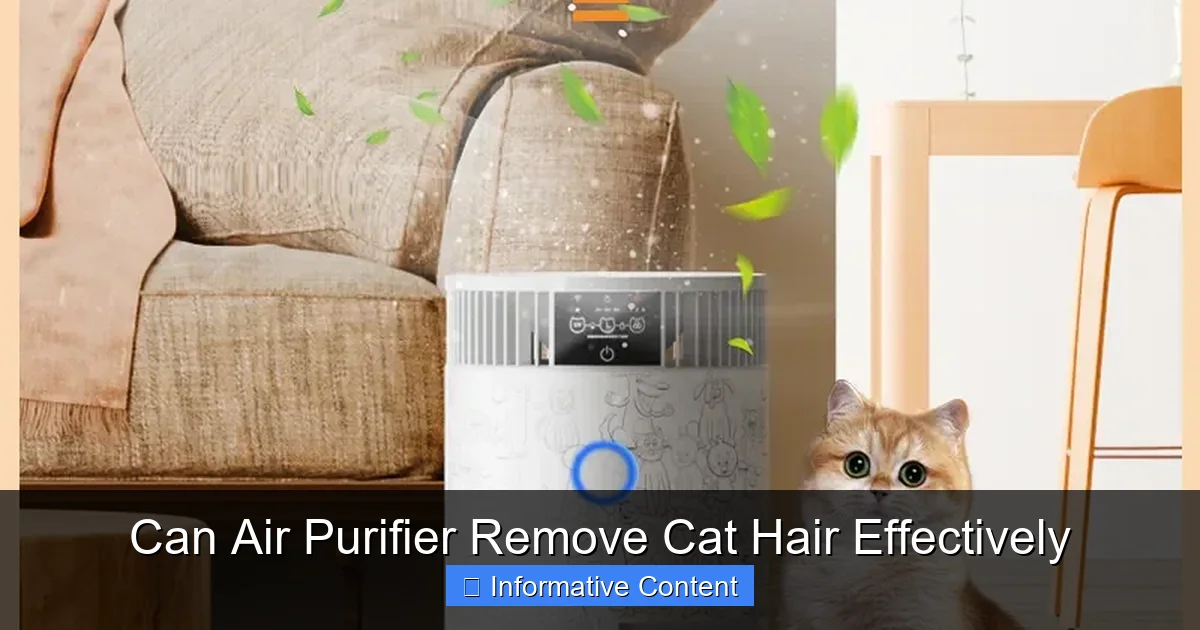
Visual guide about can air purifier remove cat hair
Image source: shopcdnpro.grainajz.com
HEPA Filters: The Gold Standard for Particle Removal
The most effective air purifiers use HEPA (High-Efficiency Particulate Air) filters. These filters are made of tightly woven fibers that trap particles as small as 0.3 microns with an efficiency of 99.97%. To put that in perspective, a human hair is about 70 microns thick, while cat hair typically ranges from 15 to 30 microns in diameter. That means HEPA filters are more than capable of capturing loose cat hair floating in the air.
But here’s the catch: HEPA filters are best at catching airborne particles. If the hair has already settled on your furniture, carpet, or bedding, the purifier won’t magically suck it up from the surface. It only works on what’s circulating in the air. So while a HEPA purifier can significantly reduce the amount of cat hair drifting around your living room, it won’t replace your vacuum or lint roller.
Other Filtration Technologies: Activated Carbon and Ionizers
Some air purifiers go beyond HEPA with additional layers of filtration. For example, activated carbon filters are excellent at absorbing odors—like that distinct “wet cat” smell or litter box funk—but they don’t do much for hair. They’re great companions to HEPA filters, though, especially if you’re dealing with both fur and odor issues.
Then there are ionizers, which release negatively charged ions into the air. These ions attach to particles like dust and hair, causing them to clump together and fall out of the air—either onto surfaces or get caught in the purifier’s filter. While ionizers can help reduce airborne hair, they have a downside: they can produce small amounts of ozone, which may irritate sensitive individuals. Plus, the clumped hair still ends up on your floors and furniture, so you’ll still need to clean regularly.
Another option is UV-C light technology, which is designed to kill bacteria and viruses. While it’s great for sanitizing the air, it doesn’t do anything for cat hair. So if your main concern is fur, UV-C is a nice bonus—but not a necessity.
Airflow and CADR: Why Room Size Matters
Even the best filter won’t help if the purifier can’t move enough air. That’s where CADR (Clean Air Delivery Rate) comes in. This rating tells you how quickly the purifier can clean the air in a specific room size. For example, a purifier with a high CADR for dust and pollen will be more effective at pulling in floating cat hair.
When shopping, always check the recommended room size. If you have a 300-square-foot living room, don’t buy a purifier rated for 150 square feet. It simply won’t circulate air fast enough to make a noticeable difference. Look for models with a CADR of at least 200 for dust and pollen in rooms up to 300 square feet.
Can Air Purifiers Actually Remove Cat Hair?
Now for the million-dollar question: Can air purifiers remove cat hair effectively? The short answer is yes—but with some important caveats.
Yes, They Capture Airborne Cat Hair
Air purifiers with HEPA filters are highly effective at capturing cat hair that’s floating in the air. When your cat grooms, plays, or shakes off after a nap, tiny hairs become airborne. These can linger for hours, especially in still rooms. A good air purifier will continuously pull in this air, trap the hair in the filter, and return cleaner air to the room.
In fact, studies have shown that HEPA air purifiers can reduce airborne allergens—including pet dander and hair—by up to 90% in just a few hours of operation. That’s a huge win for anyone dealing with allergies or asthma triggered by pet hair.
But They Don’t Eliminate Surface Hair
Here’s the reality check: air purifiers don’t clean your furniture, carpets, or clothes. If your cat has left a trail of fur across the couch or your favorite sweater, the purifier won’t touch it. It only works on what’s in the air. So while it can drastically reduce the amount of hair circulating, you’ll still need to vacuum, dust, and lint-roll regularly.
Think of it this way: an air purifier is like a goalkeeper for your living room. It stops the hair from entering the “game” (your air), but it can’t clean up the mess already on the field.
They Help Most During Peak Shedding Seasons
Cat shedding isn’t constant. Most cats shed more in spring and fall as they adjust to temperature changes. During these times, you might notice more hair in the air and on surfaces. Running an air purifier during these peak periods can make a noticeable difference in air quality and reduce the frequency of cleaning.
For example, one cat owner in Seattle reported that after running a HEPA purifier during spring shedding season, they went from vacuuming every other day to just twice a week—and still felt the air was noticeably cleaner.
They’re Especially Helpful for Allergy Sufferers
Even if you don’t mind a little fur on your black jeans, cat hair can be a major trigger for allergies. It’s not the hair itself that causes reactions—it’s the proteins in cat saliva, urine, and dander that cling to the hair. When these particles become airborne, they can cause sneezing, itchy eyes, and even asthma attacks.
An air purifier with a HEPA filter can significantly reduce these allergens by capturing both the hair and the dander attached to it. In fact, the American Lung Association recommends using HEPA air purifiers as part of a comprehensive strategy to reduce indoor allergens, including those from pets.
What to Look for in an Air Purifier for Cat Hair
Not all air purifiers are equally effective against cat hair. If you’re serious about tackling the fluff, here’s what to prioritize when shopping.
HEPA Filter Certification
Always look for an true HEPA filter—not “HEPA-type” or “HEPA-like.” These cheaper alternatives don’t meet the same standards and may only capture larger particles. A true HEPA filter must meet strict efficiency guidelines set by the U.S. Department of Energy.
High CADR Rating for Dust and Pollen
Since cat hair behaves similarly to dust and pollen in the air, choose a purifier with a high CADR for these particles. A CADR of 200 or higher is ideal for medium to large rooms. Some top models even exceed 300, making them excellent for open-concept spaces.
For example, the Levoit Core 300 has a CADR of 141 for dust, which is decent for small rooms, while the Winix 5500-2 boasts a CADR of 232 for dust—perfect for larger areas.
Large Room Coverage
Make sure the purifier is rated for the size of the room where you’ll use it most. If you have an open living area, consider a model that covers 400–500 square feet. Running a small purifier in a large space is like trying to dry a soaked towel with a single hairdryer—it’ll take forever.
Many manufacturers provide a “recommended room size” based on air changes per hour (ACH). For allergy relief, aim for at least 4 ACH—meaning the purifier cleans the entire room’s air four times per hour.
Washable Pre-Filters
Cat hair can quickly clog a filter, reducing efficiency. Look for models with a washable pre-filter that captures larger particles like hair and fur before they reach the HEPA filter. This extends the life of the main filter and saves you money on replacements.
For instance, the Honeywell HPA300 includes a permanent pre-filter that can be vacuumed or rinsed monthly. This simple feature can make a big difference in maintenance and performance.
Quiet Operation
If you plan to run the purifier at night or in a bedroom, noise level matters. Look for models with a “sleep mode” or low-decibel ratings (under 30 dB on the lowest setting). Some purifiers even have dimmable lights and auto-shutoff features for nighttime use.
Smart Features (Optional but Helpful)
Many modern purifiers come with smart features like air quality sensors, auto mode, and app control. These can automatically adjust fan speed based on real-time pollution levels—so it ramps up when your cat starts rolling around and shedding, then quiets down when the air is clean.
While not essential, these features add convenience and ensure the purifier is always working efficiently without constant manual adjustments.
Real-Life Tips for Maximizing Air Purifier Effectiveness
Even the best air purifier won’t do all the work for you. To get the most out of your investment, follow these practical tips.
Run It 24/7 on Auto Mode
Air purifiers work best when they’re running continuously. Set yours to “auto mode” so it adjusts based on air quality. This ensures it’s always catching new particles as they become airborne—especially during high-shedding moments like grooming or playtime.
Place It Strategically
Position the purifier in the room where your cat spends the most time—usually the living room or bedroom. Avoid placing it behind furniture or in corners where airflow is restricted. For best results, keep it at least 6–12 inches away from walls and let it draw air from all sides.
Clean or Replace Filters Regularly
Cat hair can clog filters faster than dust or pollen. Check your pre-filter weekly and wash it if it’s washable. Replace the HEPA filter according to the manufacturer’s schedule—usually every 6–12 months, depending on usage and shedding levels.
Some models have filter change indicators, but it’s still a good idea to inspect them manually. A clogged filter reduces airflow and efficiency, making the purifier less effective.
Combine with Other Cleaning Habits
An air purifier is most effective when used as part of a broader cleaning routine. Vacuum with a HEPA-filter vacuum cleaner at least twice a week, especially on carpets and upholstery. Use a microfiber cloth to dust surfaces, and wash bedding and pet blankets weekly in hot water.
Consider using a pet grooming tool like a deshedding brush to reduce the amount of hair your cat releases into the environment. Regular grooming can cut shedding by up to 50%, making your purifier’s job easier.
Keep Windows Closed During High-Pollen Seasons
While it’s tempting to let in fresh air, open windows can let in more allergens—including outdoor pollen that sticks to your cat’s fur and gets tracked inside. Keep windows closed during peak allergy seasons and rely on your purifier to keep indoor air clean.
Top Air Purifiers for Cat Hair: A Comparison
To help you make an informed decision, here’s a comparison of some of the best air purifiers for tackling cat hair, based on performance, features, and user reviews.
| Model | Filter Type | Room Coverage | CADR (Dust) | Key Features | Price Range |
|---|---|---|---|---|---|
| Levoit Core 300 | True HEPA + Carbon | 219 sq ft | 141 | Quiet, compact, 3-stage filtration | $100–$130 |
| Winix 5500-2 | True HEPA + Carbon + PlasmaWave | 360 sq ft | 232 | Auto mode, washable pre-filter, quiet | $150–$180 |
| Honeywell HPA300 | True HEPA + Carbon | 465 sq ft | 300 | High CADR, 3 cleaning levels, durable | $200–$250 |
| Blueair Blue Pure 211+ | HEPASilent + Carbon | 540 sq ft | 350 | Washable pre-filter, energy-efficient, stylish | $300–$350 |
| Dyson Purifier Cool TP07 | HEPA + Carbon + Air Multiplier | 400 sq ft | Not specified | Fan + purifier combo, app control, sleek design | $600–$700 |
As you can see, there’s a wide range of options depending on your budget and needs. The Winix 5500-2 offers excellent value with strong performance and smart features, while the Blueair Blue Pure 211+ is ideal for larger spaces and those who want a washable pre-filter. The Dyson TP07 is a premium choice that doubles as a fan, but comes at a much higher price point.
Final Thoughts: Is an Air Purifier Worth It for Cat Hair?
So, can an air purifier remove cat hair effectively? The answer is a resounding yes—but only when it comes to airborne hair. If you’re dealing with fur floating in the air, triggering allergies, or settling on surfaces faster than you can clean, a high-quality HEPA air purifier can make a noticeable difference in your home’s air quality and your overall comfort.
However, it’s not a magic solution. You’ll still need to vacuum, dust, and groom your cat regularly. Think of the air purifier as a powerful ally in your battle against cat hair—not a replacement for cleaning. When used correctly and paired with good habits, it can significantly reduce the amount of hair circulating in your home, ease allergy symptoms, and help you breathe easier.
If you’re on the fence, consider starting with a mid-range model like the Winix 5500-2 or Honeywell HPA300. They offer strong performance, reliable filtration, and features that make maintenance easy. And remember: the best air purifier is the one you’ll actually use consistently. So choose a model that fits your space, your lifestyle, and your budget—and let it work its magic while you enjoy more cuddles and fewer sneezes.
At the end of the day, living with cats means embracing a little mess. But with the right tools, you can keep that mess under control—and still love every purr, every nap, and every hair-covered moment.
Frequently Asked Questions
Can an air purifier remove cat hair from the air?
Yes, a high-quality air purifier with a HEPA filter can effectively capture airborne cat hair and dander. The fine mesh of a HEPA filter traps particles as small as 0.3 microns, including most pet hair and allergens.
Do air purifiers help with cat hair on furniture and floors?
While air purifiers can’t replace vacuuming, they reduce airborne cat hair that eventually settles on surfaces. This means fewer allergens and less visible hair accumulation between cleanings.
What type of air purifier is best for removing cat hair?
For cat hair removal, choose an air purifier with a true HEPA filter, pre-filter, and strong CADR rating for dust/pollen. Units with activated carbon filters also help control pet odors alongside hair removal.
How quickly will an air purifier remove cat hair from my home?
Most quality air purifiers will noticeably reduce airborne cat hair within 1-2 hours of continuous operation. For best results, run the purifier 24/7 in rooms where your cat spends the most time.
Can air purifiers remove cat hair from my clothes and bedding?
Air purifiers reduce airborne hair that could settle on fabrics, but direct removal requires washing or lint rolling. For pet owners, we recommend placing a purifier near bedrooms to minimize hair accumulation on bedding.
Do air purifiers remove cat dander as well as hair?
Yes, air purifiers with HEPA filters are highly effective at removing both cat hair and microscopic dander (skin flakes). Since dander is a common allergen, this dual-action makes purifiers essential for allergy sufferers with cats.