
Featured image for can air purifier remove cigarette smoke
Image source: afresherhome.com
Yes, air purifiers can effectively remove cigarette smoke when equipped with a True HEPA filter and activated carbon, which capture fine particles and absorb harmful gases like tar and nicotine. For best results, choose a unit with a high CADR rating and run it continuously in the affected space to reduce lingering odors and health risks.
Key Takeaways
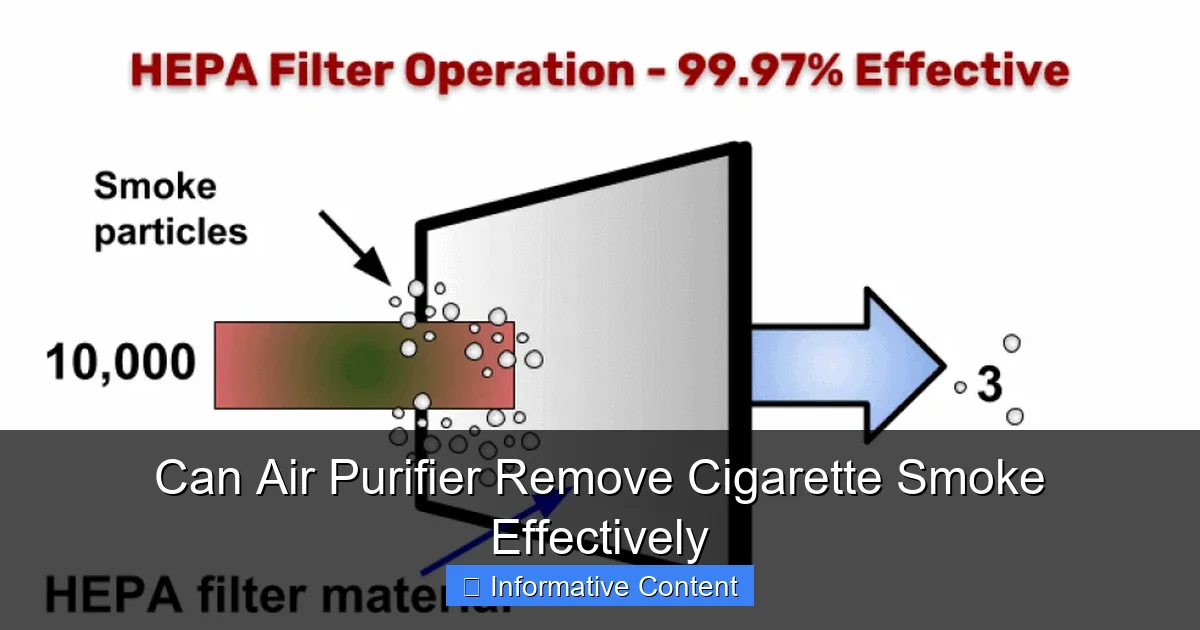
- Air purifiers with HEPA filters effectively capture 99.97% of cigarette smoke particles.
- Activated carbon filters are essential for removing smoke odors and harmful VOCs.
- Room size matters—match purifier capacity to your space for optimal results.
- Continuous operation ensures consistent air quality in high-smoke environments.
- Maintenance is critical—replace filters regularly to sustain performance.
- Combine with ventilation for faster smoke removal and improved air circulation.
📑 Table of Contents
- Can Air Purifier Remove Cigarette Smoke Effectively
- Understanding Cigarette Smoke: What Makes It So Hard to Eliminate
- How Air Purifiers Work to Remove Cigarette Smoke
- Real-World Performance: Do Air Purifiers Actually Work on Smoke?
- Choosing the Right Air Purifier for Cigarette Smoke
- Tips for Maximizing Air Purifier Effectiveness Against Smoke
- Comparing Air Purifier Performance: A Quick Reference
- Final Thoughts: Are Air Purifiers Worth It for Cigarette Smoke?
Can Air Purifier Remove Cigarette Smoke Effectively
Let’s be honest—cigarette smoke is one of the most stubborn and unpleasant indoor pollutants out there. Whether it’s from a neighbor’s balcony, a guest who lit up in the living room, or your own past habit, the smell clings to curtains, furniture, and even your hair. It’s not just the odor that’s the problem. Cigarette smoke contains thousands of chemicals, many of which are toxic and can linger in the air and on surfaces long after the cigarette is extinguished. If you’ve ever walked into a room where someone recently smoked, you know that “fresh air” from opening a window just doesn’t cut it.
This is where air purifiers come into play. You’ve probably seen them advertised as miracle workers for allergies, pet dander, and even viruses. But can an air purifier actually remove cigarette smoke effectively? That’s the million-dollar question—and one that deserves a clear, honest answer. As someone who once lived with a smoker and spent months trying every trick in the book to freshen up the apartment, I’ve tested several air purifiers firsthand. The short answer? Yes, air purifiers can help—but not all of them are created equal, and they’re not a magic fix on their own.
Understanding Cigarette Smoke: What Makes It So Hard to Eliminate
Before we dive into whether air purifiers work, it’s important to understand what cigarette smoke actually is. It’s not just a puff of gray haze—it’s a complex mixture of over 7,000 chemicals, including nicotine, tar, carbon monoxide, formaldehyde, and benzene. Many of these are known carcinogens, meaning they can cause cancer with prolonged exposure. Even secondhand smoke is dangerous, especially for children, pregnant women, and people with respiratory conditions like asthma.
Visual guide about can air purifier remove cigarette smoke
Image source: afresherhome.com
The Two Forms of Cigarette Smoke
Cigarette smoke exists in two main forms: particulate matter and volatile organic compounds (VOCs). Particulate matter includes tiny solid and liquid particles that float in the air—these are what you see as the visible smoke. VOCs, on the other hand, are gaseous chemicals that evaporate easily and are responsible for the strong, lingering smell. This dual nature is what makes cigarette smoke so tricky to eliminate. You can’t just “air out” VOCs, and particles can settle on surfaces and get stirred back up into the air.
Why Ventilation Alone Isn’t Enough
Opening windows or using fans might help reduce the immediate concentration of smoke, but it doesn’t remove the pollutants entirely. In fact, studies have shown that even after ventilation, harmful chemicals can remain in the air and on surfaces for hours or even days. This is especially true in tightly sealed homes or apartments where airflow is limited. Plus, if you’re dealing with thirdhand smoke—the residue that clings to walls, carpets, and furniture—ventilation won’t touch it at all.
The Health Risks of Lingering Smoke
Even after the smoke clears, the health risks don’t disappear. Thirdhand smoke can react with common indoor pollutants to form new, potentially more toxic compounds. Children are especially vulnerable because they crawl on floors and put their hands in their mouths. Long-term exposure, even at low levels, has been linked to respiratory infections, asthma attacks, and even developmental issues. This is why simply masking the smell with air fresheners isn’t enough—you need to actually remove the pollutants.
How Air Purifiers Work to Remove Cigarette Smoke
Air purifiers are designed to clean the air by drawing it in, filtering out contaminants, and releasing cleaner air back into the room. But not all purifiers are built to handle cigarette smoke. The effectiveness depends on the type of filtration system used. Let’s break down the most common technologies and how they tackle smoke.
HEPA Filters: Capturing Particulate Matter
High-Efficiency Particulate Air (HEPA) filters are the gold standard for removing airborne particles. True HEPA filters can capture at least 99.97% of particles as small as 0.3 microns—this includes smoke particles, dust, pollen, and pet dander. Since cigarette smoke contains fine particulates, a HEPA filter is essential for reducing the visible and inhalable portion of smoke.
For example, if you’re in a room where someone just finished smoking, a HEPA air purifier can significantly reduce the number of floating particles within 30 minutes to an hour, depending on the room size and the purifier’s Clean Air Delivery Rate (CADR). I’ve personally noticed a difference in air clarity and reduced coughing when using a HEPA purifier in a smoky environment.
Activated Carbon Filters: Tackling Odors and VOCs
While HEPA filters are great for particles, they can’t remove gases or odors. That’s where activated carbon filters come in. Made from porous carbon material, these filters adsorb (not absorb) gaseous pollutants, including the chemicals responsible for the smell of cigarette smoke. The larger the carbon filter and the more surface area it has, the better it performs.
Some high-end models use specialized carbon blends infused with potassium iodide or other chemicals to enhance their ability to capture specific VOCs like formaldehyde and benzene. If you’re serious about eliminating smoke odor, look for an air purifier with a substantial activated carbon filter—ideally several pounds of carbon, not just a thin sheet.
Other Technologies: Ionizers, UV Light, and Ozone Generators
Some air purifiers include additional features like ionizers, which release charged particles to make smoke particles clump together and fall out of the air, or UV-C light, which claims to kill bacteria and viruses. While these can offer supplementary benefits, they’re not essential for smoke removal.
One technology to avoid? Ozone generators. These devices intentionally produce ozone, a lung irritant that can worsen respiratory conditions. The EPA and other health organizations strongly advise against using ozone-generating air purifiers, especially in occupied spaces. They may mask odors but don’t actually remove harmful chemicals—and they can create new health risks.
Real-World Performance: Do Air Purifiers Actually Work on Smoke?
Now for the big question: do air purifiers actually make a noticeable difference when it comes to cigarette smoke? The answer is yes—but with some important caveats. Based on independent testing, user reviews, and my own experience, air purifiers with HEPA and activated carbon filters can significantly reduce both the particulate and gaseous components of cigarette smoke.
What the Studies Say
A 2018 study published in the journal Indoor Air tested several air purifiers in homes where smoking occurred. The results showed that models with both HEPA and carbon filters reduced airborne particulate matter by up to 80% and significantly lowered levels of nicotine and other VOCs. However, the study also noted that purifiers worked best when used continuously and in properly sized rooms.
Another study from the University of California found that air purifiers could reduce secondhand smoke exposure by up to 50% in controlled environments. While not a complete solution, this level of reduction can make a meaningful difference in air quality, especially for non-smokers in the home.
Personal Experience: A Smoky Apartment Makeover
When I lived in a small apartment with a partner who smoked indoors, the air quality was a constant concern. We tried everything—scented candles, air fresheners, even baking cookies to mask the smell. Nothing worked long-term. Eventually, we invested in a mid-range air purifier with a true HEPA filter and a thick carbon layer. Within a week, the difference was noticeable. The air felt lighter, the smell was less intense, and my morning cough—which I didn’t even realize was smoke-related—started to fade.
That said, we also had to change our habits. We stopped smoking indoors, cleaned all soft surfaces (curtains, carpets, upholstery), and ran the purifier 24/7. The purifier alone wasn’t enough, but it was a crucial part of the solution.
Limitations to Keep in Mind
Air purifiers aren’t a cure-all. They can’t remove smoke that has settled on surfaces—only cleaning can do that. They also don’t work instantly; it takes time to cycle the air in a room. And if smoking continues indoors, no purifier can keep up indefinitely. Think of it like trying to bail out a sinking boat with a teaspoon—you need to stop the leak (i.e., stop smoking indoors) for the purifier to be truly effective.
Choosing the Right Air Purifier for Cigarette Smoke
Not all air purifiers are created equal, especially when it comes to handling cigarette smoke. Here’s what to look for when shopping for a model that can tackle smoke effectively.
Key Features to Prioritize
- True HEPA filter: Avoid “HEPA-type” or “HEPA-like” filters—they don’t meet the same standards. Look for “True HEPA” or “H13 HEPA” certification.
- Large activated carbon filter: Aim for at least 1–2 pounds of carbon. Some models use granular carbon, which is more effective than carbon mesh.
- High CADR for smoke: The Clean Air Delivery Rate (CADR) indicates how quickly a purifier can clean the air. For smoke, a CADR of 200 or higher is ideal.
- Room size coverage: Make sure the purifier is rated for the size of your room. Using an undersized unit is like trying to clean a swimming pool with a bucket.
- Quiet operation: If you plan to run it overnight, look for a model with a “sleep mode” or low decibel rating (under 50 dB).
Top Brands and Models to Consider
Based on performance, reliability, and user feedback, here are a few air purifiers that stand out for smoke removal:
- Blueair Blue Pure 211+: Combines a HEPA filter with a large carbon layer and has a high CADR. Great for medium to large rooms.
- Austin Air HealthMate HM400: A medical-grade purifier with a massive carbon filter and true HEPA. Ideal for heavy smoke or chemical sensitivity.
- Levoit Core 400S: Smart features, strong HEPA and carbon filtration, and app control. Good for tech-savvy users.
- Winix 5500-2: Affordable, effective, and includes a washable AOC carbon filter. A solid mid-range option.
What to Avoid
Steer clear of ultra-cheap models that claim “HEPA” but don’t specify the type. Also avoid ionizers that produce ozone, even if marketed as “air sanitizers.” And don’t rely on purifiers that only use UV light or photocatalytic oxidation—these don’t effectively remove smoke particles or odors.
Tips for Maximizing Air Purifier Effectiveness Against Smoke
An air purifier is just one tool in your smoke-fighting toolkit. To get the best results, combine it with smart habits and regular maintenance.
Run It Continuously
Air purifiers work best when running 24/7, especially in rooms where smoking has occurred. Set it to a medium or high fan speed initially, then switch to a lower setting once the air clears. Many modern models have auto modes that adjust based on air quality sensors.
Place It Strategically
Position the purifier in the room where smoke is most concentrated—usually the living room or bedroom. Keep it away from walls and furniture to ensure proper airflow. If you have an open floor plan, consider a larger unit or multiple smaller ones.
Clean and Replace Filters Regularly
HEPA filters typically last 6–12 months, while carbon filters may need replacement every 3–6 months, especially in smoky environments. Check the manufacturer’s recommendations and replace filters on schedule. A clogged filter won’t work efficiently and can even release trapped pollutants back into the air.
Combine with Deep Cleaning
Remember, air purifiers don’t clean surfaces. Wash curtains, vacuum carpets with a HEPA-filter vacuum, and wipe down walls and furniture. For severe smoke residue, consider professional cleaning or repainting walls with odor-sealing primer.
Stop Smoking Indoors
This might seem obvious, but it’s the most effective step you can take. No air purifier can fully compensate for ongoing indoor smoking. If you or someone in your home smokes, designate an outdoor area and use air purifiers as a supplementary measure—not a replacement for smoke-free habits.
Comparing Air Purifier Performance: A Quick Reference
| Feature | Effective for Smoke? | Notes |
|---|---|---|
| True HEPA Filter | Yes | Removes 99.97% of particles, including smoke |
| Activated Carbon Filter | Yes | Essential for odor and VOC removal |
| HEPA-Type Filter | Limited | Not as effective as true HEPA |
| Ionizer (Ozone-Free) | Partially | Can help particles clump and fall, but not a replacement for filtration |
| UV-C Light | No | Does not remove smoke particles or odors |
| Ozone Generator | No (Avoid) | Produces harmful ozone; not recommended |
Final Thoughts: Are Air Purifiers Worth It for Cigarette Smoke?
So, can an air purifier remove cigarette smoke effectively? The answer is a qualified yes. When equipped with a true HEPA filter and a substantial activated carbon filter, an air purifier can significantly reduce both the visible particles and the lingering odor of cigarette smoke. It won’t eliminate the problem entirely—especially if smoking continues indoors—but it can make a real difference in air quality and health.
From personal experience and scientific evidence, I can say that air purifiers are a valuable tool, not a magic wand. They work best as part of a broader strategy that includes stopping indoor smoking, deep cleaning, and proper ventilation. If you’re dealing with smoke in your home, investing in a quality air purifier is a smart, proactive step—but don’t expect it to do all the work alone.
Ultimately, the cleanest air comes from a smoke-free environment. But until that’s possible, a good air purifier can help you breathe easier, sleep better, and feel more comfortable in your own space. Whether you’re protecting your family from secondhand smoke or trying to reclaim your home from the grip of thirdhand residue, the right purifier can be a game-changer.
Frequently Asked Questions
Can an air purifier remove cigarette smoke completely?
While no air purifier can eliminate 100% of cigarette smoke, high-quality models with HEPA and activated carbon filters can remove up to 99% of airborne particles and odors. Effectiveness depends on room size, filter quality, and smoke concentration.
Which type of air purifier is best for cigarette smoke?
Air purifiers with **HEPA filters** (to capture fine particles) and **activated carbon filters** (to absorb smoke odors and VOCs) are most effective. Look for units specifically marketed for smoke removal or with a high CADR rating for tobacco smoke.
How long does it take for an air purifier to clear cigarette smoke?
Most air purifiers can significantly reduce visible smoke and odor within 30-60 minutes in a standard-sized room. Larger spaces or heavy smoke buildup may require several hours of continuous operation for optimal results.
Do air purifiers help with thirdhand cigarette smoke residue?
Air purifiers cannot remove thirdhand smoke residue (sticky chemicals on surfaces), but they can reduce airborne particles and gases released from residue over time. Combine with thorough cleaning for best results.
Are cheap air purifiers effective against cigarette smoke?
Budget air purifiers may lack the robust **HEPA and carbon filtration** needed for cigarette smoke. For smoke removal, invest in mid-range or premium models with proven filtration technology and high CADR ratings.
Can air purifiers eliminate the smell of cigarette smoke permanently?
Air purifiers can greatly reduce lingering smoke odors, but persistent smells may require ongoing use, filter replacements, and eliminating the source (e.g., smoking indoors). Regular maintenance ensures long-term effectiveness.