

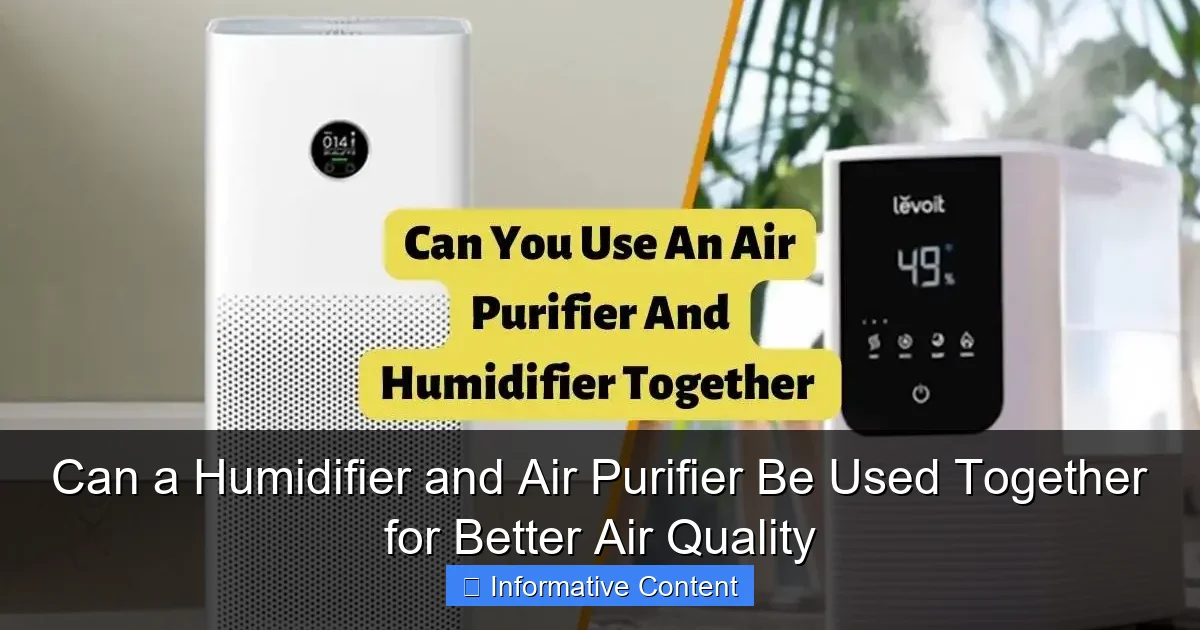
Featured image for can a humidifier and air purifier be used together
Image source: airsmartly.com
Yes, a humidifier and air purifier can—and should—be used together to significantly improve indoor air quality. While air purifiers remove pollutants like dust, allergens, and pathogens, humidifiers maintain optimal moisture levels to ease breathing and reduce irritation. Using both in tandem creates a healthier, more balanced environment, especially in dry or polluted spaces.
Key Takeaways
- Yes, they work together: Humidifiers and air purifiers complement each other for healthier indoor air.
- Place them apart: Keep devices 3-5 feet apart to avoid moisture damage to the purifier.
- Match humidity levels: Maintain 40-60% humidity to prevent mold and maximize purifier efficiency.
- Clean regularly: Prevent bacterial growth by sanitizing both devices weekly.
- Choose wisely: Opt for a purifier with a pre-filter to handle added humidity effectively.
📑 Table of Contents
- Can a Humidifier and Air Purifier Be Used Together for Better Air Quality
- Understanding How Humidifiers and Air Purifiers Work
- Benefits of Using a Humidifier and Air Purifier Together
- Potential Risks and How to Avoid Them
- Best Practices for Using Both Devices Together
- Real-World Examples and User Experiences
- Choosing the Right Devices for Your Needs
- Conclusion: Yes, You Can—and Should—Use Them Together
Can a Humidifier and Air Purifier Be Used Together for Better Air Quality
It’s a crisp winter morning, and you wake up with a dry throat, itchy skin, and that familiar tightness in your chest. You glance at your bedroom window—frosted over, sealing in the stale, dry air. You’ve tried everything: drinking more water, using lip balm, even hanging damp towels around the room. But nothing seems to help. Then you remember: you have both a humidifier and an air purifier sitting in the corner, unused for weeks. You wonder—could they work together to make your home feel fresher, healthier, and more comfortable?
You’re not alone. Many people struggle with indoor air quality, especially during extreme seasons. Dry winter air can sap moisture from your skin and respiratory system, while summer months often bring allergens, dust, and pollutants indoors. That’s where humidifiers and air purifiers come in. But here’s the big question: can a humidifier and air purifier be used together? The short answer is yes—but only if you understand how they work, what they do, and how to use them safely and effectively. In this guide, we’ll dive deep into why combining these two devices can dramatically improve your indoor air quality, how to do it right, and what pitfalls to avoid.
Understanding How Humidifiers and Air Purifiers Work
Before we explore whether these two devices can coexist, let’s break down what each one does—and how they differ. Think of them as two teammates on the same mission: improving your home’s air. But they play very different positions.
Visual guide about can a humidifier and air purifier be used together
Image source: aircaring.com
What Does a Humidifier Do?
A humidifier adds moisture to the air. It’s especially helpful in dry climates or during winter when indoor heating systems pull humidity from the air. Low humidity can cause a host of problems: dry skin, irritated sinuses, static electricity, and even increased susceptibility to colds and respiratory infections. By releasing water vapor into the room, a humidifier restores balance, making the air feel more comfortable and easier to breathe.
There are several types of humidifiers:
- Ultrasonic humidifiers: Use high-frequency vibrations to create a fine mist. They’re quiet and energy-efficient.
- Evaporative humidifiers: Use a fan to blow air through a wet wick or filter, naturally evaporating water into the air.
- Steam vaporizers: Heat water to produce steam. These are often used for medicinal purposes, like easing congestion.
- Impeller humidifiers: Use a rotating disk to fling water at a diffuser, breaking it into tiny droplets.
Each type has its pros and cons, but all aim to increase relative humidity levels—ideally between 30% and 50%, according to the EPA.
What Does an Air Purifier Do?
An air purifier, on the other hand, removes contaminants from the air. It doesn’t add moisture—it cleans. Whether it’s dust, pollen, pet dander, mold spores, smoke, or volatile organic compounds (VOCs), an air purifier traps or neutralizes these particles so you breathe cleaner air.
Most air purifiers use one or more of the following technologies:
- HEPA filters: Capture 99.97% of particles as small as 0.3 microns. These are the gold standard for allergen removal.
- Activated carbon filters: Absorb odors, smoke, and chemical fumes.
- UV-C light: Kills bacteria, viruses, and mold spores by disrupting their DNA.
- Electrostatic precipitators: Charge particles so they stick to plates inside the unit.
- Ozone generators: Produce ozone to neutralize pollutants—though these are controversial and not recommended for regular use due to health risks.
Unlike humidifiers, air purifiers don’t change the moisture content of the air. They simply clean it. So while a humidifier makes the air more comfortable to breathe, an air purifier makes it safer.
How They Complement Each Other
Now, here’s the key insight: humidifiers and air purifiers address different aspects of indoor air quality. One adds moisture; the other removes pollutants. When used together, they create a more balanced, healthier environment. For example, dry air can make your nasal passages more vulnerable to airborne irritants. By adding humidity, you support your body’s natural defenses. Meanwhile, the air purifier reduces the number of those irritants in the first place.
Think of it like this: a humidifier is like watering a garden—it helps everything thrive. An air purifier is like weeding—it removes the unwanted elements. Together, they help your indoor environment flourish.
Benefits of Using a Humidifier and Air Purifier Together
Now that we understand how each device works, let’s explore the real-world benefits of using them side by side. Spoiler: the results can be transformative—especially if you suffer from allergies, asthma, or dry indoor air.
Improved Respiratory Health
One of the most significant advantages is better breathing. Dry air can irritate the mucous membranes in your nose and throat, making you more susceptible to infections and worsening conditions like asthma or allergies. A humidifier helps keep these passages moist, reducing irritation and supporting your immune system.
Meanwhile, an air purifier removes the very particles that trigger respiratory issues. Pollen, dust mites, pet dander, and mold spores are common culprits. By filtering them out, you reduce the likelihood of sneezing, coughing, or wheezing—especially at night when you’re trying to sleep.
For example, imagine you’re a parent with a child who has seasonal allergies. During spring, pollen counts soar. Running an air purifier in their bedroom can significantly reduce airborne allergens. But if the air is also dry from indoor heating, their nasal passages may still feel raw. Adding a humidifier creates a more soothing environment, helping them breathe easier and sleep better.
Enhanced Skin and Hair Health
Low humidity doesn’t just affect your lungs—it dries out your skin and hair too. You might notice flaky skin, chapped lips, or frizzy hair during winter months. A humidifier adds moisture back into the air, which your skin can absorb, reducing dryness and irritation.
At the same time, an air purifier removes pollutants like smoke, dust, and chemicals that can clog pores or exacerbate skin conditions like eczema or acne. Cleaner air means healthier skin. Together, these devices create a more nurturing environment for your body’s largest organ.
Better Sleep Quality
Sleep is deeply affected by air quality. Dry air can cause snoring, mouth breathing, and frequent waking. Allergens can trigger nighttime coughing or congestion. By using a humidifier to maintain comfortable moisture levels and an air purifier to remove irritants, you create a sleep-friendly atmosphere.
Many people report falling asleep faster and staying asleep longer when both devices are running. One user shared that after setting up a humidifier and air purifier in their bedroom, they stopped waking up with a dry mouth and noticed fewer allergy symptoms in the morning.
Protection for Your Home and Belongings
It’s not just about health—your home benefits too. Dry air can damage wooden furniture, flooring, and musical instruments by causing them to crack or warp. A humidifier helps preserve these items by maintaining stable humidity levels.
Meanwhile, an air purifier reduces dust buildup on surfaces, meaning you’ll spend less time cleaning. It also helps prevent mold growth by removing spores from the air—especially important in damp areas like basements or bathrooms.
Together, they create a more stable, comfortable, and low-maintenance living space.
Potential Risks and How to Avoid Them
While the benefits are clear, using a humidifier and air purifier together isn’t without risks. If not used properly, these devices can actually make air quality worse. Let’s look at the most common pitfalls and how to avoid them.
Over-Humidification and Mold Growth
One of the biggest dangers is adding too much moisture. When humidity levels exceed 50–60%, you create a breeding ground for mold, mildew, and dust mites—ironically, the very things an air purifier is meant to remove.
For example, if you run a humidifier all night in a poorly ventilated room, condensation can form on walls or windows. Over time, this moisture can lead to mold growth behind walls or under carpets. Once mold takes hold, it releases spores into the air, which an air purifier may struggle to fully eliminate.
How to avoid it: Use a hygrometer (a device that measures humidity) to monitor levels. Keep indoor humidity between 30% and 50%. If you notice condensation on windows or a musty smell, reduce humidifier use or improve ventilation.
Mineral Dust from Humidifiers
If you use tap water in your humidifier, especially an ultrasonic model, you may release fine white dust into the air. This is caused by minerals like calcium and magnesium in hard water. While not toxic, this dust can settle on furniture and may irritate sensitive individuals.
An air purifier with a HEPA filter can capture some of this dust, but it’s not a complete solution. Over time, mineral buildup can also damage your humidifier and reduce its efficiency.
How to avoid it: Use distilled or demineralized water in your humidifier. This reduces mineral dust and extends the life of your device. Clean the humidifier regularly according to the manufacturer’s instructions.
Reduced Air Purifier Efficiency
High humidity can affect how well certain air purifiers work. For instance, electrostatic precipitators may become less effective in very moist air. Similarly, some filters can become clogged faster if they’re exposed to excess moisture.
Additionally, if your air purifier has a washable pre-filter, high humidity can cause it to stay damp longer, promoting mold or bacteria growth inside the unit.
How to avoid it: Keep humidity levels in check. If you notice your air purifier isn’t performing as well, check the filters and clean or replace them as needed. Avoid placing the humidifier directly next to the air purifier, as this can create localized high-humidity zones.
Ozone Concerns
Some air purifiers, particularly ionic or ozone-generating models, produce small amounts of ozone—a lung irritant. While the levels are usually low, combining them with a humidifier may increase the risk, especially in poorly ventilated spaces.
Ozone can react with moisture in the air to form other compounds, some of which may be harmful. For this reason, it’s best to avoid ozone-generating purifiers altogether, especially if you’re using a humidifier.
How to avoid it: Choose air purifiers that use HEPA and activated carbon filters instead of ionization or ozone. Look for certifications like CARB (California Air Resources Board) compliance, which ensures low ozone emissions.
Best Practices for Using Both Devices Together
Now that we’ve covered the risks, let’s talk about how to use a humidifier and air purifier together safely and effectively. With the right setup, you can enjoy the full benefits without the downsides.
Placement Matters
Where you place your devices can make a big difference. Avoid putting the humidifier and air purifier right next to each other. Why? The humidifier releases moisture into the air, and if the air purifier is too close, it may draw in overly moist air, potentially affecting its performance.
Instead, place them on opposite sides of the room or at least 3–5 feet apart. This allows the humidifier to distribute moisture evenly while giving the air purifier space to draw in and clean the air without interference.
Also, keep both devices elevated—on a table or stand—rather than on the floor. This improves airflow and ensures they’re working efficiently.
Timing and Scheduling
You don’t need to run both devices 24/7. In fact, overuse can lead to the problems we discussed earlier. Instead, use them strategically.
For example:
- Run the humidifier during dry months or when indoor heating is on, but only until humidity reaches 40–50%.
- Use the air purifier continuously if you have allergies or asthma, or during high-pollen seasons.
- Turn off the humidifier at night if you’re using a cool-mist model and sleeping in the same room—some people find the mist disruptive.
Many modern devices come with timers or smart features that let you schedule operation. Use these to automate your routine and avoid overuse.
Regular Maintenance Is Key
Both devices require regular cleaning to work properly and safely.
For humidifiers:
- Empty and rinse the tank daily.
- Clean the unit weekly with a vinegar solution to remove mineral buildup.
- Replace filters or wicks as recommended (usually every 1–3 months).
- Use distilled water to minimize deposits.
For air purifiers:
- Replace HEPA filters every 6–12 months, depending on usage.
- Clean pre-filters monthly.
- Wipe down the exterior to prevent dust buildup.
- Check for mold or mildew inside the unit, especially if used in high-humidity areas.
Neglecting maintenance can turn your devices from helpers into hazards. A dirty humidifier can breed bacteria, and a clogged air purifier won’t clean the air effectively.
Monitor Air Quality
Invest in a hygrometer to track humidity levels and an air quality monitor to check for pollutants. These tools give you real-time feedback so you can adjust your devices as needed.
For example, if your air quality monitor shows high particle levels, increase air purifier use. If your hygrometer reads above 50%, reduce humidifier output. This proactive approach ensures you’re always optimizing your indoor environment.
Real-World Examples and User Experiences
Let’s look at a few real-life scenarios where combining a humidifier and air purifier made a noticeable difference.
Case 1: The Allergy-Prone Family
The Johnsons live in a suburban home with two young children who have seasonal allergies. Every spring, their kids suffer from sneezing, itchy eyes, and congestion. They started using a HEPA air purifier in the living room and bedrooms. While it helped reduce symptoms, the kids still woke up with dry throats. After adding a cool-mist humidifier to each bedroom, they noticed a significant improvement. The children slept better, and allergy symptoms decreased. “It’s like we’re breathing easier all around,” said Mrs. Johnson.
Case 2: The Dry Climate Dweller
Mark lives in Arizona, where the air is extremely dry year-round. He struggled with static shocks, dry skin, and frequent nosebleeds. He bought an evaporative humidifier for his home office, where he spends 8 hours a day. But he also wanted cleaner air, so he added a HEPA air purifier. Now, he says his workspace feels “fresher and more comfortable.” He no longer needs to keep a bottle of water on his desk to moisten his throat.
Case 3: The Urban Apartment
Sarah lives in a city apartment near a busy street. Traffic pollution and dust were constant concerns. She used an air purifier with a carbon filter to remove odors and particles. But during winter, her apartment felt stuffy and dry. Adding a small ultrasonic humidifier helped balance the air. “I can actually breathe deeply now,” she said. “And my plants are thriving too!”
These stories show that when used correctly, humidifiers and air purifiers can work in harmony to create healthier, more comfortable homes.
Choosing the Right Devices for Your Needs
Not all humidifiers and air purifiers are created equal. To get the best results, choose models that suit your space, lifestyle, and health needs.
What to Look for in a Humidifier
- Room size coverage: Match the humidifier’s output to your room size. A small unit won’t effectively humidify a large bedroom.
- Humidistat: Built-in humidity sensors help maintain optimal levels automatically.
- Easy cleaning: Look for models with wide openings and removable parts.
- Quiet operation: Especially important for bedrooms.
- Safety features: Auto-shutoff when the tank is empty prevents damage.
What to Look for in an Air Purifier
- True HEPA filter: Ensures high-efficiency particle removal.
- CADR rating: Clean Air Delivery Rate indicates how quickly it cleans the air. Higher is better.
- Room size compatibility: Choose a model rated for your room’s square footage.
- Filter replacement cost: Some filters are expensive—factor this into your budget.
- Energy efficiency: Look for ENERGY STAR certification to save on electricity.
When shopping, read reviews and compare features. Don’t just go for the cheapest option—invest in quality devices that will last and perform well.
Conclusion: Yes, You Can—and Should—Use Them Together
So, can a humidifier and air purifier be used together? Absolutely. In fact, they’re better together. While each device addresses a different aspect of indoor air quality, their combined effect is greater than the sum of their parts. A humidifier adds comfort and supports your body’s natural defenses, while an air purifier removes harmful pollutants and allergens. Together, they create a healthier, more pleasant living environment.
But success depends on smart usage. Monitor humidity levels, maintain your devices, and place them correctly. Avoid over-humidifying, using tap water, or relying on ozone-generating purifiers. With the right setup, you’ll breathe easier, sleep better, and enjoy a home that feels truly fresh.
Whether you’re battling dry winter air, seasonal allergies, or urban pollution, combining a humidifier and air purifier is a simple, effective step toward better air quality. Your lungs—and your whole body—will thank you.
Frequently Asked Questions
Can a humidifier and air purifier be used together to improve indoor air quality?
Yes, using a humidifier and air purifier together can significantly enhance indoor air quality. The purifier removes airborne pollutants like dust and allergens, while the humidifier adds moisture to dry air, creating a more comfortable and healthier environment.
Is it safe to run a humidifier and air purifier in the same room?
Absolutely. These devices are designed to work independently and safely side-by-side. Just ensure proper placement—keep the humidifier’s mist output away from the purifier’s intake to avoid excess moisture affecting its performance.
Will using both a humidifier and air purifier together reduce their effectiveness?
Not if used correctly. Place them at least 3-5 feet apart to prevent humidity from interfering with the air purifier’s filters. This ensures both devices operate efficiently without compromising air quality.
Do I need both a humidifier and air purifier if I already have an HVAC system?
HVAC systems often lack targeted humidity control and advanced filtration. Pairing a humidifier and air purifier addresses dry air and microscopic pollutants more effectively, especially in extreme climates or allergy-prone households.
Can combining a humidifier and air purifier worsen mold or bacteria growth?
Only if the humidifier isn’t cleaned regularly. Use distilled water and follow maintenance schedules to prevent mold in the humidifier. A purifier with a HEPA filter will help capture any airborne mold spores.
Which should I use first: a humidifier or air purifier?
Order doesn’t matter—both can run simultaneously. For optimal air quality, use the air purifier to clean the air, then adjust humidity levels with the humidifier to maintain a 30-50% range.