
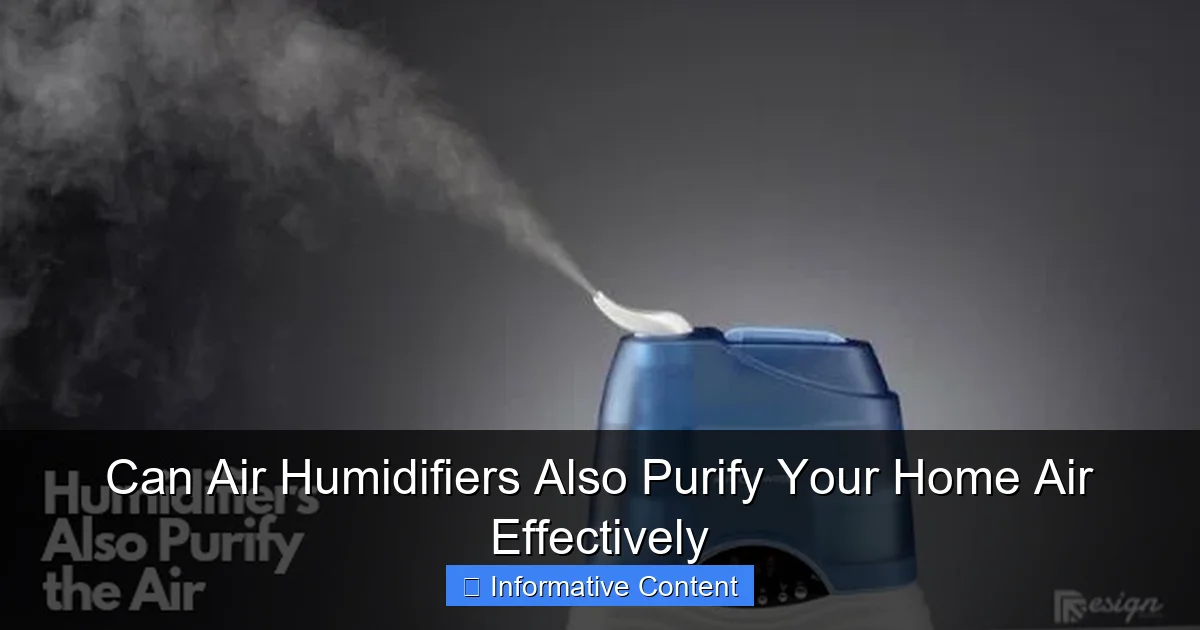
Featured image for can air humidifiers also purify
Image source: fergusonaction.com
Air humidifiers cannot effectively purify your home’s air—they add moisture but don’t remove pollutants like dust, allergens, or bacteria. While some models include filters or UV lights, they are not a substitute for true air purifiers designed to clean the air you breathe.
Key Takeaways
- Humidifiers don’t purify air: They add moisture but don’t remove pollutants or allergens effectively.
- Pair with air purifiers: Use both devices together for optimal humidity and clean air.
- Prevent mold growth: Maintain humidity below 50% to avoid worsening indoor air quality.
- Clean regularly: Dirty humidifiers can spread bacteria and worsen air quality.
- Choose ultrasonic models: They’re quieter but require distilled water to minimize airborne minerals.
- Monitor humidity levels: Use a hygrometer to maintain ideal 30-50% indoor humidity range.
📑 Table of Contents
- Can Air Humidifiers Also Purify Your Home Air Effectively
- Understanding How Air Humidifiers Work
- Do Humidifiers Remove Airborne Pollutants?
- Can Humidifiers Help with Allergies and Respiratory Issues?
- Can Humidifiers Reduce Odors or Smoke?
- Best Practices for Using Humidifiers Safely and Effectively
- Comparing Humidifiers and Air Purifiers: A Quick Reference
- Final Thoughts: Should You Rely on a Humidifier to Purify Your Air?
Can Air Humidifiers Also Purify Your Home Air Effectively
It’s a chilly winter morning, and you wake up with that familiar scratchy throat and dry, itchy skin. You glance over at your bedroom humidifier—still humming softly from last night—and wonder: “Is this thing actually helping, or just adding moisture to the air?” More importantly, you start to ask yourself: Can air humidifiers also purify the air in my home? After all, you bought it to ease your dry sinuses, but wouldn’t it be amazing if it could also tackle dust, allergens, or even odors?
You’re not alone in this curiosity. Many people assume that because a humidifier improves indoor air comfort, it must also clean the air. But here’s the truth: while humidifiers do play a valuable role in maintaining healthy indoor humidity levels, they are not designed to purify air in the way air purifiers are. That said, the relationship between humidity and air quality is more connected than you might think. In this post, we’ll dive deep into what humidifiers actually do, how they interact with airborne contaminants, and whether—under the right conditions—they can contribute to cleaner, healthier air in your home.
Understanding How Air Humidifiers Work
Before we can answer whether humidifiers purify air, we need to understand what they’re built to do. At their core, humidifiers are devices that add moisture to the air. They come in several types—ultrasonic, evaporative, steam vaporizers, and impeller models—but all share the same basic function: increasing relative humidity in indoor spaces.
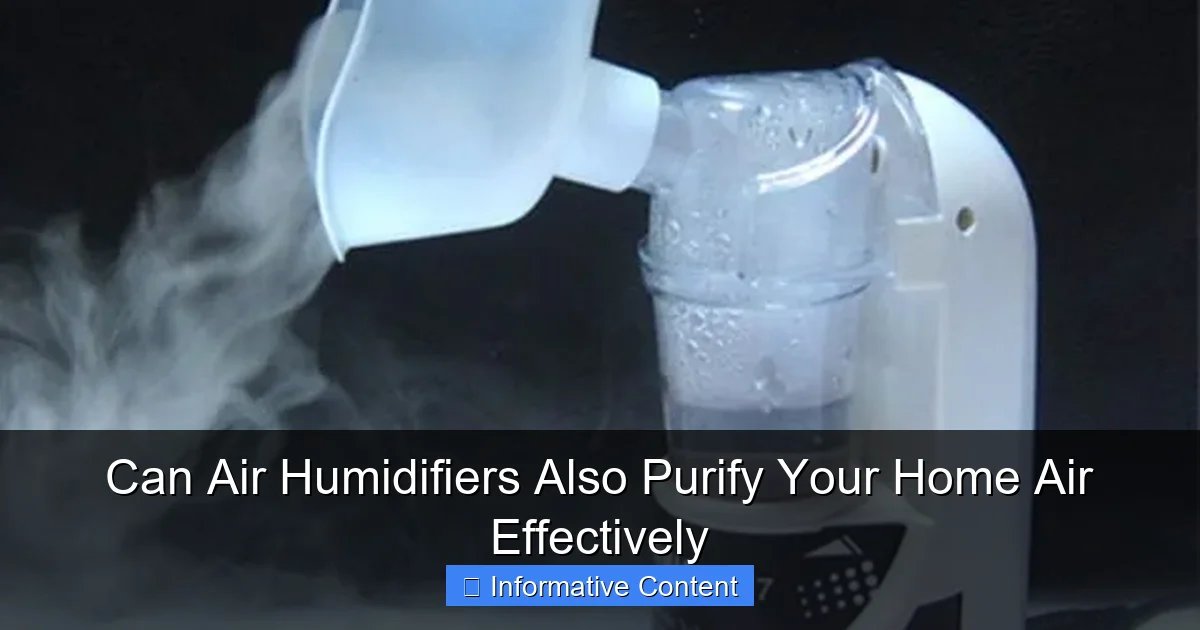
Visual guide about can air humidifiers also purify
Image source: fergusonaction.com
Types of Humidifiers and Their Mechanisms
Let’s break down the most common types so you can see how each one operates:
- Ultrasonic Humidifiers: These use high-frequency vibrations to create a fine mist of water droplets. They’re quiet, energy-efficient, and often come with built-in humidistats to regulate output. However, if you use tap water, they can release minerals into the air as white dust—more on that later.
- Evaporative Humidifiers: These work by blowing air through a wet wick or filter. The water evaporates naturally, adding humidity without producing mist. Because they rely on evaporation, they’re self-regulating—meaning they won’t over-humidify a room.
- Steam Vaporizers (or Warm Mist Humidifiers): These boil water to produce steam, which then cools slightly before being released into the room. They’re great for killing bacteria in the water reservoir, but they use more energy and can pose a burn risk if not handled carefully.
- Impeller Humidifiers: Similar to ultrasonic models, these use a rotating disk to fling water at a diffuser, breaking it into tiny droplets. They’re typically used in children’s rooms because they produce cool mist.
The Role of Humidity in Indoor Air Quality
So why does humidity matter? The ideal indoor relative humidity level is between 30% and 50%. When air is too dry (below 30%), it can cause respiratory irritation, dry skin, static electricity, and even damage wooden furniture. On the flip side, air that’s too humid (above 60%) can encourage mold growth, dust mite proliferation, and worsen allergies.
Humidifiers help maintain that sweet spot. By adding moisture, they make the air more comfortable to breathe—especially during winter months when heating systems dry out indoor air. But here’s the key point: adding moisture is not the same as removing pollutants. A humidifier doesn’t trap dust, neutralize odors, or capture airborne viruses. It simply changes the water content of the air.
Do Humidifiers Remove Airborne Pollutants?
This is where things get interesting—and a bit confusing. You might have heard claims that humidifiers can “clean” the air or reduce allergens. Let’s unpack that.
The Science Behind Humidity and Particle Behavior
Research shows that humidity levels can influence how airborne particles behave. For example, in very dry air, dust and allergens tend to stay suspended longer because there’s less moisture to weigh them down. When humidity increases slightly, some particles may absorb moisture, become heavier, and settle out of the air more quickly. This can reduce the amount of dust you breathe in—but it doesn’t eliminate the particles entirely. They’re still in your home, just on surfaces instead of floating around.
A 2020 study published in Indoor Air found that maintaining humidity between 40% and 60% reduced the survival rate of certain viruses, including influenza. This suggests that proper humidity can make your environment less hospitable to pathogens—but again, this is about creating unfavorable conditions, not actively removing contaminants.
Humidifiers vs. Air Purifiers: Key Differences
It’s important to distinguish between what humidifiers do and what air purifiers are designed for:
- Air Purifiers: Use filters (like HEPA), UV light, or ionization to capture or neutralize pollutants such as pollen, pet dander, smoke, mold spores, and bacteria. They actively clean the air.
- Humidifiers: Add moisture to the air. They do not filter, trap, or destroy airborne contaminants. In fact, if not maintained properly, they can worsen air quality by promoting mold or bacteria growth in the water tank.
Think of it this way: an air purifier is like a vacuum cleaner for your air—it sucks in dirty air and returns clean air. A humidifier is more like a sprinkler system—it adds water vapor but doesn’t clean anything.
Can Humidifiers Help with Allergies and Respiratory Issues?
Now, let’s address a common misconception: many people believe humidifiers reduce allergy symptoms. And in some cases, they can—but not because they purify the air.
How Proper Humidity Eases Respiratory Discomfort
Dry air can irritate the mucous membranes in your nose and throat, making you more susceptible to infections and worsening conditions like asthma or allergies. By adding moisture, humidifiers can soothe irritated airways, reduce coughing, and make breathing easier—especially at night.
For example, if you suffer from seasonal allergies, a humidifier might help relieve nasal congestion and dryness caused by antihistamines or indoor heating. But it won’t remove the pollen or dust mites triggering your symptoms. That’s where an air purifier comes in.
When Humidifiers Can Make Allergies Worse
Here’s the catch: if your humidifier isn’t cleaned regularly, it can become a breeding ground for mold, bacteria, and mildew. These microorganisms can then be dispersed into the air as a fine mist—especially in ultrasonic models. Breathing in contaminated mist can trigger or worsen allergic reactions, asthma attacks, or even cause “humidifier lung,” a rare but serious condition caused by inhaling mold spores.
Additionally, if you over-humidify your space (pushing humidity above 60%), you create an ideal environment for dust mites and mold to thrive. These are common allergens, so instead of helping, your humidifier could be making your symptoms worse.
Pro Tip: Always use distilled or demineralized water in your humidifier to reduce mineral buildup and white dust. Clean it at least once a week with vinegar or a manufacturer-recommended solution. And never let the water sit for more than 24 hours without changing it.
Can Humidifiers Reduce Odors or Smoke?
Another question people often ask: “Will a humidifier get rid of cooking smells or cigarette smoke?” The short answer is no—not directly.
Why Humidifiers Don’t Eliminate Odors
Odors are caused by volatile organic compounds (VOCs) and other airborne molecules. Humidifiers don’t have any mechanism to absorb, break down, or trap these particles. Adding moisture to the air won’t neutralize the smell of last night’s garlic pasta or lingering smoke.
However, there’s an indirect effect: in very dry air, odors can seem more intense because dry nasal passages are less effective at filtering smells. By increasing humidity, you might perceive odors as less overpowering. But the smell is still there—it’s just less noticeable.
What Actually Works for Odor Removal?
If you’re dealing with persistent odors, consider these alternatives:
- Activated Carbon Filters: Found in many air purifiers, these absorb odors and VOCs effectively.
- Ventilation: Open windows or use exhaust fans to let fresh air circulate.
- Baking Soda or Vinegar: Place bowls of baking soda or white vinegar in problem areas to absorb odors naturally.
- Regular Cleaning: Wash fabrics, vacuum with a HEPA filter, and clean surfaces to remove odor sources.
Bottom line: a humidifier might make your home feel fresher by easing dryness, but it won’t eliminate odors. For that, you need targeted odor-control solutions.
Best Practices for Using Humidifiers Safely and Effectively
Even though humidifiers don’t purify air, they’re still valuable tools for improving comfort and health—when used correctly. Here’s how to get the most out of yours without compromising air quality.
Maintain Proper Humidity Levels
Use a hygrometer (a small, inexpensive device that measures humidity) to monitor indoor levels. Aim for 30% to 50% relative humidity. In winter, you might need to run your humidifier more often. In summer or humid climates, you may not need it at all.
Signs of over-humidification include condensation on windows, musty smells, or mold growth on walls. If you notice these, reduce humidifier use or run a dehumidifier instead.
Clean Your Humidifier Regularly
Follow the manufacturer’s cleaning instructions, but as a general rule:
- Empty and rinse the tank daily.
- Clean with a vinegar solution or mild bleach (1 tsp per gallon of water) weekly.
- Replace filters or wicks as recommended (usually every 1–3 months).
- Never let water sit in the tank for more than 24 hours.
Think of your humidifier like a coffee maker—regular maintenance prevents buildup and keeps it running safely.
Choose the Right Water
Tap water contains minerals that can create white dust (calcium carbonate) and promote bacterial growth. Use distilled or demineralized water to minimize these issues. Some humidifiers come with built-in demineralization cartridges—use them!
Combine with an Air Purifier for Best Results
If you’re serious about improving indoor air quality, consider using a humidifier and an air purifier together. The humidifier keeps your air comfortable and your respiratory system happy, while the purifier removes allergens, pollutants, and odors.
For example, place a HEPA air purifier in your bedroom to capture dust and pollen while you sleep, and use a humidifier in the living room during winter to combat dryness. They complement each other—neither replaces the other.
Comparing Humidifiers and Air Purifiers: A Quick Reference
| Feature | Humidifier | Air Purifier |
|---|---|---|
| Primary Function | Adds moisture to the air | Removes airborne pollutants |
| Improves Air Quality? | Indirectly (via comfort and virus reduction) | Yes (directly removes contaminants) |
| Reduces Allergens? | No (may worsen if mold grows) | Yes (especially HEPA models) |
| Eliminates Odors? | No | Yes (with activated carbon filter) |
| Ideal Humidity Level | 30%–50% | N/A |
| Maintenance Required | Daily rinsing, weekly deep clean | Filter replacement every 6–12 months |
| Best For | Dry climates, winter months, respiratory comfort | Allergies, asthma, smoke, pets, urban areas |
Final Thoughts: Should You Rely on a Humidifier to Purify Your Air?
So, can air humidifiers also purify your home air effectively? The honest answer is: not really. While they play a crucial role in maintaining comfortable humidity levels and can indirectly support better air quality by reducing virus survival and easing respiratory discomfort, they do not remove pollutants, allergens, or odors from the air.
Think of a humidifier as a supportive teammate, not the star player. It helps create a healthier environment, but it can’t do the heavy lifting when it comes to cleaning the air. For that, you need an air purifier—or better yet, a combination of both devices working together.
If you’re dealing with dry air, a humidifier is a smart investment. But if your main goal is cleaner, fresher air free from dust, pollen, or smoke, pair it with a quality air purifier. And remember: no matter which device you use, regular maintenance is key. A dirty humidifier or a clogged air filter can do more harm than good.
In the end, the healthiest homes aren’t just about one gadget—they’re about balance. Keep your air comfortably moist, your filters clean, and your space well-ventilated. Your lungs (and your skin) will thank you.
Frequently Asked Questions
Can air humidifiers also purify the air in my home?
Most standard air humidifiers are not designed to purify air—they only add moisture. However, some advanced models combine humidification with built-in air purifiers (like HEPA filters) to remove allergens and particles.
How do air humidifiers with purification features work?
These hybrid units use separate systems: a humidifier adds moisture while a built-in air purifier (e.g., HEPA, UV-C, or ionizer) captures pollutants. The keyword “air humidifiers also purify” applies only to these dual-function models.
Do humidifiers remove viruses or bacteria from the air?
Regular humidifiers don’t filter pathogens, but humidifiers with UV-C light or antimicrobial filters can reduce airborne bacteria and viruses. Always check the product specifications for purification capabilities.
Are evaporative humidifiers better for air purification?
Evaporative humidifiers use a wick filter to trap some minerals and particles, offering mild air cleaning. However, they aren’t as effective as dedicated air purifiers for removing allergens or pollutants.
Can a humidifier worsen indoor air quality?
If not cleaned regularly, humidifiers can disperse mold, bacteria, and minerals into the air. Using distilled water and cleaning weekly helps maintain air quality when using air humidifiers.
Which humidifier type is best if I want to also purify air?
Look for hybrid models labeled as “air humidifiers also purify” with HEPA filters, activated carbon, or UV-C technology. These provide both moisture and effective air purification in one unit.