

Featured image for can air purifier filter be washed
Image source: i.redd.it
Most air purifier filters cannot be washed—water damage can ruin HEPA and carbon filters, reducing efficiency or creating mold risks. Only specific reusable or pre-filters labeled as washable should be cleaned gently with water, while others require regular replacement for optimal performance.
Key Takeaways
- Check your manual first: Always verify if your filter is washable before cleaning.
- Wash only reusable filters: Never wash HEPA or carbon filters—replace them instead.
- Use mild soap and water: Gently clean washable filters to avoid damage.
- Dry thoroughly before reuse: Prevent mold by ensuring filters are 100% dry.
- Clean every 3-6 months: Maintain efficiency with regular, gentle washing.
- Replace damaged filters: Discard any cracked or worn washable filters immediately.
📑 Table of Contents
- Can Air Purifier Filter Be Washed? Find Out Here
- Understanding the Different Types of Air Purifier Filters
- Filters You Can Safely Wash (And How to Do It)
- Filters You Should NEVER Wash (And Why)
- How to Extend Your Filter’s Lifespan (Without Washing)
- Data Table: Washable vs. Non-Washable Filters at a Glance
- Final Thoughts: To Wash or Not to Wash?
Can Air Purifier Filter Be Washed? Find Out Here
Imagine this: You’ve been running your air purifier religiously for months, trying to keep your home free of dust, pet dander, and seasonal allergies. One day, you notice it’s not working as well. The air feels stuffy, and the fan sounds louder than usual. You check the manual, and it says it’s time to replace the filter. But wait—can you just wash it instead? It seems like a simple fix, right? After all, washing things to reuse them is part of our daily lives. But when it comes to air purifier filters, the answer isn’t so straightforward.
Air purifiers are a lifesaver for many, especially those with allergies, asthma, or pets. They quietly hum in the background, capturing pollutants and improving indoor air quality. But over time, filters get clogged, and replacements can be costly. This leads to the common question: *Can air purifier filter be washed?* The short answer? It depends. Not all filters are designed for water, and washing the wrong one can do more harm than good. In this guide, we’ll break down everything you need to know—what types of filters can be cleaned, which ones should never see water, and how to maintain your purifier for long-term performance. Let’s dive in!
Understanding the Different Types of Air Purifier Filters
Why Filter Type Matters
Not all air purifier filters are created equal. Each type is designed for specific pollutants and has its own maintenance needs. Knowing the difference is the first step to answering whether your filter can be washed. Think of it like laundry: You wouldn’t wash a silk blouse the same way you’d clean a cotton T-shirt. The same logic applies here.
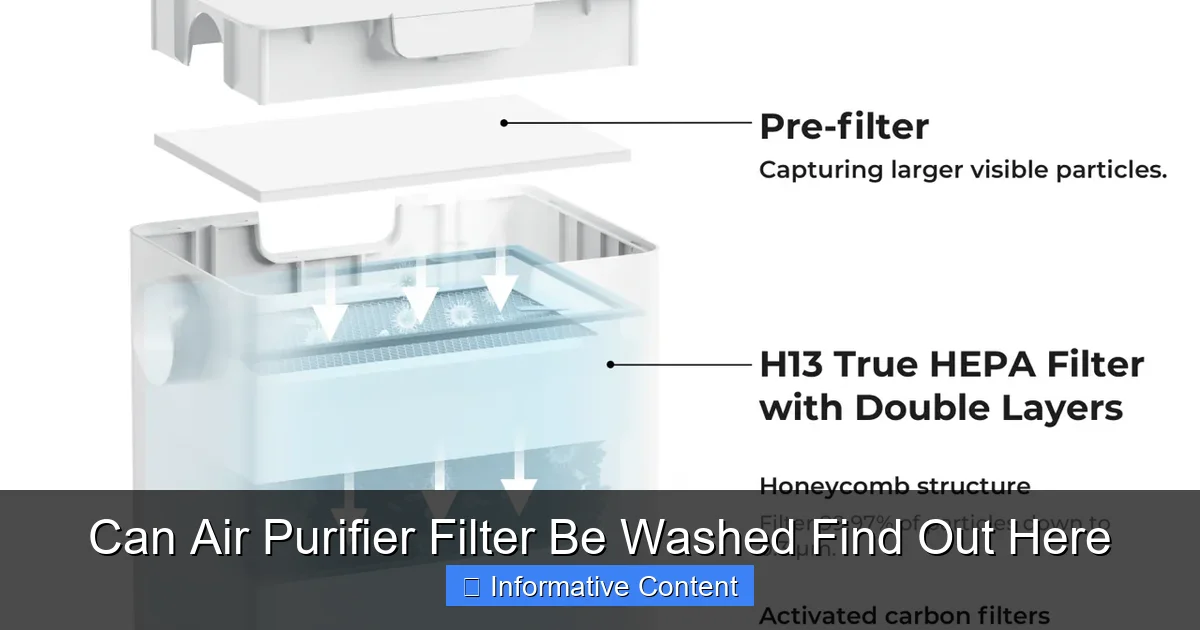
Visual guide about can air purifier filter be washed
Image source: xtool.com
Common Air Purifier Filter Types
Here are the most common filters you’ll find, along with their washability:
- Pre-filters (Washable): These are the first line of defense, catching large particles like dust, hair, and pet fur. Many are made from foam or mesh and are designed to be washed. For example, the pre-filter in the Winix 5500-2 can be rinsed monthly.
- Activated Carbon Filters (Not Washable): These absorb odors, gases, and VOCs (volatile organic compounds). The carbon granules can’t be restored with water—they lose effectiveness once saturated. Washing them would ruin the structure.
- HEPA Filters (Not Washable): HEPA (High-Efficiency Particulate Air) filters trap tiny particles like pollen, mold spores, and smoke. They’re made of delicate fiberglass or synthetic fibers. Water damages the fibers, reducing efficiency or destroying the filter entirely.
- Ionizers (Not Filters, But Often Included): Some purifiers use ionizers instead of filters. These don’t catch particles—they charge them so they stick to surfaces. They’re not washable but may have washable collection plates (check your model).
- Washable/Electrostatic Filters (Rare): A few older models use reusable electrostatic filters, which attract particles via static electricity. These can be rinsed, but they’re less common today.
Pro Tip: Always check your purifier’s manual. Look for terms like “washable,” “reusable,” or “clean with water.” If it says “replace every 6 months,” assume it’s not washable.
Filters You Can Safely Wash (And How to Do It)
When Washing Is a Good Idea
If your purifier has a washable pre-filter or electrostatic filter, cleaning it is a great way to save money and reduce waste. These filters are built to handle moisture and can last years with proper care. For example, the Honeywell HFD-120-Q has a permanent pre-filter that users rinse every 2-3 months.
Step-by-Step Guide to Washing Washable Filters
Follow these steps to clean your filter safely:
- Turn Off & Unplug the Purifier: Safety first! Never handle the purifier while it’s running or plugged in.
- Remove the Filter: Open the purifier’s cover and gently pull out the filter. Note how it’s positioned so you can reinsert it correctly.
- Rinse Under Running Water: Use cool or lukewarm water. Hold the filter under the tap, letting water flow through it. Avoid high-pressure hoses—they can damage the mesh or foam.
- Use Mild Soap (If Needed): For stubborn grime, add a drop of dish soap. Gently rub with your fingers (no brushes or sponges—they’re too abrasive).
- Rinse Thoroughly: Ensure all soap is gone. Leftover residue can affect air quality.
- Dry Completely: This is critical. Lay the filter flat on a towel, away from direct sunlight or heat sources. Drying takes 24-48 hours. A damp filter can grow mold or damage your purifier.
- Reinsert & Test: Once bone-dry, slide the filter back in. Run the purifier for a few minutes to ensure it’s working properly.
Real-Life Example: A friend of mine with two cats washes her purifier’s pre-filter every 6 weeks. She says it’s “like giving the purifier a spa day” and keeps her home smelling fresh.
How Often to Wash
- Light Use (1-2 hours/day): Every 2-3 months.
- Moderate Use (4-8 hours/day): Every 6-8 weeks.
- Heavy Use (24/7, pets, allergies): Every 4-6 weeks.
Filters You Should NEVER Wash (And Why)
The Risks of Washing Non-Washable Filters
Washing the wrong filter can turn your air purifier into a liability. Here’s why:
- HEPA Filters: Water breaks down the delicate fibers, creating gaps. Particles slip through, and the filter’s efficiency plummets. A study by the EPA found that wet HEPA filters lose up to 80% of their effectiveness.
- Activated Carbon Filters: Water washes away the carbon’s porous structure. Even if it dries, it can’t absorb odors or gases anymore. You’re left with a useless filter.
- Composite Filters (HEPA + Carbon): Many modern purifiers combine HEPA and carbon layers. Water damages both, rendering the filter ineffective.
Signs You’ve Accidentally Washed the Wrong Filter
If you’ve washed a non-washable filter, watch for these red flags:
- The purifier makes a louder noise (clogged or damaged fibers).
- You smell musty or moldy odors (damp fibers promote mold growth).
- Allergy symptoms return (particles aren’t being trapped).
- Visible damage (cracks, tears, or sagging in the filter).
Anecdote: A neighbor once washed her HEPA filter, thinking it would save money. Within weeks, her asthma worsened. She replaced it and saw immediate improvement—proof that cutting corners can backfire.
What to Do Instead
For non-washable filters, focus on maintenance, not cleaning:
- Vacuum the Pre-filter: Use a brush attachment to remove surface dust monthly.
- Check Manufacturer Recommendations: Most HEPA filters need replacing every 6-12 months. Carbon filters last 3-6 months.
- Use a Replacement Schedule: Set a phone reminder to avoid forgetting.
How to Extend Your Filter’s Lifespan (Without Washing)
Smart Habits for Longer-Lasting Filters
You don’t need to wash a filter to keep it effective. These habits can add months to its life:
- Vacuum the Room: Less dust in the air means less strain on the filter. Vacuum carpets and furniture weekly.
- Change HVAC Filters: Your home’s HVAC system has its own filter. Replace it every 1-3 months to reduce the load on your purifier.
- Use a Pre-filter: If your purifier lacks one, add a standalone pre-filter (like the LEVOIT Core 300’s washable pre-filter) to catch large particles.
- Keep Windows Closed: During high pollen or pollution days, close windows to reduce airborne particles.
- Run the Purifier on Low: Constant high-speed use wears out filters faster. Use “sleep mode” or “auto mode” when possible.
When to Replace (Even If It Looks Clean)
Filters don’t have to look dirty to be ineffective. Replace based on:
- Time: Follow the manual’s timeline (e.g., HEPA every 12 months).
- Performance: If allergies return or air feels stale, it’s time.
- Odor: A musty smell signals mold growth—replace immediately.
Pro Tip: Track Filter Age
Write the installation date on the filter with a marker, or use a phone app like FilterTime to get replacement reminders.
Data Table: Washable vs. Non-Washable Filters at a Glance
| Filter Type | Washable? | Lifespan | Maintenance Tips | Replacement Cost (Avg.) |
|---|---|---|---|---|
| Pre-filter (foam/mesh) | ✅ Yes | 2-5 years | Rinse with water every 1-3 months. Air-dry completely. | $0 (washable) |
| Activated Carbon | ❌ No | 3-6 months | Replace on schedule. Vacuum pre-filter to reduce load. | $20-$50 |
| HEPA (standard) | ❌ No | 6-12 months | Vacuum surface. Replace if damaged or smelly. | $30-$80 |
| Electrostatic (rare) | ✅ Yes | 5+ years | Rinse with water. Avoid soap if possible. | $0 (washable) |
| Composite (HEPA + Carbon) | ❌ No | 6-12 months | Replace as a unit. No partial cleaning. | $40-$100 |
Note: Costs vary by brand and model. Check your purifier’s manual for exact specs.
Final Thoughts: To Wash or Not to Wash?
So, can air purifier filter be washed? The answer is a resounding *maybe*. If you have a washable pre-filter or electrostatic filter, cleaning it is a smart, eco-friendly move. But for HEPA, carbon, or composite filters, water is the enemy. Washing them can shorten their lifespan, reduce efficiency, and even harm your health.
Here’s the bottom line: Always check your manual first. If it doesn’t say “washable,” assume it’s not. When in doubt, contact the manufacturer. And remember, maintenance isn’t just about washing—it’s about vacuuming, replacing on time, and creating habits that keep your purifier (and your air) in top shape.
Air purifiers are an investment in your health. By understanding your filter type and caring for it properly, you’ll save money, reduce waste, and breathe easier. Whether you’re a pet owner, allergy sufferer, or just someone who wants cleaner air, taking a few minutes to care for your purifier can make a world of difference. So go ahead—check your filter, follow these tips, and let your purifier keep doing its quiet, life-changing work.
Frequently Asked Questions
Can air purifier filter be washed and reused?
It depends on the type of filter. Washable filters, like some HEPA or foam pre-filters, can be rinsed with water and reused, but most HEPA and carbon filters are not washable and must be replaced.
How do I know if my air purifier filter is washable?
Check your air purifier’s user manual or the filter label—washable filters are usually labeled as reusable or rinseable. If it’s not specified, it’s safer to assume it’s not washable.
Can I wash a HEPA filter in my air purifier?
Most true HEPA filters cannot be washed because water damages the delicate fibers. However, some hybrid or washable HEPA-type filters can be gently rinsed—always confirm with the manufacturer first.
What happens if I wash a non-washable air purifier filter?
Washing a non-washable filter can ruin its structure, reduce efficiency, or cause mold growth. This may lead to poor air quality and potential damage to your air purifier.
How often should I clean a washable air purifier filter?
Washable filters should typically be cleaned every 1–3 months, depending on usage and air quality. Regular cleaning maintains performance and extends the filter’s lifespan.
Can I use soap to clean a washable air purifier filter?
Yes, but only mild soap and water—avoid harsh chemicals. Rinse thoroughly and let the filter dry completely before reinstalling to prevent moisture buildup and bacterial growth.