
Featured image for can air purifier filters be cleaned
Image source: paintdenver.com
Most air purifier filters cannot be safely cleaned and reused, as washing or vacuuming can damage their delicate fibers and reduce effectiveness. Only reusable filters labeled as washable—typically pre-filters or certain HEPA-type models—can be gently cleaned according to manufacturer instructions, but even then, frequent replacement is recommended for optimal air quality.
Key Takeaways
- Only reusable filters can be cleaned: Check manufacturer guidelines before attempting to clean any filter.
- Vacuum pre-filters regularly: Extend lifespan by removing dust and debris between washes.
- Wash with mild soap and water: Gently clean reusable filters, avoiding harsh chemicals or scrubbing.
- Never clean HEPA filters: Water or vacuuming damages fibers, reducing efficiency and air quality.
- Dry completely before reuse: Prevent mold and ensure optimal performance after cleaning.
- Replace non-reusable filters: Standard filters degrade when cleaned and must be replaced.
- Track maintenance schedules: Mark cleaning/replacement dates to maintain air purifier effectiveness.
📑 Table of Contents
- Can Air Purifier Filters Be Cleaned and Reused Safely?
- Understanding the Types of Air Purifier Filters
- When Is It Safe to Clean a Filter?
- Step-by-Step: How to Clean Cleanable Filters
- Risks of Cleaning the Wrong Filters
- Smart Tips to Extend Filter Life (Without Risking Safety)
- Data Table: Filter Cleaning Guide by Type
- Final Thoughts: Cleaning Filters Safely Is About Balance
Can Air Purifier Filters Be Cleaned and Reused Safely?
Let’s be honest — air purifiers are a game-changer, especially if you’re dealing with allergies, pet dander, or just want fresher indoor air. I remember the first time I turned mine on after moving into a new apartment. Within hours, the air felt lighter, my sneezing dropped, and I could actually *breathe* at night. But then came the inevitable: the filter replacement light blinked red. Cue the panic. “Do I really need to buy a new filter every few months?” I asked myself. “Can’t I just… clean it?”
That’s the question on so many people’s minds: can air purifier filters be cleaned and reused safely? The short answer? It depends. Not all filters are created equal, and some can be cleaned without a problem — while others, if tampered with, can actually make your air quality worse. In this post, I’ll walk you through what you need to know about cleaning air purifier filters, when it’s safe to do so, and how to extend the life of your filter without risking your health or the performance of your machine. Think of this as a friendly, no-nonsense guide from one air purifier owner to another.
Understanding the Types of Air Purifier Filters
Before you grab a vacuum or a hose, it’s crucial to know *what kind* of filter you’re dealing with. Air purifiers use different types of filters, and each has its own cleaning rules. Think of it like laundry — you wouldn’t wash a delicate silk blouse the same way you’d clean a denim jacket. Same goes for filters.
Visual guide about can air purifier filters be cleaned
Image source: i.ytimg.com
HEPA Filters: The Gold Standard
HEPA stands for High-Efficiency Particulate Air. These filters are the MVPs of air purification, capturing at least 99.97% of particles as small as 0.3 microns — including dust, pollen, mold spores, and even some bacteria. If your purifier has a “True HEPA” label, you’re in good hands.
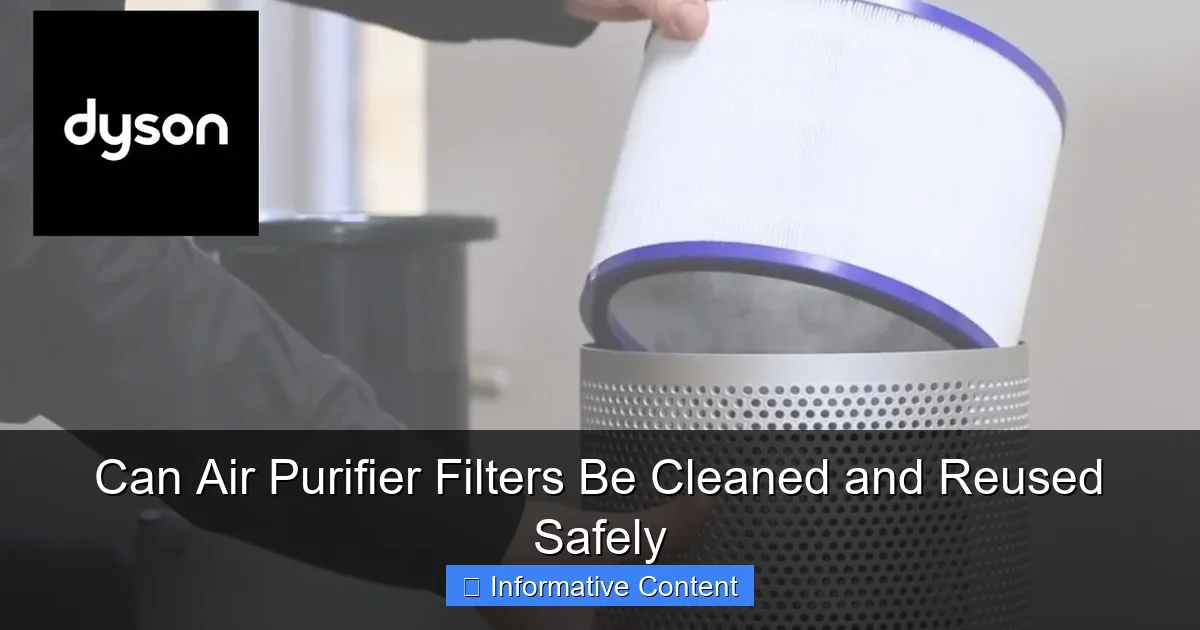
Here’s the catch: HEPA filters should not be washed with water. They’re made of tightly woven glass fibers or synthetic materials. Water, moisture, or even heavy vacuuming can damage the delicate structure, reducing efficiency and potentially releasing trapped particles back into the air.
Real-life example: A friend of mine once soaked his HEPA filter in soapy water, thinking it would “deep clean” it. The result? The filter collapsed, airflow dropped by 60%, and his purifier started making a weird grinding noise. Not ideal.
Pre-Filters: The First Line of Defense
Pre-filters are usually the outermost layer in most air purifiers. They catch larger particles like pet hair, lint, and dust. These are often made of foam or mesh and are designed to be cleanable and reusable — sometimes even washable.
Most pre-filters can be gently vacuumed or rinsed under cool water. Some even come with a washable frame. Just make sure it’s completely dry before reinstalling — moisture can lead to mold growth inside the unit.
Activated Carbon Filters: The Odor Busters
Carbon filters absorb gases, odors, smoke, and volatile organic compounds (VOCs). They’re great for kitchens, pet areas, or homes near busy roads. Unlike HEPA filters, carbon filters don’t have a physical mesh — they’re made of porous carbon granules or cloth.
The bad news? Carbon filters cannot be effectively cleaned. Once the carbon is saturated, it can’t absorb more pollutants. Vacuuming or washing won’t revive it — you’ll just end up with a damp, ineffective filter that might start smelling worse than before.
Electrostatic and Washable Filters
Some budget air purifiers come with electrostatic or “washable” filters. These use static charge to trap particles and are often marketed as “maintenance-free” or “reusable.” While they *can* be rinsed, their performance drops significantly over time. Studies show that after 3–5 cleanings, electrostatic filters lose up to 50% of their efficiency.
Also, they’re not HEPA-grade. They might trap some dust, but they’re not great for allergens or fine particles. If you have asthma or allergies, these are not a safe long-term solution — even if they’re technically “cleanable.”
When Is It Safe to Clean a Filter?
So, when can you actually clean a filter without risking damage or reduced performance? The answer lies in the filter type, the manufacturer’s instructions, and the level of contamination.
Follow the Manufacturer’s Guidelines
This is rule #1. Always check your air purifier’s manual. Some brands, like Coway or Winix, have specific cleaning instructions for pre-filters. Others, like Dyson or Blueair, clearly state that their HEPA and carbon filters are not washable and should be replaced.
For example, the Winix 5500-2 has a washable pre-filter and a permanent HEPA filter that can be vacuumed (but not wet). Meanwhile, the Dyson Pure Cool uses sealed HEPA and carbon filters that are 100% non-washable.
Ignoring the manual can void your warranty — and more importantly, it can reduce your purifier’s effectiveness. I learned this the hard way when I tried to “refresh” a Dyson filter with a damp cloth. The unit started overheating, and I ended up replacing it under warranty. Lesson learned.
Assess the Filter’s Condition
Not all dirty filters are candidates for cleaning. Ask yourself:
- Is the filter covered in visible dust, hair, or debris?
- Does it smell musty, smoky, or sour?
- Has the airflow from the purifier noticeably decreased?
- Is it past the recommended lifespan (usually 6–12 months for HEPA)?
If you answered “yes” to the first two, a light cleaning *might* help — but only if it’s a pre-filter. If it’s a HEPA or carbon filter, or if it’s past its lifespan, it’s time to replace it. A “cleaned” old filter is still old — and old filters lose their ability to trap particles efficiently.
Know the Limits of Cleaning
Even cleanable filters have limits. For example:
- A vacuumed HEPA filter might look better, but it won’t restore its original efficiency.
- A washed pre-filter can be reused, but it may not last as long as a new one.
- Carbon filters can’t be “recharged” by sunlight or baking — that’s a myth. Once saturated, they’re done.
Think of it like a sponge: you can squeeze out water, but after a while, it won’t absorb as much. Same with filters.
Step-by-Step: How to Clean Cleanable Filters
If you’ve determined your filter *can* be cleaned, here’s how to do it safely and effectively. I’ll walk you through the process using real-world examples and practical tips.
Cleaning a Washable Pre-Filter
This is the most common cleanable filter. Here’s how:
- Turn off and unplug the air purifier. Safety first!
- Remove the pre-filter. It’s usually the outer mesh or foam layer.
- Gently vacuum the filter with a brush attachment to remove loose dust and hair.
- If it’s really dirty, rinse it under cool running water. Avoid hot water — it can warp the material.
- Use a mild detergent if needed, but rinse thoroughly. No soap residue!
- Shake off excess water, then air-dry completely — at least 24 hours. Never reinstall a wet filter.
- Once dry, reinsert it and turn the purifier back on.
Tip: I keep a spare pre-filter so I can rotate them. While one dries, the other is in use. Saves me from running the purifier without a pre-filter (which can clog the HEPA faster).
Vacuuming a HEPA Filter (When Allowed)
Some manufacturers allow light vacuuming of HEPA filters — but only with a soft brush attachment and low suction. Never use water or compressed air.
- Remove the HEPA filter carefully. Avoid touching the pleated surface.
- Use a vacuum with a brush attachment. Gently go over both sides in short strokes.
- Focus on the outer layers — don’t press hard. The goal is to remove surface dust, not dig deep.
- Inspect for damage. If you see tears, holes, or collapsed pleats, replace it.
Note: This only extends the life slightly — maybe an extra month or two. It’s not a substitute for replacement.
What NOT to Do
- Don’t soak HEPA or carbon filters.
- Don’t use bleach, ammonia, or strong cleaners.
- Don’t use a hairdryer or heat to speed up drying — it can damage materials.
- Don’t ignore mold or mildew. If the filter smells musty or shows black spots, it’s contaminated and should be replaced.
Risks of Cleaning the Wrong Filters
Cleaning the wrong filter — or cleaning it the wrong way — can do more harm than good. Here’s what you risk:
Reduced Air Purification Efficiency
A damaged or improperly cleaned filter can’t trap particles effectively. For example, a water-damaged HEPA filter may let dust and allergens pass through, defeating the purpose of having an air purifier. In one study, researchers found that wet-cleaned HEPA filters captured up to 30% fewer particles than new ones.
Release of Trapped Pollutants
Filters don’t destroy particles — they trap them. When you clean a saturated filter, especially with water or vigorous vacuuming, you risk releasing those trapped allergens, mold spores, or VOCs back into your air. This is especially dangerous for people with asthma or respiratory conditions.
Mold and Bacteria Growth
Moisture is a filter’s worst enemy. A damp pre-filter or carbon filter can become a breeding ground for mold and bacteria. These microbes can then be blown back into your room, causing health issues. I once had a musty smell coming from my purifier — turned out the pre-filter hadn’t dried completely after washing. Yikes.
Damage to the Air Purifier
Reinserting a wet or damaged filter can strain the motor, reduce airflow, and even cause electrical issues. Some purifiers have sensors that detect filter integrity — a compromised filter might trigger false alarms or shut down the unit.
Pro tip: If your purifier has a filter reset button, don’t press it after cleaning a non-washable filter. The sensor will think a new filter is in place, but the performance won’t match — leading to poor air quality.
Smart Tips to Extend Filter Life (Without Risking Safety)
You don’t have to replace filters every few months if you take care of them properly. Here are some safe, practical ways to extend their lifespan — without compromising air quality.
Use a Vacuum Regularly
Dust and pet hair are the #1 cause of pre-filter clogging. Vacuuming your floors, furniture, and rugs 2–3 times a week reduces the load on your purifier. I use a robot vacuum daily and a HEPA-filtered upright twice a week — it’s cut my pre-filter cleaning frequency in half.
Change Filters Based on Usage, Not Just Time
Most manufacturers recommend replacing HEPA filters every 6–12 months. But that’s a general guideline. If you live in a dusty area, have pets, or run the purifier 24/7, it might need replacing sooner. Conversely, if you use it only occasionally, it could last longer.
Check the filter every 2–3 months. If it looks dark gray or black, or if the airflow is weak, it’s time for a change.
Keep the Purifier in the Right Spot
Don’t place your air purifier near curtains, bedding, or pet beds. These can shed fibers and hair that clog the pre-filter quickly. I keep mine at least 12 inches from any fabric — and it’s made a big difference.
Use Multiple Purifiers Strategically
If you have a large home, using multiple smaller purifiers (instead of one large one) can distribute the workload. This means each filter doesn’t get as dirty as fast. I have one in the bedroom, one in the living room, and one in the home office — and I replace them every 8 months instead of 5.
Invest in a Filter Monitor (If Available)
Some newer purifiers, like the Blueair Blue Pure 211+, have built-in filter life indicators based on actual usage, not just time. These sensors monitor airflow and particle load to give a more accurate replacement alert. Worth the upgrade if you’re serious about maintenance.
Data Table: Filter Cleaning Guide by Type
| Filter Type | Can Be Cleaned? | Safe Cleaning Method | Lifespan | Replacement Cost (Avg.) |
|---|---|---|---|---|
| HEPA Filter | No (light vacuuming only, if allowed) | Vacuum with soft brush (no water) | 6–12 months | $30–$80 |
| Pre-Filter | Yes | Vacuum or rinse with water; air-dry fully | 3–6 months (or until worn) | $10–$25 |
| Activated Carbon Filter | No | Replace only; do not clean | 3–6 months | $20–$50 |
| Electrostatic/Washable | Yes (but limited) | Rinse with water; air-dry | 1–2 years (with declining efficiency) | $15–$30 |
Final Thoughts: Cleaning Filters Safely Is About Balance
So, can air purifier filters be cleaned and reused safely? Yes — but only if you know what you’re doing. Pre-filters and washable electrostatic filters can be cleaned with care. HEPA and carbon filters, on the other hand, should generally be replaced — not washed.
The key is understanding your purifier, following the manufacturer’s advice, and being honest about the filter’s condition. Cleaning a filter isn’t a magic fix — it’s a maintenance tool. And like any tool, it works best when used correctly.
I’ve learned that saving money by cleaning a HEPA filter isn’t worth the risk to my health or the performance of my machine. But keeping a spare pre-filter on hand? That’s a game-changer. So is vacuuming my home regularly. Small habits, big impact.
At the end of the day, an air purifier is only as good as its filter. Treat it with care, respect its limits, and you’ll breathe easier — literally and financially.
Remember: when in doubt, replace it. A fresh filter means cleaner air, better airflow, and peace of mind. And that? That’s worth every penny.
Frequently Asked Questions
Can air purifier filters be cleaned and reused safely?
Most air purifier filters can be cleaned and reused, but it depends on the type. Pre-filters and washable filters (like foam or mesh) are typically safe to clean, while HEPA filters should never be washed and may only be lightly vacuumed if reusable. Always check your manufacturer’s guidelines.
How do I clean a reusable air purifier filter?
For washable filters, gently rinse with lukewarm water or vacuum to remove dust. Avoid harsh chemicals or scrubbing, as this can damage the filter’s structure. Let it dry completely before reinstalling to prevent mold growth.
Can HEPA filters be cleaned without damaging them?
True HEPA filters cannot be safely cleaned—water or vacuuming can tear the delicate fibers, reducing efficiency. However, some models have “reusable HEPA” filters designed for light vacuuming only. Never wet-clean a standard HEPA filter.
Is it worth cleaning air purifier filters to save money?
Cleaning washable pre-filters or reusable filters can extend their lifespan and reduce replacement costs. However, replacing HEPA or carbon filters when clogged is essential for optimal performance, as cleaning them often does more harm than good.
How often should I clean my air purifier filters?
Washable filters should be cleaned every 2–4 weeks, depending on usage and air quality. Use a vacuum for quick maintenance between deeper cleanings. Always follow your device’s manual for specific timing.
What happens if I clean a non-reusable air purifier filter?
Cleaning non-reusable filters (like standard HEPA or carbon) can damage their structure, reducing their ability to trap pollutants. This may worsen indoor air quality and strain your purifier’s motor, leading to costly repairs.