

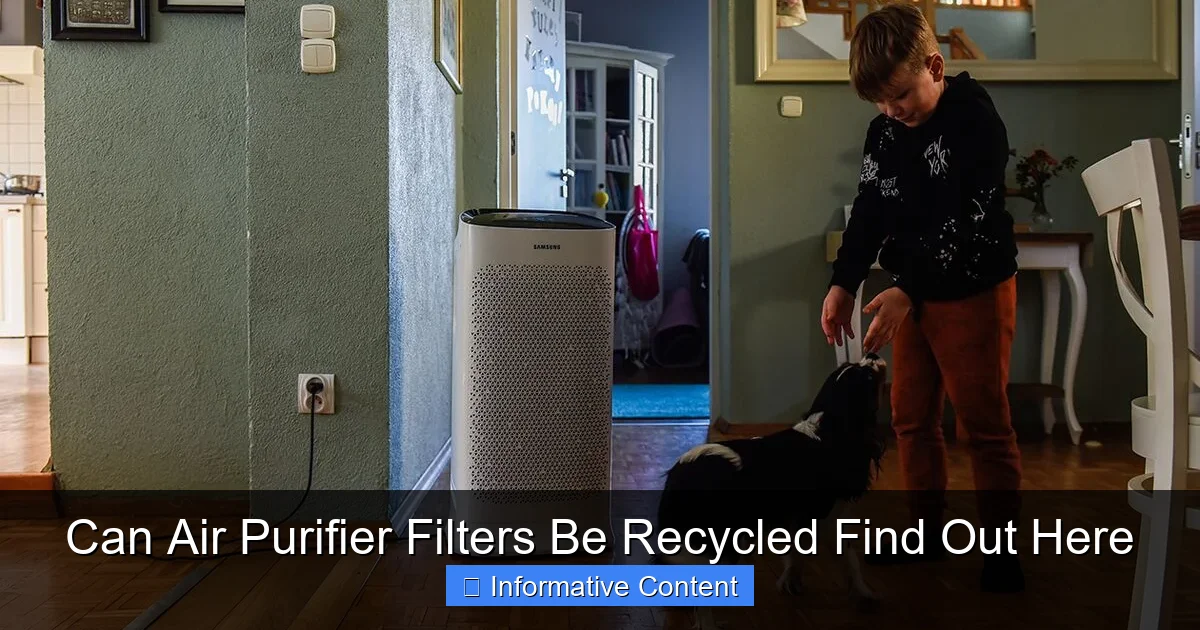
Featured image for can air purifier filters be recycled
Image source: images.livemint.com
Most air purifier filters cannot be recycled through standard curbside programs due to mixed materials like carbon, fiberglass, and plastic. However, some manufacturers and specialty recycling centers offer take-back programs or mail-in options to responsibly dispose of or repurpose used filters—check your model’s brand for eco-friendly solutions.
Key Takeaways
- Check local guidelines: Recycling rules for air purifier filters vary by location.
- HEPA filters aren’t recyclable: Most require disposal in regular trash due to fiber composition.
- Pre-filters can be reused: Clean and reinstall them to extend lifespan sustainably.
- Contact manufacturers: Some brands offer take-back programs for filter recycling.
- Reduce waste: Opt for reusable or washable filters when possible.
- Hazardous disposal: Filters with mold or chemicals need special handling.
📑 Table of Contents
Looking for guidance on selecting a top-performing air purifier? Check out our review of the best air purifier for your home in 2026.
- Can Air Purifier Filters Be Recycled? Find Out Here
- Understanding Air Purifier Filters: Types and Materials
- Can Air Purifier Filters Be Recycled? The Reality
- How to Dispose of Air Purifier Filters Responsibly
- Eco-Friendly Alternatives and Sustainable Practices
- Future of Air Filter Recycling: Innovations and Hope
- Final Thoughts: Making the Best Choice for You and the Planet
Can Air Purifier Filters Be Recycled? Find Out Here
Let’s be honest—most of us bought an air purifier during the pandemic, and now it’s become a quiet, humming part of our daily lives. Whether it’s sitting in the corner of your bedroom, living room, or home office, that little machine is doing its best to keep your indoor air clean. But here’s the thing: after a few months, you get that little reminder light or notice the air doesn’t feel as fresh. Time to change the filter.
And then comes the inevitable question: Can I recycle this thing? You stare at the used filter—gray, dusty, maybe even a little gross—and wonder if it belongs in the recycling bin, the trash, or if there’s some secret eco-friendly disposal method you’ve missed. You’re not alone. Millions of people use air purifiers, and every year, millions of filters end up in landfills. But is that really the only option? Can air purifier filters be recycled? The short answer is: it depends. The long answer? Well, that’s what we’re here to unpack.
In this guide, we’ll walk you through everything you need to know about recycling air purifier filters—what types can (and can’t) be recycled, how to prepare them, where to take them, and what the future holds for sustainable air filtration. Whether you’re a green-living enthusiast or just someone trying to reduce waste, this post will help you make smarter, more informed choices. Let’s dive in.
Understanding Air Purifier Filters: Types and Materials
Before we talk about recycling, it’s important to understand what air purifier filters are made of where to take them, and what the future holds for sustainable air filtration. Whether you’re a green-living enthusiast or just someone trying to reduce waste, this post will help you make smarter, more informed choices. Let’s dive in.
Understanding Air Purifier Filters: Types and Materials
Before we talk about recycling, it’s important to understand what air purifier filters are made of. Not all filters are created equal, and their materials play a huge role in whether they can be recycled. Most air purifiers use one or more of the following filter types: HEPA, activated carbon, pre-filters, and sometimes electrostatic or washable filters. Let’s break them down.
Visual guide about can air purifier filters be recycled
Image source: assets.bwbx.io
HEPA Filters: The Gold Standard
HEPA stands for High-Efficiency Particulate Air, and these filters are the workhorses of air purification. They’re designed to capture 99.97% of particles as small as 0.3 microns—think dust, pollen, mold spores, pet dander, and even some bacteria. HEPA filters are typically made from a dense mat of randomly arranged fibers, usually fiberglass, though some newer models use synthetic materials like polypropylene.
Because of their high efficiency, HEPA filters are widely used in homes, hospitals, and cleanrooms. But here’s the catch: once they’re full of trapped particles, they’re considered contaminated. That makes recycling tricky. Fiberglass, in particular, isn’t accepted by most curbside recycling programs. So while HEPA filters are amazing at cleaning your air, they’re not so great when it comes to being recycled through traditional methods.
Activated Carbon Filters: Odor and Gas Absorbers
These filters are often used in conjunction with HEPA filters to tackle odors, smoke, and volatile organic compounds (VOCs) from cleaning products, cooking, or paint. Activated carbon is incredibly porous, giving it a massive surface area to吸附 (adsorb—yes, it’s spelled that way in science!) gases and chemicals.
Carbon filters are usually made from coconut shells, wood, or coal that’s been processed at high temperatures. While the carbon itself can technically be reactivated (heated to release trapped pollutants), this process requires industrial equipment and isn’t something you can do at home. Most activated carbon filters end up in landfills because they’re mixed with other materials like plastic frames and adhesives, making separation difficult.
Pre-Filters and Washable Filters
Pre-filters are the first line of defense in many air purifiers. They’re designed to catch larger particles like hair and dust, protecting the more expensive HEPA or carbon filters. These are often made from polyester or foam and are sometimes washable.
Washable filters, as the name suggests, can be rinsed and reused multiple times. These are the most eco-friendly option since they reduce waste. However, even washable filters eventually wear out and need replacing. When that happens, their recyclability depends on the material. Polyester-based filters might be recyclable through specialty textile programs, but again, it’s not straightforward.
Electrostatic and Ionic Filters
Some air purifiers use electrostatic plates or ionizers to charge particles, causing them to stick to collection plates. These don’t use traditional filters, so there’s nothing to replace—just plates to clean. While this reduces waste, it’s worth noting that some ionic purifiers can produce ozone, a lung irritant, so they’re not always the healthiest choice.
Bottom line: the type of filter you have directly impacts whether it can be recycled. HEPA and carbon filters are the toughest to recycle due to material complexity and contamination. Washable and pre-filters offer more potential, but even then, options are limited.
Can Air Purifier Filters Be Recycled? The Reality
So, can air purifier filters be recycled? The honest answer is: sometimes, but not easily. Most standard air purifier filters—especially HEPA and activated carbon types—are not accepted by municipal recycling programs. Why? Because they’re made from mixed materials, often contaminated with pollutants, and require specialized processing.
Why Most Filters Aren’t Recycled
Let’s break down the barriers:
- Mixed materials: Filters often combine fiberglass, plastic, metal frames, adhesives, and carbon. Recycling facilities aren’t equipped to separate these components efficiently.
- Contamination: Once a filter has trapped dust, mold, bacteria, or chemicals, it’s classified as contaminated waste. This disqualifies it from most recycling streams.
- Lack of infrastructure: There’s no widespread system for collecting and processing used air filters. Unlike plastic bottles or aluminum cans, filters don’t have a clear recycling path.
- Low volume: Compared to other recyclables, air filters make up a tiny fraction of household waste. This makes it harder to justify investment in recycling programs.
Exceptions and Emerging Solutions
That said, there are a few exceptions and promising developments:
- Manufacturer take-back programs: Some companies, like Blueair and IQAir, offer recycling programs for their filters. You mail back your used filter, and they handle the recycling or proper disposal. Check your brand’s website for details.
- Specialty recyclers: A handful of companies, such as TerraCycle, offer mail-in recycling for hard-to-recycle items, including air filters. These programs often come with a fee, but they’re a viable option for eco-conscious consumers.
- Local hazardous waste facilities: In some areas, used filters—especially those with carbon or chemical residues—can be dropped off at hazardous waste collection sites. Call your local facility to confirm.
For example, if you own a Blueair Classic 405, you can participate in their Blueair Recycling Program. Simply request a prepaid shipping label online, pack your used filter, and send it back. The company then recycles the materials responsibly. It’s not free, but it’s a step in the right direction.
What About DIY Recycling?
Some people wonder if they can recycle filters at home—maybe by removing the frame and tossing the filter material into the recycling bin. Unfortunately, this rarely works. Even if you separate the plastic frame (which might be recyclable), the filter media itself—especially fiberglass—won’t be accepted. Plus, handling used filters can expose you to trapped allergens and pollutants, so it’s not recommended.
In short: while recycling air purifier filters isn’t impossible, it’s not as simple as tossing them in the blue bin. You’ll likely need to seek out specialized programs or accept that, for now, most filters will end up in landfills.
How to Dispose of Air Purifier Filters Responsibly
Since recycling options are limited, responsible disposal becomes key. The goal isn’t just to get rid of the filter—it’s to do so in a way that minimizes environmental harm and protects your health.
Step-by-Step Disposal Guide
Here’s how to safely and responsibly dispose of your used air purifier filter:
- Turn off and unplug the purifier: Safety first. Make sure the unit is completely powered down before removing the filter.
- Wear gloves and a mask: Used filters can harbor dust, mold, and other allergens. Protect yourself by wearing disposable gloves and a basic face mask.
- Remove the filter carefully: Follow your purifier’s manual to avoid damaging the unit or spilling trapped particles.
- Seal the filter in a plastic bag: Place the used filter in a sturdy plastic bag and tie it securely. This prevents dust and contaminants from escaping.
- Check local guidelines: Contact your local waste management authority to see if they have specific rules for air filter disposal. Some areas treat them as regular household waste; others may require special handling.
- Dispose in the trash (if no other option): If recycling isn’t available, the safest option is to throw the sealed filter in your regular garbage. It’s not ideal, but it’s better than leaving it exposed.
For tips on selecting a purifier with easy filter maintenance, see what doctors recommend for cleaner air.
When to Consider Hazardous Waste Disposal
In rare cases, your filter may contain hazardous materials. For example:
- If you’ve used your purifier in a home with asbestos, lead paint, or chemical spills, the filter could be contaminated with toxic substances.
- Filters from industrial or medical settings may require special handling.
Pro Tip: Track Your Filter’s Lifespan
To reduce waste and save money, keep track of when you change your filter. Most manufacturers recommend replacing HEPA filters every 6–12 months, depending on usage and air quality. Use a calendar reminder or a smart purifier app to stay on top of it. This way, you avoid overusing a clogged filter (which reduces efficiency) and prevent premature disposal.
For instance, if you live in a dusty area or have pets, you might need to change your filter every 6 months. But if you’re in a clean environment and use the purifier sparingly, it could last closer to a year. Knowing your usage helps you plan ahead and reduces unnecessary waste.
Eco-Friendly Alternatives and Sustainable Practices
If the idea of tossing filters into landfills doesn’t sit well with you, you’re not alone. The good news? There are ways to reduce your environmental impact while still enjoying clean air.
Choose Washable or Reusable Filters
One of the best ways to cut down on waste is to invest in an air purifier with a washable pre-filter or a reusable electrostatic system. These filters can be rinsed with water and reused multiple times, significantly reducing the number of replacements needed.
For example, the Honeywell HFD-120-Q uses a permanent, washable filter that only needs cleaning every 3 months. While it doesn’t capture ultrafine particles as well as a HEPA filter, it’s a solid option for general dust and allergen removal—and it generates far less waste.
Look for Recyclable or Sustainable Models
Some brands are stepping up their sustainability game. Companies like Austin Air and Airdog use recyclable materials in their filters and offer take-back programs. A few even use biodegradable components or plant-based plastics.
When shopping for a new purifier, look for:
- Filters made from recyclable materials (e.g., polypropylene instead of fiberglass)
- Minimal packaging
- Energy-efficient operation (check for ENERGY STAR certification)
- Long filter lifespan (reduces replacement frequency)
Support Brands with Take-Back Programs
As mentioned earlier, some manufacturers offer recycling programs. Supporting these brands encourages more companies to adopt sustainable practices. Even if the program costs a few dollars, it’s a small price to pay for peace of mind.
For instance, IQAir offers a filter recycling service for their HealthPro series. You pay a small fee, and they ensure the materials are processed responsibly. It’s not perfect, but it’s better than nothing.
DIY Air Purifiers: A Creative (But Limited) Option
Feeling crafty? Some people build DIY air purifiers using a box fan and a MERV 13 furnace filter. While not as effective as commercial units, these setups can help reduce dust and allergens—and the filters are often easier to recycle through HVAC or construction recycling programs.
Just keep in mind: DIY purifiers lack the advanced features of commercial models (like smart sensors or quiet operation), and they may not be suitable for severe allergies or asthma. But for light use, they’re a low-cost, low-waste alternative.
Future of Air Filter Recycling: Innovations and Hope
The air purification industry is evolving, and so are recycling technologies. While we’re not yet at a point where every filter can be easily recycled, there are promising developments on the horizon.
New Materials and Designs
Researchers are exploring biodegradable filter materials, such as cellulose nanofibers and plant-based polymers. These could break down naturally in composting facilities, reducing landfill waste. Companies like 3M and Donaldson are investing in sustainable filtration solutions, including recyclable HEPA alternatives.
Closed-Loop Recycling Systems
Imagine a world where you return your used filter, and the manufacturer turns it into a new one. That’s the goal of closed-loop recycling. Some companies are piloting programs where old filters are shredded, cleaned, and reformed into new products. While still in early stages, this model could revolutionize the industry.
Policy and Consumer Pressure
As consumers demand more sustainable options, governments and manufacturers are responding. The European Union’s Waste Framework Directive encourages extended producer responsibility (EPR), meaning companies are accountable for the end-of-life disposal of their products. Similar laws could spread globally, pushing more brands to offer recycling solutions.
You can be part of this change. By choosing eco-conscious brands, supporting recycling programs, and advocating for better policies, you help drive demand for greener air purification.
Final Thoughts: Making the Best Choice for You and the Planet
So, can air purifier filters be recycled? The answer is nuanced. While most standard filters aren’t accepted by curbside recycling programs, there are options—especially if you’re willing to go the extra mile. Manufacturer take-back programs, specialty recyclers, and responsible disposal methods can help reduce your environmental footprint.
But beyond recycling, the real solution lies in prevention. Choosing washable filters, supporting sustainable brands, and extending the life of your current filter can make a bigger difference than recycling alone. Every small action adds up.
At the end of the day, clean air shouldn’t come at the cost of a polluted planet. By staying informed and making thoughtful choices, you can enjoy the benefits of air purification while doing your part for the environment. Whether you recycle, reuse, or simply dispose of your filter responsibly, you’re contributing to a healthier home—and a healthier world.
| Filter Type | Common Materials | Recyclable? | Best Disposal Method |
|---|---|---|---|
| HEPA | Fiberglass, polypropylene | Rarely | Trash or manufacturer take-back |
| Activated Carbon | Carbon, plastic frame | Sometimes (via specialty programs) | Hazardous waste or TerraCycle |
| Pre-Filter (Washable) | Polyester, foam | Possibly (textile recycling) | Reuse until worn, then trash |
| Electrostatic | Metal plates | Yes (metal recycling) | Clean and reuse; recycle metal when done |
Remember: the journey to sustainable air purification starts with awareness. Now that you know the facts, you can make smarter choices—one filter at a time.
Frequently Asked Questions
Can air purifier filters be recycled in regular curbside recycling programs?
Most air purifier filters cannot be recycled through standard curbside programs because they’re made of mixed materials like activated carbon, fiberglass, and plastic. However, some specialized recycling facilities or manufacturer take-back programs may accept them.
How do I recycle air purifier filters safely?
To safely recycle air purifier filters, check with the manufacturer for mail-back programs or drop-off locations. If no options exist, seal the used filter in a plastic bag and dispose of it as general waste to avoid releasing trapped pollutants.
Are HEPA filters recyclable, and what’s the process?
HEPA filters are rarely recyclable due to their dense fiberglass composition, but some companies offer recycling services for a fee. Contact the manufacturer or local hazardous waste facilities to explore options for HEPA filter recycling.
Can air purifier filters be recycled if they contain activated carbon?
Activated carbon filters are challenging to recycle because the carbon is often bonded to other materials. While some facilities can separate the components, most recommend disposal unless the manufacturer explicitly supports recycling.
What should I do with old air purifier filters if recycling isn’t an option?
If recycling isn’t available, wrap the filter in a sealed bag to prevent dust or contaminants from escaping, then discard it with general waste. Consider switching to brands that offer sustainable disposal or filter replacement programs.
Do any air purifier brands offer filter recycling programs?
Yes, some brands like Dyson, Molekule, and IQAir provide mail-back or take-back programs for used filters. Check the brand’s website or customer support to confirm whether their air purifier filter recycling program is available in your area.