
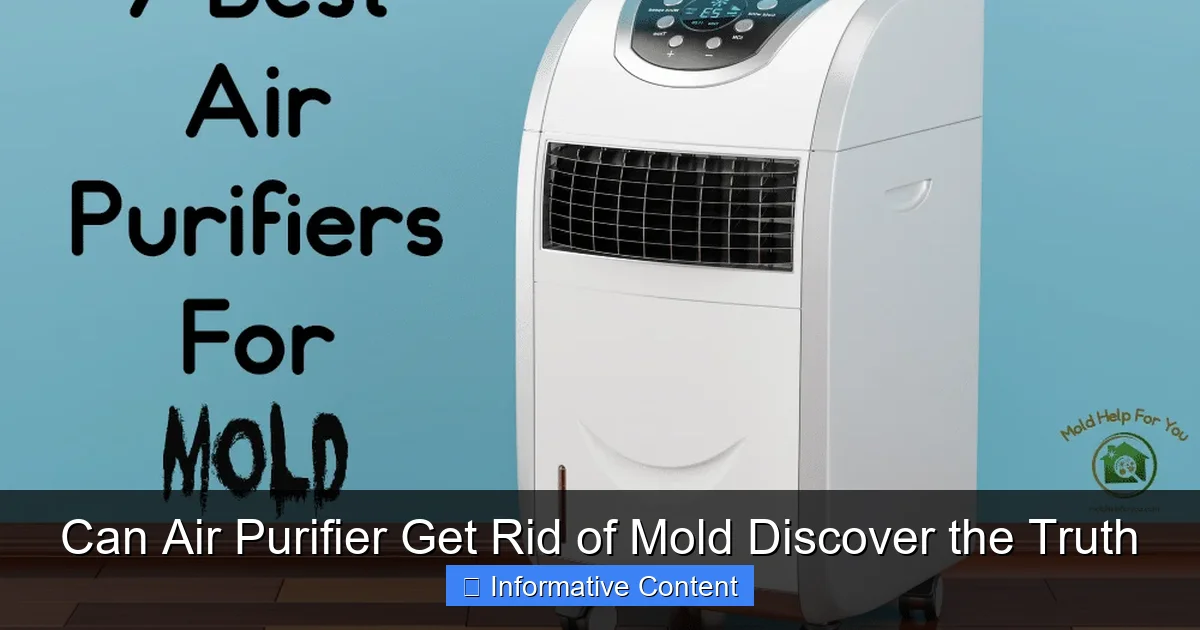
Featured image for can air purifier get rid of mold
Image source: moldhelpforyou.com
Air purifiers alone cannot fully eliminate mold, but they can significantly reduce airborne mold spores when equipped with a HEPA filter and UV-C light. While they help improve indoor air quality and prevent mold spread, professional remediation is essential for removing active mold growth and addressing root causes like moisture.
Key Takeaways
- Air purifiers with HEPA filters can capture airborne mold spores effectively.
- Activated carbon filters help reduce mold odors but don’t kill mold.
- UV-C light technology in purifiers can destroy mold spores when used correctly.
- Regular maintenance of filters is crucial to prevent mold growth inside purifiers.
- Purifiers alone aren’t enough—fix humidity and clean visible mold for full control.
- Choose a high CADR rating for better mold spore removal in large rooms.
📑 Table of Contents
- Can Air Purifier Get Rid of Mold? Discover the Truth
- How Mold Spreads and Why It’s a Problem
- How Air Purifiers Work to Capture Mold Spores
- What Air Purifiers Can and Cannot Do
- Choosing the Right Air Purifier for Mold
- Combining Air Purifiers with Other Mold Prevention Strategies
- Data Table: Air Purifier Performance Against Mold Spores
- Final Thoughts: The Truth About Air Purifiers and Mold
Can Air Purifier Get Rid of Mold? Discover the Truth
You walk into your basement after a long week away, and something feels off. It’s not just the damp air or the musty smell—it’s the way your chest tightens a little when you breathe. You notice a dark patch creeping along the corner of the wall, fuzzy and greenish-black. Mold. Again. You’ve tried cleaning it, scrubbing it, even opening windows, but it keeps coming back. So you start wondering: Can an air purifier get rid of mold? It seems like a simple fix—just plug in a machine and let it do the work, right?
It’s a question I’ve asked myself more than once, especially after dealing with mold in my own home during a particularly rainy season. I bought an air purifier thinking it would be the magic solution. And while it helped, it didn’t solve the problem entirely. That’s when I realized: air purifiers aren’t a cure-all, but they can be a powerful part of your mold-fighting toolkit. In this post, I’ll walk you through what air purifiers can and can’t do when it comes to mold, how they work, and what you need to know to protect your home and health. Whether you’re dealing with a small patch in the bathroom or a recurring issue in the basement, understanding the truth about air purifiers and mold is the first step toward cleaner, safer air.
How Mold Spreads and Why It’s a Problem
Mold is everywhere—outdoors on fallen leaves, indoors in damp corners, even floating invisibly in the air. It’s a type of fungus that thrives in moist, warm environments, and it reproduces by releasing tiny spores into the air. These spores are so small you can’t see them, but they’re always present. When they land on a damp surface—like a leaky pipe, a wet carpet, or a poorly ventilated bathroom—they can start growing within 24 to 48 hours.
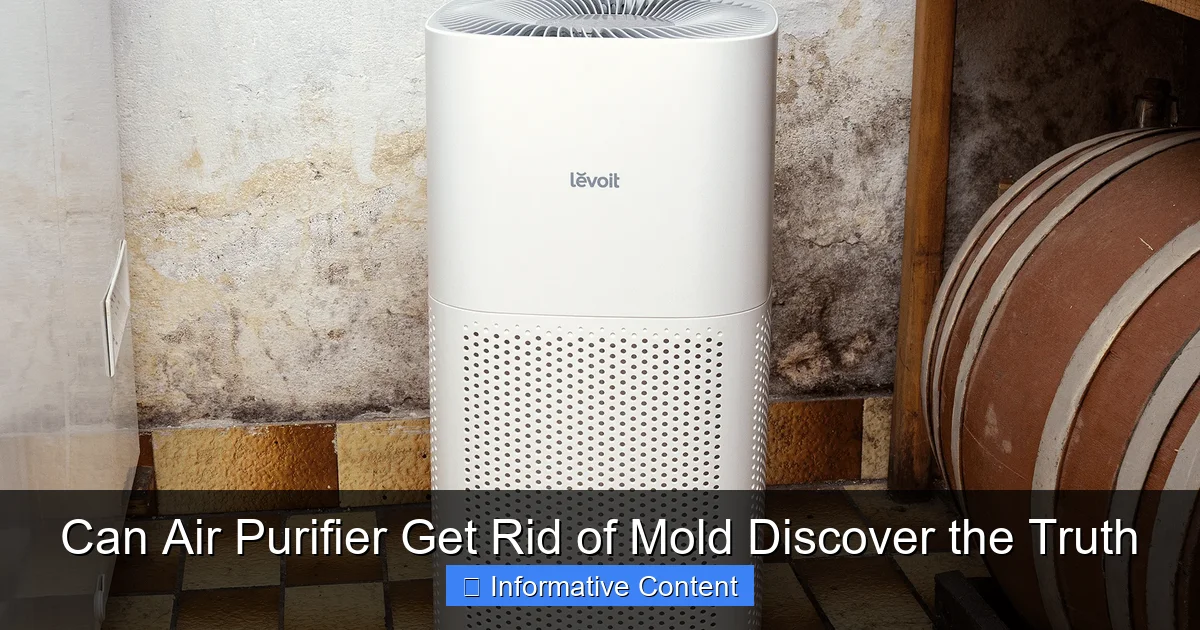
Visual guide about can air purifier get rid of mold
Image source: airpurifierfirst.com
Common Places Mold Hides in Your Home
- Basements and crawl spaces: These areas are often cool, dark, and prone to moisture from groundwater or poor ventilation.
- Bathrooms: Steam from showers creates the perfect breeding ground, especially behind tiles or under sinks.
- Kitchens: Leaky faucets, under-sink cabinets, and damp dishcloths can all harbor mold.
- Attics: Poor insulation or roof leaks can lead to condensation and mold growth.
- HVAC systems: Air ducts can collect moisture and spread mold spores throughout your home.
Health Risks of Mold Exposure
While not all mold is toxic, many types can cause health problems, especially for people with allergies, asthma, or weakened immune systems. Common symptoms include:
- Nasal congestion and sneezing
- Itchy eyes, throat, or skin
- Coughing and wheezing
- Headaches and fatigue
- In severe cases, respiratory infections or worsening of asthma
Long-term exposure to certain molds, like Stachybotrys chartarum (often called “black mold”), has been linked to more serious health issues, including neurological symptoms and immune suppression. That’s why it’s crucial to address mold problems quickly—not just for your home’s integrity, but for your family’s well-being.
Why Mold Keeps Coming Back
One of the biggest frustrations with mold is that it often returns even after cleaning. That’s because mold spores are incredibly resilient. They can survive in dry conditions for months, waiting for the right moment to grow. Simply wiping away visible mold doesn’t eliminate the spores in the air or on nearby surfaces. Without addressing the root cause—usually excess moisture—mold will keep reappearing.
How Air Purifiers Work to Capture Mold Spores
Now that we understand how mold spreads, let’s talk about how air purifiers fit into the picture. An air purifier is a device designed to remove contaminants from the air, including dust, pollen, pet dander, and yes—mold spores. But how exactly does it do that?
The Role of HEPA Filters
The most effective air purifiers use HEPA (High-Efficiency Particulate Air) filters. These filters are made of densely packed fibers that trap particles as small as 0.3 microns with an efficiency of 99.97%. Mold spores typically range from 1 to 30 microns in size, which means HEPA filters are highly effective at capturing them.
Think of it like a super-fine net: as air passes through the purifier, the spores get caught in the filter and can’t recirculate back into the room. This reduces the number of airborne spores, which in turn lowers the chances of new mold growth and helps improve indoor air quality.
Other Technologies: UV-C Light and Ionizers
Some air purifiers go beyond filtration. They include additional technologies like:
- UV-C light: Ultraviolet light can kill or deactivate mold spores by damaging their DNA. However, UV-C is only effective if the spores pass directly through the light for a sufficient amount of time. It’s not a standalone solution but can complement filtration.
- Ionizers: These release negatively charged ions that attach to mold spores, making them heavier so they fall out of the air. While this can reduce airborne spores, ionizers may produce small amounts of ozone, which can irritate the lungs. Use with caution, especially in homes with children or pets.
- Activated carbon filters: These don’t capture mold spores but can help remove musty odors caused by mold, improving the overall smell of your home.
It’s important to note that while these technologies can help, HEPA filtration remains the gold standard for removing mold spores from the air.
Real-World Example: A Basement Makeover
Let’s say you have a 500-square-foot basement that’s prone to dampness. You run a HEPA air purifier with a high CADR (Clean Air Delivery Rate) for 8 hours a day. Over time, you notice fewer mold odors, and your allergy symptoms improve. That’s because the purifier is continuously pulling in air, capturing spores, and reducing the overall spore count. But remember: if the basement still has a leaky pipe or poor ventilation, mold will keep growing on surfaces. The purifier helps with the air, but it won’t stop the source.
What Air Purifiers Can and Cannot Do
This is where things get tricky. Many people buy air purifiers hoping they’ll “get rid of mold” completely. But the truth is more nuanced. Let’s break it down.
What Air Purifiers CAN Do
- Remove airborne mold spores: This is their primary strength. By filtering the air, they reduce the number of spores circulating in your home.
- Improve indoor air quality: Fewer spores mean less irritation for people with allergies or asthma.
- Reduce musty odors: Especially when paired with activated carbon filters, air purifiers can help eliminate the smell of mold.
- Prevent new mold growth (indirectly): By lowering spore levels, there are fewer spores available to land on damp surfaces and start new colonies.
What Air Purifiers CANNOT Do
- Kill mold on surfaces: If you have visible mold on a wall, shower curtain, or carpet, an air purifier won’t clean it. You still need to scrub it away with appropriate cleaners.
- Address the source of moisture: Mold grows because of water. An air purifier doesn’t fix leaks, improve ventilation, or reduce humidity.
- Eliminate all mold spores permanently: Spores are everywhere. Even with a purifier, new spores can enter from outside or be stirred up from cleaning.
- Replace professional remediation: For large infestations (over 10 square feet), you’ll need professional help. An air purifier is a support tool, not a replacement.
A Practical Example: The Bathroom Test
Imagine your bathroom has a small patch of mold behind the toilet. You clean it with bleach, but a week later, it’s back. You run an air purifier in the room, and the air feels fresher. But the mold returns because the underlying issue—poor ventilation and condensation—is still there. The purifier helped with the air, but it didn’t solve the root problem.
This is why experts recommend a multi-step approach: clean visible mold, fix moisture issues, and use an air purifier to maintain cleaner air.
Choosing the Right Air Purifier for Mold
Not all air purifiers are created equal, especially when it comes to mold. Here’s what to look for when shopping for one.
Key Features to Look For
- True HEPA filter: Avoid “HEPA-type” or “HEPA-like” filters—they don’t meet the same standards. Look for “True HEPA” or “H13 HEPA” for maximum efficiency.
- High CADR rating: The Clean Air Delivery Rate tells you how quickly the purifier can clean the air. For mold, look for a CADR of at least 200 for smoke (which is similar in size to mold spores).
- Appropriate room size: Make sure the purifier is rated for the size of the room. A unit too small for a large basement won’t be effective.
- Activated carbon filter: Helps with odors and volatile organic compounds (VOCs) released by mold.
- UV-C light (optional): Can add an extra layer of protection, but shouldn’t be the main feature.
- Energy efficiency and noise level: You’ll likely run it often, so consider energy use and sound.
Recommended Air Purifier Types
For mold, the best options are:
- HEPA air purifiers: The most reliable and widely recommended.
- Hybrid models: Combine HEPA with activated carbon and UV-C for comprehensive air cleaning.
- Whole-house systems: Installed in your HVAC system, these clean air throughout your entire home—ideal for large spaces or chronic mold issues.
Top Brands to Consider
Based on performance and reliability, some trusted brands include:
- Blueair: Known for high CADR ratings and sleek designs.
- IQAir: Offers hospital-grade filtration, great for severe allergies or mold sensitivity.
- Austin Air: Durable, long-lasting units with strong HEPA filters.
- Levoit: Affordable options with solid performance for everyday use.
- Winix: Combines HEPA, carbon, and plasma wave technology at a mid-range price.
Maintenance Tips
To keep your air purifier working effectively:
- Replace the HEPA filter every 6 to 12 months, or as recommended by the manufacturer.
- Clean the pre-filter monthly to remove dust and debris.
- Run the purifier continuously in high-risk areas like basements or bathrooms.
- Avoid placing it near walls or furniture that could block airflow.
Combining Air Purifiers with Other Mold Prevention Strategies
An air purifier is a powerful tool, but it works best as part of a broader mold prevention plan. Here’s how to create a comprehensive strategy.
Control Moisture Levels
Mold needs moisture to grow, so reducing humidity is critical. Aim to keep indoor humidity between 30% and 50%. Use:
- Dehumidifiers: Especially in basements or humid climates.
- Exhaust fans: In bathrooms and kitchens to remove steam.
- Air conditioners: Help reduce humidity during warm months.
- Ventilation: Open windows when weather allows, or use energy recovery ventilators (ERVs).
Fix Leaks and Water Damage
Inspect your home regularly for:
- Leaky pipes or faucets
- Roof leaks
- Condensation on windows
- Wet spots on walls or ceilings
Even small leaks can create ideal conditions for mold. Address them immediately.
Clean and Maintain Regularly
- Clean bathrooms with mold-killing products (e.g., vinegar, hydrogen peroxide, or commercial cleaners).
- Wash shower curtains and bath mats frequently.
- Use a vacuum with a HEPA filter to avoid stirring up spores.
- Replace water-damaged materials like drywall or carpet if necessary.
Use Air Purifiers Strategically
- Place purifiers in high-risk areas: basements, bathrooms, laundry rooms.
- Run them 24/7 during mold season or after cleaning.
- Use multiple units in large homes or open floor plans.
Monitor Air Quality
Consider using an indoor air quality monitor to track humidity, VOCs, and particulate levels. This can help you identify problem areas and measure the effectiveness of your air purifier.
Data Table: Air Purifier Performance Against Mold Spores
| Air Purifier Type | Filtration Method | Mold Spore Capture Rate | Best For | Limitations |
|---|---|---|---|---|
| HEPA Air Purifier | True HEPA filter | 99.97% of particles ≥0.3 microns | General mold spore removal | Does not kill mold on surfaces |
| HEPA + UV-C | HEPA + ultraviolet light | 99.97% capture + partial spore deactivation | Enhanced air cleaning in damp areas | UV-C effectiveness depends on exposure time |
| HEPA + Carbon | HEPA + activated carbon | 99.97% capture + odor removal | Homes with musty smells | Carbon doesn’t capture spores |
| Ionizer | Electrostatic precipitation | Variable (60–90%) | Reducing airborne particles | May produce ozone; less reliable than HEPA |
| Whole-House System | HEPA or MERV 13+ filter in HVAC | 99%+ in ducted air | Large homes or chronic mold issues | Higher cost; professional installation needed |
Final Thoughts: The Truth About Air Purifiers and Mold
So, can an air purifier get rid of mold? The short answer is: not completely—but it can significantly help. Air purifiers are excellent at removing mold spores from the air, improving indoor air quality, and reducing allergy symptoms. They’re a smart investment, especially if you live in a damp climate or have a history of mold problems.
However, they’re not a standalone solution. Mold grows because of moisture, and no amount of air cleaning will fix a leaky pipe or poor ventilation. To truly get rid of mold, you need a three-pronged approach: clean the visible mold, fix the source of moisture, and use an air purifier to maintain cleaner air.
Think of an air purifier like a seatbelt—it won’t prevent an accident, but it can protect you if one happens. In the same way, it won’t stop mold from growing, but it can reduce your exposure and make your home healthier.
If you’re dealing with mold, don’t wait. Start by identifying the source of moisture, clean affected areas thoroughly, and invest in a high-quality HEPA air purifier. Your lungs—and your peace of mind—will thank you. And remember: when it comes to mold, prevention is always better than cure.
Frequently Asked Questions
Can air purifiers help get rid of mold in my home?
Yes, air purifiers can help reduce airborne mold spores, a key step in controlling mold growth. However, they won’t eliminate existing mold colonies—professional cleaning and humidity control are also needed for complete remediation.
Do air purifiers remove mold spores effectively?
Air purifiers with HEPA filters capture up to 99.97% of mold spores as small as 0.3 microns, making them highly effective at improving air quality. For best results, run the purifier continuously in mold-prone areas like basements or bathrooms.
Which air purifier is best for mold and mildew?
Look for an air purifier with a true HEPA filter and activated carbon layer to trap mold spores and absorb musty odors. Models with UV-C light can also help neutralize mold spores and prevent regrowth inside the unit.
How long does it take for an air purifier to reduce mold spores?
An air purifier can significantly reduce mold spore levels within a few hours in a standard-sized room. For long-term mold control, combine air purification with proper ventilation, dehumidifiers, and regular filter replacements.
Can an air purifier prevent mold from growing?
While air purifiers can’t stop mold growth entirely, they help lower spore counts, reducing the risk of new colonies forming. To prevent mold, use your air purifier alongside humidity control (ideally below 50%) and prompt leak repairs.
Are air purifiers a solution for black mold?
Air purifiers can help manage black mold spores in the air but are not a standalone solution. Severe black mold infestations require professional removal, as spores can pose serious health risks if disturbed.