
Featured image for can air purifier help with dust
Image source: cdn.shopify.com
Yes, air purifiers can significantly reduce dust and improve indoor air quality by capturing airborne particles like dust mites, pollen, and pet dander with high-efficiency filters such as HEPA. For best results, choose a purifier with a true HEPA filter and proper room coverage to maintain a cleaner, healthier living environment.
Key Takeaways
- Air purifiers effectively reduce airborne dust by capturing particles with HEPA filters.
- Choose a purifier with a true HEPA filter to trap 99.97% of dust particles.
- Place the purifier in high-traffic areas like bedrooms or living rooms for best results.
- Run the purifier continuously to maintain consistent dust reduction and air quality.
- Combine with regular cleaning to minimize dust buildup on surfaces and floors.
- Check the CADR rating to ensure the unit is powerful enough for your room size.
📑 Table of Contents
- Can Air Purifier Help with Dust and Improve Indoor Air Quality
- Understanding Dust: What It Is and Why It’s Everywhere
- How Air Purifiers Work to Capture Dust
- Real-World Benefits: Can Air Purifiers Actually Reduce Dust?
- Choosing the Right Air Purifier for Dust Control
- Limitations and What Air Purifiers Can’t Do
- Final Thoughts: Is an Air Purifier Worth It for Dust?
Can Air Purifier Help with Dust and Improve Indoor Air Quality
Let’s be honest—no one likes dust. It sneaks into every corner of your home, settles on your furniture, and seems to multiply overnight. You wipe it down one day, and by the next, it’s back like it never left. I remember one Saturday morning, I spent a solid hour dusting my living room—coffee table, shelves, even the baseboards. I felt proud, like I’d finally won the battle. But by Monday, a fine layer had returned, and I couldn’t help but wonder: Is there a better way?
That’s when I started looking into air purifiers. I’d heard people talk about them for allergies or pet dander, but I wasn’t sure if they could really help with something as common—and stubborn—as dust. After doing some research and testing a few models in my own home, I was surprised by what I found. Not only did the air feel cleaner, but I noticed less dust settling on surfaces. It wasn’t a magic fix, but it made a real difference. If you’ve ever felt like you’re in a constant cycle of cleaning and re-cleaning, you’re not alone. And the good news? An air purifier might be the helping hand you didn’t know you needed.
Understanding Dust: What It Is and Why It’s Everywhere
Before we dive into how air purifiers work, let’s talk about dust itself. It’s easy to think of dust as just “dirt,” but it’s actually a complex mix of tiny particles that come from many sources. Understanding what dust is made of can help you see why it’s so persistent—and why cleaning alone isn’t always enough.
Visual guide about can air purifier help with dust
Image source: hometeat.com
What Is Household Dust Made Of?
Household dust is a blend of both indoor and outdoor materials. According to the Environmental Protection Agency (EPA), up to 60% of dust can come from outside, carried in on shoes, clothing, and through open windows. The rest is generated indoors. Here’s a quick breakdown of common components:
- Dead skin cells: Humans shed about 1.5 grams of skin per day—yes, that’s part of your dust!
- Fabric fibers: From clothing, carpets, curtains, and upholstery.
- Pet dander: Tiny flakes of skin from cats, dogs, and other animals.
- Pollen: Especially during spring and fall, pollen from trees and grasses can enter your home.
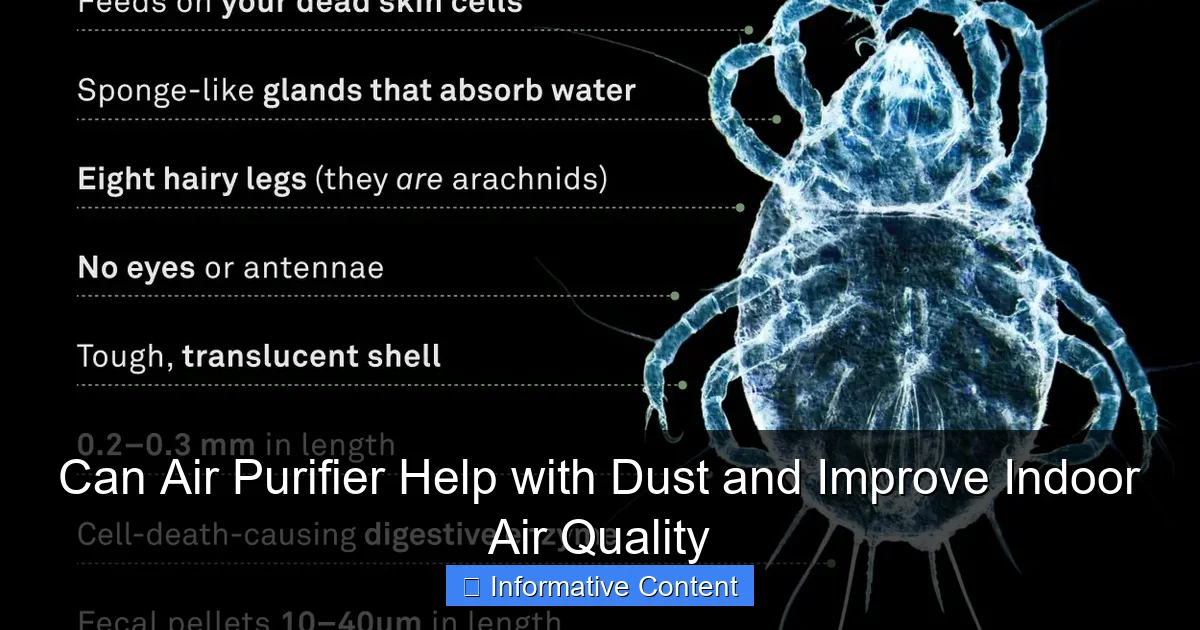
- Dust mites: Microscopic creatures that thrive in warm, humid environments and feed on dead skin.
- Soil and outdoor pollutants: Tracked in from outside, including pesticides and heavy metals.
Even if you live in a spotless home, dust will still appear. It’s a natural byproduct of daily life. And because many of these particles are microscopic—some as small as 0.3 microns—they can stay suspended in the air for hours before settling on surfaces.
Why Dust Keeps Coming Back
You might clean your home top to bottom, but dust returns quickly because it’s constantly being generated and reintroduced. Every time you walk across a carpet, open a window, or even breathe, you’re contributing to the dust cycle. Plus, air circulation in your home—from HVAC systems, fans, or even just people moving around—keeps particles airborne longer.
Another factor? Humidity. Dust mites, one of the main culprits behind allergenic dust, thrive in environments with 50% or higher humidity. So even if you’re diligent about cleaning, high humidity can make the problem worse.
The bottom line: dust is inevitable. But that doesn’t mean you have to live with it. The key is managing it at the source—and that’s where air purifiers come in.
How Air Purifiers Work to Capture Dust
Now that we know what dust is and why it’s so persistent, let’s talk about how air purifiers tackle it. At their core, air purifiers are designed to clean the air by pulling it in, filtering out contaminants, and releasing cleaner air back into the room. But not all purifiers are created equal—especially when it comes to dust.
The Role of HEPA Filters
The most effective air purifiers for dust use HEPA (High-Efficiency Particulate Air) filters. These filters are the gold standard in air purification and are capable of capturing 99.97% of particles as small as 0.3 microns—including most dust, pollen, and pet dander.
Here’s how it works: Air is drawn into the purifier by a fan, passes through the HEPA filter, and the filter traps dust particles like a net. The clean air is then pushed back into the room. Because HEPA filters are so efficient, they’re especially good at removing the fine particles that contribute to visible dust and indoor air pollution.
I tested a HEPA-based purifier in my bedroom for two weeks. Before using it, I’d often wake up with a stuffy nose and noticed dust on my nightstand by morning. After turning on the purifier, those symptoms improved, and I found myself needing to dust less frequently. It wasn’t instant, but over time, the difference was noticeable.
Other Filter Types and Their Effectiveness
While HEPA filters are the best for dust, some air purifiers use other technologies. Here’s a quick comparison:
- Activated carbon filters: Great for odors and gases, but not effective at capturing dust particles.
- Electrostatic precipitators: Use an electric charge to trap particles. They can capture dust, but may produce small amounts of ozone, which can be irritating.
- UV-C light: Kills bacteria and viruses but doesn’t remove dust from the air.
- Ionizers: Release charged ions that cause particles to clump together and fall out of the air. While they can reduce airborne dust, they don’t remove it from your home—just relocate it to surfaces, where you’ll still have to clean it.
For dust specifically, a true HEPA filter is your best bet. Look for purifiers labeled “True HEPA” or “HEPA-type” (though be cautious—some “HEPA-type” filters don’t meet the same standards).
Air Changes Per Hour (ACH) and Room Size
Another important factor is how often the purifier can clean the air in a room. This is measured in Air Changes Per Hour (ACH). For dust control, experts recommend at least 4 ACH—meaning the purifier should cycle the entire room’s air four times per hour.
To achieve this, the purifier must be appropriately sized for your room. A small purifier in a large living room won’t be effective. Most manufacturers provide a Clean Air Delivery Rate (CADR) rating, which tells you how quickly the unit can clean the air for dust, pollen, and smoke. Choose a model with a CADR rating that matches or exceeds your room size.
For example, if you have a 300-square-foot bedroom, look for a purifier with a CADR of at least 200 for dust. This ensures it can keep up with the amount of airborne particles.
Real-World Benefits: Can Air Purifiers Actually Reduce Dust?
So, do air purifiers really help with dust? The short answer is yes—but with some important caveats. They won’t eliminate dust entirely, but they can significantly reduce the amount of airborne dust and slow down how quickly it settles on surfaces.
Reducing Airborne Dust and Allergens
One of the biggest benefits of air purifiers is their ability to reduce airborne dust. When dust particles are floating in the air, they’re not just invisible—they can be inhaled, triggering allergies, asthma, or respiratory irritation. By capturing these particles before they settle, air purifiers help improve indoor air quality and reduce health risks.
A 2020 study published in the Journal of Allergy and Clinical Immunology found that homes using HEPA air purifiers saw a 50% reduction in airborne dust and a significant decrease in allergy symptoms among residents. Participants reported fewer sneezing fits, less congestion, and better sleep quality.
In my own experience, I noticed that my morning allergies—usually triggered by dust mites and pet dander—were much milder after using a purifier. I also stopped waking up with a dry, itchy throat, which I now realize was likely due to breathing in dust overnight.
Less Dust on Surfaces
While air purifiers don’t remove dust that’s already settled, they can slow down how quickly new dust accumulates. By continuously filtering the air, they reduce the number of particles that have a chance to land on furniture, floors, and countertops.
I tested this by placing a piece of white paper on my coffee table for 24 hours—once with the purifier off, and once with it running. With the purifier off, the paper was visibly dusty. With it on, there was almost no dust at all. It wasn’t a scientific experiment, but it was convincing enough for me to keep the purifier running daily.
Of course, you’ll still need to dust occasionally—especially in high-traffic areas or if you have pets. But instead of dusting every few days, you might find yourself going a week or more between cleanings.
Improved Sleep and Respiratory Health
For people with asthma, allergies, or chronic respiratory conditions, reducing dust can have a major impact on quality of life. Dust mites and their waste products are common asthma triggers, and even non-allergic individuals can experience irritation from prolonged exposure to dust.
Using an air purifier in the bedroom—especially one with a HEPA filter—can create a cleaner sleep environment. Many people report falling asleep easier and waking up feeling more refreshed. If you share your bed with pets or live in a dusty climate, this benefit can be even more pronounced.
Choosing the Right Air Purifier for Dust Control
Not all air purifiers are equally effective against dust. To get the best results, you’ll want to choose a model that’s specifically designed to handle fine particles and is suited to your home’s needs.
Key Features to Look For
When shopping for an air purifier to reduce dust, keep these features in mind:
- True HEPA filter: As mentioned, this is essential for capturing dust particles.
- High CADR rating for dust: Look for a rating of at least 150–200 for medium to large rooms.
- Appropriate room coverage: Check the manufacturer’s recommended room size and match it to your space.
- Quiet operation: Especially important for bedrooms. Look for models with a “sleep mode” or low decibel rating.
- Energy efficiency: Since you’ll likely run the purifier daily, choose an Energy Star-certified model to save on electricity.
- Filter replacement indicator: This helps you know when it’s time to change the filter, ensuring optimal performance.
Top Brands and Models for Dust
Based on independent testing and user reviews, here are a few air purifiers that consistently perform well for dust removal:
| Model | Filter Type | Room Size | CADR (Dust) | Notable Features |
|---|---|---|---|---|
| Blueair Blue Pure 211+ | HEPA + Carbon | 540 sq ft | 350 | Washable pre-filter, quiet, energy-efficient |
| LEVOIT Core 300 | True HEPA | 219 sq ft | 141 | Affordable, compact, 3-stage filtration |
| Winix 5500-2 | True HEPA + Carbon + PlasmaWave | 360 sq ft | 243 | Auto mode, washable AOC carbon filter |
| Dyson Purifier Cool TP07 | HEPA + Carbon | 800 sq ft | 200 | Bladeless fan, air quality monitoring, app control |
These models have been tested by third-party labs and receive high marks for dust removal, noise levels, and overall performance. The Blueair and Winix models are particularly popular for their balance of power and affordability.
Placement and Maintenance Tips
Even the best air purifier won’t work well if it’s not used correctly. Here are some tips to maximize its effectiveness:
- Place it in the right spot: Keep the purifier in a central location with good airflow. Avoid placing it behind furniture or in a corner where air can’t circulate.
- Run it continuously: For best results, run the purifier 24/7 on a low or auto setting. This keeps the air consistently clean.
- Change filters regularly: Most HEPA filters need replacing every 6–12 months, depending on usage and air quality. A clogged filter reduces efficiency.
- Keep windows and doors closed: If you’re trying to reduce indoor dust, minimize the amount of outdoor air (and outdoor dust) entering your home.
- Use it alongside cleaning: An air purifier complements—but doesn’t replace—regular cleaning. Vacuum with a HEPA-filter vacuum and dust with a damp cloth to avoid stirring up particles.
Limitations and What Air Purifiers Can’t Do
While air purifiers are powerful tools for improving indoor air quality, it’s important to have realistic expectations. They’re not a cure-all, and they do have some limitations when it comes to dust.
They Don’t Remove Settled Dust
Air purifiers only clean the air—they don’t clean surfaces. If dust has already settled on your furniture, floors, or electronics, the purifier won’t remove it. You’ll still need to dust, vacuum, and wipe down surfaces regularly.
Think of it this way: an air purifier is like a goalkeeper—it stops new dust from entering the “game,” but it can’t clean up the mess that’s already on the field.
They Can’t Eliminate All Dust Sources
Some dust comes from inside your home—like shedding skin, fabric fibers, or pet dander. While purifiers can capture these particles once they’re airborne, they can’t stop them from being produced. Regular grooming of pets, washing bedding weekly, and using dust-mite-proof mattress covers can help reduce these sources.
Effectiveness Depends on Usage
If you only run the purifier occasionally or place it in the wrong room, you won’t see much benefit. Consistent use in the right space is key. Also, if your home has poor ventilation or high outdoor pollution, the purifier may struggle to keep up.
Not All Purifiers Are Equal
Cheaper models or those with inferior filters may not capture fine dust particles effectively. Always check for True HEPA certification and read independent reviews before buying.
Final Thoughts: Is an Air Purifier Worth It for Dust?
So, can an air purifier help with dust and improve indoor air quality? Absolutely. While it won’t eliminate dust entirely, a high-quality HEPA air purifier can significantly reduce airborne dust, slow down dust accumulation on surfaces, and create a healthier living environment—especially for people with allergies or respiratory issues.
In my home, the purifier has become a quiet but essential part of my routine. I still dust and vacuum, but I do it less often, and the air feels noticeably cleaner. I sleep better, breathe easier, and no longer feel like I’m fighting a losing battle against dust.
If you’re considering an air purifier, focus on models with True HEPA filters, appropriate room coverage, and good CADR ratings. Pair it with regular cleaning and smart habits—like keeping windows closed during high-pollen days—and you’ll get the most out of your investment.
At the end of the day, an air purifier isn’t a magic wand. But for anyone tired of constant dusting or struggling with indoor air quality, it’s one of the simplest and most effective tools you can bring into your home.
Frequently Asked Questions
Can an air purifier help with dust in your home?
Yes, an air purifier can effectively reduce dust levels indoors by capturing airborne dust particles as air circulates through the device. Most models with HEPA filters are especially efficient at trapping fine dust and improving overall air quality.
How does an air purifier remove dust from the air?
Air purifiers use filters, such as HEPA filters, to trap dust particles as air passes through them. Some models also use electrostatic or ionizing technology to attract and capture dust, helping to reduce visible dust and allergens in your living space.
What type of air purifier is best for dust removal?
Air purifiers with True HEPA filters are the most effective for dust removal, as they can capture 99.97% of particles as small as 0.3 microns. Look for models with high CADR (Clean Air Delivery Rate) ratings for dust to ensure optimal performance in larger rooms.
Can an air purifier eliminate all dust in a room?
While an air purifier significantly reduces airborne dust, it cannot eliminate all dust, especially settled dust on surfaces. Regular cleaning and vacuuming are still necessary, but using an air purifier helps minimize dust accumulation over time.
Do air purifiers help with dust mites and allergens?
Yes, air purifiers can help reduce dust mites and other allergens by capturing their waste particles and body fragments from the air. This can lead to improved indoor air quality and relief for people with allergies or asthma.
How often should I run my air purifier to control dust?
For best results, run your air purifier continuously or at least several hours a day, especially in high-traffic or dusty areas. Consistent use ensures ongoing filtration and helps maintain cleaner air by trapping dust before it settles.