
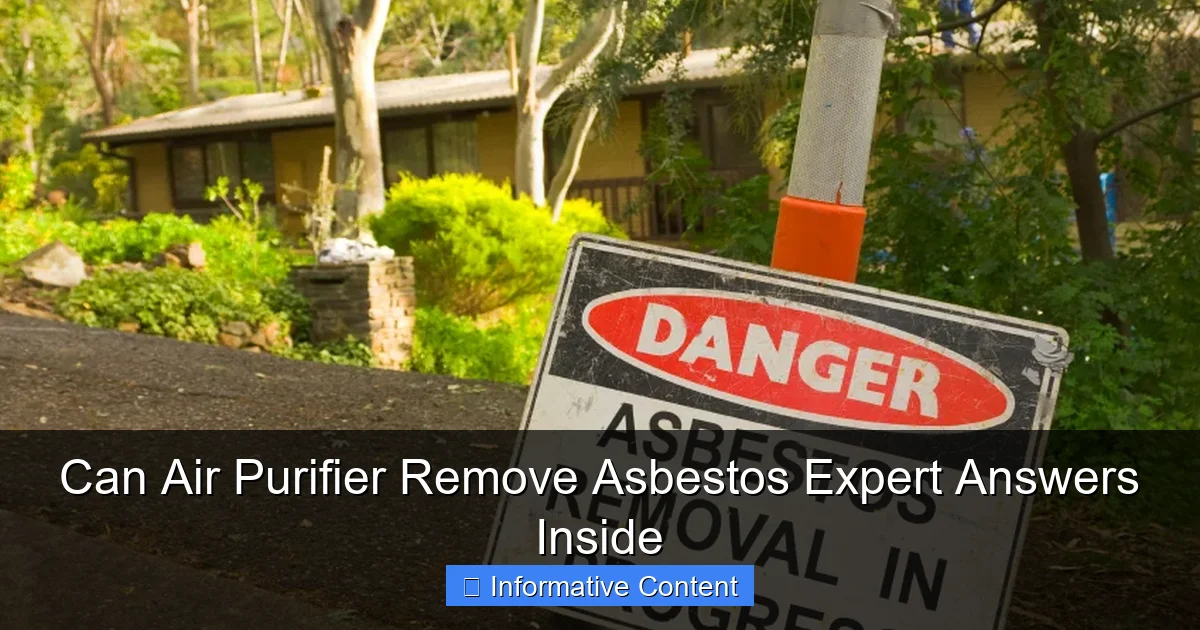
Featured image for can air purifier remove asbestos
Image source: asbestosawareness.com.au
Air purifiers alone cannot reliably remove asbestos fibers from the air, especially during active disturbance or renovation. While high-efficiency particulate air (HEPA) filters can capture airborne asbestos particles once they’re suspended, they are not a substitute for professional abatement and proper containment procedures. For safety, rely on certified asbestos removal experts and use air purifiers only as a supplementary measure in controlled environments.
Key Takeaways
- HEPA filters can trap asbestos fibers but only if they meet true HEPA standards (99.97% efficiency).
- Air purifiers alone aren’t enough for full asbestos removal—professional abatement is critical.
- Use air purifiers during cleanup to reduce airborne asbestos fibers after professional remediation.
- Check for third-party certifications to ensure your air purifier’s HEPA filter is genuine.
- Replace filters safely to avoid releasing trapped asbestos back into the air.
- Seal and contain the area first before running an air purifier for best results.
📑 Table of Contents
- Can Air Purifier Remove Asbestos? Expert Answers Inside
- Understanding Asbestos: Why It’s Dangerous and How It Spreads
- How Air Purifiers Work: The Science Behind Filtration
- Types of Air Purifiers That Can Help with Asbestos
- Real-World Scenarios: When and How to Use an Air Purifier for Asbestos
- Expert Tips for Safe Asbestos Management
- Comparing Air Purifier Options: A Quick Reference Table
- Final Thoughts: Can Air Purifier Remove Asbestos?
Can Air Purifier Remove Asbestos? Expert Answers Inside
Imagine this: You’re renovating your 1970s home, excited about updating the kitchen. You pull down an old ceiling tile, and suddenly, a fine, dusty cloud fills the air. Your heart skips a beat—could that be asbestos? It’s a scary thought, especially when you consider how long those fibers can linger in the air, invisible to the naked eye. You start researching solutions, and one question pops up again and again: Can an air purifier remove asbestos?
It’s a valid concern. Asbestos was widely used in construction materials from the 1940s to the 1980s because of its durability and fire-resistant properties. But we now know that when these materials are disturbed—during renovations, repairs, or even just aging—they release tiny, needle-like fibers into the air. When inhaled, these fibers can lead to serious health issues like asbestosis, lung cancer, and mesothelioma. So naturally, people want to know if something as simple as an air purifier can help protect their families.
The short answer? Yes, certain air purifiers can help capture asbestos fibers—but with important caveats. Not all air purifiers are created equal, and using the wrong one could actually make things worse. In this guide, we’ll dive deep into how asbestos behaves in the air, what types of air purifiers are effective, and what steps you should take if you suspect asbestos in your home. We’ll also share expert insights and practical tips to help you make informed decisions. Let’s get started.
Understanding Asbestos: Why It’s Dangerous and How It Spreads
What Is Asbestos, Exactly?
Asbestos is a naturally occurring mineral made up of long, thin fibers. It was once hailed as a “miracle material” because it’s strong, heat-resistant, and doesn’t conduct electricity. That’s why it was used in everything from insulation and floor tiles to roofing shingles, pipe wrap, and even some textured paints. If your home was built before the 1990s, there’s a good chance it contains some form of asbestos.
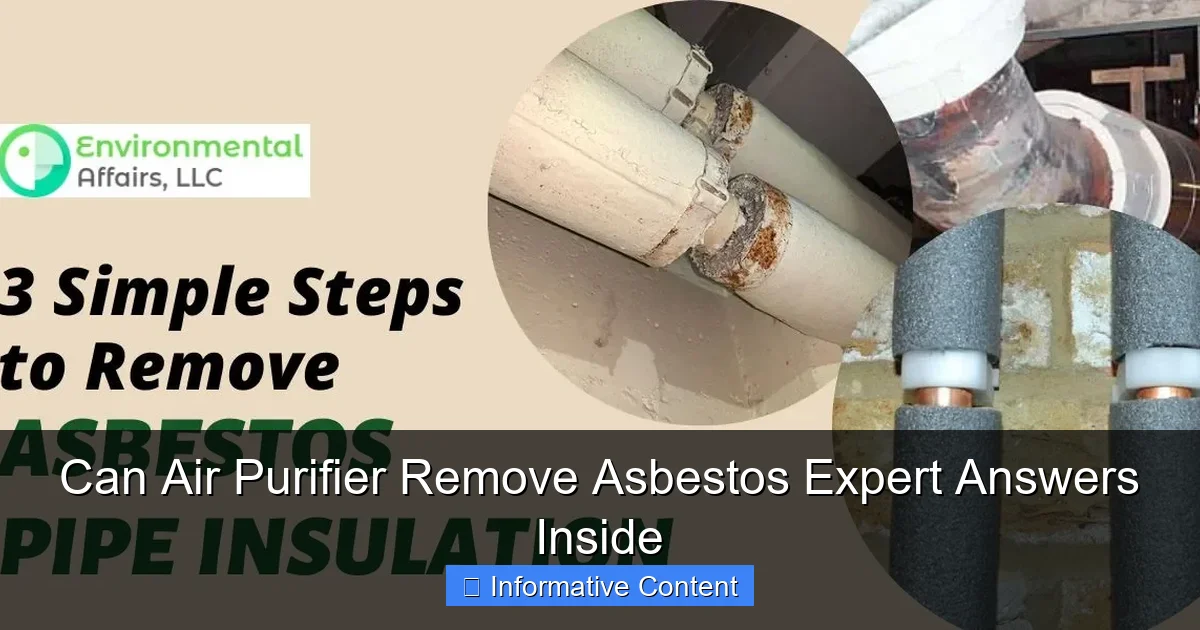
Visual guide about can air purifier remove asbestos
Image source: environmentalaffairsmi.files.wordpress.com
But here’s the catch: asbestos is only dangerous when it’s disturbed. Intact asbestos-containing materials (ACMs) are generally safe as long as they’re not damaged. However, when these materials are cut, sanded, drilled, or broken apart, they release microscopic fibers into the air. These fibers are so small—often less than 0.1 microns in diameter—that they can remain suspended for hours or even days.
How Asbestos Fibers Become Airborne
Once released, asbestos fibers behave like dust, but with a dangerous twist. Because they’re so lightweight and sharp, they don’t settle quickly. Instead, they can float around a room, get stirred up by foot traffic or HVAC systems, and even travel through walls and vents. This means that even if the original source is in one room, the fibers can spread throughout your entire home.
For example, imagine sanding down an old popcorn ceiling that contains asbestos. The fine dust created can easily become airborne and circulate through your living space. Without proper containment and filtration, those fibers could end up in your bedroom, kitchen, or even your child’s playroom.
Health Risks of Asbestos Exposure
The real danger lies in inhalation. When you breathe in asbestos fibers, they can become lodged deep in your lungs. Over time, this can cause inflammation, scarring, and genetic damage. The most serious conditions linked to asbestos include:
- Asbestosis: A chronic lung disease that causes shortness of breath and permanent lung damage.
- Lung cancer: Especially in people who smoke, asbestos exposure significantly increases the risk.
- Mesothelioma: A rare and aggressive cancer that affects the lining of the lungs, heart, or abdomen. It’s almost exclusively caused by asbestos exposure.
What’s especially troubling is that symptoms often don’t appear until 20 to 50 years after exposure. This long latency period means people may not realize they’ve been affected until it’s too late.
Why Air Purifiers Are Part of the Solution—But Not the Whole Answer
Given how easily asbestos fibers can spread and how harmful they are, it’s understandable that people turn to air purifiers for help. And while air purifiers can play a role in reducing airborne asbestos, they’re not a standalone fix. You can’t just plug in a purifier and assume you’re safe. Proper handling, containment, and professional removal are essential first steps.
Think of an air purifier as a supportive tool—like wearing a seatbelt in a car. It helps reduce risk, but it doesn’t replace safe driving. Similarly, an air purifier can help capture fibers that are already in the air, but it won’t stop new fibers from being released if the source isn’t properly managed.
How Air Purifiers Work: The Science Behind Filtration
The Basics of Air Filtration
To understand whether an air purifier can remove asbestos, it helps to know how these devices work. Most air purifiers use a combination of filters and fans to pull in dirty air, trap pollutants, and release clean air back into the room. The key is in the type of filter used.
There are several common types of air purifier technologies:
- HEPA filters: High-Efficiency Particulate Air filters are the gold standard for particle removal.
- Activated carbon filters: Great for odors and gases, but not effective for particles like asbestos.
- UV-C light: Kills bacteria and viruses, but doesn’t remove particles.
- Ionizers and electrostatic precipitators: Charge particles so they stick to surfaces, but can produce ozone.
For asbestos, the most relevant technology is HEPA filtration.
What Makes HEPA Filters So Effective?
HEPA filters are designed to capture at least 99.97% of particles that are 0.3 microns in size. That’s incredibly small—about 300 times smaller than the width of a human hair. Asbestos fibers typically range from 0.1 to 10 microns, which means most of them fall well within the HEPA filter’s capture range.
Here’s how it works: Air is pulled into the purifier by a fan and forced through a dense mat of fine fibers—usually made of glass or synthetic materials. As the air passes through, particles collide with the fibers and get trapped. Larger particles are caught by impaction, mid-sized ones by interception, and the tiniest ones by diffusion.
Because asbestos fibers are both small and lightweight, they’re especially susceptible to being captured by diffusion—a process where random air movement causes them to zigzag into the filter fibers.
Limitations of Air Purifiers
While HEPA filters are highly effective, they’re not perfect. Here are a few things to keep in mind:
- Air purifiers don’t stop the source: If asbestos-containing materials are still being disturbed, new fibers will keep entering the air. The purifier can only clean what’s already circulating.
- Room size matters: A purifier that works well in a small bedroom might not be powerful enough for a large living room. Always check the Clean Air Delivery Rate (CADR) and recommended room size.
- Filters need maintenance: Over time, HEPA filters become clogged and lose efficiency. Most need to be replaced every 6 to 12 months, depending on usage.
- Placement is key: Putting the purifier in a corner or behind furniture can block airflow. For best results, place it in an open area where air can circulate freely.
Also, be cautious of air purifiers that use ionizers or ozone generators. While they may claim to “clean” the air, they can actually make things worse by charging asbestos fibers and causing them to stick to walls, carpets, or furniture—making them harder to remove and potentially re-releasing them later.
Types of Air Purifiers That Can Help with Asbestos
HEPA Air Purifiers: The Best Choice for Asbestos
If you’re serious about reducing airborne asbestos, a HEPA air purifier is your best bet. These devices are specifically designed to trap ultrafine particles, and they’re widely used in hospitals, laboratories, and industrial settings where air quality is critical.
When shopping for a HEPA purifier, look for one that explicitly states it uses a “true HEPA” filter. Some cheaper models advertise “HEPA-type” or “HEPA-like” filters, but these don’t meet the same standards and may not capture smaller asbestos fibers effectively.
For example, the Honeywell HPA300 is a popular choice for large rooms. It has a high CADR and uses a true HEPA filter, making it suitable for spaces up to 465 square feet. Another solid option is the Blueair Blue Pure 211+, which combines a HEPA filter with a washable pre-filter to capture larger particles first, extending the life of the main filter.
Portable vs. Whole-House Systems
You’ll also need to decide between a portable air purifier and a whole-house system.
Portable purifiers are great for targeted use—like placing one in a room where asbestos work is being done. They’re affordable, easy to move, and can make a big difference in localized air quality. However, they only clean the air in one room at a time.
Whole-house systems, on the other hand, are installed directly into your HVAC system. They filter all the air that passes through your ductwork, providing consistent protection throughout your home. These are more expensive and require professional installation, but they’re ideal if you have widespread asbestos concerns or want long-term peace of mind.
Industrial-Grade Air Scrubbers
In cases of major asbestos disturbance—such as during demolition or large-scale renovations—professionals often use industrial air scrubbers. These are heavy-duty machines with multiple stages of filtration, including HEPA filters, and are designed to handle high volumes of contaminated air.
While you probably don’t need one for everyday use, it’s worth knowing they exist. If you’re dealing with a significant asbestos issue, hiring a certified abatement contractor who uses these tools is the safest approach.
What to Avoid: Ozone Generators and Ionizers
Some air purifiers market themselves as “air ionizers” or “ozone generators,” claiming they can “clean” the air by releasing charged particles. But the EPA and other health organizations strongly warn against these devices.
Ozone is a lung irritant and can worsen asthma and other respiratory conditions. More importantly, ionizers can cause asbestos fibers to clump together and settle on surfaces—only to be stirred up again later. This creates a hidden hazard that’s harder to clean and monitor.
Stick with HEPA-based systems. They’re safer, more effective, and backed by science.
Real-World Scenarios: When and How to Use an Air Purifier for Asbestos
During Minor Home Repairs
Let’s say you’re replacing a small section of flooring that might contain asbestos. You’ve taken precautions—wet-misting the area to reduce dust, wearing an N95 mask, and sealing off the room with plastic sheeting. In this case, running a HEPA air purifier in the room can help capture any fibers that do become airborne.
Place the purifier near the work area, but not so close that it blows dust around. Run it on the highest setting during and after the job, and leave it on for several hours—or even days—to ensure thorough cleaning.
After Professional Asbestos Removal
Even after certified contractors remove asbestos materials, there’s always a chance that some fibers remain in the air. This is why professionals often run air scrubbers during and after the job. Once they’re done, you can use a HEPA air purifier to maintain clean air and give yourself extra peace of mind.
It’s also a good idea to have the air tested by a licensed inspector before declaring the area safe. Air purifiers help, but they don’t replace professional verification.
In Older Homes with Unknown Materials
If you live in an older home and aren’t sure whether asbestos is present, a HEPA air purifier can be a smart preventive measure. While it won’t detect or remove asbestos from building materials, it can help reduce overall airborne particles—including any that might be released from aging materials.
Think of it as part of a broader indoor air quality strategy. Combine it with regular cleaning, proper ventilation, and avoiding DIY projects that could disturb old materials.
Emergency Situations: Sudden Damage or Disturbance
What if a pipe bursts and damages asbestos-containing insulation? Or a storm tears off part of your roof? In these cases, immediate action is crucial.
First, leave the area and avoid disturbing the material further. Seal off the room if possible. Then, contact a licensed asbestos abatement professional. While you wait, you can run a HEPA air purifier to help reduce airborne fibers—but don’t rely on it as your only defense.
Expert Tips for Safe Asbestos Management
Don’t DIY Asbestos Removal
This cannot be stressed enough: never attempt to remove asbestos yourself unless you’re trained and certified. Disturbing asbestos without proper equipment and containment can release a massive amount of fibers into your home, putting everyone at risk.
Certified abatement professionals have the tools, training, and protective gear to handle asbestos safely. They also know how to dispose of materials properly and test the air afterward to ensure it’s safe.
Test Before You Act
If you suspect asbestos, the first step is to get it tested. You can buy DIY test kits online, but for peace of mind, it’s better to hire a licensed inspector. They’ll take samples safely and send them to a lab for analysis.
Knowing exactly what you’re dealing with helps you make informed decisions—whether that’s encapsulation, removal, or simply monitoring the material.
Use Air Purifiers as a Supplement, Not a Substitute
Air purifiers are a helpful tool, but they’re not a magic solution. They work best when combined with other safety measures:
- Seal off work areas with plastic sheeting and tape.
- Use wet methods to minimize dust (e.g., misting before scraping).
- Wear proper PPE, including an N100 respirator.
- Clean thoroughly with a HEPA vacuum after work is done.
- Dispose of waste in sealed, labeled bags.
Think of your air purifier as one piece of a larger safety puzzle.
Maintain Your Air Purifier
To keep your purifier working effectively, follow the manufacturer’s maintenance schedule. Replace HEPA filters on time, clean pre-filters regularly, and check for signs of wear or damage.
A clogged or damaged filter won’t capture asbestos fibers properly—and could even release trapped particles back into the air.
Comparing Air Purifier Options: A Quick Reference Table
| Feature | HEPA Air Purifier | Ionizer/Ozone Generator | Activated Carbon Filter |
|---|---|---|---|
| Effectiveness Against Asbestos | High (captures 99.97% of 0.3-micron particles) | Low (may cause fibers to settle on surfaces) | None (designed for gases, not particles) |
| Safety | Safe when used properly | Not recommended (produces ozone) | Safe, but ineffective for asbestos |
| Best Use Case | Homes with asbestos concerns, post-removal cleanup | Not suitable for asbestos | Odor and chemical removal only |
| Maintenance | Filter replacement every 6–12 months | Varies; some require plate cleaning | Replace every 3–6 months |
| Cost | $$ (moderate to high) | $ (low to moderate) | $ (low) |
Final Thoughts: Can Air Purifier Remove Asbestos?
So, can an air purifier remove asbestos? The answer is a cautious yes—but only if it uses a true HEPA filter and is used correctly. HEPA air purifiers are highly effective at capturing airborne asbestos fibers, making them a valuable tool in reducing exposure risk. However, they are not a substitute for proper asbestos management.
Remember, the real danger comes from disturbing asbestos-containing materials. If you’re renovating an older home, suspect asbestos, or have experienced damage to building materials, your first step should always be to consult a certified professional. Air purifiers can help clean the air, but they can’t prevent fibers from being released in the first place.
Think of it this way: An air purifier is like a safety net. It’s there to catch what falls, but it’s far better to prevent the fall altogether. Use HEPA purifiers as part of a comprehensive approach that includes testing, containment, professional removal, and ongoing air quality monitoring.
Your health—and your family’s—is worth the extra care. With the right tools and knowledge, you can breathe easier, even in a home with a complicated past.
Frequently Asked Questions
Can an air purifier remove asbestos from indoor air?
Yes, a high-efficiency air purifier with a HEPA filter can capture asbestos fibers, which are typically 0.7–90 microns in size. However, air purifiers alone cannot eliminate existing asbestos materials—only professional abatement can do that safely.
What type of air purifier is best for asbestos removal?
For asbestos removal, choose an air purifier with a true HEPA filter (H13 or higher) that can trap 99.97% of particles as small as 0.3 microns. Avoid ionizers or ozone generators, as they don’t effectively capture fibers and may worsen air quality.
Do all air purifiers filter asbestos effectively?
No, only air purifiers with true HEPA filters are proven to filter asbestos. Standard or “HEPA-like” filters often fail to meet the rigorous standards needed to capture ultrafine asbestos particles.
How long does an air purifier take to remove asbestos particles?
The time depends on the room size, purifier CADR rating, and asbestos concentration. A high-performance air purifier can reduce airborne fibers within hours, but continuous use is recommended until professional cleanup is completed.
Can air purifiers replace asbestos abatement professionals?
No, air purifiers can only manage airborne asbestos fibers temporarily. Disturbed asbestos materials (e.g., insulation, tiles) require licensed abatement professionals to prevent fiber release and ensure safe removal.
Is a HEPA vacuum cleaner as effective as an air purifier for asbestos?
HEPA vacuum cleaners help remove settled asbestos dust but don’t address airborne fibers. Pairing a HEPA vacuum with an air purifier offers better protection, but neither replaces professional asbestos remediation.