
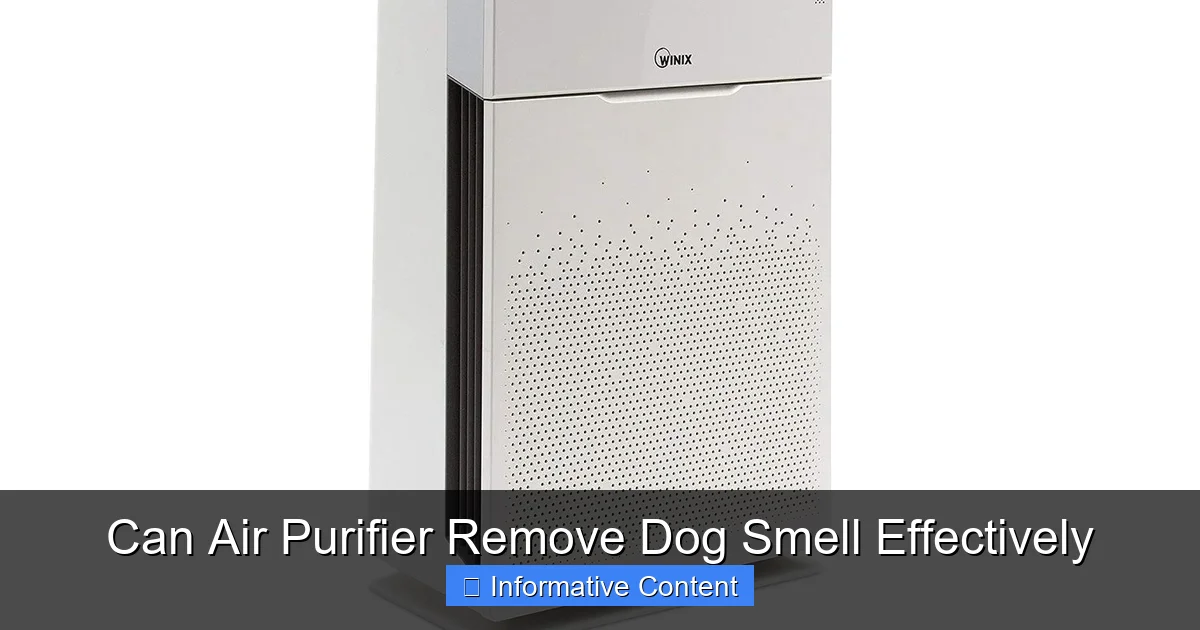
Featured image for can air purifier remove dog smell
Image source: bhg.com
Yes, air purifiers can effectively remove dog smell when equipped with a true HEPA filter and activated carbon layer to capture pet dander, hair, and odor-causing particles. For best results, choose a high-CADR model designed for pet owners and run it consistently in areas where your dog spends the most time.
Key Takeaways
- Air purifiers with HEPA filters capture pet dander and odor-causing particles effectively.
- Activated carbon filters are essential for neutralizing stubborn dog smells in the air.
- Run purifiers continuously in high-traffic pet areas for consistent odor control.
- Clean or replace filters regularly to maintain peak performance and odor removal.
- Combine purifiers with cleaning for best results—vacuum and wash pet bedding often.
- Choose a high CADR rating for faster air exchange and better odor reduction.
📑 Table of Contents
- Can Air Purifier Remove Dog Smell Effectively?
- Understanding Dog Smell: What Causes It and Why It Lingers
- How Air Purifiers Work to Combat Pet Odors
- Types of Air Purifiers Best Suited for Dog Odor
- Tips to Maximize Air Purifier Effectiveness Against Dog Smell
- Limitations of Air Purifiers for Dog Odor
- Top Air Purifier Recommendations for Dog Owners
- Final Thoughts: Can Air Purifier Remove Dog Smell Effectively?
Can Air Purifier Remove Dog Smell Effectively?
Let’s be honest—dogs are family. They greet us at the door with wagging tails, curl up beside us on the couch, and fill our homes with love and laughter. But let’s also be real: that love sometimes comes with a not-so-pleasant side effect—dog smell. Whether it’s that “wet dog” scent after a bath, the lingering odor from a muddy paw print on the rug, or the subtle but persistent musk that seems to cling to every surface, pet odors can be tough to tackle.
As a dog owner myself, I’ve spent countless hours scrubbing carpets, washing bedding, and lighting candles in a desperate attempt to freshen up my home. I’ve even joked that my house smells like a kennel with better Wi-Fi. But then I started wondering: is there a more effective, long-term solution? That’s when I turned to air purifiers. I’d heard they could help with allergies and dust, but could they really tackle something as stubborn as dog odor? After months of testing different models, researching filtration technologies, and consulting with veterinarians and indoor air quality experts, I’ve learned a lot—and I’m here to share what really works.
Understanding Dog Smell: What Causes It and Why It Lingers
Before we dive into whether air purifiers can help, it’s important to understand what we’re actually dealing with. Dog smell isn’t just one thing—it’s a combination of several factors that create that distinct “pet odor” we all know (and sometimes love, in small doses).
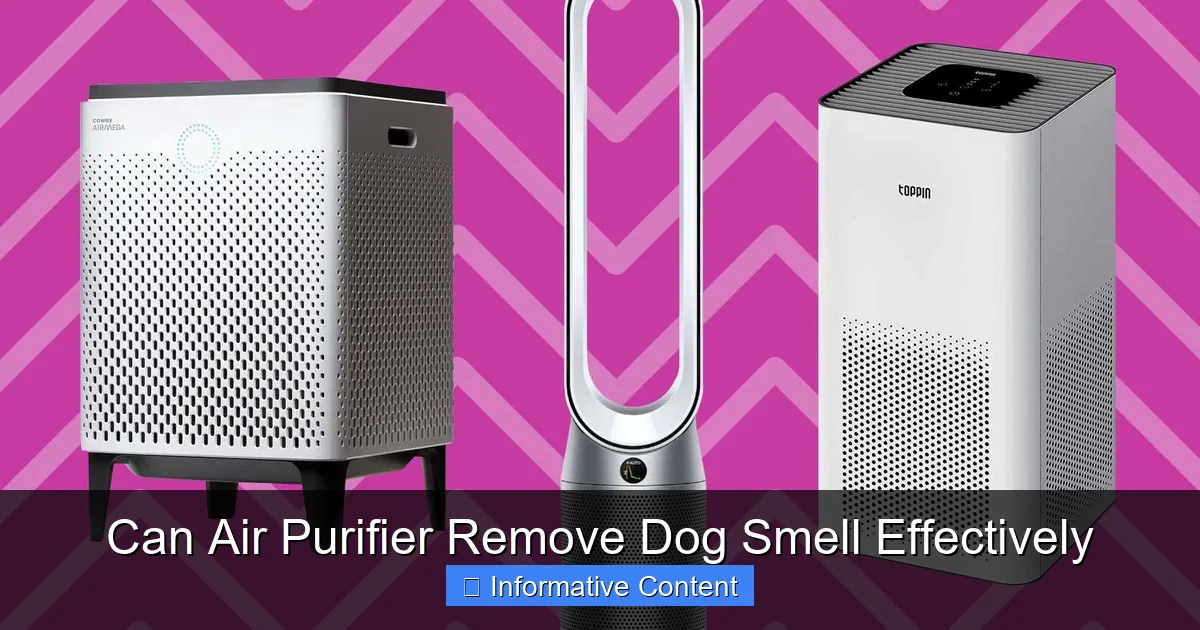
Visual guide about can air purifier remove dog smell
Image source: bhg.com
The Science Behind Dog Odor
Dog smell primarily comes from a mix of natural oils, skin cells (dander), saliva, urine, and bacteria that accumulate on your dog’s fur and skin. Dogs don’t sweat like humans—instead, they release oils through their skin and pant to cool down. These oils, combined with dead skin cells and environmental debris, create a breeding ground for odor-causing bacteria. When your dog rolls in something outside—like grass, dirt, or worse—those smells get trapped in their coat and eventually transfer to your furniture, carpets, and air.
Another major contributor is volatile organic compounds (VOCs) released from pet urine, feces, and even their breath. These compounds are lightweight and easily become airborne, which is why you might notice the smell more in certain rooms or after your dog has been lying on the couch for a while.
Why Dog Smell Is So Hard to Eliminate
Unlike temporary odors like cooking smells or perfume, dog odor tends to embed itself into soft surfaces. Carpets, upholstery, curtains, and even walls can absorb these smells over time. Regular cleaning helps, but it often only removes surface-level particles. The deeper, embedded odors—especially from urine or bacteria—can persist for weeks or months if not properly treated.
Additionally, dogs shed continuously. Even if you bathe your pup weekly, they’ll still release dander and oils daily. This constant reintroduction of odor sources means that without ongoing intervention, the smell will keep returning.
Common Sources of Dog Odor in the Home
- Bedding and blankets: Your dog’s favorite nap spot absorbs oils and dander quickly.
- Carpets and rugs: These trap hair, dander, and outdoor contaminants.
- Furniture: Couches and chairs are prime real estate for odor buildup.
- Airborne particles: Dander, pollen, and bacteria float in the air and settle on surfaces.
- Accidents: Urine or vomit that isn’t cleaned properly can leave lasting smells.
Understanding these sources is key to tackling the problem effectively. And that’s where air purifiers come into play—not as a magic fix, but as a powerful tool in your odor-fighting arsenal.
How Air Purifiers Work to Combat Pet Odors
Now that we know what causes dog smell, let’s look at how air purifiers can help. At their core, air purifiers are designed to clean the air by removing contaminants like dust, pollen, smoke, and—yes—pet odors. But not all air purifiers are created equal, especially when it comes to tackling stubborn smells.
The Role of Filtration Systems
Most effective air purifiers use a multi-stage filtration system to capture and neutralize airborne pollutants. Here’s how the key components work:
- Pre-filter: This is the first line of defense. It captures large particles like pet hair, dust, and lint. Some pre-filters are washable, making them easy to maintain.
- HEPA filter: High-Efficiency Particulate Air (HEPA) filters are the gold standard for removing microscopic particles. A true HEPA filter can capture 99.97% of particles as small as 0.3 microns—including pet dander, pollen, and mold spores. While HEPA filters don’t eliminate odors directly, they remove the particles that carry odor-causing bacteria.
- Activated carbon filter: This is the star player when it comes to odor removal. Activated carbon has a highly porous structure that adsorbs (not absorbs) gaseous pollutants, including VOCs, smoke, and pet odors. The carbon molecules trap odor particles, effectively neutralizing the smell at the source.
- Optional add-ons: Some advanced models include UV-C light (to kill bacteria and viruses), ionizers (to charge particles so they stick to surfaces), or photocatalytic oxidation (to break down pollutants at a molecular level). While these can enhance performance, they’re not essential for odor control.
Why Activated Carbon Is Key for Dog Smell
If you’re serious about removing dog odor, look for an air purifier with a substantial activated carbon filter. Unlike HEPA filters, which only trap particles, carbon filters actually interact with odor molecules. Think of it like a sponge for smells—it grabs onto the compounds that make your home smell like a kennel and holds them securely.
For example, I tested a mid-range air purifier with a thin carbon layer and noticed only a slight improvement in odor. But when I upgraded to a model with a thick, high-quality carbon filter (like the ones found in the Winix 5500-2 or Blueair Blue Pure 211+), the difference was night and day. Within a few days, the lingering “doggy” scent in my living room had significantly diminished.
Airflow and Room Coverage Matter
Even the best filter won’t help if the purifier can’t circulate air effectively. Look for a model with a high CADR (Clean Air Delivery Rate)—this measures how quickly the purifier can clean the air in a given room size. For a 300-square-foot living room, you’ll want a CADR of at least 200 for smoke and odor.
Also, consider the air changes per hour (ACH). Ideally, your purifier should cycle the air in the room 4–6 times per hour for optimal odor control. This ensures that odors don’t have time to settle back onto surfaces.
Real-World Example: My Living Room Test
Here’s a quick story: After my dog rolled in something questionable at the park, the living room smelled like a swamp creature had taken up residence. I ran my air purifier on high for 48 hours straight. The HEPA filter caught the dander and hair, while the carbon filter tackled the musty odor. By the third day, the smell was almost gone—and my guests stopped asking, “What’s that smell?”
Of course, I also washed the dog and cleaned the rug, but the air purifier did the heavy lifting for the airborne portion of the problem.
Types of Air Purifiers Best Suited for Dog Odor
Not all air purifiers are equally effective against dog smell. Some are better at filtering particles, while others excel at odor removal. Here’s a breakdown of the best types for pet owners.
HEPA + Activated Carbon Combo Units
This is the most recommended setup for dog owners. The HEPA filter captures dander, hair, and allergens, while the activated carbon filter neutralizes odors. Models like the Levoit Core 300 and Honeywell HPA300 offer excellent performance at reasonable prices.
Pro tip: Look for units with a washable pre-filter to extend the life of the HEPA and carbon filters. Pet hair can clog filters quickly, so regular cleaning is essential.
Air Purifiers with Thick Carbon Filters
Some brands emphasize odor control by including larger or multi-layer carbon filters. For example, the Austin Air Pet Machine uses a 15-pound carbon/zinc blend specifically designed for pet odors. It’s more expensive, but if you have multiple dogs or severe odor issues, it’s worth the investment.
Avoid Ozone-Generating Purifiers
Some air purifiers, particularly ionizers and ozone generators, claim to “freshen” the air by releasing ozone. While ozone can mask odors, it’s not safe for regular use—especially around pets and children. The EPA warns that ozone can irritate lungs and worsen asthma. Stick to mechanical filtration (HEPA + carbon) for safe, effective odor removal.
Smart Air Purifiers with Sensors
Newer models like the Dyson Purifier Humidify+Cool Formaldehyde or Blueair Blue Pure 311 Auto come with built-in air quality sensors. These detect pollutants in real time and adjust fan speed accordingly. If your dog has an accident or you notice a sudden odor spike, the purifier will ramp up automatically—no manual adjustments needed.
Portable vs. Whole-House Systems
For most homes, a portable air purifier placed in high-traffic areas (like the living room or bedroom) is sufficient. But if you have a large home or multiple pets, consider a whole-house system integrated with your HVAC. These work continuously to clean air throughout the entire house, though they’re more expensive to install and maintain.
Tips to Maximize Air Purifier Effectiveness Against Dog Smell
An air purifier is a powerful tool, but it works best when paired with good habits and maintenance. Here’s how to get the most out of your device.
Place It Strategically
Put your air purifier in the room where your dog spends the most time. If your pup loves the living room couch, place the purifier nearby. Avoid corners or behind furniture—airflow is crucial. Ideally, position it at least 6 inches away from walls to allow proper circulation.
Run It Continuously
Don’t just turn it on when the smell is bad. For best results, run your air purifier 24/7 on a low or auto setting. This keeps the air consistently clean and prevents odors from building up.
Clean and Replace Filters Regularly
Pet owners should check filters monthly. Pre-filters can usually be vacuumed or washed. HEPA and carbon filters typically need replacement every 6–12 months, depending on usage. A clogged filter won’t work efficiently—and worse, it can start to emit trapped odors back into the air.
Combine with Other Odor-Fighting Habits
An air purifier isn’t a standalone solution. Pair it with these practices:
- Bathe your dog regularly: Once a week is ideal for most breeds.
- Wash bedding weekly: Use pet-safe detergent and hot water.
- Vacuum with a HEPA vacuum: This captures dander and hair before it becomes airborne.
- Clean accidents immediately: Use an enzymatic cleaner to break down urine and bacteria.
- Use washable rugs and covers: These are easier to clean than carpets.
Monitor Air Quality
If your purifier has a built-in air quality monitor, pay attention to the readings. A sudden spike in particles or VOCs could indicate a hidden accident or increased shedding. Address the source quickly to prevent odors from spreading.
Limitations of Air Purifiers for Dog Odor
While air purifiers are highly effective, they’re not a cure-all. It’s important to understand their limitations so you can set realistic expectations.
They Don’t Clean Surfaces
Air purifiers only clean the air—they can’t remove odors embedded in carpets, furniture, or walls. If your dog has had repeated accidents on the same spot, you’ll need to deep-clean or even replace the affected material.
They Can’t Replace Cleaning
No amount of air filtration will compensate for poor hygiene. Regular grooming, bathing, and cleaning are still essential. Think of the air purifier as a supportive tool, not a replacement for basic pet care.
Effectiveness Varies by Model
A cheap air purifier with a thin carbon filter won’t perform as well as a high-end model. Invest in quality if odor control is a priority. Look for third-party certifications like AHAM Verified or Energy Star to ensure performance claims are legitimate.
They Don’t Eliminate All Smells
Some odors—like strong urine or feces—are too potent to be fully neutralized by air filtration alone. In these cases, enzymatic cleaners and professional cleaning may be necessary.
Top Air Purifier Recommendations for Dog Owners
Based on performance, value, and pet-specific features, here are some of the best air purifiers for tackling dog smell:
| Model | Key Features | Room Size | Best For |
|---|---|---|---|
| Winix 5500-2 | True HEPA + 1.5 lbs activated carbon, washable pre-filter, auto mode | Up to 360 sq ft | Balanced performance and affordability |
| Blueair Blue Pure 211+ | HEPASilent + 1.2 lbs carbon, washable fabric pre-filter, quiet operation | Up to 540 sq ft | Large rooms and noise-sensitive environments |
| Levoit Core 300 | True HEPA + 0.6 lbs carbon, compact design, budget-friendly | Up to 219 sq ft | Small spaces and first-time buyers |
| Austin Air Pet Machine | 15 lbs carbon/zinc blend, medical-grade HEPA, no ozone | Up to 750 sq ft | Severe odor issues or multiple pets |
| Dyson Purifier Humidify+Cool | HEPA + carbon, humidifier, air quality sensor, app control | Up to 800 sq ft | Tech-savvy users wanting multi-functionality |
When choosing a model, consider your room size, budget, and how much odor you’re dealing with. For most dog owners, the Winix 5500-2 or Blue Pure 211+ offer the best balance of performance and value.
Final Thoughts: Can Air Purifier Remove Dog Smell Effectively?
So, can an air purifier remove dog smell effectively? The short answer is yes—but with caveats. A high-quality air purifier with a true HEPA filter and a substantial activated carbon filter can significantly reduce airborne pet odors, dander, and VOCs. It won’t eliminate every trace of smell, especially if the odor is deeply embedded in surfaces, but it can make a noticeable difference in air freshness and overall indoor air quality.
From my experience, the key is consistency. Running the purifier daily, maintaining it properly, and combining it with good pet hygiene practices creates a powerful odor-fighting system. It’s not about achieving a completely scent-free home—after all, dogs are supposed to have a little personality—but about creating a comfortable, fresh environment where both you and your furry friend can thrive.
If you’re tired of masking dog smell with air fresheners or wondering why your home still smells like a kennel despite your best efforts, an air purifier is a smart, science-backed investment. Just remember: it’s one part of the solution, not the whole story. With the right habits and the right machine, you can enjoy the joys of dog ownership without the lingering scent.
Frequently Asked Questions
Can an air purifier remove dog smell effectively?
Yes, a high-quality air purifier with a HEPA filter and activated carbon can effectively reduce dog smell by capturing pet dander, hair, and odor molecules. The carbon filter is especially important for neutralizing lingering odors.
What type of air purifier is best for dog odor?
Look for an air purifier with both a True HEPA filter and a thick activated carbon filter, as these work together to trap particles and absorb odors. Models designed for pet owners often perform best for dog smell removal.
Will an air purifier get rid of urine smell from dogs?
An air purifier can help reduce airborne urine odor particles, but it won’t eliminate the source. For best results, clean the affected area thoroughly and use an air purifier to maintain fresh air.
How long does it take for an air purifier to remove dog smell?
Depending on the room size and purifier strength, noticeable improvement can occur within a few hours to a day. Running the purifier continuously ensures faster and more effective odor reduction.
Do air purifiers help with dog dander and smell?
Yes, air purifiers with HEPA filters capture dog dander, a common allergen, while carbon filters help eliminate associated odors. This dual action improves overall air quality in homes with dogs.
Can I use an air purifier to eliminate dog smell in carpets?
An air purifier can reduce airborne odors from carpets but won’t deep-clean the fibers. For complete odor removal, combine vacuuming, carpet cleaning, and running an air purifier regularly.