
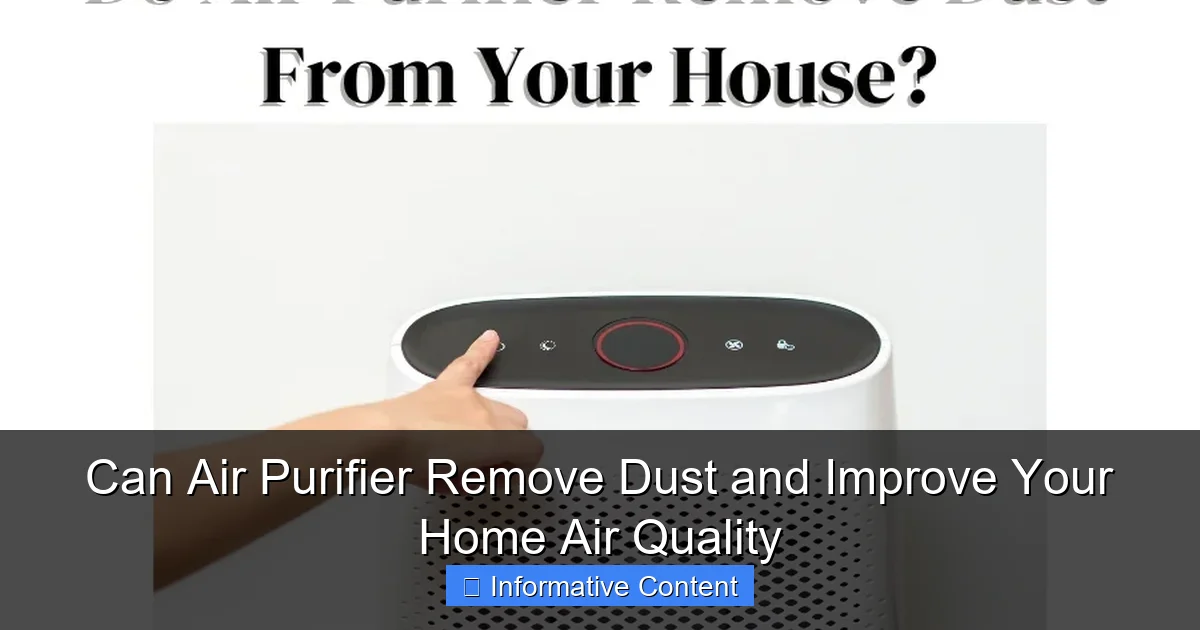
Featured image for can air purifier remove dust
Image source: airqualityindex.org
Yes, air purifiers can effectively remove dust from your home by capturing airborne particles as small as 0.3 microns using HEPA filters. With consistent use, they significantly reduce dust buildup on surfaces and improve overall indoor air quality, especially in high-traffic or pet-heavy homes.
Key Takeaways
- Air purifiers effectively capture dust when equipped with HEPA filters.
- Choose HEPA grade H13 or higher for maximum dust removal efficiency.
- Place purifiers in high-traffic areas like bedrooms or living rooms.
- Run purifiers continuously to maintain low dust levels daily.
- Combine with regular cleaning for best dust control results.
- Check CADR ratings above 300 for optimal dust-cleaning performance.
📑 Table of Contents
- Can Air Purifier Remove Dust and Improve Your Home Air Quality
- How Air Purifiers Work to Capture Dust
- Types of Dust and How Air Purifiers Handle Them
- Real-World Benefits of Using an Air Purifier for Dust
- Choosing the Right Air Purifier for Dust Removal
- Tips to Maximize Dust Removal with an Air Purifier
- Common Misconceptions About Air Purifiers and Dust
- Data Table: Air Purifier Performance for Dust Removal
- Final Thoughts: Is an Air Purifier Worth It for Dust?
Can Air Purifier Remove Dust and Improve Your Home Air Quality
Imagine walking into your living room after a long day, kicking off your shoes, and taking a deep breath—only to feel a tickle in your throat and notice a fine layer of gray powder on your coffee table. Sound familiar? That’s dust, the silent intruder that seems to appear no matter how often you clean. It’s not just unsightly; it can trigger allergies, worsen asthma, and make your home feel less inviting. If you’ve ever wondered, “Can air purifier remove dust?” you’re not alone. In fact, you’re asking one of the most common—and important—questions about indoor air quality.
As someone who’s battled seasonal allergies and lived in both dusty city apartments and pollen-heavy suburbs, I’ve tried everything from vacuuming twice a day to hanging damp towels to trap particles. While cleaning helps, it’s never enough. That’s when I turned to an air purifier—and honestly, it changed the game. But before you rush out to buy one, it’s worth understanding exactly how these devices work, what they can (and can’t) do, and whether they’re truly effective at removing dust. The good news? Yes, air purifiers can significantly reduce dust in your home—but only if you choose the right one and use it correctly.
How Air Purifiers Work to Capture Dust
To understand whether an air purifier can remove dust, it helps to know what’s going on inside the machine. At their core, most air purifiers use a fan to pull air from the room through a series of filters. These filters trap airborne particles like dust, pollen, pet dander, and even mold spores. The cleaned air is then pushed back into the room, creating a continuous cycle of purification.
Visual guide about can air purifier remove dust
Image source: hvacseer.com
The Role of HEPA Filters
The most effective air purifiers for dust removal use HEPA (High-Efficiency Particulate Air) filters. These aren’t your average filters—they’re designed to capture at least 99.97% of particles as small as 0.3 microns. To put that in perspective, a human hair is about 75 microns thick, so we’re talking about trapping particles far smaller than what you can see. Dust mites, for example, are around 100–300 microns, but their waste particles—which are the real allergy triggers—are much smaller and easily caught by HEPA filters.
I remember the first time I opened up my air purifier after running it for a month. The filter was coated in a grayish film—proof that it had been working hard to pull dust out of the air. It was both gross and reassuring. That visual confirmation made me a believer.
Other Filter Types and Their Limitations
Not all air purifiers use HEPA filters. Some rely on activated carbon filters, which are great for odors and gases but do little to capture dust. Others use ionizers or UV light, which can help reduce airborne contaminants but aren’t as effective at trapping physical particles like dust.
For example, ionizers release charged ions that attach to dust particles, causing them to fall out of the air and onto surfaces. While this reduces airborne dust, it doesn’t remove it from your home—it just moves it to your floors and furniture, where you’ll eventually have to clean it up. That’s why HEPA-based purifiers are generally the best choice for dust removal.
Airflow and Room Coverage Matter
Even the best filter won’t help if the purifier isn’t moving enough air. Look for a model with a high CADR (Clean Air Delivery Rate), which measures how quickly the unit can clean the air in a given space. A purifier with a CADR of 300 for dust means it can remove dust particles from a 300-square-foot room more effectively than one with a lower rating.
Also, make sure the purifier is sized for your room. Running a small desktop purifier in a large living room is like trying to empty a swimming pool with a teaspoon. I learned this the hard way when I bought a compact model for my 400-square-foot bedroom—it barely made a dent in the dust levels. Upgrading to a larger unit with better coverage made a noticeable difference within days.
Types of Dust and How Air Purifiers Handle Them
Not all dust is created equal. Understanding the different types of household dust can help you choose the right air purifier and set realistic expectations.
Indoor Dust Sources
Household dust is a mix of dead skin cells, fabric fibers, pet dander, soil tracked in from outside, and microscopic particles from cooking and cleaning products. Over time, these particles settle on surfaces but are constantly stirred back into the air by movement, HVAC systems, and even just walking around.
For instance, every time I vacuum or fluff a pillow, I’m releasing dust back into the air. That’s why cleaning alone isn’t enough—you need a system that continuously captures airborne particles before they settle.
Outdoor Dust and Pollutants
Dust doesn’t just come from inside. Pollen, soot, and industrial pollutants can enter your home through open windows, doors, and even on your clothes and shoes. These particles are often smaller and more irritating than indoor dust, making them harder to remove with regular cleaning.
During high-pollen seasons, I noticed my allergies spiked even when I kept windows closed. That’s because tiny particles can still sneak in. An air purifier with a HEPA filter helped reduce my symptoms by capturing these outdoor invaders before they could settle in.
Microscopic Dust and Allergens
Some of the most problematic dust components are invisible to the naked eye. Dust mite feces, mold spores, and bacteria can be as small as 0.3 to 10 microns. These are the particles that trigger allergic reactions and respiratory issues.
Studies have shown that using a HEPA air purifier can reduce airborne allergens by up to 90% in controlled environments. In my own experience, running a purifier in my bedroom at night led to fewer morning sniffles and less eye irritation—especially during allergy season.
Real-World Benefits of Using an Air Purifier for Dust
Beyond the science, the real test of an air purifier is how it impacts your daily life. Here’s what you can expect when you start using one to tackle dust.
Reduced Allergy and Asthma Symptoms
If you or someone in your household suffers from allergies or asthma, an air purifier can be a game-changer. By removing dust and other allergens from the air, it reduces the triggers that cause sneezing, coughing, and difficulty breathing.
I have a friend with severe dust mite allergies who used to wake up congested every morning. After installing a HEPA air purifier in her bedroom, she noticed a dramatic improvement within a week. She still cleans regularly, but she says the purifier gives her peace of mind—and better sleep.
Less Frequent Cleaning
One of the most surprising benefits I’ve experienced is how much less I have to clean. With less dust circulating in the air, surfaces stay cleaner longer. I used to wipe down my nightstand every other day; now, I can go a full week without seeing a noticeable layer of dust.
This doesn’t mean you can skip cleaning altogether—dust will still settle over time—but it does reduce the frequency and intensity of your cleaning routine. That’s a win for anyone with a busy schedule.
Improved Sleep and Overall Comfort
Cleaner air doesn’t just help your lungs—it can improve your sleep quality. When you’re not breathing in irritants all night, you’re less likely to wake up with a stuffy nose or dry throat. Many people report feeling more rested and alert after using an air purifier regularly.
I started running my purifier on a low setting at night, and within a few days, I noticed I was falling asleep faster and waking up less often. It’s a small change, but it made a big difference in how I felt each morning.
Choosing the Right Air Purifier for Dust Removal
Not all air purifiers are created equal. To get the best results, you need to choose a model that’s specifically designed to handle dust.
Look for True HEPA Certification
Beware of marketing terms like “HEPA-like” or “HEPA-type.” These filters may look similar, but they don’t meet the strict standards of a true HEPA filter. Only a certified HEPA filter can guarantee 99.97% efficiency at capturing 0.3-micron particles.
When shopping, check the product specifications for “True HEPA” or “HEPA H13” certification. These labels ensure you’re getting a filter that actually works.
Consider Room Size and CADR
Match the purifier to your room size. Most manufacturers provide a recommended room size—don’t exceed it. For example, a purifier rated for 300 square feet won’t be effective in a 500-square-foot space.
Also, check the CADR for dust. A higher number means faster and more efficient cleaning. Aim for a CADR of at least 200 for dust in a standard bedroom or living room.
Noise Level and Energy Use
You’ll likely run your purifier for hours at a time, so consider noise and energy consumption. Some models have a “sleep mode” that runs quietly on low power, making them ideal for nighttime use.
I prefer a purifier with multiple fan speeds so I can adjust it based on need. On high, it’s a bit noisy—great for quick cleaning after vacuuming—but on low, it’s nearly silent and perfect for overnight use.
Filter Replacement and Maintenance
HEPA filters don’t last forever. Most need to be replaced every 6 to 12 months, depending on usage and air quality. Some models have indicator lights that alert you when it’s time for a change.
Don’t skip this step. A clogged filter loses efficiency and can even blow dust back into the room. I set a calendar reminder every six months to check and replace my filter—it’s a small habit that keeps the purifier working at its best.
Tips to Maximize Dust Removal with an Air Purifier
An air purifier is a powerful tool, but it works best when paired with good habits and smart usage.
Run It Continuously
For the best results, run your purifier 24/7, especially in high-traffic areas like the bedroom or living room. Dust is always circulating, so continuous operation keeps the air cleaner over time.
I keep mine on all the time, even when I’m not home. It’s like having a silent guardian working behind the scenes to keep the air fresh.
Place It Strategically
Position the purifier in a central location with good airflow. Avoid placing it behind furniture or in a corner where air can’t circulate freely. Ideally, it should be at least a foot away from walls and obstacles.
In my living room, I placed the purifier near the center, away from the sofa and TV stand. This allows it to draw in air from all directions and push clean air back out efficiently.
Combine with Regular Cleaning
An air purifier isn’t a replacement for cleaning—it’s a complement. Vacuum regularly with a HEPA-filter vacuum, dust surfaces with a damp cloth, and wash bedding weekly in hot water to reduce dust mites.
I’ve found that using both methods together gives the best results. The purifier handles airborne particles, while cleaning removes what’s already settled.
Seal Windows and Doors
To reduce the amount of outdoor dust entering your home, keep windows and doors closed during high-pollen or high-pollution days. Use weather stripping to seal gaps and consider an air purifier with a pre-filter to catch larger particles before they reach the HEPA filter.
During wildfire season, I noticed a huge difference when I sealed my windows and ran the purifier on high. The air inside stayed noticeably cleaner, even when the air quality index outside was in the red.
Common Misconceptions About Air Purifiers and Dust
Despite their popularity, air purifiers are often misunderstood. Let’s clear up some common myths.
“Air Purifiers Eliminate All Dust”
No device can remove 100% of dust. Air purifiers reduce airborne particles, but dust will still settle on surfaces over time. Think of it as slowing down the accumulation, not stopping it entirely.
It’s like using a sponge to dry a wet floor—you’re removing the water, but you still need to wipe the surface to get it completely dry.
“Bigger Is Always Better”
While larger units can cover more space, they’re not always necessary. A well-sized purifier for your room will perform better than an oversized one that’s underused. Focus on matching the unit to your space, not just buying the biggest model available.
“All Air Purifiers Are the Same”
There’s a huge range in quality and effectiveness. A $50 ionizer won’t perform like a $300 HEPA purifier. Invest in a reputable brand with proven performance and avoid cheap knockoffs that make big promises but deliver little results.
“You Don’t Need One If You Clean Often”
Cleaning removes settled dust, but it doesn’t address what’s floating in the air. In fact, vacuuming and dusting can stir up particles, making the air temporarily worse. An air purifier captures those particles before they settle again.
I used to think frequent cleaning was enough—until I realized I was just moving dust around. The purifier helped break that cycle.
Data Table: Air Purifier Performance for Dust Removal
| Air Purifier Type | Filter Type | Dust Removal Efficiency | Best For | Limitations |
|---|---|---|---|---|
| HEPA Air Purifier | True HEPA | 99.97% of particles ≥0.3 microns | Allergies, asthma, dust-heavy homes | Requires filter replacement; higher cost |
| Ionizer | Electrostatic plates | Reduces airborne dust; particles fall to surfaces | Quick dust reduction | Doesn’t remove dust; may produce ozone |
| Activated Carbon | Carbon filter | Minimal dust removal | Odors, smoke, chemicals | Not effective for dust |
| UV-C Light | UV lamp | Kills microbes; little effect on dust | Germ reduction | Doesn’t capture particles |
| Hybrid (HEPA + Carbon) | HEPA + Carbon | High dust removal + odor control | Comprehensive air cleaning | Higher cost; more frequent filter changes |
Final Thoughts: Is an Air Purifier Worth It for Dust?
So, can air purifier remove dust? The short answer is yes—especially if it uses a true HEPA filter and is properly sized for your space. While it won’t eliminate dust entirely, it can significantly reduce airborne particles, improve your indoor air quality, and make your home feel cleaner and more comfortable.
From my own experience, the benefits go beyond just less dust on the furniture. I sleep better, sneeze less, and spend fewer hours cleaning. For anyone dealing with allergies, asthma, or just a dusty home, an air purifier is a worthwhile investment.
But remember: it’s not a magic solution. Pair it with regular cleaning, proper maintenance, and smart habits for the best results. Choose a quality model, run it consistently, and don’t forget to replace the filter. Do that, and you’ll breathe easier—literally.
At the end of the day, clean air is priceless. And if a simple machine can help you get it, why not give it a try?
Frequently Asked Questions
Can an air purifier remove dust from your home?
Yes, most air purifiers are highly effective at removing dust from indoor air. They use filters, such as HEPA filters, to capture dust particles as small as 0.3 microns, significantly reducing airborne dust levels.
How do air purifiers trap dust particles?
Air purifiers draw in room air and pass it through a series of filters, with HEPA filters being the most common for dust removal. These filters trap dust, pollen, and other allergens, releasing cleaner air back into the room.
Will an air purifier help with dust on surfaces?
While air purifiers reduce airborne dust, they don’t eliminate dust that has already settled on surfaces. Regular cleaning is still needed, but using an air purifier can slow down dust buildup over time.
What type of air purifier is best for dust removal?
Air purifiers with true HEPA filters are the best choice for removing dust, as they capture 99.97% of particles. Look for models specifically designed for allergens and indoor air quality improvement.
Can an air purifier reduce dust mites and allergens?
Yes, air purifiers can help reduce dust mites and allergens by trapping their waste particles and body fragments. This improves overall air quality and may alleviate allergy symptoms.
How often should I run my air purifier to control dust?
For optimal dust control, run your air purifier continuously or at least several hours a day, especially in high-traffic or dusty areas. Regular use ensures consistent air filtration and better indoor air quality.