
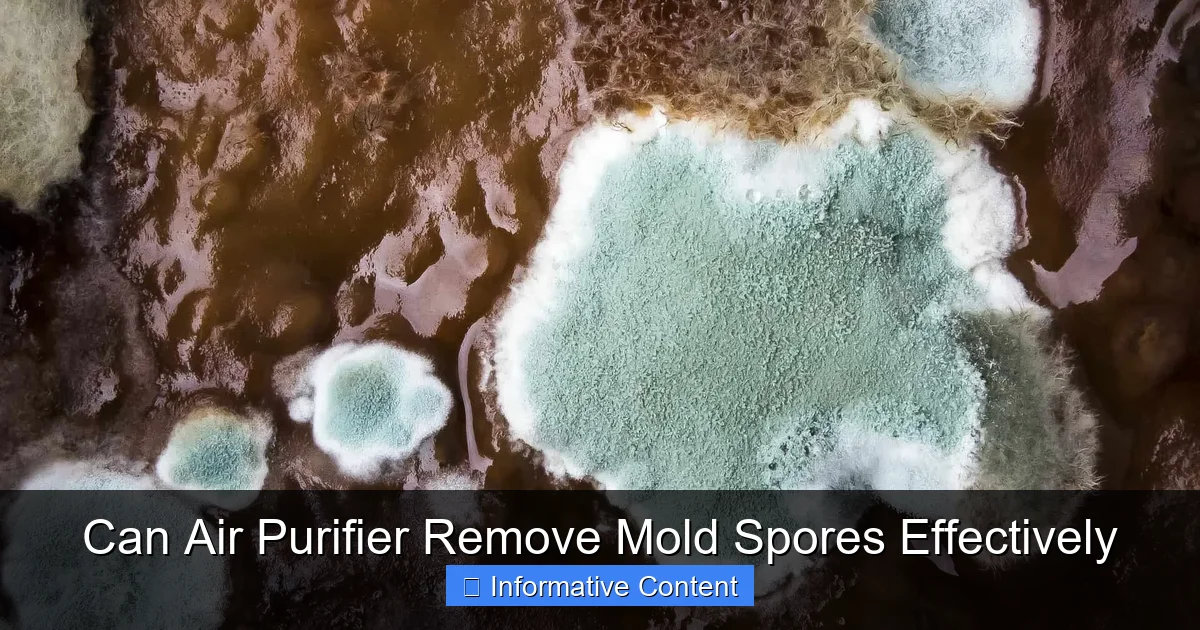
Featured image for can air purifier remove mold spores
Image source: usairpurifiers.com
Yes, air purifiers can effectively remove mold spores from the air, especially models equipped with a true HEPA filter that captures particles as small as 0.3 microns. When paired with activated carbon and proper room coverage, these devices significantly reduce airborne mold, helping improve indoor air quality and lower health risks.
Key Takeaways
- Air purifiers with HEPA filters effectively capture mold spores from the air.
- Choose purifiers with activated carbon filters to reduce mold odors and VOCs.
- Regular maintenance is essential to ensure optimal mold spore removal.
- Purifiers work best in enclosed spaces with limited outdoor air exchange.
- Address moisture sources first to prevent mold regrowth and improve air quality.
- Use air purifiers as part of a comprehensive mold control strategy, not a standalone solution.
📑 Table of Contents
Can Air Purifier Remove Mold Spores Effectively
Imagine walking into your home after a long day, looking forward to breathing in some fresh, clean air—only to be greeted by that unmistakable musty smell. You check the corners of your bathroom, peek under the sink, and sure enough, there it is: a patch of dark, fuzzy mold creeping along the wall. Your first thought? “Is this in the air I’m breathing?” And then, the next logical question: “Can an air purifier help?”
If you’ve ever dealt with mold—whether it’s in your basement, bathroom, or behind a leaky window—you’re not alone. Mold is one of the most common indoor air quality issues, especially in humid climates or older homes. It doesn’t just look gross; it can trigger allergies, worsen asthma, and even lead to respiratory infections in sensitive individuals. The tiny spores released by mold are invisible to the naked eye, but they float around your home like invisible invaders, settling on surfaces or being inhaled directly. So, it’s only natural to wonder: can an air purifier actually remove mold spores from the air and make your home safer?
The short answer is: yes, air purifiers can help remove mold spores—but not all air purifiers are created equal, and they’re not a magic fix. Think of them as one important tool in your mold-fighting toolkit, not a standalone solution. In this guide, we’ll dive deep into how air purifiers work against mold, what types are most effective, and what else you need to do to truly tackle mold at its source. Whether you’re dealing with a small patch or a recurring issue, understanding the role of air purifiers can help you breathe easier—literally.
How Mold Spores Spread Indoors
Mold is a type of fungus that thrives in damp, warm, and poorly ventilated environments. It doesn’t need sunlight to grow—just moisture and organic material (like wood, drywall, or carpet). Once mold colonies take hold, they release microscopic reproductive cells called spores into the air. These spores are incredibly lightweight and can remain airborne for hours, traveling from room to room or even through HVAC systems.
You might not see them, but mold spores are everywhere—indoors and out. In fact, studies show that indoor air can contain anywhere from 1,000 to 10,000 spores per cubic meter in mold-affected homes, compared to just a few hundred in clean environments. These spores can land on surfaces and start new colonies if conditions are right, or they can be inhaled, leading to health issues like sneezing, coughing, itchy eyes, and in severe cases, lung inflammation.
Common Sources of Indoor Mold
Mold doesn’t appear out of nowhere. It needs a trigger—usually excess moisture. Here are some of the most common culprits:
- Leaky pipes or roofs: Hidden water leaks behind walls or under floors create the perfect breeding ground.
- High humidity: Bathrooms, basements, and kitchens often have humidity levels above 60%, which encourages mold growth.
- Poor ventilation: Without proper airflow, moisture gets trapped, especially in enclosed spaces like closets or attics.
- Flooding or water damage: Even after cleanup, residual moisture can linger and promote mold.
- Damp clothing or wet carpets: Leaving wet items lying around gives mold a quick start.
For example, Sarah from Portland noticed a musty smell in her basement after a heavy rainstorm. She assumed it was just dampness, but a week later, she saw black spots on the concrete wall. Within days, her son started waking up with a stuffy nose and itchy eyes. A mold test confirmed the presence of Stachybotrys, a toxic mold species. The spores had already spread through the air, affecting her family’s health—even though the mold was confined to one area.
Why Airborne Mold Spores Are a Problem
Unlike visible mold growth, airborne spores are sneaky. They can travel far from the source, meaning you might inhale them in a room that looks completely clean. People with allergies, asthma, or weakened immune systems are especially vulnerable. Long-term exposure has been linked to chronic respiratory conditions and even neurological symptoms in rare cases.
The key takeaway? Controlling mold isn’t just about cleaning visible patches—it’s about managing the air you breathe. That’s where air purifiers come in.
How Air Purifiers Work Against Mold Spores
Air purifiers are designed to clean the air by capturing pollutants, including dust, pollen, pet dander, and yes—mold spores. But how exactly do they do it? It all comes down to the type of filtration technology used. Not all air purifiers are equipped to handle mold, so understanding the mechanics is crucial.
Most effective air purifiers use a combination of filters and technologies to trap and neutralize airborne contaminants. The goal is to pull air into the unit, pass it through one or more filtration stages, and release cleaner air back into the room. When it comes to mold spores—which typically range from 1 to 30 microns in size—the right filter can capture a significant portion of them before they settle or are inhaled.
HEPA Filters: The Gold Standard
The most effective technology for removing mold spores is the HEPA (High-Efficiency Particulate Air) filter. True HEPA filters are certified to capture at least 99.97% of particles as small as 0.3 microns—well within the size range of most mold spores.
Here’s how it works: Air is drawn into the purifier and forced through a dense mesh of fibers. As spores pass through, they get trapped by a combination of diffusion, interception, and impaction. Think of it like a spiderweb catching flies—except the “flies” are invisible mold particles.
For instance, the Winix 5500-2, a popular HEPA air purifier, has been shown in independent tests to reduce airborne mold spore counts by over 90% in a 300-square-foot room within two hours. That’s a dramatic improvement, especially in high-risk areas like basements or bathrooms.
Activated Carbon Filters: Tackling Odors and VOCs
While HEPA filters excel at capturing particles, they don’t remove gases or odors. That’s where activated carbon filters come in. Mold often produces volatile organic compounds (VOCs) that contribute to that musty smell. Carbon filters absorb these gaseous pollutants, improving air quality and making your home smell fresher.
However, carbon filters alone won’t remove mold spores—they’re best used in combination with HEPA filters. Many high-quality air purifiers, like the Blueair Blue Pure 211+, include both types of filtration for comprehensive air cleaning.
UV-C Light: Can It Kill Mold?
Some air purifiers include UV-C (ultraviolet-C) light technology, which claims to kill mold spores by damaging their DNA. While UV-C can be effective in laboratory settings, its real-world performance in air purifiers is limited.
The problem? UV-C only works when spores are exposed to the light for a sufficient amount of time. In most air purifiers, air moves too quickly through the chamber for the UV light to have a meaningful impact. Additionally, UV-C doesn’t remove dead spores from the air—they’re still present and can still trigger allergies.
That said, UV-C can be useful in HVAC systems or specialized mold remediation units where exposure time is longer. But for standalone air purifiers, it’s more of a bonus feature than a primary solution.
Ionizers and Ozone Generators: Proceed with Caution
Some air purifiers use ionizers or ozone generators to charge particles, causing them to clump together and fall out of the air. While this can reduce airborne spore counts, these technologies come with risks.
Ozone, in particular, is a lung irritant and can worsen asthma and other respiratory conditions. The EPA and other health organizations strongly advise against using ozone-generating devices in occupied spaces. Ionizers may produce trace amounts of ozone and can leave particles on surfaces, requiring more frequent cleaning.
In short: if you’re concerned about mold, stick with HEPA-based purifiers and avoid models that rely heavily on ionization or ozone.
Best Types of Air Purifiers for Mold Spores
Now that you understand how air purifiers work, the next step is choosing the right one. Not all models are equally effective against mold, so it’s important to look for specific features and certifications.
The best air purifiers for mold spores combine HEPA filtration with activated carbon and are sized appropriately for your room. Here’s what to look for:
1. True HEPA Filter (Not “HEPA-Type”)
Beware of marketing terms like “HEPA-type” or “HEPA-like.” These filters don’t meet the strict 99.97% efficiency standard. Only units labeled as “True HEPA” or “H13 HEPA” (a higher grade) offer reliable mold spore removal.
For example, the Levoit Core 300 uses a True HEPA filter and is certified by AHAM (Association of Home Appliance Manufacturers) for rooms up to 219 square feet. It’s a great budget-friendly option for bedrooms or small living spaces.
2. High CADR Rating
CADR (Clean Air Delivery Rate) measures how quickly an air purifier can clean the air in a room. Look for a CADR of at least 200 for smoke, dust, and pollen—the higher, the better. A high CADR means the unit can cycle air more frequently, reducing spore concentration faster.
The Honeywell HPA300, for instance, has a CADR of 300+ and is ideal for larger rooms like open-plan living areas or basements.
3. Appropriate Room Size Coverage
Always match the purifier to your room size. Using a small unit in a large space is like trying to empty a swimming pool with a teaspoon. Check the manufacturer’s recommended coverage area and choose a model rated for at least 20% larger than your room to ensure optimal performance.
4. Additional Features to Consider
- Filter replacement indicators: These remind you when it’s time to change the filter—critical for maintaining efficiency.
- Quiet operation: Look for models with a “sleep mode” or low decibel rating if you plan to use it in a bedroom.
- Energy efficiency: ENERGY STAR-certified models use less power and are better for long-term use.
- Smart controls: Some purifiers connect to apps, allowing you to monitor air quality and adjust settings remotely.
For example, the Dyson Purifier Humidify+Cool Formaldehyde combines HEPA filtration with real-time air quality monitoring and a sleek design—but comes at a premium price. It’s ideal for tech-savvy users who want an all-in-one solution.
Top Air Purifier Recommendations for Mold
| Model | Filter Type | Room Size | CADR | Best For |
|---|---|---|---|---|
| Winix 5500-2 | True HEPA + Carbon | 360 sq ft | 243 (Dust) | Bedrooms, living rooms |
| Blueair Blue Pure 211+ | HEPA + Carbon | 540 sq ft | 350 (Dust) | Large open spaces |
| Levoit Core 300 | True HEPA | 219 sq ft | 141 (Dust) | Small rooms, budget option |
| Honeywell HPA300 | True HEPA + Carbon | 465 sq ft | 300+ (Dust) | Basements, large rooms |
Remember: no air purifier can completely eliminate mold spores if the source isn’t addressed. But a high-quality unit can significantly reduce airborne concentrations and improve your indoor air quality.
Limitations of Air Purifiers for Mold
While air purifiers are powerful tools, they’re not a cure-all. It’s important to understand their limitations to set realistic expectations and avoid frustration.
First and foremost: air purifiers do not kill mold or stop it from growing. They only remove spores that are already floating in the air. If you have an active mold problem, the spores will continue to be released as long as the mold colony exists. Without addressing the root cause—like a leak or high humidity—the problem will persist.
They Can’t Clean Surfaces
Air purifiers only clean the air, not surfaces. Mold spores that have settled on walls, carpets, or furniture won’t be removed by the purifier. You’ll still need to clean affected areas with mold-killing solutions like vinegar, hydrogen peroxide, or commercial mold removers.
For example, if mold is growing on a bathroom tile, running an air purifier won’t clean the tile. You’ll need to scrub it with a bleach solution (if safe for the surface) and ensure the area dries completely.
Filter Maintenance Is Crucial
HEPA filters don’t last forever. Over time, they become clogged with particles, reducing airflow and efficiency. Most manufacturers recommend replacing HEPA filters every 6 to 12 months, depending on usage and air quality.
Ignoring filter changes can lead to reduced performance or even mold growth inside the purifier if moisture builds up. Always follow the manufacturer’s guidelines and check filters regularly.
They Don’t Address Humidity
Mold thrives in humid environments. An air purifier won’t lower humidity levels—only a dehumidifier can do that. In fact, running an air purifier in a damp room without controlling moisture is like bailing water out of a sinking boat with a hole still open.
For best results, use an air purifier alongside a dehumidifier, especially in basements or bathrooms. Aim to keep indoor humidity between 30% and 50%.
They’re Not a Substitute for Professional Remediation
If you have a large mold infestation (more than 10 square feet), recurring mold, or suspect toxic mold like Stachybotrys, it’s best to consult a professional. Air purifiers can help during and after remediation, but they shouldn’t be relied on to handle severe cases.
Professionals have the tools to safely remove mold, seal affected areas, and test air quality to ensure spores are under control.
Tips for Using Air Purifiers to Combat Mold
To get the most out of your air purifier and effectively reduce mold spores, follow these practical tips:
1. Run the Purifier Continuously
Mold spores are constantly being released, especially in damp areas. For best results, run your air purifier 24/7 on a low or auto setting. This ensures consistent air cleaning and prevents spores from accumulating.
Many modern purifiers are energy-efficient, so the cost of running them continuously is minimal—often less than $10 per month.
2. Place It Strategically
Position your air purifier in the room where mold is most active—like a basement, bathroom, or bedroom. Avoid placing it behind furniture or in corners where airflow is restricted. Ideally, place it in an open area, at least a few feet away from walls.
If mold is widespread, consider using multiple smaller units in different rooms rather than one large unit in a central location.
3. Combine with Source Control
Use the air purifier as part of a broader mold prevention strategy:
- Fix leaks immediately: Repair dripping faucets, roof leaks, or pipe condensation.
- Improve ventilation: Use exhaust fans in bathrooms and kitchens, and open windows when weather permits.
- Use a dehumidifier: Keep humidity levels in check, especially in basements.
- Clean regularly: Wipe down damp surfaces, wash shower curtains, and vacuum with a HEPA-filter vacuum.
4. Monitor Air Quality
Some air purifiers come with built-in air quality sensors that display real-time readings. Use these to track improvements and adjust settings as needed. If you don’t have a smart purifier, consider buying a standalone air quality monitor.
5. Replace Filters on Schedule
Set calendar reminders to check and replace filters. A clogged filter not only reduces efficiency but can also become a breeding ground for bacteria and mold if moisture is present.
For example, after dealing with a mold issue in her bathroom, Maria started running her Winix 5500-2 continuously and replaced the filter every 6 months. Within a month, her allergy symptoms improved, and the musty smell disappeared.
Conclusion
So, can an air purifier remove mold spores effectively? The answer is a qualified yes. High-quality air purifiers with True HEPA filters can capture the vast majority of airborne mold spores, significantly improving indoor air quality and reducing health risks. They’re a valuable tool—especially when used alongside proper moisture control, cleaning, and ventilation.
However, it’s crucial to remember that air purifiers are not a standalone solution. They don’t kill mold, fix leaks, or lower humidity. Think of them as your first line of defense in the air, not a replacement for addressing the root cause of mold growth.
If you’re dealing with mold, start by identifying and fixing the source of moisture. Then, invest in a reliable HEPA air purifier sized for your space. Run it consistently, maintain it properly, and combine it with other preventive measures. With the right approach, you can breathe easier, reduce allergens, and create a healthier home environment.
Your lungs—and your peace of mind—will thank you.
Frequently Asked Questions
Can an air purifier remove mold spores from the air?
Yes, many air purifiers equipped with HEPA filters can effectively capture mold spores as small as 0.3 microns, trapping them before they circulate in your indoor air. However, air purifiers only address airborne spores and won’t eliminate mold growing on surfaces.
How effective are air purifiers at eliminating mold spores?
Air purifiers with true HEPA filters are highly effective at removing up to 99.97% of airborne mold spores, significantly improving indoor air quality. For best results, use the purifier continuously in affected areas and maintain proper humidity levels.
Do all air purifiers work on mold spores?
Not all air purifiers can remove mold spores effectively—only those with HEPA filters are proven to capture microscopic mold particles. Avoid ionizers or ozone generators, as they don’t trap spores and may worsen air quality.
Can an air purifier help with mold allergies?
Yes, using an air purifier to remove mold spores can reduce allergy symptoms like sneezing, coughing, and itchy eyes by lowering spore concentration in the air. Pair it with mold remediation for long-term relief.
Should I use an air purifier to prevent mold growth?
While air purifiers can reduce airborne mold spores, they don’t prevent mold growth on damp surfaces. Controlling humidity, fixing leaks, and ensuring proper ventilation are more effective prevention strategies.
What features should I look for in an air purifier for mold spores?
Choose an air purifier with a true HEPA filter, a high CADR (Clean Air Delivery Rate), and a pre-filter to capture larger particles. A UV-C light feature may help neutralize mold spores but should not replace a HEPA filter.