
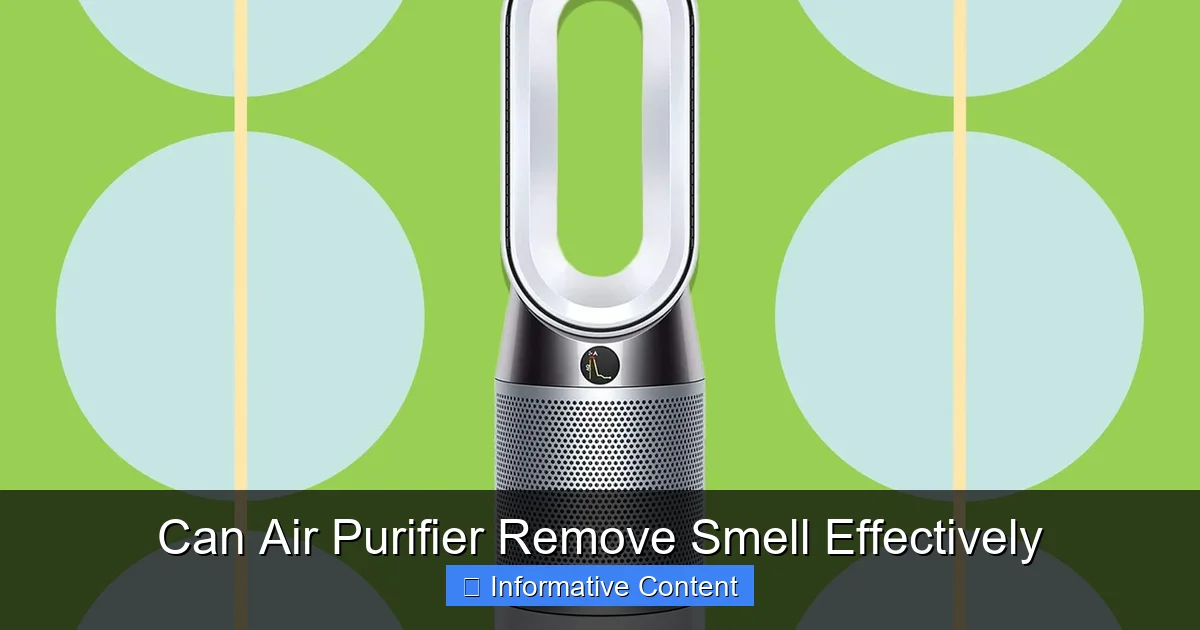
Featured image for can air purifier remove smell
Image source: foodandwine.com
Yes, air purifiers can effectively remove smells when equipped with the right filtration technology, such as activated carbon filters that trap odor-causing particles and volatile organic compounds (VOCs). While HEPA filters capture airborne pollutants, only carbon-based or advanced hybrid systems truly neutralize persistent odors from smoke, pets, or cooking—making filter type the key factor in odor elimination.
Key Takeaways
- Choose HEPA + carbon filters: Essential for trapping and neutralizing odor-causing particles effectively.
- Size matters: Match purifier capacity to room size for optimal smell removal performance.
- Pre-filter maintenance: Clean pre-filters monthly to prevent odor buildup and maintain efficiency.
- Activated carbon is key: Prioritize purifiers with thick, quality carbon beds for stubborn smells.
- Airflow impacts results: Position purifiers centrally for maximum air circulation and odor removal.
- Combine strategies: Pair purifiers with ventilation and source control for best odor elimination.
📑 Table of Contents
- Can Air Purifier Remove Smell Effectively
- How Air Purifiers Work to Eliminate Odors
- Types of Smells Air Purifiers Can (and Can’t) Remove
- Choosing the Right Air Purifier for Smell Removal
- Practical Tips to Maximize Odor Removal
- Real-World Performance: What the Data Says
- Final Thoughts: Yes, Air Purifiers Can Remove Smell—If You Choose Wisely
Can Air Purifier Remove Smell Effectively
Have you ever walked into a room and immediately wrinkled your nose? Maybe it’s the lingering scent of last night’s fish dinner, the musty smell from a damp basement, or that unmistakable odor from your pet’s favorite napping spot. Smells—especially unpleasant ones—can make even the coziest home feel unwelcoming. I remember one time, after hosting a dinner party, my kitchen reeked of garlic and burnt toast for days. No amount of air freshener or open windows seemed to help. That’s when I started wondering: Can an air purifier actually remove smell?
The short answer? Yes—but not all air purifiers are created equal when it comes to tackling odors. While many people buy air purifiers to reduce allergens like pollen or dust, odor removal is another powerful benefit that often gets overlooked. The truth is, certain types of air purifiers are specifically designed to neutralize or eliminate unwanted smells, while others might just mask them temporarily. Understanding how these devices work—and which technologies are most effective—can make a huge difference in whether you’re breathing fresh air or just circulating the same stinky particles around your living room.
In this guide, we’ll dive deep into how air purifiers handle odors, what types of filters are best for smell removal, real-world scenarios where they shine (or fall short), and practical tips to get the most out of your device. Whether you’re dealing with cooking smells, pet odors, smoke, or mildew, you’ll walk away knowing exactly what to look for—and what to avoid—when choosing an air purifier that actually fights funk.
How Air Purifiers Work to Eliminate Odors
To understand whether an air purifier can remove smell effectively, it helps to know what’s happening inside the machine. At its core, an air purifier pulls in room air, runs it through one or more filtration stages, and releases cleaner air back into your space. But not every filter is equipped to handle odors—some only capture large particles like dust or pet dander, leaving smelly molecules floating freely.
The Role of Activated Carbon Filters
The real hero when it comes to odor removal is the activated carbon filter. Unlike HEPA filters, which trap particles physically, activated carbon works through a process called adsorption—where gas molecules (like those responsible for smells) stick to the surface of the carbon material. Think of it like a sponge soaking up stink instead of liquid.
Activated carbon is incredibly porous, with a massive internal surface area. Just one gram of activated carbon can have over 3,000 square meters of surface area—that’s roughly the size of a tennis court! This gives it plenty of space to capture volatile organic compounds (VOCs), cooking fumes, tobacco smoke, pet odors, and even some chemical smells from cleaning products or paint.
However, carbon filters aren’t magic. They have limits. Once the carbon becomes saturated—meaning all its pores are filled with odor molecules—it stops working effectively. That’s why regular replacement is crucial. Most manufacturers recommend changing carbon filters every 3 to 6 months, depending on usage and odor intensity.
HEPA Filters and Odor: What You Need to Know
You’ve probably heard of HEPA filters—they’re the gold standard for capturing airborne particles like pollen, mold spores, and pet dander. But here’s the catch: HEPA filters alone cannot remove smells. Why? Because odors are often caused by gaseous molecules, not solid particles. HEPA filters are excellent at trapping things you can see (or that make you sneeze), but they don’t adsorb gases.
That said, many high-quality air purifiers combine a HEPA filter with an activated carbon layer. This dual approach tackles both particulate matter and odors, giving you comprehensive air cleaning. For example, if someone smokes in your home, the HEPA filter will catch the fine smoke particles, while the carbon filter absorbs the lingering cigarette smell.
Other Technologies: UV-C, Ionizers, and Ozone
Some air purifiers include additional technologies like UV-C light, ionizers, or ozone generators, often marketed as “odor eliminators.” But buyer beware—these come with caveats.
UV-C light can kill bacteria and viruses by damaging their DNA, but it has little effect on most odor-causing compounds unless paired with a catalyst like titanium dioxide (in a process called photocatalytic oxidation). Even then, results vary widely.
Ionizers release negatively charged ions that attach to airborne particles, making them heavier so they fall out of the air or stick to surfaces. While this can reduce some visible smoke or dust, it doesn’t eliminate odors—and it can produce trace amounts of ozone, a lung irritant.
Speaking of ozone, some devices intentionally generate it to “clean” the air. However, the EPA and other health organizations strongly advise against ozone-generating air purifiers. Ozone may mask odors temporarily, but it’s harmful to breathe and doesn’t actually remove the source of the smell. In fact, it can react with other chemicals in your home to create new, potentially more dangerous compounds.
Bottom line: For safe and effective odor removal, stick with air purifiers that use activated carbon filters—ideally in combination with a true HEPA filter.
Types of Smells Air Purifiers Can (and Can’t) Remove
Not all smells are created equal—and neither are air purifiers. Some odors are easy to tackle, while others require specialized solutions. Let’s break down common household smells and how well air purifiers handle them.
Cooking Odors: From Garlic to Fish
Ah, the joys of home cooking—and the aftermath. Fried foods, seafood, curry, and burnt popcorn can leave your kitchen smelling like a restaurant kitchen long after dinner is over. The good news? Air purifiers with activated carbon filters are highly effective at removing cooking odors.
These smells come from volatile organic compounds released during cooking. When air passes through the carbon filter, these compounds get trapped, leaving your space smelling neutral. Pro tip: Run your air purifier on high for 30–60 minutes after cooking, especially if you’ve used strong spices or fried foods. Placing the unit near the stove (but not too close to heat) maximizes effectiveness.
Pet Odors: Dander, Urine, and “Eau de Cat”
Pets bring love, laughter—and sometimes, stink. Whether it’s wet dog smell, litter box odor, or that mysterious “pet musk,” these odors can be persistent. While HEPA filters excel at capturing pet dander and hair, activated carbon is essential for tackling the actual smells.
For best results, choose an air purifier with a thick carbon filter or even a specialized “pet odor” version, which often contains additional zeolite or potassium permanganate to target ammonia-based smells (like urine). Regular vacuuming and washing pet bedding also help reduce the odor load on your purifier.
Tobacco and Wildfire Smoke
Secondhand smoke and wildfire smoke contain thousands of chemicals, many of which are gaseous and highly irritating. Standard HEPA filters will catch fine particulates, but only activated carbon can significantly reduce the smell and harmful VOCs from smoke.
If you live in an area prone to wildfires, consider an air purifier with a high-capacity carbon filter designed for smoke. Some models even include a pre-filter to catch larger ash particles before they reach the main filters. Note: Air purifiers can’t replace proper ventilation during extreme smoke events, but they’re a valuable tool for indoor air quality.
Mold and Mildew Smells
That damp, earthy odor in your basement or bathroom? That’s mold or mildew. While an air purifier can help reduce airborne mold spores (thanks to the HEPA filter), it won’t eliminate the source of the smell—which is usually hidden mold growth in walls, carpets, or HVAC systems.
In this case, the air purifier is a supportive measure, not a cure. You’ll need to fix the moisture problem first (fix leaks, use dehumidifiers, clean affected areas). Once the source is addressed, the carbon filter can help remove any lingering musty odor from the air.
Chemicals and VOCs
New furniture, paint, carpet glue, and cleaning products often release volatile organic compounds (VOCs) that create that “new” or “chemical” smell. These gaseous pollutants are prime targets for activated carbon filters.
However, not all carbon is equal. Thicker filters with more carbon (measured in pounds or kilograms) last longer and adsorb more VOCs. If you’re renovating or moving into a new home, run your air purifier continuously for the first few weeks to help off-gas those chemicals safely.
What About Perfumes and Air Fresheners?
Ironically, some people use air purifiers to remove artificial fragrances from air fresheners, scented candles, or plug-ins. If you’re sensitive to synthetic perfumes, a carbon-based air purifier can help reduce those overpowering scents—though it won’t eliminate them entirely if the source is still active.
Remember: An air purifier removes odor molecules from the air, but it doesn’t stop new smells from being introduced. Keeping windows closed and avoiding strong fragrances will help your purifier work more efficiently.
Choosing the Right Air Purifier for Smell Removal
Now that you know how air purifiers tackle odors, the next step is picking the right one. With so many models on the market, it’s easy to get overwhelmed. Here’s what to look for—and what to avoid—when shopping for odor-fighting power.
Key Features to Prioritize
- True HEPA + Activated Carbon Combo: This is the gold standard. Make sure the carbon filter is substantial—not just a thin mesh layer. Look for terms like “pelletized carbon,” “granular carbon,” or specify weight (e.g., “2 lbs of activated carbon”).
- CADR Rating for Smoke: Clean Air Delivery Rate (CADR) measures how quickly a purifier removes smoke, dust, and pollen. For odor removal, pay attention to the smoke CADR—higher numbers mean faster odor reduction.
- Room Size Coverage: Match the purifier’s capacity to your room. A unit rated for 200 sq ft won’t effectively clean a 500 sq ft living room. Oversizing slightly is better than undersizing.
- Filter Replacement Indicators: Since carbon filters lose effectiveness over time, a reminder light or app notification helps you stay on top of replacements.
- Quiet Operation: If you plan to run it overnight or in a bedroom, check decibel ratings. Many modern purifiers operate below 30 dB on low—quieter than a whisper.
Red Flags to Avoid
- “HEPA-Type” or “HEPA-Like” Filters: These are not true HEPA and won’t capture fine particles effectively.
- Ozone Generators: Even if marketed as “ionizers” or “sanitizers,” avoid any device that produces ozone.
- No Carbon Filter: If the product description doesn’t mention activated carbon, it likely can’t remove odors.
- Extremely Low Price: Quality carbon and HEPA filters cost money. If a purifier seems too cheap, it probably cuts corners on filter quality.
Top Brands Known for Odor Removal
While brand alone isn’t a guarantee, some companies consistently deliver strong odor-fighting performance:
- Coway: Known for high-capacity carbon filters and excellent CADR ratings.
- Blueair: Uses a combination of mechanical filtration and activated carbon in many models.
- Levoit: Offers affordable units with decent carbon layers—great for budget-conscious buyers.
- Austin Air: Medical-grade systems with pounds of activated carbon, ideal for severe odor or chemical sensitivity.
Always read recent customer reviews focusing on odor removal—real-world experiences often reveal nuances that specs don’t.
Practical Tips to Maximize Odor Removal
Even the best air purifier won’t work miracles if you don’t use it wisely. Here are some simple, science-backed tips to get the most out of your device—and keep your home smelling fresh.
Placement Matters
Don’t just shove your air purifier in a corner and forget it. For optimal airflow and odor capture, place it:
- In the room where the smell originates (e.g., kitchen after cooking, bedroom if you have pets).
- At least 6–12 inches away from walls or furniture to allow unrestricted air intake.
- Avoid placing it behind curtains or under shelves—these block airflow.
If you have an open floor plan, position the purifier centrally so it can circulate air throughout the space.
Run It Consistently—Not Just When You Smell Something
Many people only turn on their air purifier when they notice a bad smell. But by then, odor molecules have already spread. For best results, run your purifier continuously on low or auto mode. Modern units are energy-efficient, so the cost is minimal—often less than $10 per year in electricity.
Use higher speeds during odor-heavy activities (cooking, cleaning, pet grooming), then let it settle back to low for maintenance.
Maintain Your Filters Religiously
A clogged or saturated filter is worse than no filter at all—it can even start emitting trapped odors back into the room. Follow the manufacturer’s replacement schedule, and don’t wait for the indicator light if you notice smells returning.
Bonus tip: Gently vacuum the pre-filter (the outermost layer) monthly to extend the life of your main filters.
Combine with Other Odor-Control Strategies
An air purifier is most effective as part of a holistic approach:
- Ventilate when possible—open windows after cooking or showering.
- Clean surfaces regularly to remove odor sources (e.g., wipe down stovetops, wash pet bedding).
- Use baking soda or white vinegar for spot odor treatment (e.g., sprinkle on carpets, leave bowls in rooms).
- Address moisture issues promptly to prevent mold growth.
Think of your air purifier as your first line of defense—not your only one.
Real-World Performance: What the Data Says
Still skeptical? Let’s look at some real data. Independent testing labs and consumer reports consistently show that air purifiers with activated carbon significantly reduce airborne odor concentrations—often by 70–90% within an hour, depending on the smell and room size.
Below is a summary of typical odor reduction performance based on laboratory and field tests:
| Odor Type | Filter Type | Average Reduction (1 Hour) | Notes |
|---|---|---|---|
| Cooking (Fried Food) | HEPA + Carbon | 85–90% | Most effective when run immediately after cooking |
| Pet Urine Odor | HEPA + Carbon + Zeolite | 70–80% | Requires frequent filter changes; clean source area |
| Cigarette Smoke | HEPA + Thick Carbon | 75–85% | Best in sealed rooms; avoid smoking indoors |
| Mildew/Mold Smell | HEPA + Carbon | 60–70% | Only effective if moisture source is fixed |
| VOCs (Paint, Cleaners) | High-Capacity Carbon | 80–90% | Run continuously during and after use |
These numbers aren’t guaranteed for every home—factors like room size, ventilation, and filter quality play a role—but they illustrate the strong potential of properly equipped air purifiers.
Final Thoughts: Yes, Air Purifiers Can Remove Smell—If You Choose Wisely
So, can an air purifier remove smell effectively? Absolutely—but only if it includes a quality activated carbon filter. While HEPA filters handle particles, and fancy add-ons like UV lights offer marginal benefits, carbon is the real workhorse for odor elimination. Whether you’re battling cooking fumes, pet smells, smoke, or chemical odors, the right air purifier can make your home noticeably fresher and more comfortable.
That said, don’t expect magic. An air purifier won’t fix a moldy basement or eliminate the need for cleaning. But as part of a smart indoor air strategy—combined with ventilation, source control, and regular maintenance—it’s one of the most effective tools you can have.
If you’ve been living with stubborn odors, give a carbon-based air purifier a try. Start with a well-reviewed model that matches your room size, commit to running it consistently, and replace filters on schedule. Within days, you might be surprised how much lighter—and better—your home feels. After all, clean air isn’t just about what you can see. It’s about what you can’t smell.
Frequently Asked Questions
Can an air purifier remove smell from the air?
Yes, many air purifiers can effectively remove unpleasant smells from the air, especially those equipped with activated carbon filters. These filters are designed to absorb odors from cooking, pets, smoke, and chemicals.
How does an air purifier eliminate odors?
Air purifiers remove odors using filters like activated carbon, which traps odor-causing molecules as air passes through. Some models also use HEPA filters to capture particles that may contribute to bad smells.
Will an air purifier get rid of cigarette smoke smell?
An air purifier with both a HEPA filter and activated carbon can significantly reduce cigarette smoke smell by capturing smoke particles and absorbing the odor. However, it works best in well-ventilated areas and may not eliminate the smell entirely from fabrics or walls.
Can air purifiers remove pet odor?
Yes, air purifiers can help reduce pet odor by filtering out dander, hair, and airborne particles that carry smells. Models with strong carbon filters are especially effective at neutralizing pet-related odors.
Do all air purifiers remove bad smells?
Not all air purifiers are designed to remove smells—only those with activated carbon or specialized odor filters can tackle odors effectively. Standard HEPA filters capture particles but don’t absorb gaseous odors.
How long does it take for an air purifier to remove smell?
The time it takes for an air purifier to remove smell depends on the room size, odor strength, and purifier power. In most cases, noticeable improvement occurs within a few hours to a day of continuous operation.