
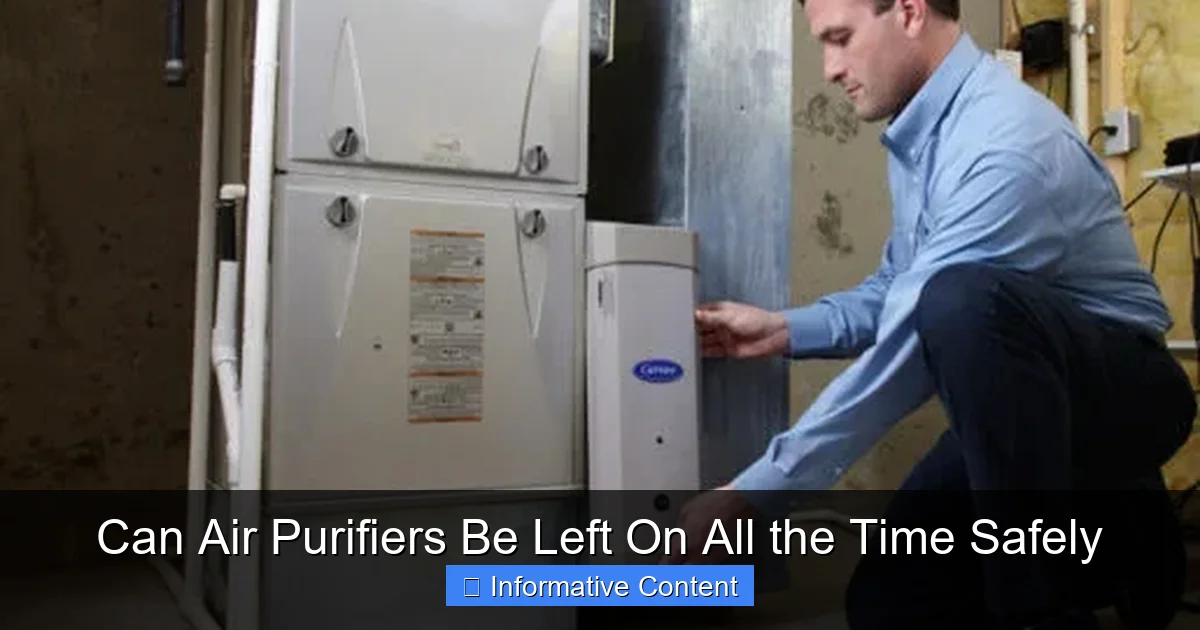
Featured image for can air purifiers be left on all the time
Image source: airpurifiers.club
Yes, most modern air purifiers can be safely left on all the time thanks to energy-efficient motors, automatic sensors, and safety certifications that prevent overheating. Continuous operation improves indoor air quality by consistently filtering pollutants, allergens, and odors—ideal for homes with pets, allergies, or high pollution levels. Just ensure regular filter maintenance to keep performance optimal.
Key Takeaways
- Yes, most air purifiers can run 24/7 if Energy Star-rated and properly maintained.
- Check your model’s safety certifications to ensure continuous operation without fire or electrical risks.
- Replace filters regularly to maintain efficiency and prevent motor strain during constant use.
- Use auto mode with sensors to optimize runtime and reduce energy waste automatically.
- Monitor noise levels to balance air quality and comfort during non-stop operation.
- Unplug during storms or long absences to protect electronics from power surges or failures.
📑 Table of Contents
- Can Air Purifiers Be Left On All the Time Safely
- How Air Purifiers Work: Understanding the Basics
- Safety Considerations When Running an Air Purifier 24/7
- Benefits of Running Your Air Purifier Continuously
- Energy Use and Cost: Is It Worth It?
- Maintenance and Filter Replacement: Keeping Your Purifier Effective
- When You Might Want to Turn It Off (or Adjust Usage)
- Final Thoughts: Making the Right Choice for Your Home
Can Air Purifiers Be Left On All the Time Safely
Let’s be honest—our homes are supposed to be our sanctuaries. A place where we breathe easy, relax, and feel safe. But what if the air inside isn’t as clean as we think? From dust and pet dander to invisible allergens and pollutants, indoor air can sometimes be more contaminated than the air outside. That’s where air purifiers come in. These sleek, often quiet machines promise to clean the air we breathe, giving us peace of mind and better health. But once you’ve invested in one, a common question pops up: Can air purifiers be left on all the time?
It’s a fair question—and one I’ve asked myself more than once. I remember setting up my first air purifier in my bedroom after my allergies started acting up. I ran it for a few hours during the day and turned it off at night, thinking I was being smart about energy use. But then I noticed my symptoms creeping back in the mornings. That’s when I started wondering: Should I just leave it running 24/7? The answer isn’t as simple as “yes” or “no,” but the good news is, with the right knowledge, you can make an informed decision that works for your home, your health, and your wallet.
How Air Purifiers Work: Understanding the Basics
Before we dive into whether it’s safe to leave an air purifier on all the time, it helps to understand how these devices actually work. At their core, air purifiers are designed to remove contaminants from the air. But not all purifiers are created equal, and their effectiveness depends heavily on the technology they use.

Visual guide about can air purifiers be left on all the time
Image source: alltimeairconditioning.com
Common Types of Air Purification Technologies
Most air purifiers fall into one of several categories based on their filtration method. Here are the most common types you’ll encounter:
- HEPA Filters: High-Efficiency Particulate Air filters are the gold standard. They can capture 99.97% of particles as small as 0.3 microns, including pollen, mold spores, dust mites, and pet dander. These are mechanical filters, meaning they physically trap particles as air passes through.
- Activated Carbon Filters: These are great for absorbing odors, smoke, and volatile organic compounds (VOCs) like those from cleaning products or cooking. They don’t remove particles but are often used alongside HEPA filters for comprehensive cleaning.
- Ionizers: These release negatively charged ions that attach to airborne particles, causing them to fall out of the air or stick to surfaces. While effective, some ionizers produce small amounts of ozone, which can be a concern for people with respiratory issues.
- UV-C Light: Ultraviolet light can kill bacteria, viruses, and mold spores by damaging their DNA. However, UV-C is most effective when air passes slowly and directly through the light, which isn’t always the case in home units.
- Electrostatic Precipitators: These charge particles and collect them on oppositely charged plates. They’re efficient but require regular cleaning to maintain performance.
Many modern air purifiers combine two or more of these technologies. For example, a popular model might have a pre-filter to catch large particles, a HEPA filter for fine particles, and a carbon filter for odors. Understanding your unit’s technology helps you assess how it performs over time—and whether it’s safe to run continuously.
Air Changes Per Hour (ACH) and Clean Air Delivery Rate (CADR)
Two important metrics to consider are Air Changes Per Hour (ACH) and Clean Air Delivery Rate (CADR). ACH tells you how many times the purifier can filter the entire volume of air in a room per hour. For allergy sufferers, experts recommend at least 4–6 ACH. CADR, on the other hand, measures how efficiently the purifier removes specific pollutants like smoke, dust, and pollen. A higher CADR means faster and more effective cleaning.
For example, if you have a 300-square-foot bedroom and your purifier has a CADR of 200 for dust, it’s doing a solid job. But if you’re running it only a few hours a day, it may not keep up with ongoing pollution sources like pets or outdoor air seeping in through windows. This is where continuous operation can make a real difference.
Safety Considerations When Running an Air Purifier 24/7
Now, let’s address the big question: Is it safe to leave an air purifier on all the time? The short answer is: Yes, in most cases, it’s perfectly safe—and often recommended. But there are a few important safety considerations to keep in mind.
Electrical Safety and Overheating Risks
Modern air purifiers are designed with safety features to prevent overheating and electrical hazards. Most units have thermal cutoffs that automatically shut the device off if it gets too hot. They’re also built to meet strict electrical safety standards (like UL certification in the U.S.), which means they’re tested for long-term use.
That said, it’s still wise to follow basic safety practices:
- Plug your purifier directly into a wall outlet—avoid overloading power strips or extension cords.
- Keep the unit away from water sources, like bathrooms or kitchens, unless it’s specifically designed for those areas.
- Ensure there’s adequate airflow around the purifier. Don’t block the intake or exhaust vents with furniture or curtains.
- Inspect the power cord regularly for fraying or damage.
I once made the mistake of placing my purifier behind a tall dresser, thinking it would be out of the way. Within a week, it started making a faint buzzing noise. Turns out, the restricted airflow was causing the motor to work harder. Once I moved it to an open spot, the noise stopped. A simple fix, but a good reminder that placement matters.
Ozone Emissions: A Hidden Concern
One of the biggest safety concerns with certain air purifiers is ozone production. Ozone (O₃) is a lung irritant that can worsen asthma and other respiratory conditions. While outdoor ozone is a well-known pollutant, indoor ozone from air purifiers is less discussed—but just as important.
Some ionizers and ozone generators intentionally produce ozone to “clean” the air. These devices are often marketed as “air sanitizers” or “ozonators.” However, the FDA limits ozone emissions from indoor medical devices to 0.05 parts per million (ppm), and many health organizations recommend avoiding ozone-generating purifiers altogether.
On the other hand, true HEPA filters do not produce ozone. If your purifier uses only mechanical filtration (like HEPA and carbon), you don’t need to worry about ozone. But if it includes an ionizer or UV light, check the manufacturer’s specs. Look for units labeled “ozone-free” or certified by organizations like CARB (California Air Resources Board), which enforces strict ozone limits.
Noise Levels and Sleep Quality
Another practical concern is noise. While many air purifiers are whisper-quiet on low settings, running them on high for 24/7 might become disruptive—especially at night. However, most modern models come with a “sleep mode” that reduces fan speed and dims lights, making them ideal for overnight use.
For example, I use the Levoit Core 300 in my bedroom. On sleep mode, it’s so quiet I barely notice it’s on. But if I crank it to high during the day to tackle pet hair, it’s noticeably louder. The key is finding a balance: run it on higher settings when you’re awake and active, then switch to low or sleep mode at night.
Benefits of Running Your Air Purifier Continuously
So, why would you want to leave your air purifier on all the time? The benefits go beyond just cleaner air—they can positively impact your health, comfort, and even your home environment.
Consistent Air Quality and Allergy Relief
Indoor air pollution isn’t a one-time event. It’s ongoing. Dust settles, pets shed, cooking releases particles, and outdoor pollutants sneak in through windows and doors. If you only run your purifier for a few hours a day, you’re leaving gaps where contaminants can accumulate.
Running your purifier 24/7 ensures that the air is constantly being filtered. This is especially important for people with allergies, asthma, or other respiratory conditions. Studies have shown that continuous use of HEPA air purifiers can significantly reduce airborne allergens and improve symptoms like sneezing, coughing, and congestion.
For instance, a 2020 study published in the Journal of Allergy and Clinical Immunology found that children with asthma who used HEPA purifiers in their bedrooms experienced fewer nighttime symptoms and improved lung function—especially when the purifiers ran continuously.
Protection Against Seasonal and Environmental Pollutants
Seasonal changes can wreak havoc on indoor air quality. During spring, pollen counts soar. In winter, heating systems circulate dust and dry air. Wildfire smoke, smog, and even household chemicals can all degrade air quality.
Leaving your purifier on all the time acts like a constant shield. It doesn’t wait for you to notice a problem—it’s always working in the background. This is especially helpful if you live in an urban area or near a highway, where outdoor pollution is a daily concern.
Reduced Odors and Improved Home Comfort
Beyond health, continuous air purification can make your home more pleasant to live in. Cooking smells, pet odors, and musty basement air can linger for hours. A purifier with a carbon filter can absorb these odors, keeping your space smelling fresh.
I have two cats, and no matter how often I clean the litter box, the smell sometimes lingers. Since I started running my purifier around the clock, the difference is noticeable. Guests no longer comment on “that cat smell,” and my home just feels cleaner overall.
Peace of Mind and Long-Term Health Benefits
Perhaps the biggest benefit is peace of mind. Knowing that your air is being cleaned 24/7 reduces stress and lets you focus on what matters—sleeping well, working productively, or simply enjoying time at home.
Long-term, cleaner air may also reduce your risk of respiratory infections, improve sleep quality, and even support cardiovascular health. While air purifiers aren’t a cure-all, they’re a valuable tool in maintaining a healthy indoor environment.
Energy Use and Cost: Is It Worth It?
One of the most common concerns about running an air purifier all the time is the cost. Will it spike your electricity bill? The answer depends on the model, fan speed, and how long you run it.
Understanding Energy Consumption
Most air purifiers are surprisingly energy-efficient. A typical HEPA purifier uses between 50 and 250 watts, depending on the fan speed. For comparison, a standard incandescent light bulb uses about 60 watts, and a ceiling fan uses around 75 watts on high.
To put this in perspective, let’s do a quick calculation. If you run a 100-watt purifier 24/7 for a month (720 hours), it would use about 72 kilowatt-hours (kWh). At an average electricity rate of $0.13 per kWh, that’s roughly $9.36 per month. That’s less than the cost of a streaming service subscription.
Energy-Saving Tips for Continuous Use
If you’re concerned about energy use, here are some practical tips to keep costs down:
- Use auto or eco mode: Many purifiers have sensors that adjust fan speed based on air quality. This reduces energy use when the air is already clean.
- Run on low when possible: On low settings, most purifiers use significantly less power. You can still achieve good air quality without maxing out the fan.
- Choose an ENERGY STAR-certified model: These units meet strict energy efficiency guidelines set by the EPA. They use up to 30% less energy than standard models.
- Close windows and doors: This prevents outdoor pollutants from entering, reducing the workload on your purifier.
For example, the Coway Airmega 200M is ENERGY STAR certified and uses only 6 watts on low—less than a nightlight. That means running it 24/7 would cost less than $2 per month in electricity.
Cost vs. Benefit Analysis
When you weigh the cost against the benefits—better health, fewer allergy symptoms, improved sleep—the expense is often justified. Think of it as an investment in your well-being. Plus, many air purifiers last 5–10 years with proper maintenance, spreading the cost over time.
Here’s a quick comparison of monthly energy costs for different purifier wattages (assuming $0.13/kWh and 24/7 use):
| Purifier Wattage | Monthly Energy Use (kWh) | Monthly Cost |
|---|---|---|
| 50 watts | 36 kWh | $4.68 |
| 100 watts | 72 kWh | $9.36 |
| 150 watts | 108 kWh | $14.04 |
| 250 watts | 180 kWh | $23.40 |
As you can see, even the highest-wattage models are relatively affordable to run continuously. And remember, you can always adjust usage based on your needs—running it on high during peak pollution times and low the rest of the time.
Maintenance and Filter Replacement: Keeping Your Purifier Effective
Running your air purifier 24/7 is only effective if it’s properly maintained. Filters don’t last forever, and a dirty filter can actually reduce performance or even release trapped pollutants back into the air.
How Often Should You Replace Filters?
Filter lifespan varies by model and usage, but here are some general guidelines:
- Pre-filters: Wash every 2–4 weeks (if washable) or replace every 3 months.
- HEPA filters: Replace every 6–12 months, depending on air quality and usage.
- Carbon filters: Replace every 3–6 months, as they lose effectiveness faster due to odor absorption.
Many modern purifiers have filter replacement indicators that light up when it’s time for a change. If yours doesn’t, mark your calendar or set a reminder on your phone.
Signs Your Filter Needs Replacing
Even with indicators, it’s good to know the signs of a worn-out filter:
- Reduced airflow or weaker suction
- Increased noise or unusual sounds
- Persistent odors or dust buildup
- Visible dirt or discoloration on the filter
I learned this the hard way. I ignored the filter light on my old purifier for a few extra months, thinking it was fine. But then I noticed a musty smell and my allergies flared up. Once I replaced the filter, the difference was immediate.
Cleaning and Care Tips
To extend the life of your purifier and keep it running efficiently:
- Vacuum the exterior and vents monthly to remove dust.
- Wash washable pre-filters with mild soap and let them dry completely before reinstalling.
- Keep the unit in a dry, cool place away from direct sunlight.
- Follow the manufacturer’s instructions for filter replacement and cleaning.
Proper maintenance not only ensures better air quality but also prevents the motor from overworking, which can extend the lifespan of your device.
When You Might Want to Turn It Off (or Adjust Usage)
While running your air purifier continuously is generally safe and beneficial, there are a few situations where you might consider turning it off or adjusting usage.
During High Outdoor Air Quality
On days when outdoor air quality is excellent—low pollen, no smog, minimal pollution—you might not need to run your purifier at full capacity. You can switch to a lower setting or turn it off temporarily, especially if you’re opening windows to let in fresh air.
When Away from Home for Extended Periods
If you’re going on vacation or traveling for more than a few days, it’s okay to turn off your purifier. There’s no one home to benefit from it, and you’ll save on energy. Just make sure to clean or replace the filter before you leave if it’s due.
If You Notice Unusual Odors or Sounds
While rare, malfunctions can happen. If your purifier starts making strange noises, emitting a burning smell, or showing signs of overheating, turn it off immediately and unplug it. Contact the manufacturer or a technician for assistance.
For Energy Conservation in Low-Pollution Environments
If you live in a rural area with clean air and no pets or allergies, you might not need 24/7 operation. In such cases, running the purifier only during high-risk times (like allergy season or when cooking) could be sufficient.
Final Thoughts: Making the Right Choice for Your Home
So, can air purifiers be left on all the time safely? The answer is a resounding yes—for most people, in most situations, it’s not only safe but highly beneficial. Continuous operation ensures consistent air quality, reduces allergens, and supports long-term health. Modern purifiers are designed for long-term use, with safety features and energy-efficient operation that make 24/7 running practical and affordable.
That said, it’s important to choose the right unit for your needs. Opt for a HEPA-based purifier with low ozone emissions, check energy ratings, and commit to regular maintenance. Listen to your body and your environment—if you notice improvements in your health and comfort, you’re on the right track.
At the end of the day, an air purifier is more than just a gadget. It’s a tool for creating a healthier, more comfortable home. Whether you’re battling allergies, trying to eliminate pet odors, or simply want to breathe easier, running your purifier around the clock can make a meaningful difference. So go ahead—turn it on, leave it on, and enjoy the clean, fresh air you deserve.
Frequently Asked Questions
Can air purifiers be left on all the time without overheating?
Yes, most modern air purifiers are designed with safety features like thermal protection to prevent overheating, making them safe to run continuously. Always check your model’s manual for specific guidelines.
Is it energy-efficient to keep an air purifier running 24/7?
While air purifiers consume electricity, many ENERGY STAR-certified models are optimized for low energy use. Running them all the time may slightly increase bills but is often worth the improved air quality.
Do air purifiers need to be left on all the time to be effective?
For consistent air quality, especially in high-pollution areas or homes with allergies, leaving an air purifier on all the time ensures continuous removal of particles. Short bursts may not suffice for long-term benefits.
Can leaving an air purifier on all day damage the filters?
Yes, continuous use accelerates filter wear, but most manufacturers design filters to last 6–12 months with 24/7 use. Regular filter replacements (as recommended) maintain performance and prevent strain.
Are there safety risks with leaving an air purifier on overnight?
Generally, no—most air purifiers are safe for overnight use, especially models with auto-shutoff and quiet modes. Avoid placing near flammable objects or blocking airflow for added safety.
What’s the best way to use an air purifier for optimal air quality?
Leaving an air purifier on all the time in high-traffic rooms (like bedrooms or living areas) maximizes benefits. Pair with regular filter checks and occasional off periods to extend device life.