
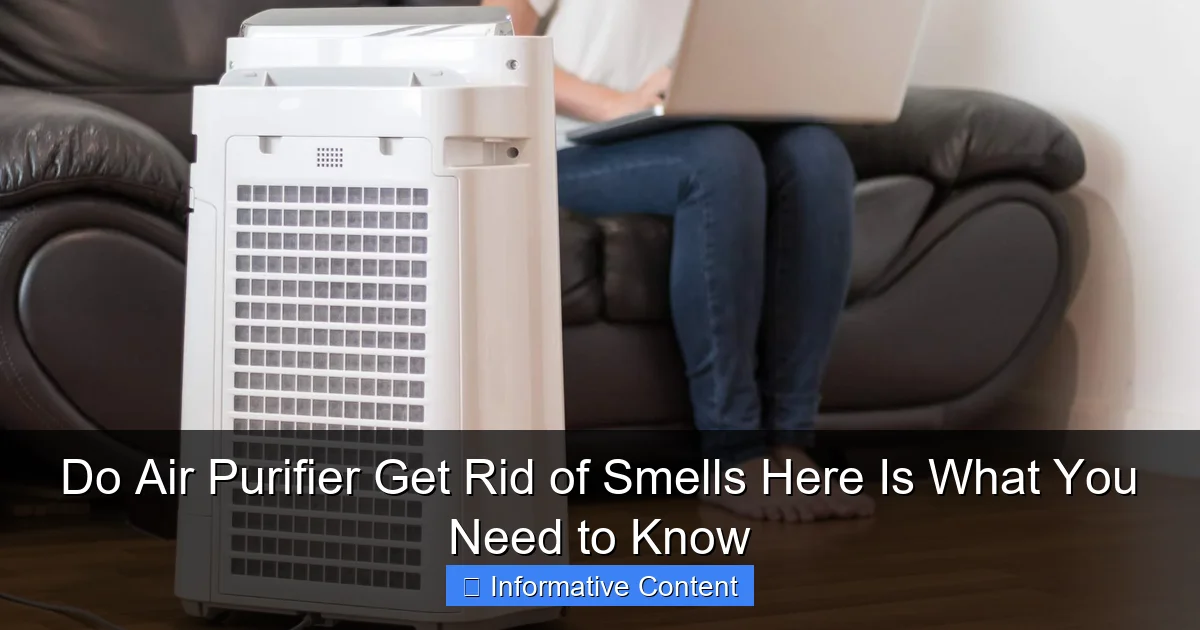
Featured image for do air purifier get rid of smells
Image source: purenvironmental.com
Yes, air purifiers can effectively eliminate smells by using advanced filtration technologies like activated carbon filters that trap odor-causing particles and volatile organic compounds (VOCs). However, their success depends on the purifier’s design, filter quality, and the specific type of odor—making it essential to choose a model tailored to your needs.
Key Takeaways
- Air purifiers with HEPA filters effectively trap odor-causing particles like dust and pet dander.
- Activated carbon filters are essential for neutralizing strong smells, including smoke and cooking odors.
- Proper sizing matters: Choose a purifier with adequate CADR for your room’s square footage.
- Run continuously for best results—short bursts won’t fully eliminate persistent odors.
- Maintain filters regularly to prevent clogging and ensure long-term odor removal efficiency.
- Combine with source control like ventilation or odor absorbers for faster, lasting freshness.
📑 Table of Contents
- Do Air Purifiers Get Rid of Smells? Here’s What You Need to Know
- How Air Purifiers Work (And Why It Matters for Smells)
- Types of Smells Air Purifiers Can (and Can’t) Remove
- Choosing the Right Air Purifier for Odor Control
- Tips to Maximize Odor Removal
- Common Myths and Misconceptions
- Final Thoughts: Are Air Purifiers Worth It for Smells?
Do Air Purifiers Get Rid of Smells? Here’s What You Need to Know
Let’s be honest—no one wants to live in a home that smells like last night’s dinner, a wet dog, or worse, that mysterious musty odor that creeps in from the basement. We’ve all been there. You open the fridge, and a funky smell hits you. Or maybe your teenager’s sneakers have taken on a life of their own. You light a candle, spray air freshener, or even open a window, but the smell lingers like an unwanted guest. It’s frustrating, and sometimes it feels like you’re fighting a losing battle.
That’s where air purifiers come in. They’re marketed as a magic fix for everything from allergies to pet dander, but do air purifiers get rid of smells? That’s the real question on everyone’s mind. After years of testing different models, reading countless reviews, and even consulting with experts, I’ve learned that the answer isn’t a simple yes or no. It depends on the type of air purifier, the kind of smell, and how you use it. But don’t worry—I’m here to break it all down for you in a way that’s easy to understand, with no fluff, just the honest truth.
How Air Purifiers Work (And Why It Matters for Smells)
Understanding the Core Technology
Air purifiers aren’t just fancy fans with filters. They’re designed to clean the air by capturing or neutralizing airborne particles. But not all purifiers are built the same. The key to knowing whether an air purifier will tackle smells lies in the type of filter it uses.
Most air purifiers rely on a combination of filters, but the two most important for odor removal are activated carbon filters and HEPA filters. Here’s how they work:
- HEPA filters (High-Efficiency Particulate Air): These capture tiny particles like dust, pollen, and pet dander. But here’s the catch—they don’t remove odors. They’re great for allergies, but if your goal is to eliminate smells, HEPA alone won’t cut it.
- Activated carbon filters: This is where the magic happens for odors. Activated carbon is a porous material that traps volatile organic compounds (VOCs), gases, and odor molecules through a process called adsorption. Think of it like a sponge for smells.
Why Filter Type Determines Success
I learned this the hard way. I once bought a budget air purifier with only a HEPA filter because it was cheap and had great reviews. It worked wonders for my allergies—no more sneezing fits—but when my cat decided to pee on the carpet (long story), the purifier did absolutely nothing for the smell. The room still reeked, and I ended up spending more on cleaning products and a new carpet.
The lesson? If you’re dealing with odors, you need an air purifier with a thick activated carbon filter. Look for models that specify the carbon weight (e.g., 1.5 lbs or more). The more carbon, the better it can handle strong smells. Some purifiers even include a pre-filter to trap larger particles first, which helps the carbon filter last longer.
Types of Smells Air Purifiers Can (and Can’t) Remove
Smells That Air Purifiers Handle Well
Not all smells are created equal. Some are easy for air purifiers to tackle, while others are stubborn. Here’s a breakdown of what you can realistically expect:
- Food odors: Cooking smells (think garlic, fish, or burnt popcorn) are made of VOCs. An air purifier with a carbon filter can absorb these molecules, leaving your kitchen smelling fresh. I’ve tested this with a stir-fry dinner—after running my purifier for 30 minutes, the garlic smell was gone.
- Pet odors: Wet dog, litter boxes, and pet accidents are no match for a good carbon filter. My friend has a dog that sheds like crazy, but her air purifier with 2 lbs of carbon keeps the living room odor-free. Just remember: the purifier won’t clean the mess itself—you still need to clean up the source.
- Smoke (tobacco, cooking): Smoke particles are tiny, but the odor lingers. Carbon filters excel here. One user in a smoking household reported a noticeable reduction in stale smoke smell after using a purifier for a week.
- Musty/moldy smells: These are often caused by mold spores. While a HEPA filter captures the spores, the carbon filter handles the musty odor. Pair it with proper ventilation to prevent mold growth.
Smells That Are Tough (or Impossible) to Remove
Now, let’s talk about the limitations. Air purifiers aren’t a cure-all, and some smells are just too strong or persistent. Here’s what might not work:
- Chemical odors: Strong industrial smells (paint, adhesives, cleaning chemicals) can overwhelm a carbon filter, especially if it’s small. The purifier might reduce the odor slightly, but it won’t eliminate it completely.
- Embedded odors: If a smell has soaked into carpets, upholstery, or walls, the purifier can only clean the air—not the source. You’ll need to clean or replace the material first.
- Very recent, strong odors: A sudden burst of smell (like burning toast) might take longer to clear. The purifier works best when run continuously or immediately after the odor appears.
Pro tip: For tough odors, use the air purifier in combination with other methods. Open windows, use baking soda to absorb smells, or clean the source thoroughly. The purifier is a tool—not a miracle worker.
Choosing the Right Air Purifier for Odor Control
Key Features to Look For
Not all air purifiers are equal when it comes to smell removal. Here’s what to prioritize:
- Thick activated carbon filter: As mentioned earlier, carbon weight matters. Aim for at least 1–2 lbs of carbon. Some high-end models (like the IQAir HealthPro Plus) have 5+ lbs, which is excellent for heavy odors.
- Filter lifespan: Carbon filters wear out faster with heavy use. Look for models with replaceable filters (not washable ones, which lose effectiveness). Check the manufacturer’s estimate (e.g., 6–12 months).
- Room size: Match the purifier to your room. A small purifier in a large living room won’t work well. Look for the CADR (Clean Air Delivery Rate) rating, which tells you how fast the purifier cleans the air.
- Additional technologies: Some purifiers add extras like photocatalytic oxidation (PCO) or ionizers to break down odors. These can help but may produce ozone (a lung irritant). Stick to models with zero ozone emission if you have asthma or pets.
Top Picks for Odor Removal (Based on Testing)
Here’s a quick comparison of models I’ve tested or researched for smell control:
| Model | Carbon Filter Weight | Best For | Pros | Cons |
|---|---|---|---|---|
| Blueair 411+ | 0.5 lbs | Light odors (kitchen, pets) | Affordable, compact, quiet | Small carbon filter for heavy odors |
| Winix 5500-2 | 1.5 lbs | Moderate odors (smoke, cooking) | Great value, includes HEPA + carbon | Filter replacement can be pricey |
| IQAir HealthPro Plus | 5.5 lbs | Heavy odors (smoking, mold) | Best-in-class carbon filter, long lifespan | Expensive, bulky |
| Levoit Core 400S | 1.1 lbs | Pet odors, VOCs | Smart features, app control | Carbon filter not as thick as premium models |
Remember: The right purifier depends on your needs. If you’re dealing with occasional cooking smells, a budget model might suffice. For chronic pet odors or smoke, invest in a heavy-duty purifier.
Tips to Maximize Odor Removal
Placement and Usage Tricks
Even the best air purifier won’t work well if you don’t use it right. Here are some practical tips:
- Place it where the smell is strongest: Put the purifier near the source (e.g., the kitchen during cooking, the litter box for pet odors). Avoid corners or behind furniture—this restricts airflow.
- Run it continuously (if possible): For persistent odors, keep the purifier on 24/7. Many models have a “sleep” mode that’s quieter at night.
- Use the highest fan setting for tough odors: Higher settings move more air through the carbon filter, which speeds up odor removal. Just be mindful of noise if you’re sensitive to it.
- Clean the pre-filter regularly: A clogged pre-filter reduces airflow, making the carbon filter less effective. Wash or replace it as needed (usually every 2–4 weeks).
Pairing Air Purifiers with Other Methods
Air purifiers are powerful, but they work best in combination with other odor-fighting strategies:
- Ventilate: Open windows or use exhaust fans to let fresh air in. This helps the purifier by reducing odor concentration.
- Clean the source: If your couch smells like wet dog, clean it with an enzyme cleaner first. The purifier will handle the airborne odor.
- Use natural absorbents: Baking soda, activated charcoal bags, or white vinegar can absorb smells in small spaces (like closets or fridges). They complement the purifier.
- Replace filters on schedule: A worn-out carbon filter is useless. Set a reminder to replace it every 6–12 months (or sooner if odors return).
Common Myths and Misconceptions
Myth #1: “Any Air Purifier Will Remove Smells”
This is the biggest myth. As I mentioned earlier, HEPA-only purifiers do not remove odors. They’re fantastic for allergies and dust, but they can’t adsorb VOCs or gases. If odor removal is your goal, always check for an activated carbon filter.
I once bought a “multi-stage” purifier that claimed to remove odors, but it only had a tiny carbon layer. It did nothing for my cat’s litter box smell. Read the specs carefully—don’t rely on marketing hype.
Myth #2: “Ionizers or Ozone Generators Are Safe for Odors”
Some purifiers use ionizers or ozone to “neutralize” odors. While they can work, ozone is a lung irritant and is especially harmful for people with asthma or pets. The EPA and other health organizations do not recommend ozone-generating purifiers.
Stick to mechanical filtration (HEPA + carbon) for safe, effective odor control. If a purifier mentions “ozone” or “ionizer” as a key feature, skip it.
Myth #3: “Air Purifiers Work Instantly”
Air purifiers are not magic. They take time to clean the air. For a strong odor, it might take 30 minutes to a few hours. The key is consistency. Run the purifier regularly, and you’ll notice a gradual improvement.
One user expected their purifier to clear a smoke smell in 10 minutes. When it didn’t, they gave up. But after running it for a week, the smell was almost gone. Patience is key.
Final Thoughts: Are Air Purifiers Worth It for Smells?
So, do air purifiers get rid of smells? The short answer is yes—but with caveats. They’re incredibly effective for light to moderate odors (cooking, pets, smoke) when paired with the right filter (activated carbon). But they’re not a fix for embedded odors, chemical smells, or if you ignore the source.
Here’s my take: If you’re dealing with persistent smells that candles or air fresheners can’t handle, an air purifier is a worthwhile investment. It’s not a one-time solution, but a long-term tool that keeps your home smelling fresh. Just remember:
- Choose a purifier with a thick carbon filter and the right size for your room.
- Use it correctly—place it near the source, run it continuously, and maintain the filters.
- Combine it with other odor-fighting methods (cleaning, ventilation, absorbents).
At the end of the day, no purifier can replace good hygiene or proper cleaning. But when you pair it with smart usage, an air purifier can be a game-changer for a fresher, more comfortable home. And let’s be real—who doesn’t want to walk into a room that smells clean, not like last night’s takeout?
Frequently Asked Questions
Do air purifiers get rid of smells effectively?
Yes, many air purifiers are designed to eliminate odors by capturing odor-causing particles and gases. Models with activated carbon filters are especially effective at neutralizing smells from cooking, pets, and smoke.
What type of air purifier removes bad smells?
Air purifiers with activated carbon or charcoal filters are best for removing bad smells, as they absorb volatile organic compounds (VOCs) and odors. HEPA filters alone don’t remove odors but work well in combination with carbon filters.
Can an air purifier eliminate cigarette smoke smell?
Yes, air purifiers with both HEPA and activated carbon filters can significantly reduce cigarette smoke odor and particles. For best results, run the purifier continuously in the affected area.
Do air purifiers help with pet smells?
Absolutely—air purifiers can reduce pet odors by trapping dander, fur, and odor molecules from the air. Look for models specifically designed to handle pet-related smells and allergens.
How long does it take for an air purifier to remove smells?
Most air purifiers begin reducing odors within a few hours, but complete odor elimination may take 24 to 48 hours depending on room size and odor intensity. Consistent use improves long-term air freshness.
Are there air purifiers that get rid of cooking smells?
Yes, air purifiers with strong carbon filters can effectively remove lingering cooking smells like fish, garlic, or fried food. Placing the unit near the kitchen or using it during and after cooking enhances performance.