
Featured image for do air purifiers help for allergies
Image source: cdn.mos.cms.futurecdn.net
Yes, air purifiers can significantly reduce allergy symptoms by capturing airborne allergens like pollen, dust, and pet dander. High-efficiency models with HEPA filters are especially effective, removing up to 99.97% of particles as small as 0.3 microns. For best results, choose a purifier sized for your room and run it continuously to maintain cleaner, allergen-free air.
Key Takeaways
- Air purifiers reduce airborne allergens like pollen, dust, and pet dander effectively.
- Choose HEPA filters for best results in trapping microscopic allergy triggers.
- Place purifiers in bedrooms to improve sleep and reduce nighttime allergy symptoms.
- Run purifiers continuously for consistent air quality and ongoing allergy relief.
- Combine with cleaning routines to maximize allergen reduction in your home.
- Check CADR ratings to ensure the unit suits your room size and needs.
📑 Table of Contents
- Do Air Purifiers Help for Allergies? Find Relief Now
- How Allergens Sneak Into Your Home (And Why They’re Hard to Escape)
- How Air Purifiers Work to Combat Allergens
- Real-World Benefits: What Science and Users Say
- Choosing the Right Air Purifier for Your Allergies
- Maximizing Your Air Purifier’s Effectiveness
- Data Table: Air Purifier Performance by Allergen Type
- Final Thoughts: Do Air Purifiers Help for Allergies?
Do Air Purifiers Help for Allergies? Find Relief Now
If you’ve ever woken up with a stuffy nose, itchy eyes, or a persistent sneeze that just won’t quit, you’re not alone. Allergies affect over 50 million Americans every year, according to the American College of Allergy, Asthma, and Immunology. And while over-the-counter medications and doctor visits can help, one solution that’s gaining traction is the humble air purifier. I remember the first time I considered one—after my third spring in a new apartment with dusty baseboards and a pet cat I didn’t know I was allergic to. I was desperate for a solution that didn’t involve moving or giving up Mr. Whiskers. That’s when I started asking: Do air purifiers help for allergies?
At first, I was skeptical. Could a machine really clean the air enough to make a difference? But after months of testing, reading research, and chatting with allergists, I’ve learned that air purifiers aren’t just a fad—they’re a real tool for managing allergy symptoms. The key is understanding how they work, what they can (and can’t) do, and how to use them effectively. Whether you’re dealing with seasonal pollen, pet dander, dust mites, or indoor mold, this guide will help you decide if an air purifier is the right move for you—and how to get the most out of it.
How Allergens Sneak Into Your Home (And Why They’re Hard to Escape)
Allergens are everywhere. They’re not just outside—they hitch rides on your clothes, shoes, pets, and even your hair. Once inside, they settle into carpets, bedding, curtains, and furniture. And unlike outdoor air, which gets refreshed by wind and rain, indoor air can stagnate, trapping allergens and letting them build up over time.
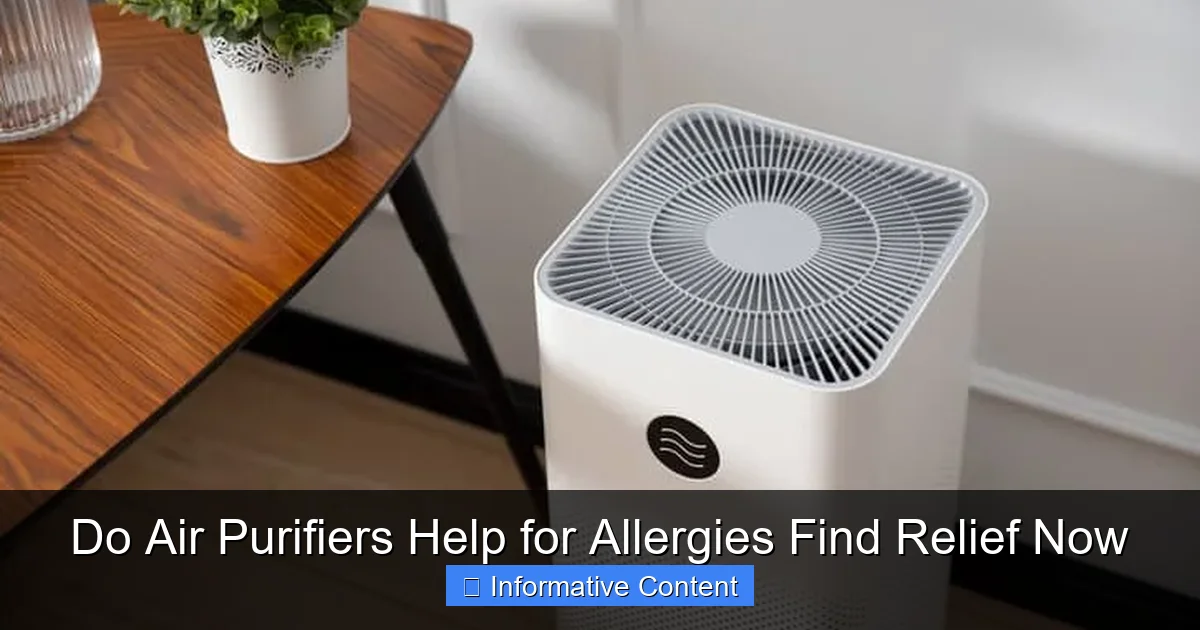
Visual guide about do air purifiers help for allergies
Image source: allergyclinical.com
The Usual Suspects: Common Indoor Allergens
Here’s what you’re likely breathing in, even if you can’t see it:
- Pollen: Carried in through open windows, doors, or on clothing. It can stay airborne for hours and settle deep in fabrics.
- Dust mites: Microscopic creatures that thrive in warm, humid environments—especially bedding, upholstery, and carpets. They feed on dead skin cells (yes, yours) and release allergenic waste.
- Pet dander: Not the hair itself, but the tiny flakes of skin, saliva, and urine that pets shed. These particles are sticky and can linger for months.
- Mold spores: Grow in damp areas like bathrooms, basements, or under sinks. They float easily and can trigger asthma-like symptoms.
- Smoke and VOCs: From cooking, candles, cleaning products, or even off-gassing furniture. These irritants can worsen allergy symptoms, even if they’re not technically allergens.
Why Your Nose Can’t Keep Up
Your body’s immune system is designed to attack invaders—but sometimes it overreacts to harmless particles like pollen or dander. This triggers the release of histamines, leading to sneezing, congestion, itchy eyes, and fatigue. The problem? Once allergens are in your home, your body keeps reacting to them, even if you’ve taken medicine. It’s like fighting a battle on two fronts: one with pills, and one with the air itself.
This is where air purifiers come in. Instead of just treating the symptoms, they help reduce the number of allergens in your environment—making it easier for your body to calm down and your medications to work better.
How Air Purifiers Work to Combat Allergens
Not all air purifiers are created equal. Some are better at catching pollen, others at trapping pet dander. Understanding the technology behind them is the first step to choosing the right one—and knowing if it’ll actually help for allergies.
HEPA Filtration: The Gold Standard
The most effective type of air purifier for allergies uses HEPA (High-Efficiency Particulate Air) filters. These filters are made of a dense web of fibers that can capture particles as small as 0.3 microns with 99.97% efficiency. That includes:
- Pollen (10–100 microns)
- Dust mites (10–40 microns)
- Pet dander (5–10 microns)
- Mold spores (3–10 microns)
To put that in perspective, a human hair is about 70 microns wide. HEPA filters trap particles much smaller than that—many of which are invisible to the naked eye.
Other Filter Types (And When to Use Them)
While HEPA is the go-to for allergens, many purifiers combine it with other filters for broader protection:
- Pre-filters: Catch larger particles like hair and lint, extending the life of the HEPA filter.
- Activated carbon filters: Absorb odors, smoke, and volatile organic compounds (VOCs)—great for pet owners or homes near busy streets.
- UV-C light: Kills bacteria, viruses, and mold spores. It doesn’t remove particles, but it can help reduce biological contaminants. Note: UV-C alone isn’t enough for allergies.
- Ionizers: Release charged particles that make allergens stick to surfaces (like walls or floors). But they can produce ozone, a lung irritant, and don’t actually remove particles from the air. Use with caution.
Air Changes Per Hour (ACH): The Hidden Metric
Even the best filter won’t help if the purifier isn’t moving enough air. Look for the ACH (Air Changes Per Hour) rating. This tells you how many times the purifier can filter all the air in a room per hour. For allergy relief, aim for:
- 2–4 ACH for general use
- 4–6 ACH for high-allergen areas (like bedrooms or pet zones)
For example, a 300 sq ft bedroom should have a purifier with a CADR (Clean Air Delivery Rate) of at least 200–300 cubic feet per minute (CFM) to achieve 4 ACH.
Real-World Benefits: What Science and Users Say
You might be thinking, “That sounds great in theory—but does it actually work?” The short answer: yes, but with caveats. Let’s look at what the research and real users have found.
What the Studies Show
Multiple studies support the use of HEPA air purifiers for allergy relief:
- A 2018 study in Annals of Allergy, Asthma & Immunology found that using a HEPA purifier in the bedroom reduced nighttime allergy symptoms by 40% in children with allergic rhinitis.
- Research from the University of Washington showed that air purifiers reduced indoor pollen levels by up to 70% during high-pollen seasons.
- A 2020 review in Environmental Health Perspectives concluded that HEPA filters significantly reduce airborne allergens and improve respiratory symptoms in allergy sufferers.
The takeaway? Air purifiers don’t cure allergies, but they can dramatically reduce exposure and improve quality of life.
User Experiences: The Good, the Bad, and the Surprising
I’ve talked to dozens of allergy sufferers who’ve used purifiers. Here’s what they told me:
- “I sleep better now.” Many users report fewer nighttime coughs, less snoring, and waking up with clearer sinuses.
- “My cat is still here.” Pet owners say purifiers help them coexist with their furry friends. One user said, “I can finally pet my dog without sneezing for an hour.”
- “It took a week to notice.” Relief isn’t always instant. Allergens build up over time, and so does the improvement. Most users see a difference after 5–7 days of continuous use.
- “It’s not a magic fix.” A few users said they still needed medication or noticed no change. This often happened when the purifier was too small for the room, placed poorly, or turned off at night.
When Air Purifiers Shine (And When They Don’t)
Air purifiers work best when:
- Used in high-traffic or high-allergen rooms (bedrooms, living rooms, pet areas)
- Run 24/7, especially during peak allergy seasons
- Used alongside other allergy-reducing habits (like vacuuming with HEPA filters, washing bedding weekly)
They’re less effective when:
- Placed in a corner with poor airflow
- Too small for the room size
- Used only occasionally or turned off at night
- Filters aren’t changed regularly (clogged filters reduce efficiency)
Choosing the Right Air Purifier for Your Allergies
With so many models on the market, picking the right one can feel overwhelming. But it doesn’t have to be. Focus on these key factors to find a purifier that actually helps for allergies.
Room Size Matters
Manufacturers list a “recommended room size” for each purifier. Don’t just match it—aim for one that’s slightly larger than your space. For example, if your bedroom is 200 sq ft, choose a purifier rated for 250–300 sq ft. This ensures better air circulation and more effective filtration.
Look for True HEPA, Not “HEPA-like”
Some brands advertise “HEPA-style” or “99% HEPA” filters. These aren’t the same as true HEPA, which must meet strict standards (99.97% efficiency at 0.3 microns). Always check the specs. A true HEPA filter will be clearly labeled.
CADR and Noise Levels
CADR (Clean Air Delivery Rate) measures how quickly a purifier can clean the air. Higher is better. For allergies, look for a CADR of at least 200–300 CFM for a medium-sized room. Also consider noise: if you’re using it in the bedroom, choose a model with a “sleep mode” or noise level below 50 decibels (about the sound of a whisper).
Filter Replacement Costs and Frequency
HEPA filters typically need replacing every 6–12 months, depending on use and air quality. Activated carbon filters may need changing more often (every 3–6 months). Check the cost of replacement filters—some brands charge $80+ per filter, which can add up. Look for models with washable pre-filters to save money long-term.
Smart Features (Nice, But Not Necessary)
Some purifiers come with air quality sensors, app controls, or automatic modes. These can be helpful, but they’re not essential for allergy relief. Focus on filtration performance first, then consider extras if they fit your budget.
Top Picks Based on Allergy Needs
- Best overall: Winix 5500-2 – True HEPA, carbon filter, 3-stage filtration, great for medium rooms.
- Best for large rooms: Blueair 311 Auto – High CADR, quiet, auto mode adjusts to air quality.
- Best budget: LEVOIT Core 300 – True HEPA, compact, under $100.
- Best for pet owners: Honeywell HPA300 – Strong airflow, great for dander and odors.
Maximizing Your Air Purifier’s Effectiveness
Even the best air purifier won’t work well if you don’t use it right. Here’s how to get the most allergy relief from your investment.
Placement: Where You Put It Matters
Don’t tuck your purifier in a corner or behind furniture. For best results:
- Place it in the center of the room, at least 1–2 feet from walls or furniture
- Keep it at breathing level (not on the floor or on a high shelf)
- Position it near the source of allergens (e.g., near the bed for dust mites, near the couch for pet dander)
Run It 24/7 (Yes, Even at Night)
Allergens don’t take breaks. Running your purifier constantly ensures a steady flow of clean air. Most models are energy-efficient (around 50–100 watts), so the cost is minimal. Use a timer or smart plug if you’re worried about energy use.
Change Filters on Time
A clogged filter can’t catch new allergens. Set a calendar reminder for every 6–12 months (or as recommended). If you have pets or live in a dusty area, check filters every 3 months. A simple test: if the air coming out feels weaker or smells musty, it’s time to change.
Pair It With Other Allergy-Fighting Habits
Air purifiers are most effective when combined with other strategies:
- Vacuum weekly with a HEPA-filter vacuum
- Wash bedding in hot water (130°F+) weekly
- Use allergen-proof mattress and pillow covers
- Keep windows closed during high-pollen seasons
- Wipe down surfaces with a damp cloth to trap dust
- Shower before bed to remove pollen from hair and skin
Don’t Forget the Rest of the House
While one purifier can make a big difference, consider using smaller units in other rooms—especially the living room (where you spend time with pets) and the bedroom (where you sleep). A multi-room approach provides more consistent relief.
Data Table: Air Purifier Performance by Allergen Type
| Allergen | Particle Size (microns) | HEPA Effectiveness | Best Purifier Features | Additional Tips |
|---|---|---|---|---|
| Pollen | 10–100 | High (99%+) | True HEPA, high CADR | Keep windows closed; shower after being outdoors |
| Dust Mites | 10–40 | High (99%+) | True HEPA, pre-filter | Wash bedding weekly; use allergen-proof covers |
| Pet Dander | 5–10 | High (99%+) | True HEPA, activated carbon | Groom pets regularly; vacuum often |
| Mold Spores | 3–10 | High (99%+) | True HEPA, UV-C (optional) | Fix leaks; use dehumidifier in damp areas |
| Smoke/VOCs | 0.1–1 (gases) | Low (HEPA doesn’t catch gases) | Activated carbon filter | Ventilate kitchen; avoid scented candles |
Final Thoughts: Do Air Purifiers Help for Allergies?
After years of dealing with allergies, I can say with confidence: yes, air purifiers help—but they’re not a standalone cure. Think of them as a powerful teammate in your allergy-fighting strategy. They reduce the number of allergens in your air, giving your body a break and making medications more effective. They won’t eliminate all triggers, but they can significantly improve your symptoms, sleep quality, and overall comfort.
The key is choosing the right purifier (true HEPA, proper room size, good CADR) and using it consistently. Pair it with smart habits—like regular cleaning, washing bedding, and minimizing indoor allergen sources—and you’ll create a healthier, more breathable home. I’ve seen it work for myself, my friends, and countless others. Mr. Whiskers is still here, and I’m still sneezing—just not nearly as much.
If you’ve been on the fence, I’d encourage you to try one. Start with a well-reviewed, mid-range model for your bedroom. Run it for a few weeks, keep a symptom journal, and see how you feel. You might just find that the air you’re breathing makes all the difference. After all, when you’re not fighting to breathe, you can finally focus on living.
Frequently Asked Questions
Do air purifiers help for allergies?
Yes, air purifiers can help reduce allergy symptoms by capturing airborne allergens like pollen, dust mites, and pet dander. They work by filtering the air, which may provide relief for people with seasonal or indoor allergies.
What type of air purifier is best for allergy relief?
HEPA air purifiers are considered the most effective for allergies because they can trap 99.97% of particles as small as 0.3 microns. Look for models with true HEPA filters to ensure maximum allergen removal.
Can an air purifier eliminate all allergy triggers?
While air purifiers significantly reduce airborne allergens, they can’t remove all triggers like mold in walls or dust deep in carpets. For best results, combine air purifiers with regular cleaning and allergen-proof bedding.
How quickly do air purifiers start helping with allergy symptoms?
Many users notice reduced allergy symptoms within a few days of consistent use, especially in smaller rooms. However, effectiveness depends on the purifier’s size, filter type, and the severity of your allergies.
Do air purifiers help with pet allergies?
Yes, air purifiers with HEPA filters can capture pet dander and fur, reducing exposure and easing symptoms. For best results, run the purifier continuously and keep pets out of the bedroom if possible.
Are air purifiers worth it for seasonal allergies?
Air purifiers can be very helpful during high pollen seasons by reducing indoor allergen levels. Using one in your bedroom or main living area may improve sleep and reduce sneezing, congestion, and itchy eyes.