
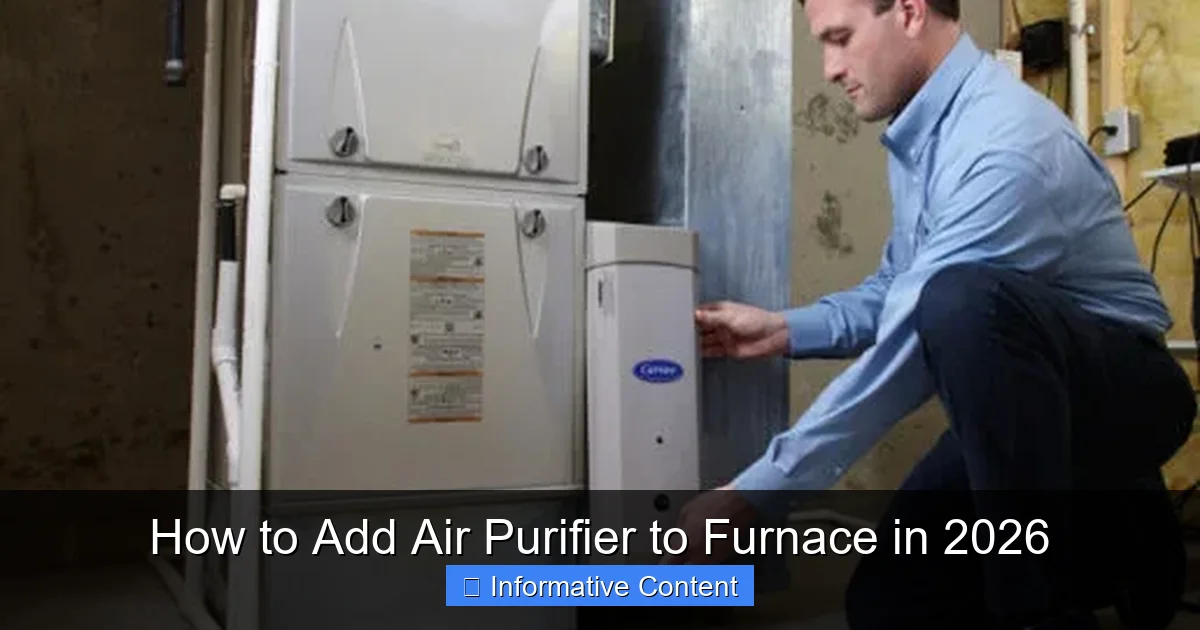
Featured image for how to add air purifier to furnace
Image source: airpurifiers.club
Upgrading your furnace with an air purifier in 2026 is a smart, health-boosting move that improves indoor air quality year-round. By integrating a whole-house air purifier directly into your HVAC system, you can effectively capture allergens, pollutants, and pathogens before they circulate through your home. Installation is straightforward with the right tools and guidance, ensuring cleaner air and enhanced furnace efficiency.
Key Takeaways
- Choose the right purifier type: Match your furnace system and air quality needs.
- Turn off power first: Always shut off electricity before installation for safety.
- Install near return air duct: Maximizes air filtration efficiency and coverage.
- Secure with proper mounting: Use manufacturer guidelines to avoid leaks or damage.
- Connect to furnace control board: Enables synchronized operation with heating cycles.
- Test and monitor performance: Check airflow and filter status after setup.
📑 Table of Contents
- How to Add Air Purifier to Furnace in 2026
- Why Integrate an Air Purifier with Your Furnace?
- Types of Furnace Air Purifiers: Which One Is Right for You?
- Step-by-Step Guide: How to Add Air Purifier to Furnace
- Maintenance Tips to Keep Your System Running Smoothly
- Common Mistakes to Avoid When Adding an Air Purifier
- Top Air Purifier Options for Furnaces in 2026
- Final Thoughts: Breathing Easier in 2026
How to Add Air Purifier to Furnace in 2026
Imagine walking into your home after a long day, taking a deep breath, and actually feeling refreshed. No stuffiness, no lingering pet dander, no trace of last night’s dinner smell. That’s the kind of clean air we all dream of—and in 2026, it’s more achievable than ever. With rising concerns about indoor air quality, allergies, and even post-pandemic health awareness, more homeowners are turning to integrated solutions like adding an air purifier directly to their furnace system. It’s not just about comfort anymore; it’s about creating a healthier living environment for you and your family.
If you’ve ever wondered whether your furnace could do more than just heat or cool your home, you’re not alone. Many people don’t realize that their HVAC system is already moving air throughout the house—making it the perfect backbone for a whole-home air purification system. By connecting an air purifier to your furnace, you’re essentially turning every room into a clean-air zone. No more dragging portable units from room to room or worrying about coverage gaps. In this guide, we’ll walk you through everything you need to know about how to add air purifier to furnace in 2026—from understanding your options to installation tips and long-term maintenance. Whether you’re a DIY enthusiast or planning to hire a pro, this post will help you make informed decisions that improve your home’s air quality for years to come.
Why Integrate an Air Purifier with Your Furnace?
Let’s be honest—most of us spend the majority of our time indoors. According to the EPA, indoor air can be two to five times more polluted than outdoor air. That’s a startling statistic, especially when you consider common culprits like dust mites, mold spores, pet dander, volatile organic compounds (VOCs) from cleaning products, and even outdoor pollutants that sneak inside. A standalone air purifier in the living room might help one area, but it won’t protect your entire home. That’s where integrating an air purifier with your furnace comes in.
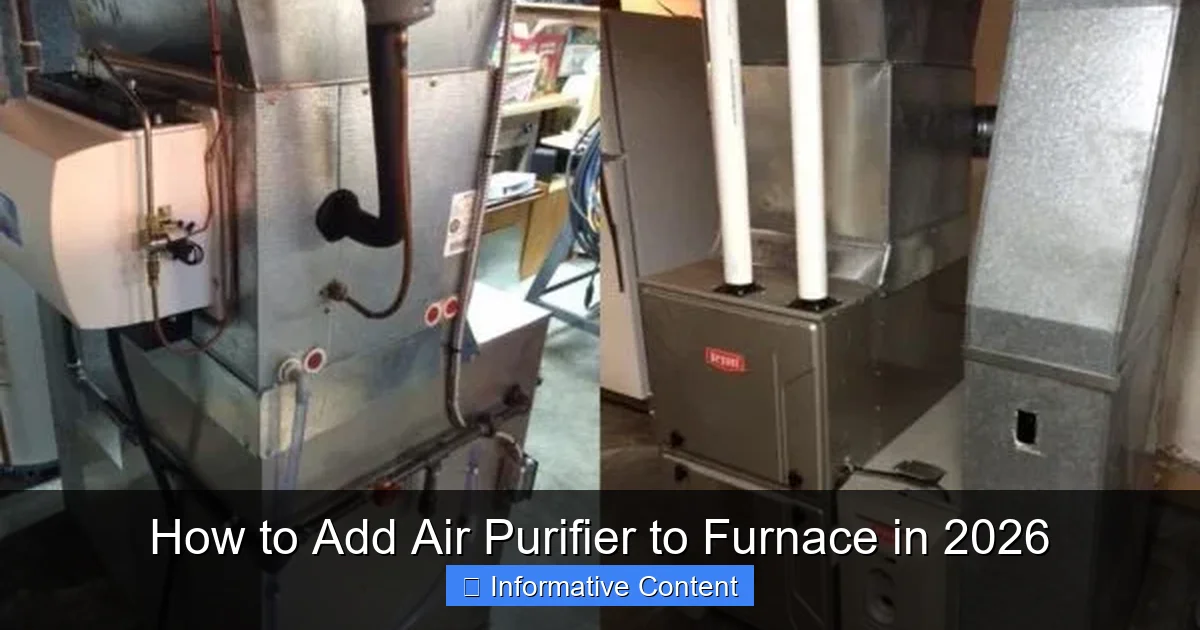
Visual guide about how to add air purifier to furnace
Image source: airpurifiers.club
Whole-Home Coverage vs. Portable Units
Portable air purifiers are great for spot treatment—say, if someone in your household has severe allergies and needs extra protection in the bedroom. But they have limitations. Most only cover 300–500 square feet, and they rely on you remembering to turn them on. Plus, they can be noisy, take up floor space, and require frequent filter changes. In contrast, a furnace-integrated air purifier works silently in the background, cleaning air as it circulates through your ductwork. Every time your furnace or air conditioner runs, purified air is delivered to every room with a vent. It’s like having a silent guardian for your indoor air quality 24/7.
Improved Efficiency and Airflow
Another benefit? Better system efficiency. Modern furnace air purifiers are designed to work seamlessly with your existing HVAC system. Some models, like electrostatic precipitators or high-MERV filters, actually help keep your furnace cleaner by trapping particles before they reach the blower motor or heat exchanger. This means less dust buildup, fewer maintenance calls, and potentially longer equipment life. Plus, because the air is cleaner, your furnace doesn’t have to work as hard to maintain temperature—leading to slight energy savings over time.
Health Benefits You Can Feel
The real win, though, is how it affects your health. If you or a family member suffers from asthma, allergies, or respiratory conditions, cleaner air can mean fewer symptoms, better sleep, and fewer sick days. Even if you’re generally healthy, reducing airborne irritants can improve focus, reduce fatigue, and create a more comfortable living environment. Think of it as an investment in your well-being—one that pays off every time you breathe.
Types of Furnace Air Purifiers: Which One Is Right for You?
Not all air purifiers are created equal—and when it comes to furnace integration, your options are more advanced and effective than ever in 2026. The key is choosing the right type based on your home’s needs, your HVAC system, and your budget. Let’s break down the most popular types of furnace air purifiers available today.
1. High-MERV Filters
Starting simple: high-MERV (Minimum Efficiency Reporting Value) filters are the most basic form of furnace air purification. MERV ratings range from 1 to 20, with higher numbers indicating better filtration. Standard furnace filters are usually MERV 6–8, which catch large particles like dust and pollen. But for true air purification, you’ll want MERV 13 or higher. These filters can capture smaller particles like mold spores, pet dander, and even some bacteria.
Pros: Affordable, easy to install, no electrical components.
Cons: Can restrict airflow if your furnace isn’t designed for high-MERV filters, requires frequent replacement (every 1–3 months).
Tip: Before upgrading to a high-MERV filter, check your furnace manual or consult an HVAC technician. Some older systems can’t handle the increased resistance without losing efficiency.
2. Electronic Air Cleaners (Electrostatic Precipitators)
These devices use electrically charged plates to attract and trap particles as air passes through. They’re highly effective at capturing fine particles and can be washed and reused, reducing long-term costs. Brands like AprilAire and Honeywell offer models that slide right into your furnace’s filter slot.
Pros: Reusable, high efficiency (often equivalent to MERV 13+), low maintenance once installed.
Cons: Higher upfront cost, requires occasional cleaning (every 1–2 months), may produce small amounts of ozone (look for ozone-free models).
3. UV-C Air Purifiers
Ultraviolet (UV-C) light purifiers use germicidal radiation to destroy bacteria, viruses, and mold spores as they pass through the ductwork. These are often installed near the evaporator coil or inside the return air duct. While they don’t remove particles like dust or dander, they’re excellent at neutralizing biological contaminants.
Pros: Highly effective against microbes, silent operation, low energy use.
Cons: Doesn’t filter physical particles, requires periodic bulb replacement (every 9–12 months), effectiveness depends on exposure time and airflow.
4. Photocatalytic Oxidation (PCO) Systems
One of the more advanced options in 2026, PCO systems use UV light and a catalyst (usually titanium dioxide) to break down VOCs, odors, and pathogens into harmless water vapor and carbon dioxide. These are often combined with other technologies for comprehensive purification.
Pros: Destroys odors and chemicals, not just filters them, works continuously.
Cons: Expensive, complex installation, some models may produce trace ozone (check for CARB certification).
5. Hybrid Systems
Many modern furnace air purifiers combine two or more technologies—like a high-MERV filter with UV-C or an electrostatic cleaner with PCO. These offer the best of both worlds: particle removal and microbial destruction. Brands like Lennox, Carrier, and Trane offer integrated systems designed specifically for furnace use.
Pro tip: If you’re unsure which type to choose, start with a high-MERV filter or electronic air cleaner. They offer the best balance of cost, effectiveness, and ease of installation for most homes.
Step-by-Step Guide: How to Add Air Purifier to Furnace
Now that you know your options, let’s talk about how to actually install an air purifier on your furnace. The good news? Many systems are designed for DIY installation, especially if you’re replacing a standard filter with a high-MERV or electronic model. However, more complex systems like UV-C or PCO units may require professional help. Here’s a step-by-step guide to help you through the process.
Step 1: Assess Your Furnace and Ductwork
Before buying anything, take a close look at your furnace. Locate the filter slot—usually near the return air duct or blower compartment. Measure the size (common sizes are 16x20x1, 20x25x1, etc.). Also, check your furnace’s manual or manufacturer website to confirm compatibility with high-MERV filters or electronic cleaners. Some older models can’t handle the added resistance without losing efficiency or overheating.
Example: If your furnace is over 15 years old, it may not be compatible with MERV 13+ filters. In that case, an electronic air cleaner or UV system might be a better fit.
Step 2: Choose the Right Air Purifier
Based on your assessment, select a purifier that matches your furnace size, duct configuration, and air quality needs. If you have pets, go for a system with strong particle filtration. If someone has asthma, consider adding UV-C for microbial control. For chemical sensitivities, a PCO system might be worth the investment.
Budget tip: High-MERV filters cost $10–$20 each and last 1–3 months. Electronic cleaners range from $200–$500 but last years with proper maintenance. UV systems are $150–$400, plus $50–$100 for annual bulb replacement.
Step 3: Turn Off Power and Remove Old Filter
Safety first! Turn off the power to your furnace at the breaker box. Then, locate and remove the existing air filter. Note its size and direction of airflow (usually marked with an arrow). Dispose of the old filter properly—especially if it’s clogged with dust or mold.
Step 4: Install the New Air Purifier
For high-MERV filters: Simply slide the new filter into the slot, making sure the airflow arrow points toward the furnace. Close the access panel and restore power.
For electronic air cleaners: These often come with a mounting frame. Slide the cleaner into place, connect the power cord to a nearby outlet (some models plug into the furnace’s control board), and secure the unit. Follow the manufacturer’s instructions carefully.
For UV-C or PCO systems: These typically require mounting inside the ductwork near the evaporator coil. This is best done by an HVAC technician, as it involves cutting into the duct and wiring the unit to a power source. Some models come with magnetic mounts for easier installation.
Step 5: Test and Monitor
Turn the furnace back on and listen for unusual noises. Check that the system is running smoothly and that air is flowing properly. If you installed an electronic cleaner or UV system, verify that the indicator light is on (if applicable). Run the system for a few hours and notice any changes in air quality or noise levels.
Pro tip: Use a smart thermostat or air quality monitor (like the Awair or Airthings) to track improvements in your home’s air quality over time. You’ll be amazed at the difference!
Maintenance Tips to Keep Your System Running Smoothly
Installing an air purifier is just the first step. To keep it working effectively—and to protect your furnace—you need to maintain it regularly. Neglecting maintenance can lead to reduced efficiency, higher energy bills, and even system damage. Here’s how to keep your furnace air purifier in top shape.
Replace or Clean Filters on Schedule
High-MERV filters should be replaced every 1–3 months, depending on usage and air quality. Electronic air cleaners need their cells washed every 1–2 months with mild soap and water. Rinse thoroughly and let dry completely before reinstalling.
Tip: Set calendar reminders or use a smart filter monitor (like the Filtrete Smart Air Filter) to get alerts when it’s time for a change.
Inspect UV Lamps Annually
UV-C bulbs lose effectiveness over time, even if they still appear to glow. Most manufacturers recommend replacing them every 9–12 months. Check the lamp during your seasonal HVAC maintenance and replace if needed.
Keep Ducts Clean
Even with a purifier, dust and debris can build up in your ducts. Schedule professional duct cleaning every 3–5 years, especially if you’ve had renovations, pets, or visible mold. Clean ducts ensure your purifier works efficiently and prevents re-circulation of contaminants.
Monitor Airflow and System Performance
If your furnace seems to be working harder than usual, or if rooms aren’t heating/cooling evenly, it could be a sign of restricted airflow—often caused by a clogged filter or incompatible purifier. Check your filter and ensure your system is compatible with the MERV rating or purifier type you’ve installed.
Schedule Annual HVAC Tune-Ups
Even the best air purifier can’t compensate for a poorly maintained furnace. Have a licensed technician inspect your system once a year. They’ll check for leaks, clean components, test airflow, and ensure your purifier is functioning correctly.
Common Mistakes to Avoid When Adding an Air Purifier
Even with the best intentions, it’s easy to make mistakes when adding an air purifier to your furnace. Avoid these common pitfalls to ensure a smooth, effective installation.
- Ignoring furnace compatibility: Not all furnaces can handle high-MERV filters or electronic cleaners. Always check your manual or consult a professional before upgrading.
- Overlooking airflow restrictions: A too-thick or high-resistance filter can reduce airflow, strain your blower motor, and increase energy use. Stick to recommended MERV ratings.
- Skipping professional installation for complex systems: UV and PCO systems often require electrical work and duct modifications. DIY attempts can void warranties or create safety hazards.
- Neglecting maintenance: A dirty filter or burnt-out UV bulb turns your purifier into a dust collector. Stay on top of cleaning and replacements.
- Expecting instant results: Air purifiers work best over time. It may take a few days of continuous operation to notice a significant improvement in air quality.
Top Air Purifier Options for Furnaces in 2026
To help you narrow down your choices, here’s a comparison of some of the best furnace air purifiers available in 2026, based on performance, ease of installation, and value.
| Model | Type | MERV Rating | Key Features | Price Range | Best For |
|---|---|---|---|---|---|
| AprilAire 5000 | Electronic Air Cleaner | Equivalent to MERV 13 | Washable cells, no ozone, easy install | $350–$450 | Allergies, pet owners |
| Honeywell FC100A1037 | High-MERV Filter | MERV 11 | Affordable, widely available, low resistance | $15–$25 | Budget-conscious users |
| Lennox PureAir S | Hybrid (PCO + MERV 16) | MERV 16 | Destroys VOCs, odors, and pathogens | $600–$800 | Chemical sensitivities, whole-home purification |
| Carrier Infinity UV Lamp | UV-C | N/A | Germicidal UV, low energy, silent | $200–$300 | Mold prevention, respiratory health |
| Trane CleanEffects | Electrostatic | Equivalent to MERV 13 | 99.98% efficient, washable, no ozone | $500–$700 | High-efficiency filtration |
Final Thoughts: Breathing Easier in 2026
Adding an air purifier to your furnace isn’t just a smart upgrade—it’s a step toward a healthier, more comfortable home. In 2026, with advancements in filtration, UV technology, and smart integration, there’s never been a better time to take control of your indoor air quality. Whether you choose a simple high-MERV filter or a cutting-edge hybrid system, the benefits are clear: cleaner air, fewer allergens, and peace of mind.
Remember, the key to success is choosing the right system for your home, installing it correctly, and maintaining it regularly. Don’t let compatibility issues or maintenance oversights undo your efforts. And if you’re ever in doubt, don’t hesitate to consult a licensed HVAC professional—they can help you make the best decision for your specific setup.
At the end of the day, your home should be a sanctuary—not a source of stress. By learning how to add air purifier to furnace in 2026, you’re not just improving your HVAC system. You’re investing in your family’s health, comfort, and long-term well-being. So take that deep breath. It’s time to breathe easier.
Frequently Asked Questions
How do I add an air purifier to my furnace system?
To add an air purifier to your furnace, install a dedicated air purifier unit in the return air duct or near the furnace air handler. This allows the purifier to clean air as it circulates through the HVAC system, improving overall indoor air quality.
Can I integrate an air purifier with my existing furnace in 2026?
Yes, most modern furnaces can integrate with add-on air purifiers, including HEPA, UV-C, or electronic models. Ensure compatibility with your furnace’s airflow (CFM) and voltage requirements before installation.
Where is the best place to install an air purifier for furnace systems?
The ideal location is in the return air duct or directly on the furnace air handler, where the purifier can filter air before it’s heated or cooled. Avoid placing it too close to supply vents to ensure proper air circulation.
Do I need a professional to add an air purifier to my furnace?
While some DIY-friendly models exist, hiring an HVAC professional is recommended for hardwired or high-voltage air purifiers to ensure safe, code-compliant installation and optimal performance.
What type of air purifier works best with a furnace?
Duct-mounted or media air purifiers (like MERV 13+ filters) and UV-C purifiers are popular choices for furnace integration. Choose one based on your needs—allergens, odors, or microbial control.
How much does it cost to add an air purifier to a furnace in 2026?
Costs range from $200–$1,500+, depending on the purifier type and labor. Basic media filters are affordable, while advanced UV-C or electronic models require higher upfront investment but offer superior filtration.