
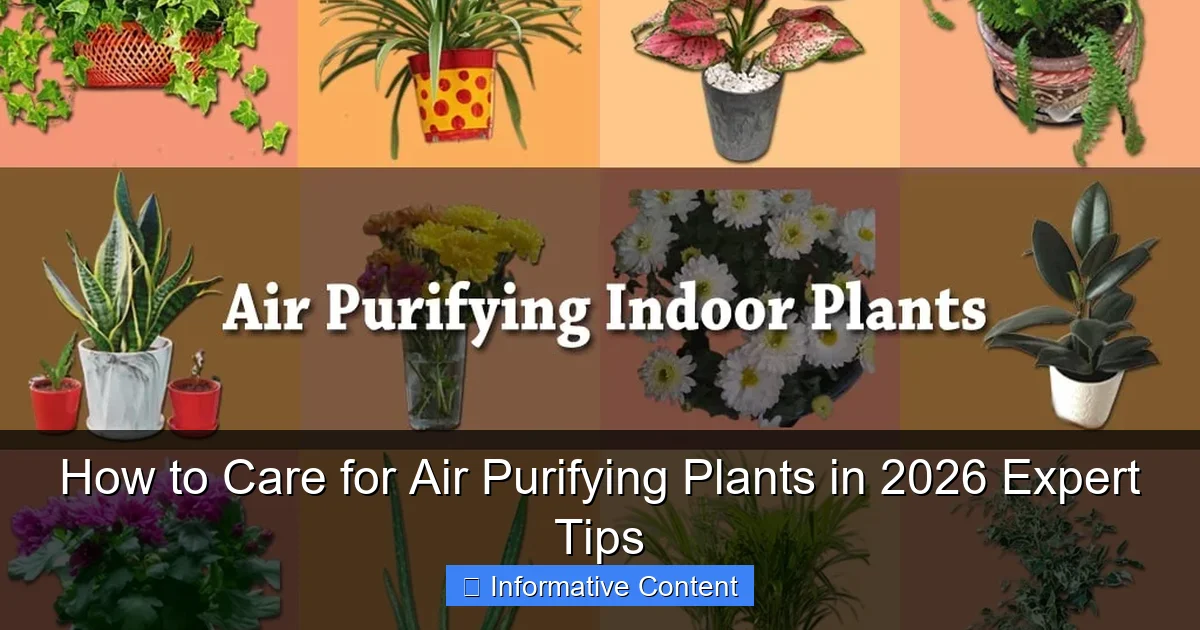
Featured image for how to care for air purifying plants
Image source: econutplants.com
Proper watering and light are the foundation of thriving air-purifying plants—overwatering is the #1 killer. Match each plant’s natural habitat needs, providing bright, indirect light and well-draining soil to maximize both health and air-cleaning efficiency. Regular dusting and seasonal feeding in 2026’s climate-controlled homes keep plants actively filtering toxins year-round.
“`html
Key Takeaways
- Water wisely: Let soil dry slightly between waterings to prevent root rot.
- Prioritize light: Place near bright, indirect sunlight for optimal growth and air-purifying power.
- Clean leaves regularly: Wipe dust off foliage to maximize air filtration efficiency.
- Use well-draining soil: Choose porous mixes to avoid waterlogging and support root health.
- Monitor humidity: Mist or group plants to maintain ideal moisture levels.
- Fertilize sparingly: Apply diluted plant food monthly during active growing seasons only.
📑 Table of Contents
- How to Care for Air Purifying Plants in 2026 Expert Tips
- Understanding How Air Purifying Plants Work
- Light Requirements: Matching Plants to Your Space
- Watering Wisely: The Key to Healthy Roots
- Soil and Potting: Creating the Right Environment
- Humidity, Temperature, and Air Circulation
- Pest Prevention and Plant Health
- Fertilizing for Optimal Growth and Air Purification
- Data Table: Top Air Purifying Plants and Their Care Needs
- Final Thoughts: Creating a Healthier Home with Air Purifying Plants
How to Care for Air Purifying Plants in 2026 Expert Tips
Imagine walking into your home after a long day and being greeted not just by familiar sights and sounds, but by cleaner, fresher air—thanks to the quiet work of your houseplants. It’s not magic, but science: certain plants naturally filter out indoor pollutants like benzene, formaldehyde, and trichloroethylene. In 2026, as more people prioritize wellness, sustainability, and energy efficiency, air purifying plants have become essential green companions in homes and offices alike.
But here’s the thing—just because a plant is labeled “air purifying” doesn’t mean it’s low-maintenance or foolproof. These green helpers still need the right care to thrive and do their job effectively. I learned this the hard way when my beloved snake plant started yellowing at the edges. I thought, “It’s nearly indestructible!” But even the hardiest plants have limits. That experience taught me that proper care isn’t just about keeping them alive—it’s about helping them flourish so they can purify your air efficiently. Whether you’re a seasoned plant parent or just starting your indoor jungle, this guide will walk you through everything you need to know to care for air purifying plants in 2026.
Understanding How Air Purifying Plants Work
Before diving into care routines, it helps to understand what makes these plants special. The idea that houseplants clean the air gained popularity after NASA’s 1989 Clean Air Study, which found that certain plants could remove volatile organic compounds (VOCs) from sealed environments. While later research has shown that the effect in real homes is more modest—plants alone can’t replace mechanical air purifiers—they still play a valuable role when combined with good ventilation and other healthy habits.

Visual guide about how to care for air purifying plants
Image source: i.pinimg.com
The Science Behind Natural Air Filtration
Plants absorb pollutants through their leaves and roots. Microorganisms in the soil also break down toxins, converting them into nutrients the plant can use. For example, the spider plant (Chlorophytum comosum) is known to remove up to 90% of formaldehyde from the air over a 24-hour period in controlled studies. Similarly, the peace lily (Spathiphyllum) targets ammonia, benzene, and carbon monoxide.
It’s important to note that the air-purifying effect is cumulative. One plant in a large room won’t make a noticeable difference, but a collection of well-cared-for plants can significantly improve indoor air quality—especially in tightly sealed, energy-efficient homes where pollutants can build up.
Top Air Purifying Plants to Consider in 2026
In 2026, the most effective air purifying plants combine strong filtration abilities with adaptability to modern living conditions—like lower light from energy-efficient windows or fluctuating indoor temperatures. Here are a few standout options:
- Snake Plant (Sansevieria trifasciata): Releases oxygen at night, making it ideal for bedrooms. Tolerates low light and infrequent watering.
- Spider Plant (Chlorophytum comosum): Safe for pets and easy to propagate. Great for hanging baskets.
- Peace Lily (Spathiphyllum): Produces beautiful white blooms and thrives in medium to low light. Signals thirst by drooping.
- Areca Palm (Dypsis lutescens): Adds humidity and removes xylene and toluene. Needs bright, indirect light.
- Rubber Plant (Ficus elastica): Removes formaldehyde and grows into a striking indoor tree with proper care.
Choosing the right plant depends on your space, light conditions, and lifestyle. A busy professional might prefer a snake plant, while someone with a sunlit living room might enjoy the lush presence of an areca palm.
Light Requirements: Matching Plants to Your Space
Light is the engine of plant life. Without enough of it, even the most air-purifying plant will struggle to grow—and won’t be able to filter air effectively. But too much direct sun can scorch leaves, especially in modern homes with large, energy-efficient windows that let in intense light.
Assessing Your Home’s Light Conditions
Start by observing your space throughout the day. Is the room bright with direct sunlight for several hours? That’s “bright direct light.” If sunlight filters through a sheer curtain or reaches the plant indirectly, that’s “bright indirect light.” Rooms with windows facing north (in the Northern Hemisphere) typically have low light, while south-facing windows get the most sun.
For example, my living room has east-facing windows, which give gentle morning sun—perfect for a peace lily or spider plant. But my bedroom, with a north-facing window, is better suited for a snake plant or ZZ plant, both of which thrive in low light.
Matching Light Needs to Plant Types
Here’s a quick guide to help you match your plants to your light:
- Low Light (25–100 foot-candles): Snake plant, ZZ plant, pothos. Ideal for bedrooms, hallways, or offices without windows.
- Medium Light (100–500 foot-candles): Peace lily, philodendron, dracaena. Great for rooms with filtered light or windows facing east or north.
- Bright Indirect Light (500–2,500 foot-candles): Areca palm, rubber plant, fiddle-leaf fig. Best near south- or west-facing windows with sheer curtains.
If your space lacks natural light, consider using full-spectrum LED grow lights. In 2026, energy-efficient models are more affordable and effective than ever, helping plants photosynthesize even in dark corners.
Watering Wisely: The Key to Healthy Roots
Overwatering is the #1 killer of houseplants—even the tough ones. I once drowned a spider plant by watering it “just in case” every few days. The roots rotted, and the leaves turned brown and mushy. Since then, I’ve learned that most air purifying plants prefer to dry out slightly between waterings.
How Often Should You Water?
There’s no one-size-fits-all schedule. Instead, use the “finger test”: stick your index finger about an inch into the soil. If it feels dry, it’s time to water. If it’s still damp, wait a few more days. This method works for most plants, including snake plants, pothos, and peace lilies.
Season also matters. Plants grow more in spring and summer, so they’ll need more water. In fall and winter, growth slows, and so should your watering. I reduce watering to once every 3–4 weeks for my snake plant in winter.
Signs of Overwatering and Underwatering
Learn to read your plant’s signals:
- Overwatering: Yellowing leaves, mushy stems, foul-smelling soil, or mold on the surface.
- Underwatering: Dry, crispy leaves, drooping, or soil pulling away from the pot edges.
For example, my peace lily droops dramatically when thirsty—but perks up within an hour of watering. That’s a reliable signal. In contrast, a rubber plant shows underwatering with brown leaf tips and slow growth.
Water Quality Matters
Tap water can contain chlorine, fluoride, and heavy metals that build up in soil over time. If your water is hard or heavily treated, consider using filtered or distilled water, especially for sensitive plants like peace lilies. Letting tap water sit out overnight can also help chlorine evaporate.
Soil and Potting: Creating the Right Environment
Good soil isn’t just dirt—it’s a living ecosystem. It holds moisture, provides nutrients, and supports beneficial microbes. For air purifying plants, well-draining soil is crucial to prevent root rot.
Choosing the Right Potting Mix
Most houseplants do well in a high-quality, peat-based potting mix with perlite or vermiculite for drainage. Avoid garden soil—it’s too dense and can introduce pests or diseases.
For specific plants:
- Snake plants and ZZ plants: Use a cactus or succulent mix, or add extra perlite to regular potting soil.
- Peace lilies and philodendrons: Prefer slightly moist, rich soil. A mix with compost or coco coir works well.
- Areca palms: Need aerated, fast-draining soil. Add bark or sand to improve drainage.
Repotting: When and How
Plants need repotting when roots grow out of the drainage holes or the soil dries out too quickly. Generally, do this every 1–2 years in spring.
Choose a pot only 1–2 inches larger in diameter than the current one. Too big, and the soil stays wet too long. Gently loosen the root ball, trim any rotten roots, and place the plant in fresh soil. Water lightly after repotting.
I repotted my rubber plant last spring, and within weeks, it sent out new glossy leaves. It’s now one of my most vibrant air purifiers.
Humidity, Temperature, and Air Circulation
Indoor air quality isn’t just about pollutants—it’s also about comfort. Plants thrive in environments that mimic their natural habitats, which often means moderate humidity and stable temperatures.
Managing Humidity Levels
Most air purifying plants come from tropical regions and prefer humidity levels between 40% and 60%. But modern HVAC systems can dry out indoor air, especially in winter.
Here are simple ways to boost humidity:
- Group plants together—they release moisture through transpiration.
- Use a pebble tray: Fill a shallow tray with water and pebbles, then place the pot on top (not in the water).
- Run a humidifier, especially in bedrooms or dry climates.
- Mist leaves occasionally, though this is less effective than other methods.
My peace lily loves the bathroom, where steam from showers keeps the air moist. But if you don’t have a humid room, a small humidifier near your plant collection works wonders.
Ideal Temperature Ranges
Most houseplants prefer temperatures between 65°F and 75°F (18°C–24°C). Avoid placing them near drafty windows, air conditioning vents, or heaters, which can cause stress.
Sudden temperature swings are particularly harmful. For example, a rubber plant near a frequently opened front door might develop brown spots from cold drafts.
Importance of Air Circulation
Good airflow helps prevent mold, pests, and stagnant air. But don’t confuse this with strong drafts. A gentle breeze from an open window or a small fan on low can keep plants healthy.
I keep a small oscillating fan running near my plant shelf during the day. It mimics natural wind and helps leaves exchange gases more efficiently—boosting their air-purifying power.
Pest Prevention and Plant Health
Even the healthiest plants can attract pests like spider mites, mealybugs, or fungus gnats. The good news? Prevention is easier than treatment.
Common Pests and How to Spot Them
- Spider mites: Tiny red or brown dots, fine webbing on leaves.
- Mealybugs: White, cottony masses on stems and leaf joints.
- Fungus gnats: Small flies around the soil; larvae feed on roots.
I noticed tiny webs on my spider plant last summer. A quick wipe with soapy water and increased air circulation solved the problem before it spread.
Natural and Safe Treatment Options
Avoid harsh chemicals, especially if you have pets or kids. Instead, try:
- Neem oil spray: Mix 1 tsp neem oil, ½ tsp mild soap, and 1 quart water. Spray weekly for 2–3 weeks.
- Isopropyl alcohol: Dab mealybugs with a cotton swab dipped in 70% alcohol.
- Sticky traps: Catch adult fungus gnats near the soil.
Quarantine new plants for 2–3 weeks before introducing them to your collection. This prevents accidental infestations.
Fertilizing for Optimal Growth and Air Purification
Plants need nutrients to grow and function—including their air-cleaning abilities. But over-fertilizing can burn roots and harm the plant.
When and How to Fertilize
Feed your plants during the growing season (spring and summer) with a balanced, water-soluble fertilizer (e.g., 10-10-10) every 4–6 weeks. In fall and winter, stop fertilizing or reduce to once every 8–10 weeks.
Dilute the fertilizer to half strength to avoid buildup. I use a liquid fertilizer for my peace lily and rubber plant, and I’ve noticed greener leaves and more blooms.
Signs of Nutrient Deficiency
- Nitrogen deficiency: Yellowing older leaves.
- Iron deficiency: Yellow leaves with green veins (common in peace lilies).
- Potassium deficiency: Brown leaf edges and weak stems.
If you see these signs, adjust your fertilizing routine or consider a soil test. In 2026, affordable home test kits make it easy to check pH and nutrient levels.
Data Table: Top Air Purifying Plants and Their Care Needs
| Plant Name | Light Needs | Watering Frequency | Humidity Preference | Air Purifying Strength |
|---|---|---|---|---|
| Snake Plant | Low to bright indirect | Every 2–3 weeks | Low to moderate | High (removes formaldehyde, benzene) |
| Spider Plant | Bright indirect | Weekly | Moderate | High (removes formaldehyde, xylene) |
| Peace Lily | Medium to low | Weekly (soil should stay moist) | High | High (removes ammonia, benzene, CO) |
| Areca Palm | Bright indirect | Weekly | High | Medium (removes xylene, toluene) |
| Rubber Plant | Bright indirect | Every 1–2 weeks | Moderate | High (removes formaldehyde) |
Final Thoughts: Creating a Healthier Home with Air Purifying Plants
Caring for air purifying plants in 2026 isn’t just about following a checklist—it’s about building a relationship with your green companions. When you pay attention to their needs, they reward you with cleaner air, greener spaces, and a sense of calm. I’ve found that my morning routine—checking the soil, wiping leaves, and simply enjoying their presence—has become a form of mindfulness.
Remember, no plant is perfect. Some will thrive, others may struggle. But each one teaches you something new about balance, patience, and the quiet power of nature indoors. Combine your plants with good ventilation, regular cleaning, and mindful habits, and you’ll create a home that’s not only beautiful but truly healthy.
So go ahead—bring home that snake plant, hang a spider plant in the kitchen, or place a peace lily on your nightstand. With the right care, your air purifying plants will do more than survive. They’ll flourish—and so will you.
“`
Frequently Asked Questions
How often should I water my air purifying plants?
Most air purifying plants prefer evenly moist (not soggy) soil—water when the top 1–2 inches feel dry. Overwatering is a common mistake, so always check soil moisture first, especially for plants like snake plants or peace lilies.
Do air purifying plants need direct sunlight to thrive?
Not necessarily. While some, like spider plants, tolerate bright indirect light, others (e.g., snake plants) can survive in low light. For optimal air purifying plant care in 2026, match light levels to each species’ natural habitat.
Can I use regular potting soil for air purifying plants?
It depends on the plant. Most do fine with standard potting mix, but succulents like aloe vera need fast-draining cactus soil. Always ensure pots have drainage holes to prevent root rot.
How do I clean the leaves of my air purifying plants?
Gently wipe leaves with a damp cloth every few weeks to remove dust—this boosts photosynthesis and air purification. Avoid leaf shine sprays, which can clog pores.
Are air purifying plants safe for pets?
Some are, but many common varieties (e.g., peace lilies, pothos) are toxic if ingested. Check ASPCA’s list and opt for pet-safe options like Boston ferns or spider plants.
What’s the best fertilizer for air purifying plants in 2026?
Use a balanced, water-soluble fertilizer (e.g., 10-10-10) diluted to half strength every 4–6 weeks during spring/summer. Skip fertilizing in winter when growth slows.