
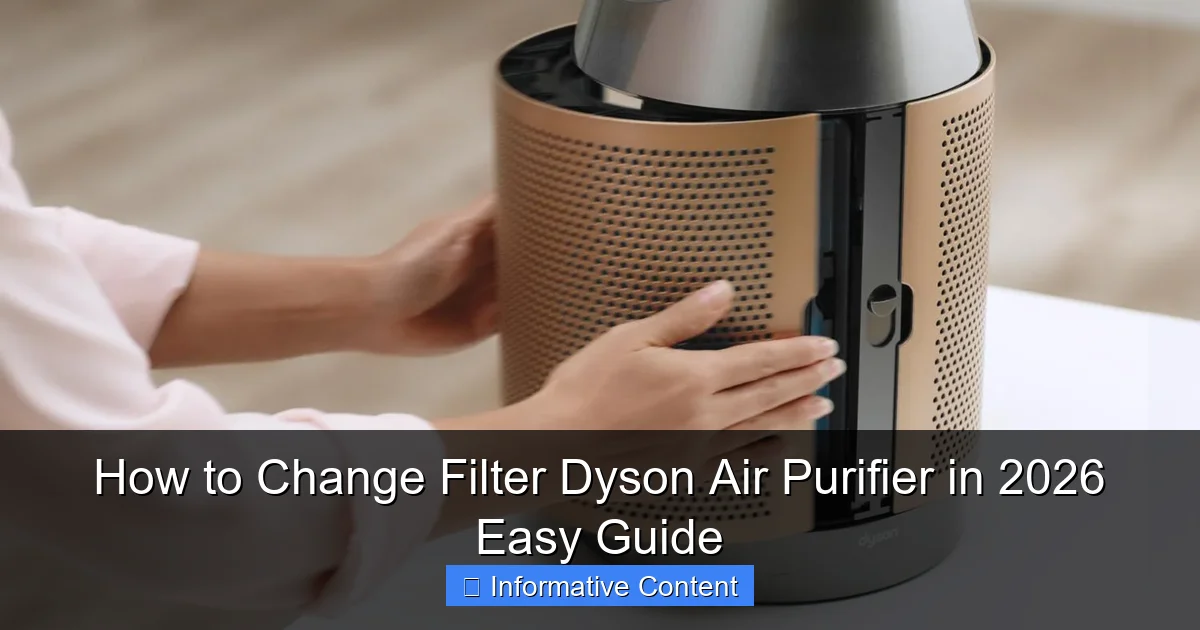
Featured image for how to change filter dyson air purifier
Image source: dyson-h.assetsadobe2.com
Changing the filter in your Dyson air purifier is quick and essential for optimal performance—simply locate the filter compartment, remove the old filter, and insert the new one following the model-specific airflow direction. This easy 2026 guide ensures cleaner air and longer device life with minimal effort. Always power off the unit and replace filters every 6–12 months, depending on usage, to maintain peak efficiency.
“`html
Key Takeaways
- Check filter status regularly using the Dyson app or device indicator.
- Replace filters every 12 months or when prompted for optimal performance.
- Turn off and unplug the purifier before starting the filter change.
- Open the filter cover carefully to avoid damaging internal components.
- Install genuine Dyson filters to maintain air quality and warranty coverage.
- Reset the filter life indicator after replacement to track usage accurately.
📑 Table of Contents
- Why Changing Your Dyson Air Purifier Filter Matters More Than You Think
- Understanding Your Dyson Air Purifier’s Filter System
- Step-by-Step Guide: How to Change Filter Dyson Air Purifier
- Model-Specific Tips for Common Dyson Air Purifiers
- Common Mistakes to Avoid When Changing Your Filter
- How to Maximize Filter Life and Performance
- When to Replace vs. Clean Your Dyson Filter
- Data Table: Dyson Air Purifier Filter Replacement Guide (2026)
- Final Thoughts: Breathe Easy with Regular Maintenance
Why Changing Your Dyson Air Purifier Filter Matters More Than You Think
Imagine this: You’ve just finished a long day, kicked off your shoes, and settled into your favorite armchair with a cup of tea. The air in your living room feels crisp, clean, and refreshing—thanks to your trusty Dyson air purifier humming quietly in the corner. It’s been running faithfully for months, maybe even a year. But here’s the thing: even the most advanced machines need a little TLC to keep performing at their best.
That “little TLC” often comes down to one simple but critical task—changing the filter. If you’ve owned a Dyson air purifier for any length of time, you’ve probably seen that little notification on the display or heard the gentle chime reminding you it’s time for a replacement. But how many of us actually know how to do it properly? Or worse—how many of us ignore it altogether, thinking, “It still seems to be working fine”? Spoiler alert: it’s not. A clogged or expired filter doesn’t just reduce efficiency—it can actually make your indoor air quality worse by recirculating trapped pollutants back into the room.
In this guide, we’ll walk you through everything you need to know about how to change the filter in your Dyson air purifier in 2026—step by step, model by model, and with real-world tips from actual users. Whether you’re a first-time owner or a long-time fan who’s been putting off this chore, we’ve got you covered. No jargon, no fluff—just clear, practical advice to keep your home breathing easy.
Understanding Your Dyson Air Purifier’s Filter System
Before you even think about unscrewing or unclipping anything, it’s important to understand what’s actually inside your Dyson air purifier. Not all models are created equal, and knowing your machine’s specific filter setup can save you time, money, and frustration down the line.
Visual guide about how to change filter dyson air purifier
Image source: materialsix.com
Types of Filters Used in Dyson Purifiers
Most Dyson air purifiers use a dual-filter system: a HEPA filter and an activated carbon filter. The HEPA filter captures microscopic particles like pollen, dust mites, pet dander, and even some bacteria and viruses—down to 0.3 microns in size. The activated carbon layer, on the other hand, is designed to absorb odors, gases, and volatile organic compounds (VOCs) from cooking fumes, cleaning products, or even off-gassing furniture.
Some newer models, like the Dyson Purifier Humidify+Cool Formaldehyde (PH04) or the Dyson Purifier Hot+Cool Formaldehyde (HP09), also include a specialized formaldehyde-destroying catalyst filter. This third layer breaks down formaldehyde—a common indoor pollutant found in pressed wood, adhesives, and certain insulation materials—into water vapor and carbon dioxide. If your model has this feature, it’s crucial to replace this filter as recommended, since it doesn’t last as long as the standard HEPA and carbon filters.
How Long Do Dyson Filters Last?
Dyson officially recommends replacing your filters every 12 months under normal usage conditions. However, this can vary depending on several factors:
- Air quality in your home: If you live in a city with high pollution, have pets, or frequently cook with strong-smelling ingredients, your filters may clog faster.
- Usage frequency: Running your purifier 24/7 will wear out the filters quicker than using it only during peak allergy season or when someone is sick.
- Filter type: The formaldehyde-destroying filter typically lasts only 6–12 months, even if the HEPA and carbon filters are still functional.
Pro tip: Many Dyson models now come with a built-in filter life monitor. You can check this via the LCD screen or the Dyson Link app. If your machine says “Filter life: 15%,” don’t wait—order a replacement right away. Waiting too long can strain the motor and reduce airflow, which defeats the whole purpose of having a purifier in the first place.
Step-by-Step Guide: How to Change Filter Dyson Air Purifier
Now for the main event—the actual process of swapping out your old filter for a fresh one. Don’t worry, it’s easier than assembling IKEA furniture (and way more rewarding). Below is a universal method that works for most Dyson air purifier models, including the popular Pure Cool (TP04/TP07), Pure Hot+Cool (HP04/HP07), and newer formaldehyde-destroying versions.
What You’ll Need
- Replacement Dyson filter kit (HEPA + carbon, or HEPA + carbon + formaldehyde, depending on your model)
- A clean, flat surface (like a table or countertop)
- Optional: a soft cloth or microfiber towel
Always use genuine Dyson replacement filters. Third-party alternatives might seem cheaper, but they often don’t fit properly, lack the same filtration efficiency, and can void your warranty. Plus, Dyson’s filters are rigorously tested to meet strict performance standards—something you can’t always guarantee with off-brand options.
Step 1: Turn Off and Unplug the Unit
Safety first! Before you do anything, make sure your Dyson air purifier is completely powered off and unplugged from the wall outlet. This prevents any accidental activation while you’re handling internal components. Even though these machines are low-voltage, it’s always better to be safe than sorry.
Step 2: Locate the Filter Compartment
On most Dyson purifiers, the filter compartment is located at the base of the unit. Look for a circular or oval panel with small vents or a latch. On tower models like the TP04, you’ll typically find two filter covers—one on each side. On fan-purifier hybrids like the HP07, there’s usually one central cover.
Gently press the release button or slide the latch (depending on your model) to open the cover. Some newer models have magnetic latches that pop open with a light tug—no tools required!
Step 3: Remove the Old Filters
Once the cover is open, you’ll see the old filters sitting snugly inside. Carefully pull them out by the tabs or edges. Be gentle—there’s no need to force anything. If the filters are particularly dirty (and they probably are), consider wearing gloves to avoid direct contact with accumulated dust and allergens.
Take a moment to inspect the inside of the compartment. If there’s visible dust or debris, use a dry microfiber cloth to wipe it clean. Never use water or cleaning sprays inside the machine—this can damage sensitive electronics.
Step 4: Install the New Filters
Now it’s time to install the fresh filters. Most Dyson replacement kits come with two filters: the HEPA filter (usually white or light gray) and the activated carbon filter (often black or dark gray). They’re designed to fit together like puzzle pieces—so orientation matters.
Start by placing the HEPA filter into the compartment first, ensuring the arrow on the filter aligns with the direction indicator inside the unit. Then, slot the carbon filter on top or beside it, depending on your model. Make sure both filters sit flush and secure—there shouldn’t be any gaps or loose edges.
If your model includes a formaldehyde-destroying filter, it will typically be a separate, smaller cartridge that clicks into a designated slot near the main filters. Refer to the packaging instructions or Dyson’s online support page for your specific model if you’re unsure.
Step 5: Close the Compartment and Reset the Filter Life
Once the new filters are in place, close the cover firmly until you hear a click or feel it lock into position. Plug the unit back in and turn it on. Most Dyson purifiers will automatically detect the new filters and reset the filter life indicator. However, if your display still shows a low filter percentage, you may need to manually reset it.
To do this, press and hold the “Oscillation” and “Night Mode” buttons simultaneously for 5–10 seconds (the exact combination varies by model). The display should flash or show a confirmation message indicating the filter life has been reset to 100%. If you’re unsure, check your user manual or the Dyson Support website for model-specific instructions.
Model-Specific Tips for Common Dyson Air Purifiers
While the general process is similar across models, there are some nuances worth noting. Here’s a quick breakdown for the most popular Dyson air purifiers in 2026:
Dyson Pure Cool (TP04/TP07)
These tower-style purifiers have two filter compartments—one on each side. You’ll need to replace both filters at the same time, even if one looks cleaner than the other. The filters are identical, so there’s no risk of mixing them up. Just remember: left side = left filter, right side = right filter.
Tip: If you have the TP07 with the LCD screen, you can monitor individual filter life for each side. This helps you confirm both are being used evenly.
Dyson Pure Hot+Cool (HP04/HP07)
Similar to the Pure Cool, but with heating functionality. The filter compartment is usually centered at the base. One key difference: the HP07 includes a formaldehyde-destroying filter, so make sure you’re buying the correct 3-filter kit.
Warning: Never attempt to clean the filters with water or compressed air. Dyson filters are not washable—doing so will ruin their effectiveness and void your warranty.
Dyson Purifier Humidify+Cool Formaldehyde (PH04)
This all-in-one unit combines purification, humidification, and cooling. It uses the same dual-filter system but also includes a water tank and evaporator mesh. When replacing filters, avoid spilling water into the compartment. If you’ve recently refilled the tank, dry the area thoroughly before installing new filters.
Bonus tip: Clean the evaporator mesh every 3 months with a soft brush and mild detergent to prevent mold buildup. This isn’t part of the filter replacement, but it’s essential for maintaining performance.
Common Mistakes to Avoid When Changing Your Filter
Even experienced Dyson users can slip up when it comes to filter maintenance. Here are some common pitfalls—and how to avoid them:
Using Non-Genuine Filters
We get it—genuine Dyson filters aren’t cheap. But cutting corners with off-brand replacements can lead to poor air quality, reduced airflow, and even damage to your machine. Dyson’s filters are engineered to work seamlessly with their motors and sensors. Generic filters may not seal properly, allowing unfiltered air to bypass the system entirely.
Real-world example: One user on Reddit reported that after switching to a third-party filter, their purifier started making a loud grinding noise. Turns out, the ill-fitting filter was causing the motor to overwork. They ended up paying more for repairs than they saved on the filter.
Ignoring the Filter Life Indicator
Just because your purifier is still running doesn’t mean it’s working effectively. A clogged filter forces the motor to work harder, increasing energy consumption and reducing lifespan. Worse, it can start releasing trapped particles back into the air—especially if the filter is saturated with moisture or organic matter.
Set a calendar reminder for every 11 months, even if the indicator hasn’t flashed yet. Better safe than sorry!
Forgetting to Reset the Filter Life
After installing new filters, always reset the filter life monitor. If you don’t, your machine will continue to display a low percentage, which can be confusing and misleading. Plus, you won’t get accurate alerts when it’s truly time for the next replacement.
Storing Old Filters Improperly
If you’re keeping spare filters for future use, store them in their original packaging in a cool, dry place. Exposure to humidity or extreme temperatures can degrade the filter media before you even install it.
How to Maximize Filter Life and Performance
Changing your filter is just one part of the equation. To get the most out of your Dyson air purifier—and extend the life of your filters—follow these best practices:
- Run it regularly: Even if you’re not actively purifying, running the unit on low for a few hours daily helps circulate air and prevent stagnation.
- Use Auto Mode: Let the built-in sensors adjust fan speed based on real-time air quality. This prevents unnecessary strain on the filters during clean-air periods.
- Keep windows closed during high-pollution days: This reduces the load on your purifier and keeps outdoor contaminants from entering your home.
- Vacuum and dust regularly: The fewer particles in your home, the less work your purifier has to do.
- Avoid smoking or burning candles indoors: These activities release fine particles and VOCs that can quickly overwhelm your filters.
And if you have pets, consider grooming them outdoors or using a HEPA vacuum to minimize dander buildup.
When to Replace vs. Clean Your Dyson Filter
Here’s a critical point: Dyson air purifier filters are not washable or reusable. Unlike some budget purifiers that advertise “washable HEPA filters,” Dyson’s filters are designed for single use. Attempting to rinse or vacuum them will damage the delicate fiber structure and compromise performance.
That said, you can gently wipe the exterior of the filter compartment with a dry cloth to remove surface dust. But never submerge, spray, or scrub the filters themselves.
If your filter looks only slightly dusty and your machine still shows 80%+ life, you’re probably fine to keep using it. But once it’s visibly dark, smells musty, or the indicator drops below 20%, it’s time for a replacement—no exceptions.
Data Table: Dyson Air Purifier Filter Replacement Guide (2026)
| Model | Filter Type | Replacement Frequency | Number of Filters | Special Notes |
|---|---|---|---|---|
| Pure Cool (TP04/TP07) | HEPA + Activated Carbon | 12 months | 2 (one per side) | Reset filter life via button combo |
| Pure Hot+Cool (HP04) | HEPA + Activated Carbon | 12 months | 2 | Central filter compartment |
| Pure Hot+Cool Formaldehyde (HP09) | HEPA + Carbon + Formaldehyde Catalyst | 12 months (6–12 for formaldehyde) | 3 | Requires 3-filter kit |
| Purifier Humidify+Cool (PH04) | HEPA + Activated Carbon | 12 months | 2 | Avoid water contact during replacement |
Final Thoughts: Breathe Easy with Regular Maintenance
Changing the filter in your Dyson air purifier might seem like a small task, but it’s one of the most impactful things you can do to protect your health and extend the life of your investment. In 2026, with air quality concerns on the rise and indoor pollutants becoming more prevalent, maintaining your purifier isn’t just a chore—it’s a necessity.
By following this guide, you’ll ensure your Dyson continues to deliver clean, fresh air year after year. Remember: genuine filters, timely replacements, and proper reset procedures are the keys to success. And if you ever feel unsure, don’t hesitate to consult Dyson’s official support resources or reach out to their customer service team.
So go ahead—grab that replacement filter, roll up your sleeves, and give your purifier the refresh it deserves. Your lungs (and your family) will thank you.
“`
Frequently Asked Questions
How do I know when to change the filter on my Dyson air purifier?
Most Dyson air purifiers display a filter life indicator on the LCD screen or app, alerting you when it’s time to replace the filter. Typically, filters should be changed every 6 to 12 months, depending on usage and air quality.
How to change filter Dyson air purifier step by step?
First, turn off and unplug the purifier. Open the filter cover, remove the old filter, insert the new one ensuring it’s properly aligned, and close the cover. Reset the filter life indicator via the app or machine controls.
Can I wash and reuse the Dyson air purifier filter?
No, Dyson filters are not washable or reusable—they are designed for single use. Attempting to clean them can damage the filter and reduce air purification efficiency.
Where can I buy replacement filters for my Dyson air purifier?
You can purchase genuine Dyson replacement filters from the official Dyson website, authorized retailers, or major electronics stores. Always verify compatibility with your specific model before buying.
How much does it cost to replace a Dyson air purifier filter?
Replacement filters typically cost between $50 and $80, depending on the model. Buying directly from Dyson ensures authenticity and optimal performance.
Will my Dyson air purifier work without a filter?
No, the purifier will either not operate or display an error message if a filter is missing or improperly installed. A functioning filter is essential for both air cleaning and protecting the internal components.