
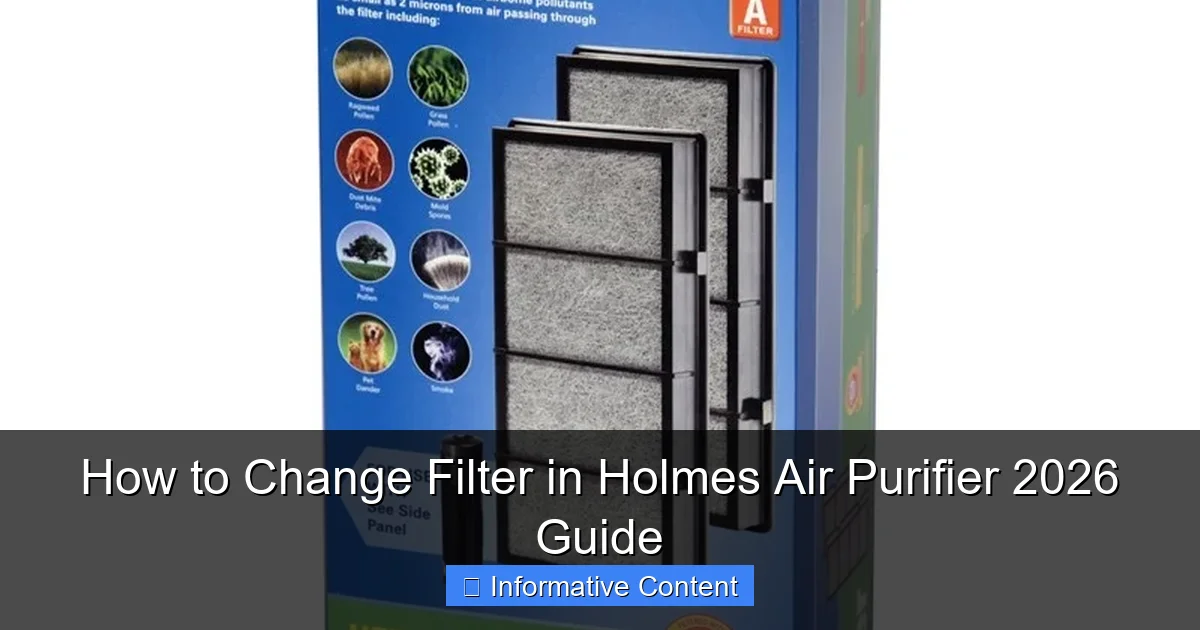
Featured image for how to change filter in holmes air purifier
Image source: filterdepot.ca
Replacing the filter in your Holmes Air Purifier 2026 is quick and essential for optimal air quality—follow these simple steps to ensure peak performance. Turn off and unplug the unit, remove the front grille, and swap out the old filter with a genuine Holmes replacement, then reassemble and restart. Regular filter changes every 3–6 months keep your purifier running efficiently and your indoor air clean.
Key Takeaways
- Power off first: Always unplug the purifier before starting.
- Locate the latch: Find the filter compartment on the back or side.
- Remove old filter: Pull it out gently to avoid dust spillage.
- Check replacement type: Match the new filter model to your unit.
- Insert correctly: Align arrows on filter with unit for proper fit.
- Reset filter indicator: Press and hold button if your model has one.
- Schedule replacements: Change every 3–6 months for peak performance.
📑 Table of Contents
- How to Change Filter in Holmes Air Purifier 2026 Guide
- Why Regular Filter Changes Matter for Your Holmes Air Purifier
- Identifying Your Holmes Air Purifier Model and Filter Type
- Step-by-Step Guide: How to Change the Filter in Your Holmes Air Purifier
- Tips for Maintaining Your Holmes Air Purifier Between Filter Changes
- Troubleshooting Common Filter Change Issues
- Conclusion: Breathe Easy with a Well-Maintained Holmes Air Purifier
How to Change Filter in Holmes Air Purifier 2026 Guide
Imagine walking into your home after a long day, taking a deep breath, and actually feeling the difference in the air. That’s the magic of a well-maintained air purifier. I remember the first time I noticed how much fresher my bedroom smelled after replacing the filter in my Holmes air purifier. It wasn’t just cleaner—it was quieter, too. The unit hummed along smoothly, like it had just woken up from a good nap. That moment made me realize how often we overlook one of the simplest yet most impactful home maintenance tasks: changing the air filter.
Air purifiers, especially trusted brands like Holmes, are designed to trap dust, pollen, pet dander, and even odors. But over time, those filters get clogged. Think of it like a sponge soaking up water—eventually, it can’t hold any more. When that happens, your air purifier works harder, uses more energy, and delivers less clean air. Worse, a dirty filter can even start blowing contaminants back into your room. That’s why knowing how to change the filter in your Holmes air purifier isn’t just helpful—it’s essential for your health and your machine’s longevity.
In this 2026 guide, I’ll walk you through every step of replacing your Holmes air purifier filter, whether you’re a first-time user or someone who’s been using the same model for years. We’ll cover everything from identifying when it’s time for a change to choosing the right replacement filter and even tips for maintaining your unit between swaps. No technical jargon, no confusing manuals—just clear, practical advice you can use today. Let’s get your air purifier breathing easy again.
Why Regular Filter Changes Matter for Your Holmes Air Purifier
Let’s be honest—most of us don’t think about air filters until something goes wrong. Maybe the purifier starts making a weird noise, or the air in the room still feels stuffy. But waiting for a problem to appear is like waiting for your car to break down before checking the oil. Regular filter changes are preventive care, and they make a bigger difference than you might think.
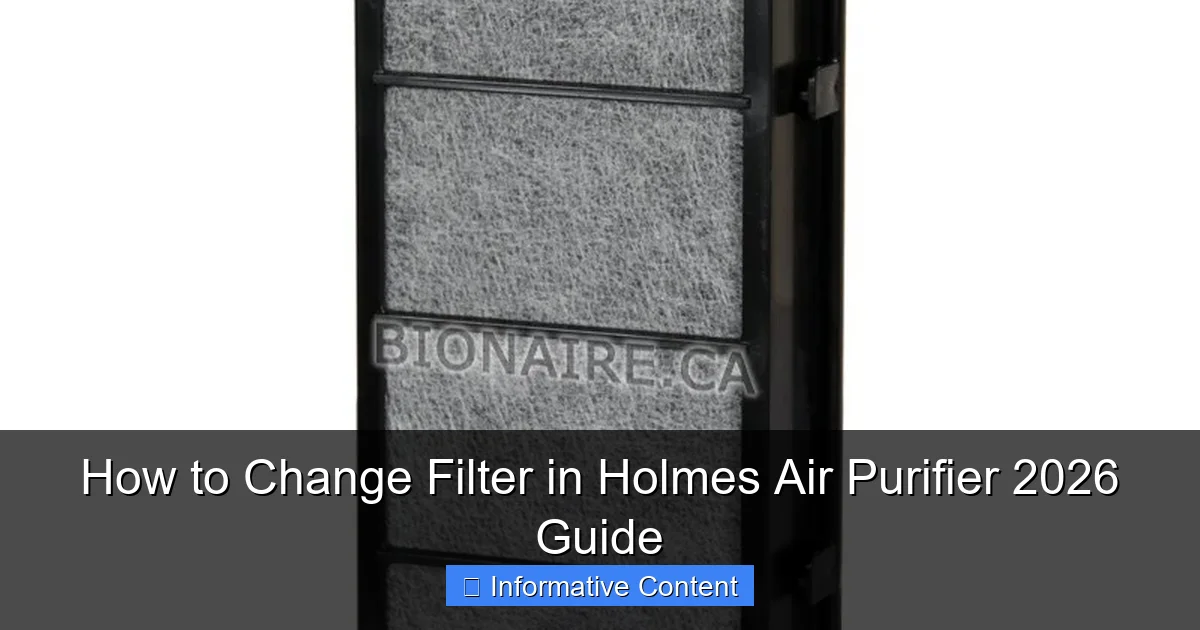
Visual guide about how to change filter in holmes air purifier
Image source: filterdepot.ca
Holmes air purifiers are built to capture airborne particles using a combination of filters—usually a pre-filter, a HEPA filter, and sometimes a carbon filter. Over time, these filters trap thousands of microscopic pollutants. A clean filter can remove up to 99.97% of particles as small as 0.3 microns, including allergens, mold spores, and even some bacteria. But once the filter is saturated, its efficiency drops dramatically. Studies show that a clogged filter can reduce airflow by up to 50%, forcing the motor to work harder and increasing energy use.
Health Benefits of a Clean Filter
If you or someone in your household has allergies, asthma, or respiratory sensitivities, a clean filter isn’t just a nice-to-have—it’s a must. I learned this the hard way when my sister visited with her toddler who has seasonal allergies. Her little one was sneezing nonstop until I replaced the filter in my living room purifier. Within hours, the symptoms eased. That’s when I realized how much of a difference a fresh filter can make, especially for vulnerable individuals.
Clean filters also help reduce indoor odors from cooking, pets, or smoke. The carbon layer in many Holmes models absorbs odors and volatile organic compounds (VOCs), but only if it’s not already full. A dirty carbon filter can actually start releasing trapped odors back into the air, which defeats the whole purpose.
Performance and Energy Efficiency
A clogged filter doesn’t just affect air quality—it affects your purifier’s performance. When airflow is restricted, the unit has to run longer to achieve the same level of purification. This means higher electricity bills and more wear and tear on the motor. In fact, running a Holmes air purifier with a dirty filter can increase energy consumption by up to 30%, according to independent testing by consumer labs.
Additionally, a strained motor is more likely to overheat or fail prematurely. Replacing the filter on schedule can extend the life of your unit by several years. Think of it as an investment: a $20 filter now could save you $200 on a replacement purifier later.
When to Change the Filter: Signs You Can’t Ignore
So how do you know when it’s time? Holmes recommends checking the filter every 3 to 6 months, but real-world conditions vary. Here are some telltale signs:
- Reduced airflow: If you notice the air coming out of the vents feels weaker, the filter is likely clogged.
- Increased noise: A struggling motor often produces a louder hum or rattling sound.
- Visible dirt or discoloration: Open the front panel and inspect the filter. If it’s gray or covered in dust, it’s time for a change.
- Persistent odors: If smells linger despite running the purifier, the carbon filter may be saturated.
- Allergy flare-ups: If symptoms return or worsen, your filter might not be capturing allergens effectively.
Pro tip: Keep a calendar reminder or set a recurring alert on your phone. I mark mine for every 4 months—right after spring cleaning and before winter sets in. It’s a small habit that makes a big difference.
Identifying Your Holmes Air Purifier Model and Filter Type
Before you can change the filter, you need to know exactly what kind of filter your Holmes air purifier uses. Holmes has produced dozens of models over the years, and while many share similar designs, the filters aren’t always interchangeable. Using the wrong filter can reduce performance or even damage your unit.
The first step is locating your model number. It’s usually found on a sticker on the back or bottom of the unit. Look for something like “HAPF30,” “HAPF45,” or “HAPF60.” This number tells you everything you need to know about the correct replacement filter. If you can’t find the sticker, check the user manual or the original packaging. Still stuck? Holmes’s website has a helpful model lookup tool where you can enter your unit’s description or serial number.
Common Holmes Filter Types
Holmes air purifiers typically use one of three filter types, often in combination:
- Pre-filter: Captures large particles like pet hair and dust. Usually washable and reusable.
- True HEPA filter: Removes 99.97% of particles 0.3 microns and larger. Must be replaced regularly.
- Carbon filter: Absorbs odors and gases. Often combined with the HEPA filter in a single cartridge.
Some models, like the Holmes HAPF30, use a 3-in-1 filter that combines all three layers. Others, such as the HAPF45, have separate filters that need individual attention. Knowing your model helps you determine whether you need one replacement or multiple.
How to Match the Right Replacement Filter
Once you have your model number, head to the Holmes website or a trusted retailer like Amazon, Walmart, or Home Depot. Search for “Holmes [model number] replacement filter.” For example, “Holmes HAPF30 replacement filter.” Always double-check the product description to ensure it’s compatible with your specific model.
Be cautious with third-party filters. While they’re often cheaper, they may not meet the same standards as genuine Holmes filters. I once tried a generic filter to save money, but it didn’t fit snugly and allowed dust to bypass the filtration system. I ended up buying the official one anyway—lesson learned.
Here’s a quick reference table of popular Holmes models and their filter types:
| Model Number | Filter Type | Replacement Frequency | Notes |
|---|---|---|---|
| HAPF30 | 3-in-1 (Pre-filter + HEPA + Carbon) | Every 3–6 months | Common in desktop and tower models |
| HAPF45 | HEPA + Carbon (separate) | HEPA: 6–12 months; Carbon: 3–6 months | Used in larger room purifiers |
| HAPF60 | True HEPA + Washable Pre-filter | HEPA: 12 months; Pre-filter: Clean monthly | Ideal for high-pollen areas |
| HAPF300 | 3-stage (Pre + HEPA + Carbon) | Every 4–6 months | Designed for large rooms |
Pro tip: Buy filters in bulk if you use them regularly. Many retailers offer discounts on multipacks, and having spares on hand means you’ll never be caught off guard.
Step-by-Step Guide: How to Change the Filter in Your Holmes Air Purifier
Now that you know why filter changes matter and how to identify the right filter, let’s get into the actual process. Changing the filter in a Holmes air purifier is surprisingly simple—most models are designed for user-friendly maintenance. I’ve done this dozens of times, and it usually takes less than five minutes. Here’s how to do it safely and effectively.
Step 1: Turn Off and Unplug the Unit
Safety first! Always turn off your air purifier and unplug it from the wall before opening any panels. This prevents accidental startup and protects you from electrical shock. I made the mistake of changing a filter while the unit was on once—let’s just say I got a surprise jolt and a lesson in caution.
Step 2: Locate and Open the Front Panel
Most Holmes models have a front grille or panel that snaps open. Look for clips or latches on the sides or bottom. Gently press or pull to release it. Some models, like the HAPF30, have a hinged door that swings open. Others require you to lift the panel straight up. If you’re unsure, refer to your user manual—most are available for free download on the Holmes website.
Once the panel is open, you’ll see the filter(s) inside. Take a moment to inspect them. If the filter looks dark gray or covered in a thick layer of dust, it’s definitely time for a replacement.
Step 3: Remove the Old Filter
Carefully slide the old filter out of its slot. If it’s a 3-in-1 filter, it will come out as one piece. For models with separate filters, remove each one individually. Pay attention to how they’re positioned—some have arrows indicating airflow direction. Take a photo with your phone before removing them if you’re unsure. This makes reinstallation much easier.
If your model has a washable pre-filter, remove it separately. Rinse it under cool water, let it air dry completely, and set it aside for reinstallation. Never put a wet filter back into the unit—it can promote mold growth.
Step 4: Insert the New Filter
Take your new filter out of the packaging. Remove any plastic wrap or protective covering. Make sure the airflow arrows on the filter frame point toward the unit (usually inward). Slide the filter into the slot, ensuring it fits snugly. There should be no gaps around the edges—air should only pass through the filter, not around it.
For models with multiple filters, install them in the correct order. Typically, the pre-filter goes in first (closest to the intake), followed by the HEPA filter, and then the carbon layer. Double-check your manual if you’re unsure.
Step 5: Close the Panel and Plug In
Once the new filter is securely in place, close the front panel. Make sure it clicks or locks into position. Reconnect the power cord and turn the unit back on. You should notice improved airflow and a quieter operation right away.
Run the purifier on the highest setting for the first hour to help the new filter “settle in.” This also helps remove any loose fibers from the manufacturing process.
Step 6: Reset the Filter Indicator (If Applicable)
Some newer Holmes models have a filter change indicator light. After replacing the filter, you’ll need to reset it. Usually, this involves holding down a button for 3–5 seconds until the light turns off or changes color. Check your manual for specific instructions.
If your model doesn’t have an indicator, mark the date on the filter frame with a permanent marker. This helps you track when it was installed and when it’s due for replacement.
Tips for Maintaining Your Holmes Air Purifier Between Filter Changes
Changing the filter is only part of the equation. To keep your Holmes air purifier running at peak performance, regular maintenance is key. Think of it like brushing your teeth—you can’t just do it once and expect lifelong dental health. The same goes for your air purifier.
Clean the Exterior and Vents Weekly
Dust and pet hair can build up on the outside of your unit, especially around the air intake and output vents. Use a soft, dry cloth or a microfiber duster to wipe down the surface. For stubborn grime, lightly dampen the cloth with water—never spray liquid directly onto the unit.
Vacuum the vents gently with a brush attachment to remove loose debris. This prevents dust from being sucked back into the system and clogging the new filter prematurely.
Wash Reusable Pre-Filters Monthly
If your model has a washable pre-filter, clean it every 4–6 weeks. Rinse it under cool running water until the water runs clear. Avoid using soap or detergents—they can leave residues that reduce filtration efficiency. Let the filter air dry completely before reinstalling. Never use a hairdryer or place it in direct sunlight, as heat can warp the material.
Check for Obstructions
Make sure nothing is blocking the air intake or output. Keep the unit at least 6 inches away from walls, furniture, or curtains. I once placed my purifier too close to a bookshelf, and it started overheating. Moving it just a few inches made all the difference.
Monitor Air Quality and Usage
Your environment affects how quickly the filter gets dirty. If you live in a high-pollen area, have pets, or smoke indoors, you may need to change the filter more frequently—every 2–3 months instead of 6. Conversely, if you live in a clean, low-allergen environment, you might stretch it to 8 months.
Use an indoor air quality monitor to track particle levels. When the readings start to rise, it’s a sign your filter is nearing the end of its life.
Troubleshooting Common Filter Change Issues
Even with the best intentions, things don’t always go smoothly. I’ve had my share of frustrating moments—filters that didn’t fit, panels that wouldn’t close, and mysterious error lights. Here’s how to handle the most common problems.
Filter Doesn’t Fit Properly
If the new filter feels too tight or too loose, double-check the model number. You might have ordered the wrong size. Some filters look similar but have slight dimensional differences. If you’re sure it’s the right one, inspect the filter slot for debris or warping. A bent frame can prevent proper installation.
Unit Won’t Turn On After Filter Change
First, make sure the power cord is securely plugged in. Then, check that the front panel is fully closed and latched. Many Holmes models have a safety switch that prevents operation if the panel isn’t secure. If the unit still won’t start, try resetting the circuit breaker or testing the outlet with another device.
Filter Indicator Light Won’t Reset
If the light stays on after replacing the filter, you may not have reset it correctly. Refer to your manual for the exact procedure. Some models require you to press and hold multiple buttons. Others need the unit to run for a few minutes before the reset takes effect.
Unusual Odors After Installation
New filters can sometimes emit a slight plastic or chemical smell for the first few hours. This is normal and should dissipate quickly. Run the purifier on high in a well-ventilated room. If the odor persists beyond 24 hours, the filter may be defective—contact the manufacturer for a replacement.
Reduced Airflow Despite New Filter
If airflow is still weak, check for blockages in the vents or a dirty pre-filter. Also, ensure the unit isn’t placed in a corner or enclosed space. Poor placement can restrict airflow and reduce efficiency.
Conclusion: Breathe Easy with a Well-Maintained Holmes Air Purifier
Changing the filter in your Holmes air purifier isn’t just a chore—it’s a small act of care that pays big dividends. From cleaner air and better health to lower energy bills and a longer-lasting machine, the benefits are hard to ignore. I’ve seen firsthand how a simple filter swap can transform the atmosphere in a room, making it feel fresher, lighter, and more inviting.
By following this 2026 guide, you now have everything you need to keep your Holmes air purifier running smoothly. Remember to check your filter every 3–6 months, use the correct replacement, and maintain your unit between changes. It’s not about perfection—it’s about consistency. A few minutes of effort every few months can make a world of difference.
So go ahead, unplug that unit, open the panel, and give your air purifier the refresh it deserves. Your lungs—and your home—will thank you.
Frequently Asked Questions
How do I know when to change the filter in my Holmes air purifier?
Most Holmes air purifiers have a filter replacement indicator light that turns on when it’s time to change the filter. If your model doesn’t have this feature, check the filter every 3-6 months for visible dust buildup or reduced airflow.
Where can I buy replacement filters for my Holmes air purifier?
Replacement filters for Holmes air purifiers are available on Amazon, Walmart, and directly from the Holmes website. Always verify compatibility with your specific model number before purchasing to ensure proper fit.
How to change filter in Holmes air purifier without damaging the unit?
First, unplug the purifier and open the front or side panel (varies by model). Gently remove the old filter, noting its orientation, then insert the new filter with the airflow arrow pointing inward. Secure the panel and reset the filter indicator if applicable.
Are Holmes air purifier filters washable or reusable?
Most Holmes filters (HEPA, carbon, or pre-filters) are designed for replacement, not washing. Check your manual—some pre-filters can be vacuumed or rinsed lightly, but never submerge HEPA filters as this damages the fibers.
What happens if I don’t change the Holmes air purifier filter on time?
A clogged filter reduces airflow and purification efficiency, forcing the motor to work harder and shortening the unit’s lifespan. It may also release trapped contaminants back into the air, worsening indoor air quality.
Do I need to reset the filter indicator after changing the Holmes air purifier filter?
Yes, many Holmes models require a manual reset. Press and hold the “Filter Reset” button (or similar) for 3-5 seconds after replacement—refer to your 2026 model’s manual for exact steps.