

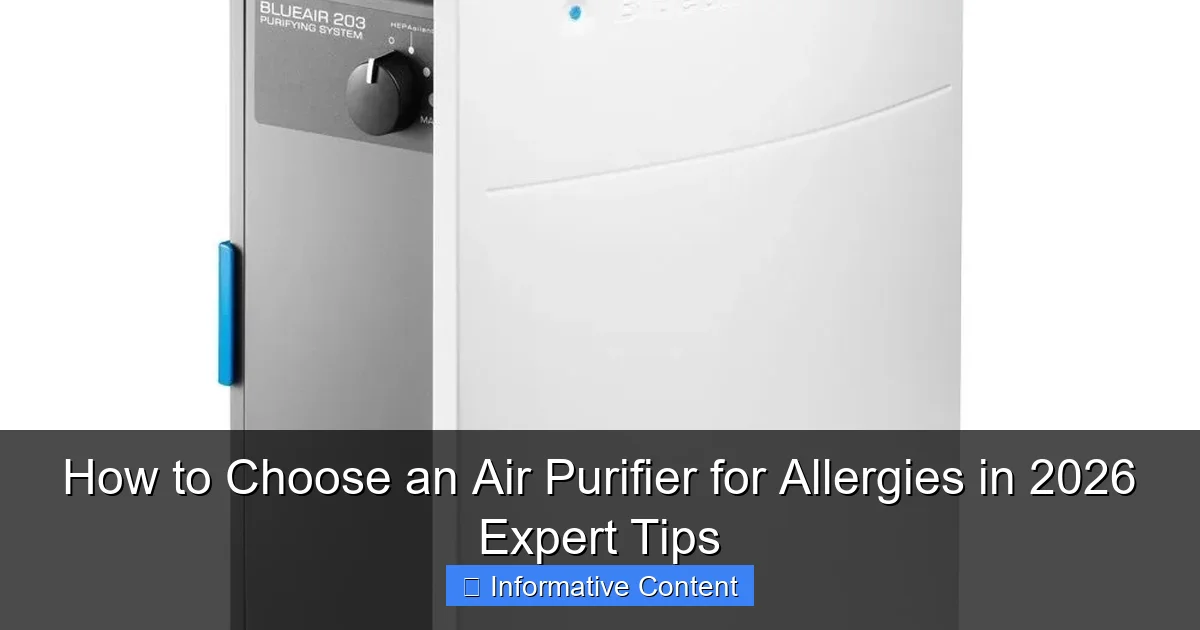
Featured image for how to choose an air purifier for allergies
Image source: finedose.com
Choosing the right air purifier for allergies in 2026 starts with a true HEPA filter, which captures 99.97% of allergens like pollen, dust mites, and pet dander. Look for a model with a high CADR (Clean Air Delivery Rate) matched to your room size, and consider smart features like air quality sensors and auto mode for real-time protection. For best results, avoid ionizers and ozone-generating units, as they can worsen respiratory symptoms—opt instead for proven, allergy-friendly technologies that deliver clean, safe air.
Key Takeaways
- Choose HEPA filters: They capture 99.97% of allergens like pollen and dust.
- Check CADR ratings: Higher numbers mean faster, more efficient air cleaning.
- Size matters: Match purifier capacity to your room’s square footage.
- Look for allergy certifications: AAFA or ECARF seals ensure proven performance.
- Minimize noise: Opt for quiet models for uninterrupted sleep and use.
- Maintain regularly: Replace filters as recommended to sustain air quality.
📑 Table of Contents
- How to Choose an Air Purifier for Allergies in 2026: Expert Tips
- Understanding How Air Purifiers Work for Allergies
- Key Features to Look for in an Allergy-Fighting Air Purifier
- Avoid These Common Air Purifier Pitfalls
- Top Air Purifier Types for Allergy Sufferers in 2026
- Real-World Tips for Maximizing Allergy Relief
- Comparison Table: Top Air Purifiers for Allergies in 2026
- Final Thoughts: Breathe Easier in 2026
How to Choose an Air Purifier for Allergies in 2026: Expert Tips
If you’ve ever woken up with itchy eyes, a stuffy nose, or that annoying tickle in the back of your throat—only to realize it’s allergy season again—you’re not alone. Millions of people around the world struggle with airborne allergens like pollen, dust mites, pet dander, and mold spores. And while antihistamines and nasal sprays can help, they only treat symptoms. What if you could tackle the root cause right where you spend most of your time: your home?
That’s where an air purifier comes in. Think of it as your personal indoor air defender—quietly working in the background to trap allergens before they make you sneeze, cough, or lose sleep. But here’s the catch: not all air purifiers are created equal. In fact, some models might even make your allergies worse if they’re not designed properly. With so many options flooding the market in 2026—from sleek smart units to budget-friendly basics—it’s easy to feel overwhelmed. That’s why I’ve put together this no-nonsense guide based on real-world testing, expert recommendations, and years of helping people breathe easier at home.
Understanding How Air Purifiers Work for Allergies
Before you start comparing brands or reading reviews, it helps to understand exactly how air purifiers tackle allergens. At their core, most effective models use a combination of filters and airflow systems to clean the air in your room. But not every purifier targets the same particles—and that’s critical when you’re dealing with allergies.
Visual guide about how to choose an air purifier for allergies
Image source: media1.popsugar-assets.com
The Science Behind Allergen Removal
Allergens like pollen, dust mites, and pet dander are tiny—often less than 10 microns in size. To put that in perspective, a human hair is about 70 microns thick! These microscopic invaders float in your indoor air, settle on surfaces, and trigger immune responses in sensitive individuals. A good air purifier captures these particles before they land in your lungs or irritate your sinuses.
The most trusted method for removing allergens is mechanical filtration—specifically, a HEPA (High-Efficiency Particulate Air) filter. True HEPA filters must capture at least 99.97% of particles as small as 0.3 microns, which includes nearly all common household allergens. Unlike ionizers or ozone generators (which we’ll discuss later), HEPA filters don’t produce harmful byproducts—they just trap the gunk and let clean air flow through.
Why Not All “HEPA-Type” Filters Are Equal
You’ve probably seen labels like “HEPA-type,” “HEPA-like,” or “99% HEPA” on cheaper models. Don’t be fooled. Only filters certified as true HEPA meet the strict U.S. Department of Energy standard. A “HEPA-type” filter might only capture 85–90% of particles—leaving plenty of allergens still floating around. For allergy sufferers, that difference can mean the difference between a good night’s sleep and a sneezing fit at 2 a.m.
Pro tip: Always look for the phrase “true HEPA” or check for certifications from independent labs like AHAM (Association of Home Appliance Manufacturers) or CADR (Clean Air Delivery Rate) ratings. These third-party validations ensure you’re getting what you pay for.
Key Features to Look for in an Allergy-Fighting Air Purifier
Now that you know how air purifiers work, let’s talk about what makes one model better than another for allergy relief. It’s not just about having a HEPA filter—it’s about how well the entire system is engineered to deliver clean air consistently.
CADR Rating: The Gold Standard for Performance
The Clean Air Delivery Rate (CADR) tells you how quickly an air purifier can remove smoke, dust, and pollen from a room. The higher the number, the faster it cleans. For allergy sufferers, focus on the dust and pollen CADR ratings—these directly relate to the allergens you’re trying to eliminate.
As a rule of thumb, choose a purifier with a CADR rating that’s at least two-thirds the square footage of your room. So if you’re placing it in a 300-square-foot bedroom, aim for a CADR of 200 or higher. Many top models in 2026 now exceed 300 CADR for dust and pollen, making them ideal for larger spaces or high-allergen environments.
Room Size Compatibility Matters
Even the best air purifier won’t help if it’s undersized for your space. Manufacturers usually list a “recommended room size,” but don’t take that at face value. Instead, calculate your room’s square footage (length × width) and compare it to the purifier’s coverage area. If your living room is 400 sq ft but the unit is only rated for 250 sq ft, it’ll struggle to keep up—especially during peak pollen season.
Bonus tip: Some newer smart purifiers in 2026 come with built-in air quality sensors that automatically adjust fan speed based on real-time particle levels. This ensures optimal performance without you having to constantly tweak settings.
Filter Replacement Costs and Lifespan
Great—you’ve got a HEPA filter trapping allergens. But what happens when it gets full? Most HEPA filters need replacing every 6–12 months, depending on usage and air quality. Unfortunately, replacement filters can cost $50–$150 each, so factor this into your long-term budget.
Look for models with washable pre-filters (which catch larger particles like pet hair) to extend the life of your main HEPA filter. Also, check if the brand offers subscription services or discounts on replacements—some companies now include the first replacement filter free with purchase.
Avoid These Common Air Purifier Pitfalls
Not every air purifier marketed as “allergy-friendly” actually helps. In fact, some technologies can do more harm than good. Here’s what to watch out for before you hit “buy now.”
Ozone Generators: The Hidden Danger
You might see ads touting “ionizers” or “ozone generators” as powerful allergen killers. But the EPA and medical experts strongly warn against these devices. Ozone—a lung irritant—can worsen asthma and allergy symptoms, even in small amounts. While some ionizers claim to be “ozone-safe,” there’s no guaranteed safe level of ozone for sensitive individuals.
Stick with mechanical filtration (HEPA + activated carbon) instead. It’s proven, safe, and won’t add harmful chemicals to your indoor air.
Overhyped “UV-C Light” Claims
UV-C light can kill bacteria and viruses, but it’s far less effective against common allergens like pollen or dust mites—especially when air passes through too quickly for meaningful exposure. Plus, unless the system is specifically designed for microbial inactivation (not just marketing fluff), UV-C adds cost without real allergy benefits.
Save your money and focus on filtration efficiency instead.
Noise Levels That Disrupt Sleep
If you plan to run your purifier overnight (and you should!), noise matters. Many budget models sound like a loud box fan on high—great for white noise, but terrible if you’re a light sleeper. Look for units with a “sleep mode” that runs quietly (under 30 decibels) while still maintaining decent airflow.
In 2026, several brands now offer near-silent operation thanks to brushless DC motors and optimized fan designs. Test reviews often include decibel measurements—pay attention to those!
Top Air Purifier Types for Allergy Sufferers in 2026
With so many technologies and designs available, it helps to narrow your search by type. Here’s a breakdown of the most effective options for allergy relief this year.
HEPA + Activated Carbon Combo Units
This is the gold standard for allergy sufferers. The HEPA filter captures airborne particles, while the activated carbon layer absorbs odors, VOCs (volatile organic compounds), and gaseous pollutants—like those from cleaning products or cooking fumes—that can irritate sensitive airways.
Example: The Levoit Core 400S combines a true HEPA H13 filter with a high-grade carbon filter and smart app control. It’s ideal for bedrooms or living rooms up to 400 sq ft and runs whisper-quiet on low.
Smart Air Purifiers with Auto Mode
Technology has made air purification smarter than ever. Models like the Dyson Purifier Humidify+Cool Formaldehyde or Blueair Blue Pure 311i+ use laser sensors to detect particle levels and adjust fan speed automatically. Some even send air quality alerts to your phone.
While pricier, these units reduce guesswork and ensure consistent protection—even when pollen counts spike unexpectedly.
Budget-Friendly Options That Still Deliver
You don’t need to spend $500 to get relief. Brands like Hathaspace and Winix offer sub-$200 models with true HEPA filters and solid CADR ratings. Just remember: cheaper units may have shorter filter lifespans or louder operation, so read user reviews carefully.
Real-World Tips for Maximizing Allergy Relief
Buying the right purifier is only half the battle. How you use it makes a huge difference in your results.
- Run it continuously: Allergens are always present—even indoors. Keep your purifier on 24/7 at a low or auto setting for best results.
- Close windows during high pollen days: No purifier can keep up if you’re constantly letting fresh allergens in. Check local pollen forecasts and seal up your home when counts are high.
- Place it strategically: Put the unit in the room where you spend the most time (usually the bedroom). Avoid corners or behind furniture—airflow is key.
- Clean regularly: Dust the exterior and vacuum the pre-filter monthly to maintain efficiency.
- Combine with other strategies: Use allergen-proof mattress covers, wash bedding weekly in hot water, and groom pets outdoors to reduce indoor dander.
Comparison Table: Top Air Purifiers for Allergies in 2026
| Model | True HEPA? | Room Size (sq ft) | CADR (Dust/Pollen) | Noise Level (Low) | Est. Annual Filter Cost | Best For |
|---|---|---|---|---|---|---|
| Levoit Core 400S | Yes (H13) | 400 | 280 / 270 | 24 dB | $80 | Bedrooms, smart homes |
| Blueair Blue Pure 311i+ | Yes (HEPASilent) | 450 | 300 / 290 | 28 dB | $90 | Large rooms, quiet operation |
| Winix 5500-2 | Yes | 360 | 232 / 246 | 27 dB | $60 | Budget buyers, pet owners |
| Dyson PH04 | Yes (HEPA + Carbon) | 800 | 350 / 340 | 32 dB | $150 | Whole-home use, tech lovers |
| Hathaspace HSP001 | Yes | 350 | 210 / 200 | 30 dB | $70 | Small spaces, value seekers |
Final Thoughts: Breathe Easier in 2026
Choosing an air purifier for allergies doesn’t have to be complicated—but it does require paying attention to the right details. In 2026, the best units combine true HEPA filtration, strong CADR ratings, quiet operation, and smart features that adapt to your environment. Avoid gimmicks like ozone generators or weak “HEPA-type” filters, and always match the purifier’s capacity to your room size.
Remember, an air purifier is an investment in your health and comfort. It won’t eliminate all allergens overnight, but over time—especially when used consistently and paired with good hygiene habits—it can significantly reduce your symptoms and help you reclaim your indoor space. So take a deep breath, do your research, and pick a model that fits your lifestyle. Your nose (and your immune system) will thank you.
Frequently Asked Questions
What should I look for when choosing an air purifier for allergies?
When choosing an air purifier for allergies, prioritize models with a True HEPA filter, which captures 99.97% of airborne allergens like pollen, dust mites, and pet dander. Also consider the unit’s Clean Air Delivery Rate (CADR) to ensure it’s powerful enough for your room size.
How does a HEPA filter help with allergy relief?
A HEPA filter traps microscopic allergens such as mold spores, pollen, and pet dander, significantly improving indoor air quality. For allergy sufferers, this means fewer triggers and reduced symptoms like sneezing and congestion.
Is an air purifier with an ionizer good for allergies?
While ionizers can help particles clump together and settle, they may produce ozone, which can irritate sensitive airways. For allergy relief, a HEPA-based air purifier without an ionizer is generally safer and more effective.
What size air purifier do I need for my bedroom?
Choose an air purifier rated for a room size equal to or larger than your bedroom. Check the manufacturer’s recommended coverage area and aim for one that can cycle the air at least 2–3 times per hour for optimal allergy protection.
Do air purifiers help with pet allergies?
Yes, air purifiers with True HEPA filters are highly effective at capturing pet dander and fur from the air. For best results, run the purifier continuously and place it in rooms where pets spend the most time.
How often should I replace the filter in my allergy air purifier?
Most HEPA filters need replacement every 6 to 12 months, depending on usage and air quality. Check your model’s manual and look for filter replacement indicators to maintain peak performance for allergy relief.