

Featured image for how to clean a blue air purifier
Image source: storables.com
Regularly cleaning your Blue Air Purifier ensures peak performance and longer lifespan—start by unplugging the unit and removing the filter. Wipe the exterior with a damp cloth, vacuum the pre-filter, and gently rinse or replace the main filter as recommended, typically every 6 months. Never use harsh chemicals or submerge electronic components to avoid damage.
Key Takeaways
- Turn off and unplug the purifier before cleaning for safety.
- Remove and vacuum the pre-filter to eliminate dust and debris.
- Wash reusable filters with mild soap and air-dry completely.
- Wipe the exterior with a damp cloth and mild cleaner.
- Clean the sensor gently with a dry cotton swab monthly.
- Replace HEPA filters as recommended by the manufacturer.
- Reassemble carefully to ensure proper airflow and performance.
📑 Table of Contents
- Why Cleaning Your Blue Air Purifier Matters More Than You Think
- How Often Should You Clean a Blue Air Purifier? (And Why It’s Not “Whenever”)
- What You’ll Need to Clean a Blue Air Purifier (Spoiler: It’s All Household Items)
- Step-by-Step: How to Clean a Blue Air Purifier (With Real-World Tips)
- HEPA Filter Care: What You Can (and Can’t) Do
- Troubleshooting Common Blue Air Purifier Cleaning Issues
- Data Table: Blue Air Purifier Cleaning Schedule by Model
- Final Thoughts: Make Cleaning Your Blue Air Purifier a Habit
Why Cleaning Your Blue Air Purifier Matters More Than You Think
Let me tell you a quick story. Last winter, I noticed my allergies were acting up worse than usual. My eyes itched, my nose ran, and I couldn’t stop sneezing—even though I had a Blue Air purifier running 24/7. At first, I blamed the weather or seasonal pollen. Then I opened the purifier to check the filter… and nearly choked. The pre-filter was packed with dust, pet hair, and even a dried-up leaf (don’t ask). It was like a dust bunny convention in there. After a thorough cleaning, the difference was instant. My air felt fresher, and my allergies calmed down within hours. That’s when I learned: how to clean a Blue Air purifier isn’t just a maintenance task—it’s a health game-changer.
Blue Air purifiers are fantastic at removing allergens, smoke, and odors. But if you don’t clean them regularly, they turn into a breeding ground for trapped dust, mold spores, and bacteria. Worse, a clogged purifier works harder, uses more energy, and can even release pollutants back into the air. Whether you own a Blue Air 211+, 411, or the sleek new 2026 models, cleaning them is simple, cost-effective, and takes less than 20 minutes. In this guide, I’ll walk you through every step, share my personal tips, and explain why skipping this chore could cost you more than just time.
How Often Should You Clean a Blue Air Purifier? (And Why It’s Not “Whenever”)
The Golden Rule: 2-4 Times Per Year (But Adjust for Your Home)
Blue Air’s official recommendation? Clean your pre-filter every 2-4 months. But here’s the catch: this timeline isn’t one-size-fits-all. If you live in a dusty area, have pets, or smoke indoors, you’ll need to clean it more often. I live in a dry, windy region with two shedding dogs, so I clean mine every 6 weeks. On the flip side, my friend in a low-pollen, pet-free apartment goes 5 months between cleanings. The key is to listen to your purifier—and your body.
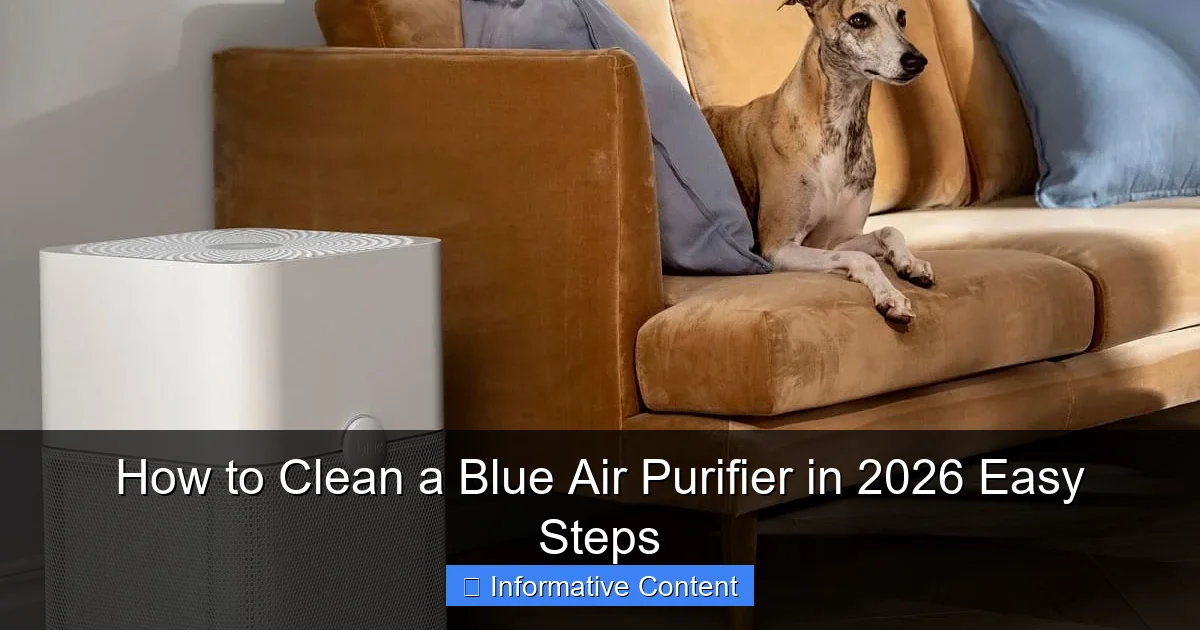
Visual guide about how to clean a blue air purifier
Image source: storables.com
Here’s how to know it’s time:
- Allergy flare-ups: If you’re sneezing more despite the purifier running.
- Reduced airflow: The purifier sounds louder or weaker.
- Visible dust: Check the pre-filter. If it’s gray or furry, it’s past due.
- Bad odors: A musty or stale smell means trapped particles are decomposing.
Why Overcleaning Can Backfire (Yes, Really)
You might think, “If cleaning every 2 months helps, why not do it monthly?” Great question. Overcleaning—especially washing the HEPA filter—can damage the delicate fibers, reducing its ability to trap microscopic particles. The pre-filter (the outer layer) is the only part you should wash. The HEPA filter is not washable. I learned this the hard way when I accidentally soaked my HEPA filter in soapy water. The result? A $90 replacement. Lesson learned: follow the manual, not your gut.
My “Set It and Forget It” Reminder System
To avoid missing cleanings, I use a simple trick: calendar alerts + filter tracking. I set a recurring reminder on my phone for 8 weeks, but I also write the cleaning date on the pre-filter with a dry-erase marker. This way, I can glance at it and know exactly when it’s due. For HEPA filters, I track their lifespan (usually 6-12 months) in a notes app. No more guessing games!
What You’ll Need to Clean a Blue Air Purifier (Spoiler: It’s All Household Items)
The Minimalist Toolkit: 5 Essentials
You don’t need fancy tools or expensive cleaners. Here’s what I keep in my “purifier cleaning kit”:
- A soft brush or vacuum with a brush attachment: For dusting the pre-filter and housing. I use an old toothbrush for tight spots.
- Mild dish soap: Blue Air recommends pH-neutral soap. I use a drop of Dawn—it’s gentle and cuts through grease.
- Clean water: Lukewarm (never hot!) to avoid warping plastic parts.
- Microfiber cloths: For drying and wiping down the exterior. They don’t leave lint.
- Bucket or sink: To rinse the pre-filter. I use my bathroom sink to avoid clogging the kitchen drain with hair.
What to Avoid: 3 Common Mistakes
Over the years, I’ve seen (and made) these blunders:
- Harsh chemicals: Bleach, ammonia, or vinegar can damage the pre-filter’s mesh. Stick to mild soap.
- High-pressure water: A garden hose or showerhead can tear the pre-filter. Use a gentle stream.
- Drying in direct sunlight: UV rays weaken the filter material. Dry it indoors or in the shade.
Pro Tip: Keep a “Spare” Pre-Filter
My secret weapon? I bought an extra pre-filter (they’re only $15-20). When I clean the dirty one, I pop in the spare immediately. No downtime, no waiting for it to dry. This is a lifesaver during allergy season or if you’re hosting guests. Plus, it extends the life of both filters by reducing wear from frequent washing.
Step-by-Step: How to Clean a Blue Air Purifier (With Real-World Tips)
Step 1: Power Off and Unplug
First, turn off and unplug the purifier. This isn’t just safety—it also lets the motor cool down. I once tried cleaning while it was on (bad idea), and the fan started spinning when I touched it. Not fun. Wait 5 minutes after unplugging to avoid any surprises.
Step 2: Remove the Pre-Filter
On most Blue Air models (like the 211+ or 411), the pre-filter is the outer mesh layer. Here’s how to remove it:
- Blue Air 211/211+: Press the two side tabs and pull the front panel forward. The pre-filter slides out easily.
- Blue Air 411: Twist the front cover counterclockwise, then lift. The pre-filter is attached to the cover.
- 2026 models: Look for a magnetic front panel. Gently pry it off—no force needed!
My tip: Do this over a trash can. Dust and debris will fall out, and you don’t want it all over your floor.
Step 3: Vacuum or Brush the Pre-Filter
Before washing, vacuum the pre-filter to remove loose dust. I use my handheld vacuum’s brush attachment at low power. If you don’t have a vacuum, a soft-bristle brush works. Focus on the crevices—that’s where dust hides. For stubborn debris (like pet hair), I use a lint roller. It’s faster than brushing.
Step 4: Wash the Pre-Filter
This is the most satisfying part. Fill a sink with lukewarm water and a few drops of dish soap. Submerge the pre-filter and let it soak for 5-10 minutes. Then, gently scrub it with your fingers or a soft brush. Rinse thoroughly until the water runs clear. Never wring or twist it—this can tear the mesh.
Real-world example: My dog once sneezed directly into the purifier, coating the pre-filter in slobber. I washed it twice and added a capful of vinegar to the rinse water (just this once—no regular use!). It came out odor-free.
Step 5: Dry Completely (This Is Crucial)
Shake off excess water, then lay the pre-filter flat on a clean microfiber cloth. Let it air-dry for 24 hours—no shortcuts. I’ve tried using a hairdryer on low heat (mistake!). The mesh warped, and it didn’t fit back in. If you’re in a hurry, use the spare pre-filter method from earlier.
Step 6: Clean the Housing and Exterior
While the pre-filter dries, wipe down the purifier’s interior with a damp microfiber cloth. Pay attention to the fan blades and vents—dust loves to accumulate there. For the exterior, I use a slightly damp cloth (no soap) to avoid streaks. For stubborn fingerprints, a drop of isopropyl alcohol on a cloth works wonders.
Step 7: Reassemble and Test
Once everything’s dry, reinsert the pre-filter and front panel. Plug the purifier back in and turn it on. Listen for smooth airflow. If it sounds strained, double-check that the pre-filter is seated correctly. I once forgot to click the panel back in, and the purifier wouldn’t turn on—annoying but fixable!
HEPA Filter Care: What You Can (and Can’t) Do
The Non-Negotiable: Never Wash the HEPA Filter
The HEPA filter is the powerhouse of your purifier. It traps particles as small as 0.1 microns—but its fibers are fragile. Blue Air explicitly states: “Do not wash or vacuum the HEPA filter.” I know it’s tempting, but water or suction can permanently damage it. Instead, gently tap it outdoors to dislodge loose dust. That’s it.
When to Replace the HEPA Filter (And How to Save Money)
Blue Air HEPA filters last 6-12 months, depending on usage. Signs it’s time to replace:
- Visible discoloration: The white filter turns gray or yellow.
- Reduced performance: Allergies return, or the purifier struggles to clean the air.
- Odor issues: Even after cleaning, the air smells stale.
Money-saving tip: Buy filters in bulk or during Blue Air’s seasonal sales (they often have 20-30% off). I stock up twice a year and store extras in a sealed bag to prevent dust buildup.
DIY Filter Tracking (My Spreadsheet Hack)
To avoid replacing filters too early (or too late), I track them in a Google Sheet. I log:
- Installation date
- Model number
- Notes (e.g., “replaced after 8 months due to high pollen”)
This helps me budget and spot patterns. For example, my HEPA filter lasts 10 months in winter but only 7 in spring due to pollen.
Troubleshooting Common Blue Air Purifier Cleaning Issues
“My Pre-Filter Won’t Fit Back In”
If the pre-filter is warped or misaligned:
- Check for bent edges. Gently straighten them with your fingers.
- Ensure the filter is dry. Wet mesh expands and won’t fit.
- For magnetic panels (2026 models), align the magnets carefully. Don’t force it!
My fix: I once had a pre-filter that wouldn’t click in. Turns out, I’d installed it upside down. The mesh has a directional weave—make sure the smoother side faces out.
“The Purifier Smells After Cleaning”
A musty smell usually means:
- Residual moisture: The pre-filter wasn’t fully dry. Run the purifier on high for 1-2 hours to evaporate it.
- Soap residue: Rinse the pre-filter one more time and dry thoroughly.
- Old HEPA filter: If the smell persists, replace the HEPA filter.
“The Fan Is Noisy After Cleaning”
Check for:
- Debris in the fan: Use a flashlight to inspect the blades. Remove dust with a cotton swab.
- Loose components: Tighten any screws or panels.
- Pre-filter blockage: Ensure the pre-filter isn’t blocking airflow.
Data Table: Blue Air Purifier Cleaning Schedule by Model
| Model | Pre-Filter Cleaning | HEPA Filter Lifespan | Special Notes |
|---|---|---|---|
| Blue Air 211/211+ | Every 2-4 months | 6-12 months | Pre-filter attaches to front panel |
| Blue Air 411 | Every 2-4 months | 6-12 months | Pre-filter is part of the cover |
| Blue Air 2026 Series | Every 3-5 months | 8-12 months | Magnetic front panel; washable pre-filter with antimicrobial coating |
| Blue Air Sense+ | Every 2-4 months | 6-12 months | Smart filter replacement alerts via app |
Note: Lifespan varies based on air quality, usage, and environment. High-pollen areas or homes with pets may need more frequent replacements.
Final Thoughts: Make Cleaning Your Blue Air Purifier a Habit
Cleaning your Blue Air purifier isn’t glamorous, but it’s one of the easiest ways to protect your health and wallet. A few minutes every few months keeps it running like new, saves you money on replacements, and ensures you’re breathing clean air—not recycled dust. I’ve turned it into a ritual: every time I clean the purifier, I also wipe down the windowsills and vacuum the baseboards. It’s a mini spring-cleaning session that leaves my whole home feeling refreshed.
Remember, how to clean a Blue Air purifier isn’t about perfection. It’s about consistency. Even if you’re late by a week or two, doing it regularly makes all the difference. And if you ever forget? Just look at your purifier. If it’s dusty, smelly, or making noise, it’s time to clean. Your body will thank you.
Frequently Asked Questions
How do I clean a Blue Air purifier safely without damaging the filters?
To clean your Blue Air purifier safely, always unplug it first and avoid using water or harsh chemicals on the filters. Wipe the exterior with a damp cloth and use a soft brush or vacuum attachment to remove dust from the pre-filter and outer surfaces. Never submerge the main HEPA or carbon filters in water.
How often should I clean my Blue Air purifier for optimal performance?
For best results, clean the pre-filter and exterior of your Blue Air purifier every 2–4 weeks, especially in high-pollution areas. Replace or deep-clean the main filters every 6–12 months, depending on usage and the model’s filter-life indicator.
Can I wash the filters in my Blue Air purifier?
Only the pre-filter (if included) can be rinsed with water—let it air dry completely before reinstalling. The main HEPA and carbon filters are not washable; clean them gently with a vacuum or replace them when clogged. Check your model’s manual for specifics.
What’s the easiest way to clean a Blue Air purifier in 2026?
The easiest method is to vacuum the pre-filter and wipe the unit’s exterior monthly. For deeper cleaning, remove and rinse the pre-filter (if applicable), and use compressed air to clear dust from vents. Always follow the manufacturer’s guide for your 2026 model.
Why is my Blue Air purifier making noise after cleaning?
Noise may occur if filters aren’t seated properly or if dust remains in the fan or motor. Double-check that all filters are dry and correctly installed. If the issue persists, inspect for obstructions or contact customer support.
Do I need special tools to clean a Blue Air purifier?
No special tools are needed—just a soft brush, microfiber cloth, and vacuum with a brush attachment. A can of compressed air helps remove dust from hard-to-reach areas. Avoid abrasive materials to protect the unit’s finish and filters.