

Featured image for how to clean a fresco air purifier
Image source: pngmart.com
Keeping your Fresco Air Purifier running efficiently in 2026 starts with regular cleaning—follow these simple steps to maintain peak performance. Begin by unplugging the unit, removing and rinsing the pre-filter, and gently wiping the interior with a damp cloth; replace the HEPA filter as recommended. Regular maintenance not only extends the purifier’s lifespan but also ensures cleaner, healthier air in your home.
Key Takeaways
- Unplug the unit before cleaning to ensure safety and prevent damage.
- Remove and rinse the pre-filter under warm water monthly for optimal airflow.
- Vacuum the HEPA filter gently every 3 months to extend its lifespan.
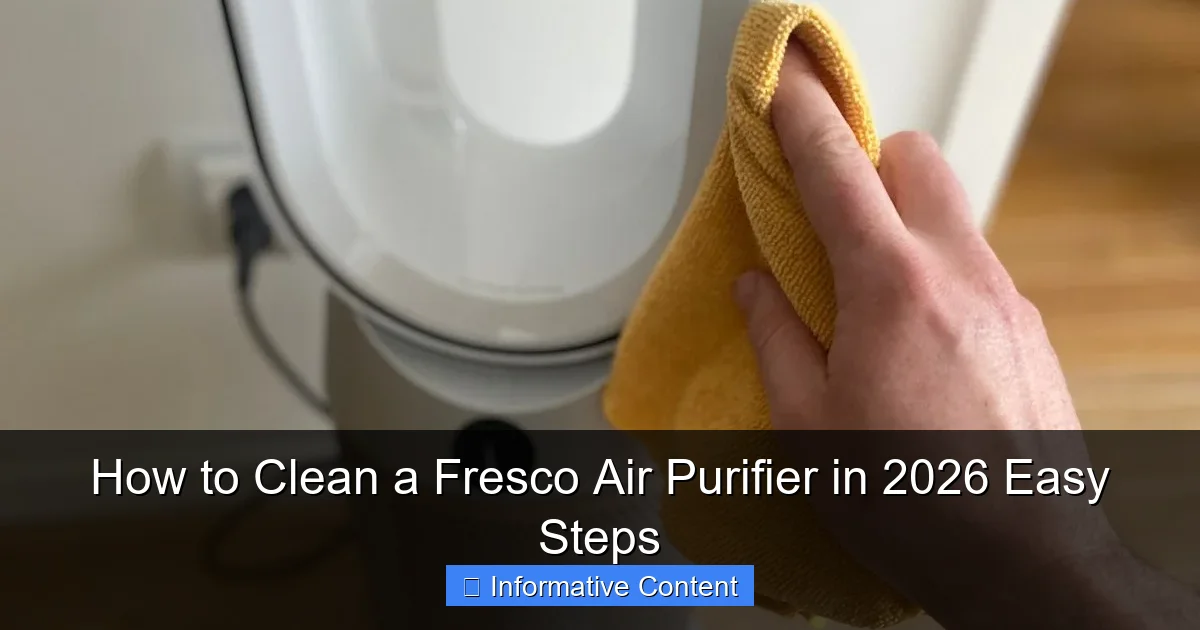
- Wipe the exterior with a damp microfiber cloth to remove dust and grime.
- Clean the ionizer weekly with a soft brush to maintain air purification efficiency.
- Reassemble carefully ensuring all parts are dry and properly aligned before use.
📑 Table of Contents
- How to Clean a Fresco Air Purifier in 2026: Easy Steps
- Why Cleaning Your Fresco Air Purifier Matters
- What You’ll Need to Clean Your Fresco Air Purifier
- Step-by-Step Guide to Cleaning Your Fresco Air Purifier
- Tips for Maintaining Peak Performance
- When to Replace Filters: A Quick Reference Guide
- Final Thoughts: Keep Your Air Fresh in 2026 and Beyond
How to Clean a Fresco Air Purifier in 2026: Easy Steps
You know that moment when you walk into a room and instantly feel a difference in the air? Maybe it’s after a long day outside, or perhaps you’ve just finished cooking something aromatic—like garlic shrimp or burnt popcorn (we’ve all been there). That crisp, clean feeling? Chances are, your Fresco air purifier had something to do with it.
Air purifiers have become essential household companions, especially in 2026. With rising concerns about indoor air quality—thanks to wildfire smoke, seasonal allergies, pet dander, and even lingering cooking odors—more people than ever are relying on devices like the Fresco air purifier to keep their homes fresh and healthy. But here’s the thing: even the best air purifier won’t work effectively if it’s not cleaned regularly. Think of it like a vacuum cleaner with a clogged filter—it might still turn on, but it’s not doing its job right.
In this guide, I’ll walk you through exactly how to clean your Fresco air purifier step by step. Whether you’re a first-time owner or you’ve been using yours for years, these easy, practical tips will help you maintain peak performance, extend the life of your unit, and ensure your home stays as fresh as the day you bought it. No technical jargon, no fluff—just real, relatable advice from someone who’s been there (and yes, I’ve accidentally vacuumed up a filter before—lesson learned!).
Why Cleaning Your Fresco Air Purifier Matters
Let’s be honest: most of us buy an air purifier and forget about it. It hums quietly in the corner, doing its thing, and we assume it’s working perfectly. But just like your car needs an oil change or your phone needs a software update, your air purifier needs regular maintenance to keep running efficiently.
Visual guide about how to clean a fresco air purifier
Image source: storables.com
Over time, dust, pollen, pet hair, and other airborne particles build up inside the unit—especially on the filters. If left unchecked, this buildup can reduce airflow, strain the motor, and even cause the purifier to work harder than it should. In some cases, a dirty filter can actually release trapped pollutants back into the air, which defeats the whole purpose of having a purifier in the first place.
How Often Should You Clean It?
The frequency of cleaning depends on a few factors: how often you use the purifier, the air quality in your home, and whether you have pets or allergies. As a general rule, I recommend cleaning the exterior and pre-filter every 2–4 weeks. The main HEPA and carbon filters should be checked monthly and replaced every 6–12 months, depending on usage.
For example, if you live in a city with high pollution levels or have multiple pets that shed, you might need to clean your Fresco air purifier more often—maybe every 1–2 weeks. On the other hand, if you only use it occasionally in a small, low-traffic room, monthly cleaning might be sufficient.
The Hidden Costs of Neglect
Skipping regular maintenance might seem harmless, but it can lead to bigger problems down the line. A clogged filter forces the motor to work harder, which can increase energy consumption and shorten the lifespan of your unit. In extreme cases, overheating or motor failure can occur—leading to costly repairs or even the need for a full replacement.
I learned this the hard way. I once ignored my purifier’s maintenance for over six months because I was busy with work and travel. When I finally opened it up, the filter was so packed with dust that air could barely pass through. The unit was making a strange grinding noise, and the air in my bedroom still felt stuffy. After cleaning and replacing the filter, the difference was night and day—quieter operation, better airflow, and noticeably fresher air.
Health Benefits of a Clean Purifier
Beyond performance, keeping your Fresco air purifier clean has real health benefits. A well-maintained unit captures more allergens, bacteria, and volatile organic compounds (VOCs), which is especially important for people with asthma, allergies, or respiratory conditions.
According to the Environmental Protection Agency (EPA), indoor air can be 2–5 times more polluted than outdoor air. Regular cleaning ensures your purifier is actually helping reduce that pollution—not just moving it around.
What You’ll Need to Clean Your Fresco Air Purifier
Before we dive into the cleaning steps, let’s talk about the tools and supplies you’ll need. The good news? Most of these items are probably already in your home. No need to run to the store for specialty cleaners or expensive equipment.
Essential Cleaning Supplies
- Soft microfiber cloth – Ideal for wiping down the exterior without scratching the surface.
- Mild dish soap – A few drops mixed with water work great for cleaning plastic parts.
- White vinegar – Natural disinfectant that helps remove odors and mineral buildup.
- Vacuum cleaner with brush attachment – Perfect for gently removing dust from filters and vents.
- Compressed air can – Useful for blowing dust out of hard-to-reach areas like fan blades.
- Replacement filters (if needed) – Always have a spare set on hand so you’re not caught off guard.
Optional but Helpful Items
- Toothbrush – Great for scrubbing small crevices or stubborn grime.
- Isopropyl alcohol (70%) – For sanitizing surfaces, especially if someone in your home is sick.
- Small bowl or basin – For soaking removable parts if needed.
- Gloves – Optional, but helpful if you’re sensitive to dust or cleaning products.
Where to Buy Replacement Filters
If your Fresco air purifier uses replaceable HEPA or carbon filters, it’s important to use genuine or high-quality compatible replacements. I’ve tried third-party filters in the past, and while they’re cheaper, they often don’t fit as snugly or capture particles as effectively.
You can usually find official Fresco filters on the manufacturer’s website, Amazon, or at major electronics retailers. I recommend setting a calendar reminder every 6 months to check filter condition and order replacements if needed. Pro tip: buy a two-pack so you always have a backup.
Step-by-Step Guide to Cleaning Your Fresco Air Purifier
Now that you’ve gathered your supplies, it’s time to get cleaning. Don’t worry—this process is straightforward and should take no more than 15–20 minutes. I’ll walk you through each step carefully, so you don’t miss anything important.
Step 1: Turn Off and Unplug the Unit
Safety first! Always make sure your Fresco air purifier is turned off and unplugged from the power source before you begin cleaning. This prevents accidental startup and protects you from electrical hazards.
I know it sounds obvious, but I’ve seen people skip this step because they’re in a hurry. Trust me, it only takes a second, and it’s worth it to avoid any mishaps.
Step 2: Remove the Front Panel and Filters
Most Fresco air purifiers have a front panel that snaps or slides off easily. Gently pull it away from the unit—there’s usually a latch or release button. Once the panel is off, you’ll see the filters inside.
Carefully remove the pre-filter first. This is typically a mesh or foam layer that captures larger particles like pet hair and dust. Next, take out the HEPA filter (the main filtration layer) and the carbon filter (if your model has one). Handle these gently—especially the HEPA filter, which can be delicate.
Pro tip: Take a photo of how the filters are arranged before removing them. This makes reassembly much easier, especially if you’re cleaning multiple filters at once.
Step 3: Clean the Pre-Filter
The pre-filter is the workhorse of your air purifier—it catches the big stuff so the HEPA filter doesn’t get clogged too quickly. Because it gets dirty fast, it needs regular cleaning.
Start by using your vacuum’s brush attachment to remove loose dust and debris. Then, if the pre-filter is washable (check your manual to confirm), rinse it under lukewarm water. Avoid hot water, as it can damage the material.
For stubborn grime, mix a few drops of mild dish soap with water and gently scrub with a soft cloth or toothbrush. Rinse thoroughly and let it air dry completely before reinstalling. Never put a wet filter back into the unit—it can promote mold growth and damage the motor.
Step 4: Clean the Exterior and Interior Surfaces
While the filters are drying, take the opportunity to clean the rest of the unit. Use a microfiber cloth lightly dampened with water and a drop of dish soap to wipe down the exterior. Pay special attention to the air intake and outlet vents, where dust tends to accumulate.
For the interior, use the vacuum’s brush attachment to remove dust from the fan blades and housing. If there’s stubborn buildup, a can of compressed air works wonders—just hold the can upright and spray in short bursts to avoid moisture buildup.
If your purifier has been running in a smoky or odorous environment (like after a kitchen mishap), you can wipe down the interior with a cloth dipped in a 50/50 mix of water and white vinegar. This helps neutralize odors naturally.
Step 5: Reinstall the Filters and Front Panel
Once everything is dry, it’s time to put your Fresco air purifier back together. Start by placing the clean pre-filter into its slot, followed by the HEPA and carbon filters (if applicable). Make sure each filter is seated properly and facing the correct direction—most have arrows indicating airflow direction.
Snap the front panel back into place and plug the unit back in. Turn it on and listen for smooth operation. If you notice any unusual noises or reduced airflow, double-check that all filters are installed correctly.
Step 6: Reset the Filter Indicator (If Applicable)
Many Fresco air purifiers come with a filter replacement indicator light that turns on after a certain number of operating hours. After cleaning or replacing filters, you’ll want to reset this light so it accurately reflects the new filter’s lifespan.
To reset, consult your user manual—the process varies by model. Usually, it involves holding down a button for 3–5 seconds. I keep a sticky note on my purifier with the reset instructions so I don’t have to dig out the manual every time.
Tips for Maintaining Peak Performance
Cleaning your Fresco air purifier is important, but consistent maintenance is what keeps it running like new. Here are a few extra tips to help you get the most out of your unit.
Create a Cleaning Schedule
I used to clean my purifier “when I remembered,” which usually meant once every few months. Now, I set a recurring reminder on my phone for every two weeks. It takes just a few minutes, and I feel good knowing my air is always fresh.
You can also tie cleaning to other regular chores—like changing your bedsheets or doing laundry. That way, it becomes part of your routine instead of an extra task.
Monitor Air Quality
If your Fresco air purifier has a built-in air quality sensor, pay attention to the readings. If the air quality drops quickly after cleaning, it could mean your filters are nearing the end of their life or that there’s a new source of pollution in your home (like a new pet or renovation).
I once noticed my purifier was working harder than usual, even after a fresh filter. Turns out, my neighbor started using a wood-burning stove, and smoke was drifting into my apartment. Once I addressed the source, the purifier returned to normal operation.
Avoid Common Mistakes
- Don’t use harsh chemicals – Bleach, ammonia, or strong cleaners can damage plastic parts and leave harmful residues.
- Don’t wash non-washable filters – Only clean filters labeled as washable. Others should be vacuumed or replaced.
- Don’t run the purifier without filters – This can damage the motor and reduce efficiency.
- Don’t place the unit near heat sources – High temperatures can warp components and affect performance.
When to Replace Filters: A Quick Reference Guide
Knowing when to replace your filters is just as important as cleaning them. Here’s a simple breakdown based on typical usage:
| Filter Type | Cleaning Frequency | Replacement Frequency | Signs It’s Time to Replace |
|---|---|---|---|
| Pre-Filter | Every 2–4 weeks | Every 3–6 months (if not washable) | Visible dirt, reduced airflow, persistent odors |
| HEPA Filter | Vacuum monthly | Every 6–12 months | Yellowing, tears, or no improvement in air quality |
| Carbon Filter | Vacuum monthly | Every 6–12 months | Loss of odor control, musty smell |
Remember, these are general guidelines. If you have pets, smoke, or live in a high-pollution area, you may need to replace filters more often.
Final Thoughts: Keep Your Air Fresh in 2026 and Beyond
Cleaning your Fresco air purifier might not be the most exciting chore on your list, but it’s one of the most impactful. A well-maintained unit doesn’t just improve air quality—it gives you peace of mind, saves energy, and helps your investment last longer.
Think of it this way: you wouldn’t drive your car for years without changing the oil, right? The same logic applies to your air purifier. A little effort now prevents bigger problems later.
So the next time you walk into a room and take a deep breath of clean, fresh air, take a moment to appreciate your Fresco air purifier—and the care you’ve given it. Whether you’re battling seasonal allergies, pet dander, or just the occasional cooking mishap, a clean purifier is your best defense.
Follow these easy steps, stick to a routine, and your Fresco air purifier will keep doing what it does best: making your home a healthier, more comfortable place to live. And who knows? Maybe in 2027, we’ll be writing about even smarter, self-cleaning models. But until then, a little manual care goes a long way.
Frequently Asked Questions
How do I clean a Fresco air purifier safely without damaging it?
To clean your Fresco air purifier safely, first unplug the device and remove the filters. Wipe the exterior with a soft, damp cloth and mild soap, avoiding water near the motor or vents. Never submerge any part in water to prevent damage.
How often should I clean my Fresco air purifier for optimal performance?
For best results, clean the exterior and pre-filter every 2–4 weeks, and replace HEPA/carbon filters every 6–12 months, depending on usage. Regular maintenance ensures your Fresco air purifier runs efficiently and improves air quality.
Can I wash the filters in my Fresco air purifier?
Only the pre-filter is washable—rinse it gently under lukewarm water and let it air dry completely before reinstalling. HEPA and carbon filters are not washable and must be replaced when dirty to maintain the purifier’s effectiveness.
What cleaning tools are recommended for a Fresco air purifier?
Use a microfiber cloth, soft brush, and mild detergent for the exterior. A vacuum with a brush attachment can help remove dust from the pre-filter and vents. Avoid abrasive cleaners or harsh chemicals to protect the unit’s surface.
How do I clean the inside of my Fresco air purifier?
After removing filters, use a dry or slightly damp cloth to wipe internal surfaces and a vacuum to clear dust from crevices. Never spray liquid directly inside—moisture can harm internal components. Always let parts dry fully before reassembling.
Why is my Fresco air purifier making noise after cleaning?
Noise may occur if filters aren’t seated properly or are still damp. Recheck filter alignment and ensure all parts are completely dry. If noise persists, contact Fresco support—your unit may need professional servicing.