
Featured image for how to clean a hepa filter air purifier
Image source: backnatureairpurifier.com
Never wash a true HEPA filter—it can damage the delicate fibers and reduce efficiency. Instead, gently vacuum the surface monthly and replace it every 6–12 months to maintain optimal air purification performance. For washable pre-filters, rinse with water and let dry completely before reinstalling.
Key Takeaways
- Never wash HEPA filters: Water damages fibers; vacuum gently instead.
- Check manufacturer guidelines: Follow model-specific cleaning instructions for safety.
- Use soft brush attachments: Loosen debris without tearing delicate filter material.
- Replace when visibly soiled: Cleaning can’t restore heavily clogged filters.
- Clean housing thoroughly: Wipe interior surfaces to prevent recontamination.
- Mark maintenance dates: Schedule monthly checks for optimal performance.
📑 Table of Contents
- How to Clean a HEPA Filter Air Purifier in 2026
- Why Cleaning Your HEPA Filter Matters in 2026
- Understanding Your HEPA Filter: What You Need to Know
- Step-by-Step Guide: How to Clean a HEPA Filter Air Purifier
- When to Replace Your HEPA Filter (Not Just Clean It)
- Pro Tips for Maintaining Your Air Purifier in 2026
- Conclusion: Breathe Easy in 2026
How to Clean a HEPA Filter Air Purifier in 2026
It’s a crisp autumn morning in 2026. The leaves are turning, the air feels fresh—but inside your home, your trusty HEPA filter air purifier has been working overtime. You’ve had it running nearly nonstop since spring, battling pollen, pet dander, and the occasional wildfire smoke drifting in from the hills. It’s been a quiet hero, humming in the corner of your living room, quietly scrubbing the air so your family can breathe easier.
But lately, you’ve noticed something. The airflow seems weaker. The unit sounds a bit strained. And when you walk past it, the air doesn’t feel as crisp as it used to. You start to wonder: Is it time to clean the filter? Or worse—have you been breathing in partially filtered air without realizing it?
Don’t worry—you’re not alone. Many people assume that because HEPA filters are “high-efficiency,” they’re maintenance-free. But even the most advanced air purifiers need a little TLC to keep performing at their best. In 2026, with indoor air quality more important than ever—thanks to climate change, urban pollution, and lingering concerns about airborne viruses—keeping your HEPA filter clean isn’t just a good idea. It’s essential.
In this guide, we’ll walk you through everything you need to know about cleaning a HEPA filter air purifier in 2026. From understanding how HEPA filters work to step-by-step cleaning instructions, troubleshooting tips, and even how to tell when it’s time to replace the filter entirely, we’ve got you covered. Whether you’re a first-time air purifier owner or a seasoned clean-air enthusiast, this guide will help you keep your unit running efficiently and your home’s air truly clean.
Why Cleaning Your HEPA Filter Matters in 2026
In today’s world, indoor air quality is no longer a luxury—it’s a necessity. With rising temperatures, increased wildfire activity, and urban air pollution reaching new highs, the air inside our homes can sometimes be more polluted than the air outside. According to the Environmental Protection Agency (EPA), indoor air can be two to five times more polluted than outdoor air. That’s where HEPA filters come in.
Visual guide about how to clean a hepa filter air purifier
Image source: customfiltersdirect.com
HEPA—short for High-Efficiency Particulate Air—filters are designed to capture 99.97% of particles as small as 0.3 microns. That includes dust, pollen, mold spores, pet dander, bacteria, and even some viruses. But here’s the catch: a HEPA filter can only do its job if it’s clean and functioning properly. Over time, the filter becomes clogged with trapped particles, reducing airflow and forcing the motor to work harder. This not only decreases efficiency but can also shorten the lifespan of your air purifier.
The Hidden Costs of a Dirty Filter
Let’s say your air purifier has been running for six months without a filter check. At first, you might not notice a difference. But gradually, the filter becomes saturated. Airflow drops by up to 40%, according to a 2025 study by the Indoor Air Quality Association. That means your purifier is moving less air, filtering fewer pollutants, and using more energy to do it.
Here’s what happens when you ignore filter maintenance:
- Reduced air purification efficiency: A clogged filter can’t capture new particles effectively, so pollutants linger in your home.
- Increased energy consumption: The motor works harder to push air through a dirty filter, raising your electricity bill.
- Unpleasant odors: Trapped particles can start to break down, releasing musty or stale smells.
- Potential motor damage: Over time, strain on the motor can lead to overheating or failure.
And in 2026, with smart home integration becoming standard, many air purifiers now send alerts when filters need attention. But even if your unit doesn’t have that feature, regular cleaning is still crucial.
Real-Life Example: Sarah’s Story
Take Sarah, a mom of two in Portland, Oregon. She bought a HEPA air purifier during the 2024 wildfire season to protect her kids from smoke. She used it daily but forgot to check the filter for over a year. One day, her youngest developed a persistent cough. After a visit to the pediatrician, she learned the air purifier wasn’t working properly—the filter was so clogged it was barely moving air.
“I felt so guilty,” Sarah said. “I thought I was protecting them, but I was actually making things worse.” After cleaning the pre-filter and replacing the HEPA filter, the difference was immediate. “The air smelled fresher, and the cough went away within a week.”
Sarah’s story isn’t unique. Many people don’t realize that a dirty filter can actually worsen indoor air quality by recirculating trapped particles or failing to capture new ones. That’s why cleaning your HEPA filter isn’t just about maintenance—it’s about health.
Understanding Your HEPA Filter: What You Need to Know
Before you start cleaning, it’s important to understand what a HEPA filter is—and what it isn’t. Not all “HEPA-like” or “HEPA-type” filters are true HEPA filters. In 2026, the market is flooded with air purifiers claiming “HEPA performance,” but only genuine HEPA filters meet the strict standards set by the U.S. Department of Energy.
A true HEPA filter must capture 99.97% of particles 0.3 microns in size. That’s about 1/300th the width of a human hair. To put it in perspective, a single grain of table salt is about 100 microns wide—so HEPA filters are catching particles far smaller than what you can see.
Types of HEPA Filters in 2026
Not all HEPA filters are created equal. In 2026, you’ll find several variations, each with different capabilities:
- True HEPA: The gold standard. Captures 99.97% of 0.3-micron particles. Found in most high-end air purifiers.
- HEPA H13/H14: Medical-grade filters used in hospitals and cleanrooms. H13 captures 99.95%, H14 captures 99.995%. These are overkill for most homes but offer maximum protection.
- Washable HEPA: A newer innovation in 2026, some brands now offer reusable HEPA filters made from durable synthetic fibers. These can be rinsed and reused multiple times, reducing waste.
- HEPA-Type or HEPA-Like: These are not true HEPA filters. They may capture larger particles but often miss the finer ones. Avoid these if air quality is a top priority.
HEPA vs. Other Filter Types
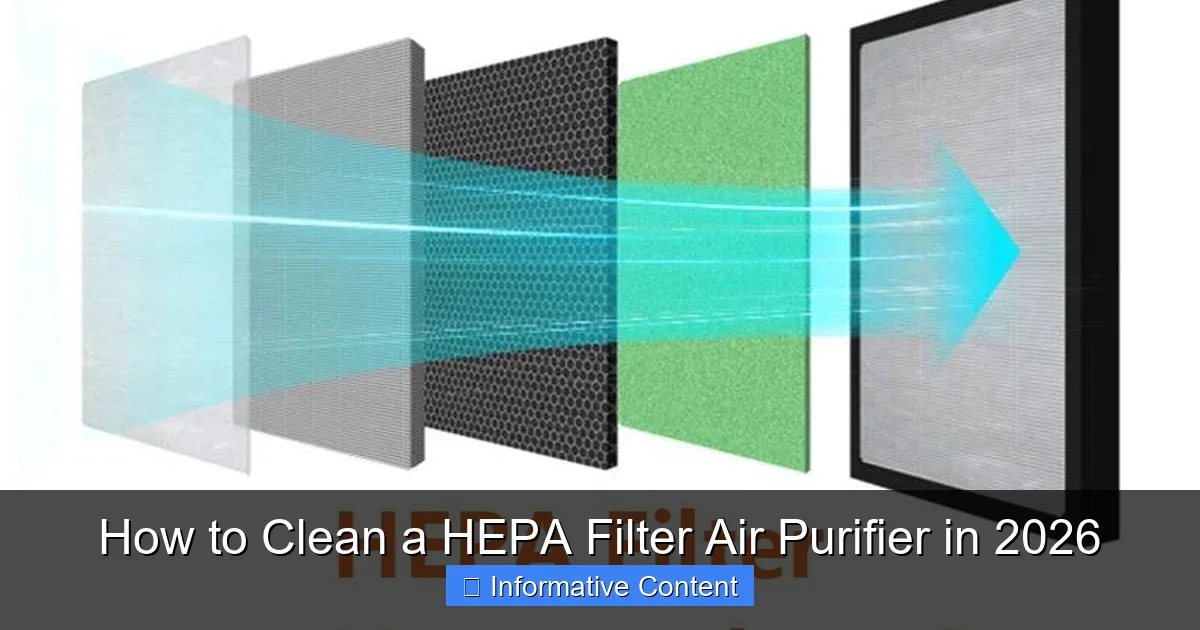
Many air purifiers use a multi-stage filtration system. In addition to a HEPA filter, you might find:
- Pre-filter: Captures large particles like hair and dust. Usually washable and should be cleaned monthly.
- Activated carbon filter: Absorbs odors, smoke, and volatile organic compounds (VOCs). Not washable—replace every 6–12 months.
- UV-C light: Kills bacteria and viruses. Doesn’t replace filtration but adds an extra layer of protection.
When cleaning your air purifier, it’s important to treat each filter type differently. The HEPA filter itself is usually not washable—more on that in the next section.
How Long Do HEPA Filters Last?
In ideal conditions, a HEPA filter can last 12 to 18 months. But in 2026, with higher pollution levels and more people working from home, many filters need replacing sooner. Factors that affect lifespan include:
- Air quality in your area (e.g., wildfire-prone regions)
- Number of pets or smokers in the home
- How often the purifier runs (continuous vs. occasional use)
- Presence of mold or high humidity
As a rule of thumb, check your HEPA filter every 3–6 months. If it looks dark or feels heavy, it’s probably time to replace it.
Step-by-Step Guide: How to Clean a HEPA Filter Air Purifier
Now that you understand why cleaning matters and what type of filter you have, let’s get into the nitty-gritty: how to clean your HEPA filter air purifier properly. The process varies slightly depending on your model, but the core steps remain the same.
Step 1: Turn Off and Unplug the Unit
Safety first. Always turn off and unplug your air purifier before cleaning. Even if it has a child lock or auto-shutoff feature, it’s best to disconnect it from the power source. This prevents accidental startup and protects you from electrical hazards.
Pro tip: If your unit has a smart app, use it to confirm the power is off. Some 2026 models will send a notification if the unit is still drawing power.
Step 2: Remove the Filters
Most air purifiers have a front or side panel that opens easily. Look for latches, screws, or magnetic seals. Gently remove the cover and take out the filters in the order they were installed. Typically, that’s:
- Pre-filter (outermost)
- Activated carbon filter (middle, if present)
- HEPA filter (innermost)
Handle the HEPA filter carefully. It’s fragile and can tear if bent or compressed.
Step 3: Clean the Pre-Filter
The pre-filter is usually the easiest to clean and should be done monthly. Here’s how:
- Use a vacuum cleaner with a brush attachment to remove loose dust and hair.
- If it’s washable (check the manual), rinse it under lukewarm water. Avoid hot water—it can warp the material.
- Let it air dry completely before reinstalling. Never put a wet filter back in the unit.
Example: The Levoit Core 400S, a popular 2026 model, has a washable pre-filter that can be cleaned every 2–4 weeks depending on use.
Step 4: Clean the HEPA Filter (If Washable)
Here’s the big question: Can you wash a HEPA filter? The answer depends on the type.
Most traditional HEPA filters are not washable. They’re made of tightly packed fiberglass or synthetic fibers that can degrade when wet. Attempting to rinse or soak them can damage the structure and reduce efficiency.
However, some newer models in 2026 feature washable HEPA filters. These are typically made from durable polyester or nanofiber materials designed to withstand water. If your filter is labeled “washable” or “reusable,” you can clean it as follows:
- Gently rinse under lukewarm water from the clean side (the side that faces the air intake).
- Do not use soap, detergent, or scrubbing tools.
- Let it air dry for at least 24 hours in a clean, dust-free area.
- Ensure it’s completely dry before reinstalling.
Important: Never put a damp HEPA filter back into the purifier. Moisture can promote mold growth and damage the motor.
Step 5: Vacuum the HEPA Filter (For Non-Washable Types)
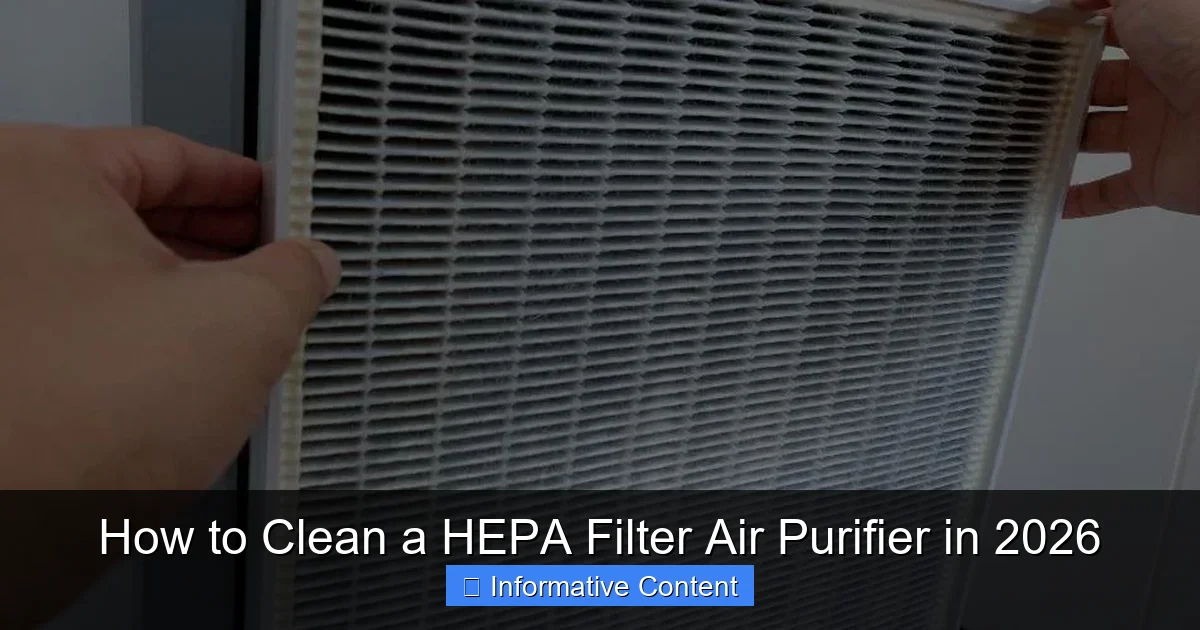
If your HEPA filter is not washable, the best you can do is lightly vacuum the surface to remove loose debris. Use a soft brush attachment and gentle suction. Do not press hard or use high power—this can push particles deeper into the filter or damage the fibers.
This won’t restore the filter to like-new condition, but it can help maintain airflow between replacements.
Step 6: Clean the Interior and Exterior
While the filters are out, take the opportunity to clean the inside of the air purifier. Use a dry microfiber cloth to wipe down the fan blades, vents, and housing. For stubborn dust, lightly dampen the cloth—but never spray liquid directly into the unit.
Wipe the exterior with a mild cleaner or disinfectant wipe. This is especially important if you have pets or live in a dusty area.
Step 7: Reassemble and Test
Once everything is dry and clean, reinstall the filters in the correct order. Make sure the HEPA filter is seated properly and the cover is securely closed.
Plug the unit back in and turn it on. Listen for unusual noises and check that the airflow feels strong. If your model has a filter indicator light, reset it according to the manual.
When to Replace Your HEPA Filter (Not Just Clean It)
Cleaning can only do so much. Eventually, every HEPA filter reaches the end of its lifespan. In 2026, with advanced sensor technology, many air purifiers now include filter life indicators that estimate remaining usage based on runtime and air quality.
But even without smart features, there are clear signs it’s time to replace your HEPA filter:
- Reduced airflow: If the purifier sounds weak or you feel less air coming out, the filter may be clogged.
- Persistent odors: A dirty filter can’t absorb new smells, so cooking or pet odors linger.
- Visible dirt or discoloration: If the filter looks dark gray or black, it’s saturated.
- Allergy or asthma symptoms returning: If you or your family start sneezing or coughing more, the filter may not be capturing allergens effectively.
- It’s been 12+ months: Even if it looks okay, replace it annually for optimal performance.
How to Choose a Replacement Filter in 2026
When buying a new HEPA filter, make sure it’s compatible with your model. Check the manufacturer’s website or packaging for the correct part number. In 2026, many brands offer eco-friendly options made from recycled materials or biodegradable packaging.
Avoid third-party “compatible” filters unless they’re certified by the manufacturer. Cheap knockoffs may not meet HEPA standards and could damage your unit.
Data Table: HEPA Filter Lifespan by Environment (2026 Estimates)
| Environment | Average Lifespan | Recommended Check Frequency |
|---|---|---|
| Low pollution, no pets | 18 months | Every 6 months |
| Urban area, 1–2 pets | 12 months | Every 4 months |
| Wildfire-prone region | 6–9 months | Every 3 months |
| Smoking household | 6 months | Every 2–3 months |
| High mold or humidity | 9–12 months | Every 3–4 months |
This table helps you estimate how often to inspect and replace your filter based on your living conditions.
Pro Tips for Maintaining Your Air Purifier in 2026
Cleaning the filter is just one part of air purifier maintenance. To keep your unit running smoothly and your air truly clean, follow these expert tips:
Run It Consistently
Air purifiers work best when used regularly. In 2026, many models have auto modes that adjust fan speed based on real-time air quality. Set yours to run continuously on low or use a timer to keep it active during high-pollution times (like morning rush hour or wildfire season).
Place It Strategically
Position your air purifier in a central location, away from walls or furniture that can block airflow. Avoid placing it near heat sources or in direct sunlight. For best results, run one purifier per room—especially bedrooms and living areas.
Monitor Air Quality
Use a smart air quality monitor (like the Awair Element or AirVisual Pro) to track PM2.5, VOCs, and humidity levels. This helps you understand when your purifier is working hardest and when to clean or replace the filter.
Keep Windows Closed During High Pollution
Even the best air purifier can’t keep up if you’re constantly letting polluted air in. On high-pollen or smog days, keep windows closed and rely on your purifier to clean the indoor air.
Upgrade to a Smart Model
In 2026, smart air purifiers are more affordable than ever. Look for models with app control, voice assistant compatibility, and automatic filter alerts. These features make maintenance easier and ensure you never forget a filter change.
Conclusion: Breathe Easy in 2026
Cleaning a HEPA filter air purifier might not be the most exciting chore on your to-do list, but it’s one of the most important. In 2026, with air quality challenges on the rise, your purifier is more than a gadget—it’s a vital part of your home’s health ecosystem.
By understanding how your filter works, cleaning it properly, and replacing it when needed, you’re not just maintaining a machine. You’re protecting your family’s lungs, reducing allergens, and creating a safer, more comfortable living space.
So the next time you walk past that quiet humming box in the corner, give it a little appreciation. And maybe—just maybe—take a moment to check the filter. Your future self (and your lungs) will thank you.
Remember: clean air isn’t a luxury. It’s a right. And with the right care, your HEPA filter air purifier can keep delivering it—year after year.
Frequently Asked Questions
How often should I clean a HEPA filter air purifier?
Most manufacturers recommend cleaning or replacing the HEPA filter every 6 to 12 months, depending on usage and air quality. However, pre-filters can usually be vacuumed or wiped monthly to maintain optimal performance.
Can you wash a HEPA filter in an air purifier?
Generally, true HEPA filters are not washable and should not be cleaned with water, as it can damage the delicate fibers. Always check your user manual—some models have washable pre-filters, but the main HEPA filter typically needs replacement.
How do I safely clean the exterior and fan of my air purifier?
Unplug the unit first, then wipe the exterior with a soft, damp cloth and mild detergent. Use a vacuum with a brush attachment to gently remove dust from the fan and vents to ensure smooth airflow.
What tools do I need to clean a HEPA filter air purifier?
You’ll typically need a soft brush, vacuum cleaner with a brush nozzle, microfiber cloth, and mild cleaning solution. Avoid harsh chemicals or compressed air, which can damage internal components.
Is it safe to vacuum a HEPA filter?
Vacuuming a HEPA filter is not recommended unless it’s labeled as washable or reusable. For standard HEPA filters, vacuuming can tear the fibers and reduce efficiency—always refer to your model’s cleaning guidelines.
How do I know when my HEPA filter needs replacing?
Signs include reduced airflow, unusual odors, or the filter appearing visibly dirty or discolored. Many modern air purifiers also have a filter replacement indicator light to alert you when it’s time for a new HEPA filter.