
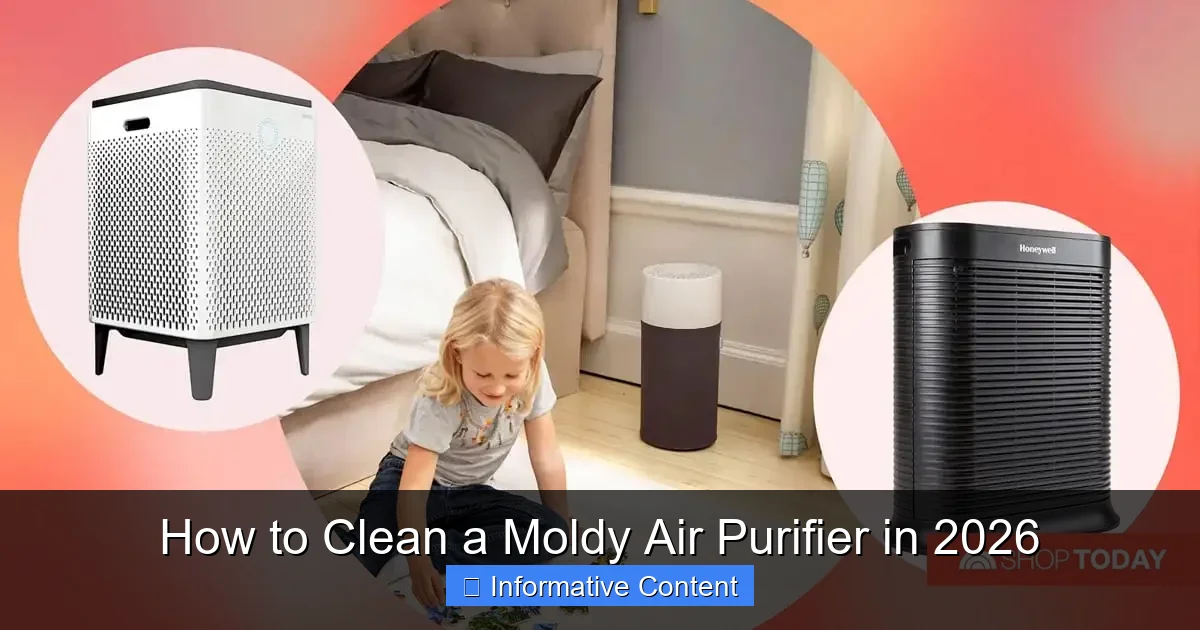
Featured image for how to clean a moldy air purifier
Image source: i3.wp.com
Cleaning a moldy air purifier is essential to maintain air quality and prevent health risks. Start by unplugging the unit and carefully removing filters and washable parts, then scrub them with a vinegar-water solution to kill mold and mildew. Always let components dry completely before reassembling to avoid future mold growth and ensure optimal performance.
Key Takeaways
- Unplug the unit first: Always disconnect power before cleaning to ensure safety.
- Remove and inspect filters: Check for mold buildup and replace if damaged or non-washable.
- Use vinegar or hydrogen peroxide: These natural cleaners effectively kill mold without harsh chemicals.
- Clean all accessible parts: Wipe down internal and external surfaces with a damp cloth.
- Ensure complete drying: Let all components air-dry fully before reassembling to prevent regrowth.
- Maintain regular cleaning: Clean every 1–3 months to stop mold from returning.
📑 Table of Contents
- How to Clean a Moldy Air Purifier in 2026
- Why Mold Grows in Air Purifiers (And Why It’s Dangerous)
- How to Identify Mold in Your Air Purifier
- Step-by-Step Guide: How to Clean a Moldy Air Purifier
- Preventing Mold in Your Air Purifier: Best Practices for 2026
- When to Replace vs. Clean Your Air Purifier
- Top Air Purifier Models with Mold-Resistant Features (2026)
- Final Thoughts: Keep Your Air—and Your Purifier—Clean
How to Clean a Moldy Air Purifier in 2026
Imagine this: you’ve been diligently running your air purifier every day, proud of the cleaner air in your home. You open it up for a routine check, and—yikes!—there’s fuzzy green or black spots growing inside. Mold. In your air purifier. The very device meant to keep your air clean is now potentially making it worse.
It’s more common than you think. Air purifiers pull in moisture, dust, and organic particles—perfect conditions for mold to thrive, especially in humid climates or if the unit isn’t maintained regularly. But don’t panic. Cleaning a moldy air purifier isn’t just possible—it’s essential for your health and the longevity of your device. In this guide, I’ll walk you through everything you need to know about how to clean a moldy air purifier in 2026, from spotting the signs to deep-cleaning each component safely and effectively. Whether you’re dealing with a HEPA filter, a carbon pre-filter, or an internal fan, I’ve got you covered with practical, step-by-step advice.
Why Mold Grows in Air Purifiers (And Why It’s Dangerous)
Before we dive into cleaning, it’s important to understand why mold ends up in your air purifier in the first place. Mold is a type of fungus that reproduces through tiny spores that float in the air. When these spores land on damp, organic material—like dust trapped in a filter—they can begin to grow, especially in warm, humid environments.
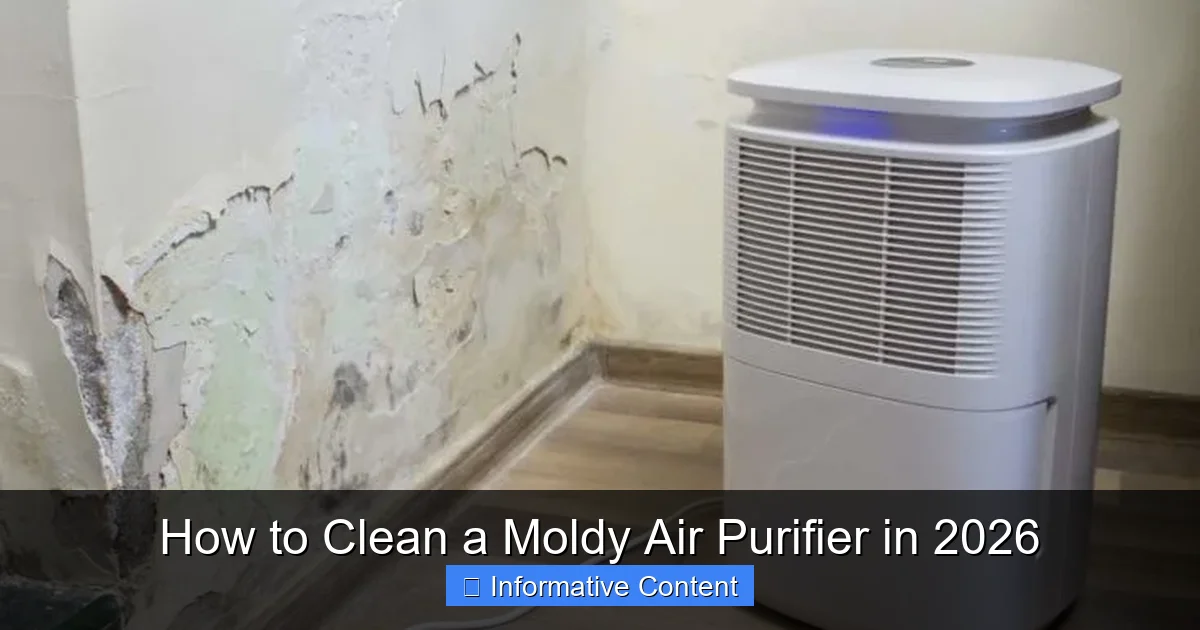
Visual guide about how to clean a moldy air purifier
Image source: diypaintingtips.com
Air purifiers are designed to capture airborne particles, including dust, pollen, pet dander, and yes, mold spores. But if moisture builds up inside the unit—whether from high humidity, condensation, or infrequent filter changes—those captured spores can take root and multiply. Over time, this leads to visible mold growth, often appearing as dark spots or a musty smell when the purifier runs.
Common Causes of Mold in Air Purifiers
- High indoor humidity: Levels above 60% create ideal conditions for mold. Bathrooms, basements, and poorly ventilated rooms are especially prone.
- Infrequent filter changes: Dirty filters trap more moisture and organic debris, creating a breeding ground.
- Leaving the unit off for long periods: Stagnant air and trapped moisture encourage mold growth.
- Using washable filters without proper drying: If you rinse a filter and reinstall it while damp, you’re practically inviting mold to move in.
Health Risks of Mold in Air Purifiers
You might think, “It’s just a little mold—how bad can it be?” But here’s the truth: a moldy air purifier can actually worsen your indoor air quality. Instead of cleaning the air, it can release mold spores and mycotoxins back into your living space every time it turns on. This can trigger or worsen:
- Allergic reactions (sneezing, itchy eyes, runny nose)
- Asthma attacks
- Respiratory infections
- Chronic coughing or throat irritation
- Headaches and fatigue in sensitive individuals
Children, elderly individuals, and people with compromised immune systems are especially vulnerable. So, if you spot mold, it’s not just a cleaning issue—it’s a health issue that needs immediate attention.
How to Identify Mold in Your Air Purifier
You can’t clean what you can’t see. That’s why the first step in tackling mold is knowing how to spot it. Mold in air purifiers often hides in plain sight, so a thorough inspection is key.
Visual Signs of Mold
Open your air purifier (after unplugging it, of course) and look closely at the following areas:
- Pre-filters: These are usually the first line of defense and often the first place mold appears. Look for dark spots, fuzzy patches, or discoloration.
- HEPA filters: While HEPA filters are designed to trap particles, they can still harbor mold if moisture is present. Check for black or green specks, especially along the edges.
- Internal housing and fan blades: Mold can grow on plastic surfaces, particularly in corners or near vents. Use a flashlight to inspect hard-to-reach areas.
- Water trays (in humidifier-purifier combos): If your unit has a water reservoir, check for slime, discoloration, or a foul odor.
Odor as a Clue
Even if you don’t see mold, your nose might tell you something’s wrong. A musty, earthy, or damp smell when the purifier is running is a strong indicator of mold growth. This odor comes from microbial volatile organic compounds (mVOCs) released by mold as it grows.
Performance Issues
Mold can also affect how well your air purifier works. If you notice:
- Reduced airflow
- Unusual noises (like grinding or rattling)
- The unit struggling to turn on
…it could be due to mold buildup blocking airflow or damaging internal components. Don’t ignore these signs—they’re your purifier’s way of saying, “Help me!”
Step-by-Step Guide: How to Clean a Moldy Air Purifier
Now that you’ve confirmed mold is present, it’s time to clean. I’ll walk you through a safe, effective process that works for most air purifier models. Always unplug the unit before starting, and work in a well-ventilated area—preferably outdoors or near an open window.
Gather Your Cleaning Supplies
You don’t need fancy tools. Here’s what you’ll need:
- Rubber gloves (to protect your hands)
- Safety goggles (mold spores can irritate your eyes)
- Face mask (N95 or higher recommended)
- Soft-bristled brush (like an old toothbrush)
- Microfiber cloths
- Mild dish soap
- White vinegar or hydrogen peroxide (natural disinfectants)
- Isopropyl alcohol (70% or higher)
- Bucket of warm water
- Vacuum with a brush attachment (optional but helpful)
Step 1: Remove and Inspect All Filters
Start by carefully removing all filters. Most air purifiers have at least two: a pre-filter and a HEPA filter. Some models also include activated carbon filters or ionizers.
- Pre-filters: These are often washable. Check your user manual to confirm.
- HEPA filters: These are typically not washable and should be replaced if moldy.
- Carbon filters: Usually not washable; replace if contaminated.
Inspect each filter under good lighting. If you see visible mold, especially on a HEPA or carbon filter, it’s best to replace it. Mold can penetrate deep into the fibers, and cleaning won’t remove all spores.
Step 2: Clean Washable Filters
If your pre-filter is washable, here’s how to clean it:
- Rinse it under lukewarm water to remove loose debris.
- Fill a bucket with warm water and a few drops of dish soap.
- Soak the filter for 10–15 minutes.
- Gently scrub both sides with a soft brush to remove mold and grime.
- Rinse thoroughly until no soap remains.
- Let it air-dry completely—ideally in sunlight, which has natural disinfecting properties. Do not reinstall a damp filter.
Pro Tip: For extra disinfection, soak the filter in a solution of 1 part white vinegar to 3 parts water for 10 minutes before scrubbing. Vinegar kills up to 82% of mold species.
Step 3: Clean the Interior and Exterior
With the filters removed, you can access the inside of the unit. Use a vacuum with a brush attachment to remove dust and loose mold spores from the housing, fan blades, and vents.
Next, mix a cleaning solution:
- Option 1: 1 cup white vinegar + 1 cup water
- Option 2: 1 part hydrogen peroxide (3%) + 1 part water
- Option 3: 70% isopropyl alcohol (full strength for tough spots)
Dip a microfiber cloth into the solution, wring it out well (you don’t want liquid dripping into electronics), and wipe down all interior surfaces. Pay special attention to corners, crevices, and the fan assembly. Use the soft brush to scrub stubborn mold spots.
For the exterior, use the same solution or a mild soap and water mix. Wipe down the casing, control panel, and vents. Avoid spraying liquid directly onto the unit—always apply it to the cloth first.
Step 4: Disinfect and Dry
After cleaning, disinfect all surfaces to kill any remaining mold spores. Spray or wipe with isopropyl alcohol or hydrogen peroxide, then let it air dry completely. This step is crucial—moisture left behind can lead to regrowth.
Allow the entire unit to dry for at least 24 hours before reassembling. If possible, place it in a sunny, well-ventilated area to speed up the process.
Step 5: Replace Non-Washable Filters
If your HEPA or carbon filter was moldy, replace it with a new one. Don’t try to clean or reuse it—mold can compromise the filter’s integrity and reduce its effectiveness. Check your manufacturer’s recommendations for the correct replacement model.
Once everything is dry and reassembled, plug in your air purifier and run it on a low setting for a few hours to ensure it’s working properly and no musty odors remain.
Preventing Mold in Your Air Purifier: Best Practices for 2026
Cleaning mold is one thing—keeping it from coming back is another. In 2026, with smarter homes and more advanced air purifiers, prevention is easier than ever. Here’s how to keep your unit mold-free long-term.
Maintain Proper Humidity Levels
Keep indoor humidity between 30% and 50%. Use a hygrometer to monitor levels, and consider a dehumidifier if you live in a humid climate. Smart air purifiers with built-in humidity sensors can even alert you when levels rise.
Change Filters on Schedule
Follow the manufacturer’s recommended filter replacement schedule—usually every 6 to 12 months. But if you live in a dusty or humid environment, you may need to change them more often. Some newer models have filter life indicators that notify you when it’s time.
Run Your Purifier Regularly
Don’t let your air purifier sit idle for weeks. Running it regularly helps circulate air and prevents moisture buildup. Even 1–2 hours a day can make a difference.
Clean Washable Filters Monthly
If your pre-filter is washable, clean it every 4–6 weeks. This removes dust and organic matter before mold can take hold.
Use a UV-C Light (If Available)
Some high-end air purifiers come with UV-C lights that kill mold, bacteria, and viruses. If your model has one, make sure it’s functioning properly. UV-C is most effective when air flows directly through the light, so keep the unit running as recommended.
Store Properly When Not in Use
If you’re not using your air purifier for an extended period (like during a move or renovation), clean it thoroughly, let it dry completely, and store it in a dry, sealed bag or container.
When to Replace vs. Clean Your Air Purifier
Not every moldy air purifier can be saved. Sometimes, the damage is too extensive, or the cost of replacement parts outweighs the value of the unit. Here’s how to decide whether to clean or replace.
Clean If:
- The mold is only on washable parts (like the pre-filter or housing).
- The HEPA filter is still in good condition and not moldy.
- The unit is relatively new (under 3 years old).
- You can access and clean all internal components.
Replace If:
- Mold has penetrated the HEPA or carbon filter.
- The internal electronics or fan are corroded or damaged.
- The unit is old, inefficient, or no longer under warranty.
- You’ve cleaned it multiple times and mold keeps returning.
When in doubt, consult your user manual or contact the manufacturer. Some brands offer filter replacement programs or discounts on new models.
Top Air Purifier Models with Mold-Resistant Features (2026)
As of 2026, several air purifiers are designed with mold prevention in mind. Here’s a quick comparison of models that stand out for their anti-mold technology.
| Model | Key Mold-Resistant Features | Filter Type | UV-C Light | Humidity Sensor |
|---|---|---|---|---|
| Blueair Blue Pure 311i+ | Washable pre-filter, antimicrobial coating | HEPA + Carbon | No | Yes |
| IQAir HealthPro Plus | HyperHEPA filter, sealed system | HyperHEPA | Optional add-on | No |
| Dyson Purifier Humidify+Cool | UV-C sterilization in water tank, sealed HEPA | HEPA + Carbon | Yes | Yes |
| Levoit Core 600S | Washable pre-filter, smart app reminders | HEPA + Carbon | No | Yes |
| Austin Air HealthMate HM400 | Medical-grade HEPA, no washable parts | HEPA + Carbon | No | No |
When shopping for a new air purifier in 2026, look for features like sealed filters, UV-C sterilization, and humidity monitoring. These can significantly reduce the risk of mold growth.
Final Thoughts: Keep Your Air—and Your Purifier—Clean
Finding mold in your air purifier is unsettling, but it’s not the end of the world. With the right approach, you can clean it thoroughly and restore your unit to peak performance. The key is acting quickly, using safe cleaning methods, and staying consistent with maintenance.
Remember, your air purifier is only as good as the care you give it. Regular cleaning, proper humidity control, and timely filter changes are your best defenses against mold. And if your unit is beyond repair, don’t hesitate to upgrade to a model with built-in mold-resistant features.
By following the steps in this guide, you’ll not only solve the immediate problem but also create a healthier, cleaner environment for you and your family. So go ahead—breathe easy. Your air purifier is back on duty.
Frequently Asked Questions
How do I clean a moldy air purifier safely?
To clean a moldy air purifier safely, first unplug the unit and remove all filters. Use a soft brush or cloth to gently wipe away visible mold, then clean reusable parts with a mixture of mild soap and warm water. Always let components dry completely before reassembling to prevent mold regrowth.
Can mold in an air purifier make you sick?
Yes, mold in an air purifier can release spores into the air, potentially causing respiratory issues, allergies, or asthma flare-ups, especially in sensitive individuals. Regular cleaning and maintenance help minimize this risk and ensure your air purifier improves indoor air quality instead of harming it.
What’s the best way to clean mold from an air purifier filter?
For reusable filters, rinse them gently under lukewarm water and use a mild detergent to remove mold. Avoid soaking or scrubbing too hard, as this can damage the filter. If the filter is not washable, replace it immediately to maintain effective air purification.
How often should I clean my air purifier to prevent mold?
You should clean your air purifier every 1–3 months, depending on usage and humidity levels. In damp environments or during humid seasons, more frequent cleaning helps prevent mold buildup and keeps your unit running efficiently.
Is vinegar effective for cleaning mold in air purifiers?
Yes, white vinegar is a natural and effective solution for killing mold on air purifier parts. Mix equal parts vinegar and water, apply to affected areas with a cloth, and let it sit for 10–15 minutes before wiping clean. Always rinse and dry thoroughly afterward.
Can I prevent mold from growing in my air purifier?
To prevent mold, keep your air purifier in a dry, well-ventilated area and clean it regularly. Replace filters as recommended and consider using a dehumidifier in high-moisture rooms to reduce the conditions that encourage mold growth.