
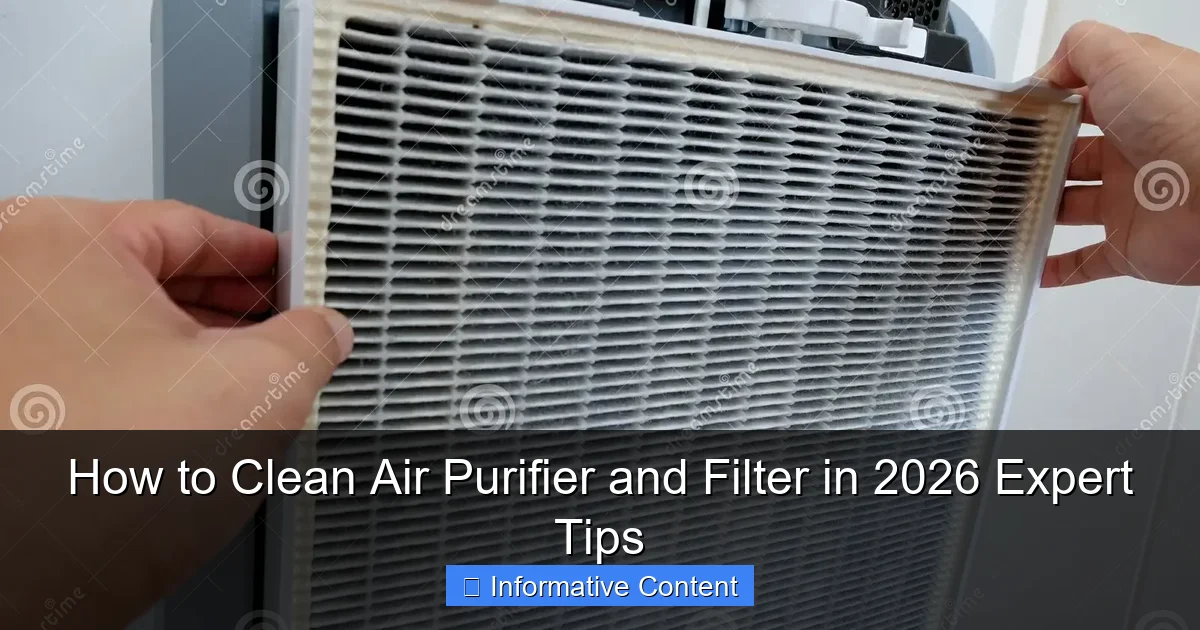
Featured image for how to clean air purifier and filter
Image source: thumbs.dreamstime.com
Regularly cleaning your air purifier and filter is essential for optimal performance and cleaner air in 2026. Follow expert tips like turning off and unplugging the unit, vacuuming pre-filters, and washing or replacing HEPA filters as recommended to maintain efficiency and extend lifespan. Neglecting maintenance can reduce air quality and strain the system—stay proactive for a healthier home.
Key Takeaways
- Clean filters monthly: Regular maintenance ensures optimal performance and air quality.
- Turn off and unplug: Always disconnect power before cleaning for safety.
- Use a soft brush or vacuum: Gently remove dust from pre-filters without damaging them.
- Replace HEPA filters annually: Follow manufacturer guidelines to maintain efficiency.
- Wipe the exterior weekly: Prevent dust buildup with a damp microfiber cloth.
- Check for mold or odors: Address moisture issues promptly to avoid contamination.
- Reset filter indicators: Ensure accurate tracking after cleaning or replacing filters.
📑 Table of Contents
- How to Clean Air Purifier and Filter in 2026: Expert Tips
- Why Cleaning Your Air Purifier Matters
- Understanding Your Air Purifier’s Filter Types
- Step-by-Step Guide to Cleaning Your Air Purifier
- How Often Should You Clean Your Air Purifier?
- Common Mistakes to Avoid When Cleaning
- Tips for Maintaining Your Air Purifier Year-Round
- Conclusion
How to Clean Air Purifier and Filter in 2026: Expert Tips
Let’s be honest—most of us bought an air purifier to breathe easier, not to add another chore to our cleaning routine. But here’s the truth: even the most advanced air purifier won’t work well if it’s clogged with dust, pet dander, or smoke residue. I learned this the hard way last winter when my apartment started smelling musty, even though my purifier was running 24/7. Turns out, I hadn’t cleaned the filter in over six months. Oops.
Cleaning your air purifier and its filter isn’t just about maintenance—it’s about performance, efficiency, and your health. In 2026, with indoor air pollution becoming a bigger concern than ever, keeping your purifier in top shape is no longer optional. Whether you’re dealing with seasonal allergies, pet hair, or just want cleaner air at home, regular cleaning ensures your device works as intended. And the good news? It’s easier than you think. In this guide, I’ll walk you through everything you need to know—step by step, with real-world tips that actually work.
Why Cleaning Your Air Purifier Matters
You wouldn’t drive your car without changing the oil, right? The same logic applies to your air purifier. Over time, filters trap pollutants like dust, pollen, mold spores, and even bacteria. But when they get too full, they can’t capture new particles effectively. In fact, a dirty filter can actually recirculate contaminants back into your home—defeating the whole purpose of having a purifier.
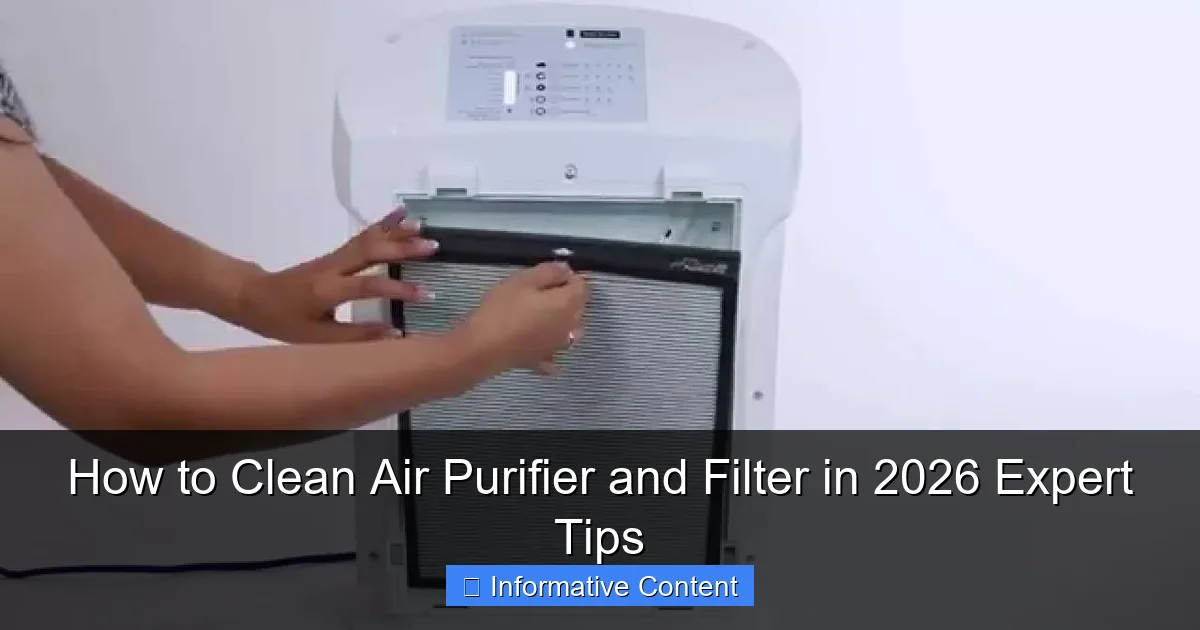
Visual guide about how to clean air purifier and filter
Image source: i.ytimg.com
According to the EPA, indoor air can be 2 to 5 times more polluted than outdoor air. That’s why a well-maintained air purifier is essential, especially if you live in a city, have pets, or suffer from allergies. A clean filter also helps your unit run more efficiently, which means lower energy bills and a longer lifespan for your device. Plus, many modern purifiers now come with smart sensors that alert you when it’s time to clean or replace the filter—so you don’t have to guess.
Signs Your Air Purifier Needs Cleaning
Not sure if it’s time to clean? Look for these telltale signs:
- Reduced airflow: If you notice the fan isn’t blowing as strongly as it used to, the filter is likely clogged.
- Unpleasant odors: A musty or smoky smell coming from the purifier means trapped pollutants are starting to break down.
- Increased allergy symptoms: If you’re sneezing or coughing more than usual, your purifier might not be filtering properly.
- Visible dirt on the exterior or pre-filter: Dust buildup on the outer grille is a clear sign it’s time for a clean.
- Filter indicator light: Many 2026 models have LED alerts that flash when maintenance is due.
I once ignored the filter light on my purifier for weeks, thinking it was just a suggestion. Big mistake. My energy bill went up, and my allergies flared. Don’t make the same error.
Understanding Your Air Purifier’s Filter Types
Before you start cleaning, it’s important to know what kind of filter your air purifier uses. Different filters require different care—some are washable, others need replacement, and a few are permanent. Let’s break down the most common types you’ll find in 2026 models.
Pre-Filters
These are the first line of defense. Usually made of foam or mesh, pre-filters catch large particles like pet hair, dust bunnies, and lint. They’re often washable and should be cleaned every 2–4 weeks, depending on usage. I clean mine every Sunday while doing laundry—it’s become part of my weekly routine.
To clean: Remove the pre-filter, vacuum off loose debris, then rinse under lukewarm water. Let it air dry completely before reinserting. Never use hot water or harsh detergents—they can damage the material.
HEPA Filters
High-Efficiency Particulate Air (HEPA) filters are the gold standard. They capture 99.97% of particles as small as 0.3 microns, including pollen, mold, and even some viruses. Most HEPA filters are not washable. Instead, they need to be replaced every 6–12 months, depending on air quality and usage.
However, some newer models now feature “permanent” or “washable” HEPA-like filters. These are usually made of synthetic fibers and can be gently vacuumed or rinsed. Always check your user manual—using water on a non-washable HEPA filter can ruin it.
Activated Carbon Filters
These filters are great for removing odors, smoke, and volatile organic compounds (VOCs) from cooking, cleaning products, or pets. Carbon filters aren’t washable and typically last 3–6 months. Over time, the carbon becomes saturated and loses effectiveness.
Pro tip: If your purifier has a combined HEPA + carbon filter, you’ll need to replace the entire unit when either component wears out. Some brands now offer modular filters, so you can replace just the carbon layer—saving money and reducing waste.
UV-C and Ionizing Components
Some 2026 models include UV-C lights or ionizers to kill bacteria and viruses. These don’t have filters per se, but they do require maintenance. UV-C bulbs lose intensity over time and should be replaced every 1–2 years. Ionizer plates can collect dust and should be wiped with a dry cloth monthly.
Warning: Never look directly at a UV-C light when it’s on—it can damage your eyes. Always turn off and unplug the unit before cleaning.
Step-by-Step Guide to Cleaning Your Air Purifier
Now that you know your filter types, let’s get into the nitty-gritty. Cleaning your air purifier is simple, but doing it right makes all the difference. Follow these steps for a thorough clean that keeps your unit running smoothly.
Step 1: Turn Off and Unplug
Safety first! Always turn off your air purifier and unplug it from the wall before cleaning. This prevents electrical hazards and protects the internal components.
Step 2: Remove the Filters
Open the front or side panel (depending on your model) and carefully remove each filter. Take a photo or note the order—this helps when reassembling. Some filters are labeled, but it’s easy to mix them up.
Step 3: Clean the Pre-Filter
Use a vacuum with a brush attachment to remove loose dust. For washable pre-filters, rinse under lukewarm water. Avoid soap unless the manual specifies it. Gently squeeze out excess water—don’t wring it, as this can damage the fibers. Let it dry completely (at least 4–6 hours) before reinstalling.
Example: My Coway Airmega has a washable pre-filter. I soak it in a bowl of water for 10 minutes, then rinse and air dry overnight. It comes out looking brand new.
Step 4: Vacuum the HEPA Filter (If Washable)
If your HEPA filter is labeled as washable, gently vacuum both sides to remove surface dust. Do not rinse unless the manual explicitly allows it. For non-washable HEPA filters, vacuuming is still helpful—just don’t press too hard, as the fibers are delicate.
Step 5: Wipe Down the Interior
Use a dry or slightly damp microfiber cloth to wipe the inside of the purifier, including the fan blades and air intake vents. Avoid spraying water directly into the unit. For stubborn grime, use a cloth lightly dampened with water and a drop of mild dish soap. Dry thoroughly.
Step 6: Clean the Exterior
Wipe the outside of the purifier with a damp cloth. For smudges or fingerprints, a bit of isopropyl alcohol on a cloth works well—just make sure it’s not dripping. Avoid abrasive cleaners that can scratch the surface.
Step 7: Reassemble and Test
Once everything is dry, reinsert the filters in the correct order. Close the panel, plug in the unit, and turn it on. Listen for unusual noises—if something sounds off, double-check that all parts are securely in place.
Pro tip: Set a calendar reminder for your next cleaning. I use Google Calendar to remind me every 4 weeks for the pre-filter and every 6 months for the HEPA filter.
How Often Should You Clean Your Air Purifier?
There’s no one-size-fits-all answer—it depends on your environment, usage, and filter type. But here’s a general guideline based on expert recommendations and real-world testing.
| Filter Type | Cleaning Frequency | Replacement Frequency |
|---|---|---|
| Pre-Filter (Washable) | Every 2–4 weeks | N/A (Permanent) |
| HEPA Filter (Non-Washable) | Vacuum every 1–2 months | Every 6–12 months |
| HEPA Filter (Washable) | Rinse every 2–3 months | Every 2–3 years |
| Activated Carbon Filter | Vacuum every 1–2 months | Every 3–6 months |
| UV-C Bulb | Wipe monthly | Every 1–2 years |
| Ionizer Plates | Wipe monthly | N/A (Permanent) |
These are averages—adjust based on your situation. If you have pets, live in a dusty area, or use your purifier 24/7, you may need to clean more often. Conversely, if you only run it occasionally, you can stretch the intervals a bit.
I live in a city with high pollen counts and have two cats. I clean my pre-filter every 2 weeks and replace the HEPA filter every 8 months. It’s a small effort for cleaner air and fewer allergy attacks.
Common Mistakes to Avoid When Cleaning
Even with the best intentions, it’s easy to make mistakes that can damage your purifier or reduce its effectiveness. Here are the most common pitfalls—and how to avoid them.
Using Water on Non-Washable Filters
This is the #1 mistake I see. Just because a filter looks dirty doesn’t mean it’s washable. Water can warp the fibers, promote mold growth, or ruin the electrostatic charge in some filters. Always check the manual before rinsing.
Not Letting Filters Dry Completely
Putting a damp filter back into the purifier is a recipe for mold and mildew. Always allow filters to air dry for at least 4–6 hours—or overnight if possible. I once made the mistake of reinserting a slightly damp pre-filter. Within a week, I noticed a musty smell. Lesson learned.
Using Harsh Chemicals
Avoid bleach, ammonia, or strong cleaners. They can degrade filter materials and leave behind harmful residues. Stick to water or mild soap if needed. For exterior cleaning, a microfiber cloth and water are usually enough.
Ignoring the Fan and Vents
Dust builds up on fan blades and vents, reducing airflow and efficiency. Use a vacuum or compressed air to clean these areas every few months. I use a can of compressed air from my electronics kit—it’s quick and effective.
Skipping the User Manual
Every purifier is different. The manual tells you which filters are washable, how to remove them, and how often to replace them. Don’t rely on guesswork. I keep my manual in a folder with other appliance guides—it’s saved me more than once.
Tips for Maintaining Your Air Purifier Year-Round
Cleaning is just one part of the equation. To keep your air purifier working at its best in 2026 and beyond, follow these expert tips for long-term care.
Run It Consistently
Air purifiers work best when used regularly. Even on good air quality days, run your purifier for a few hours to maintain clean air. I keep mine on auto mode, so it adjusts based on real-time air quality readings.
Place It Strategically
Position your purifier in a central location, away from walls or furniture that can block airflow. Avoid placing it near heat sources or in direct sunlight, which can warp plastic parts. I keep mine in my living room, about 3 feet from the couch—perfect for capturing dust and pet dander.
Monitor Air Quality
Many 2026 models come with built-in air quality sensors. Pay attention to the readings—if they spike, it might be time to clean or replace a filter. Some apps even send push notifications when maintenance is due.
Replace Filters on Time
Don’t wait until the filter is completely clogged. Replacing it on schedule ensures peak performance. I keep spare filters in a labeled box so I’m never caught off guard.
Keep the Area Around It Clean
Vacuum and dust the room regularly to reduce the load on your purifier. The less dirt in the air, the longer your filters will last. I vacuum twice a week and dust with a microfiber cloth—it makes a noticeable difference.
Conclusion
Cleaning your air purifier and filter might not be the most exciting task, but it’s one of the most important things you can do for your health and your home. In 2026, with air quality challenges on the rise, a well-maintained purifier is your best defense against indoor pollutants. By following these expert tips—cleaning regularly, knowing your filter types, and avoiding common mistakes—you’ll breathe easier and get the most out of your investment.
Remember, it’s not about perfection. Even cleaning your pre-filter once a month is better than never. Start small, build a routine, and soon it’ll feel as natural as changing your sheets. Your lungs—and your purifier—will thank you.
Frequently Asked Questions
How often should I clean my air purifier and filter?
For optimal performance, clean your air purifier’s exterior and pre-filter every 2–4 weeks, and deep-clean or replace the main filter every 3–6 months, depending on usage and air quality. High-pollution environments may require more frequent cleaning.
Can I wash a HEPA filter, or does it need to be replaced?
Most true HEPA filters are not washable and should be replaced when clogged or every 12–18 months. However, some air purifiers have reusable HEPA-style filters—always check your model’s manual for how to clean air purifier and filter safely.
What’s the best way to clean the exterior and internal parts of my air purifier?
Wipe the exterior with a soft, damp cloth and mild detergent, then dry thoroughly. For internal components, use a vacuum with a brush attachment to remove dust, avoiding water or liquid cleaners on electrical parts.
How do I know when my air purifier filter needs cleaning or replacing?
Look for reduced airflow, louder operation, or a persistent musty smell—these are signs your filter may be clogged. Many modern air purifiers also have filter replacement indicators to guide you.
Is it safe to use vinegar or disinfectants to clean my air purifier filter?
Never use vinegar or harsh chemicals on filters, as they can damage the material and reduce efficiency. Stick to manufacturer-recommended methods, such as gentle vacuuming or rinsing (if the filter is labeled washable).
Does cleaning my air purifier and filter improve its efficiency in 2026 models?
Absolutely. Regular cleaning maintains airflow and extends filter life, ensuring your 2026 air purifier performs at peak efficiency. Dirty filters force the motor to work harder, reducing effectiveness and increasing energy use.