
Featured image for can air purifier be used with humidifier
Image source: coolmisthumidifier.org
Yes, you can safely use an air purifier and humidifier together to improve indoor air quality and maintain optimal humidity levels. Combining both devices enhances comfort and health benefits—air purifiers remove pollutants like dust and allergens, while humidifiers add moisture to dry air—making them a powerful duo when placed strategically and maintained properly.
Key Takeaways
- Yes, they can work together: Air purifiers and humidifiers complement each other when used properly.
- Maintain ideal humidity: Keep humidity between 30-50% to avoid mold and reduce airborne particles.
- Use separate units: Place devices apart to prevent moisture damage to the air purifier’s filter.
- Clean humidifiers daily: Prevent bacteria and mold growth by emptying and drying the tank regularly.
- Choose compatible models: Opt for purifiers with moisture-resistant filters if pairing with a humidifier.
- Monitor air quality: Use a hygrometer to track humidity and ensure balanced indoor air conditions.
📑 Table of Contents
- Can Air Purifier Be Used With Humidifier? Let’s Find Out
- Why Combine an Air Purifier and Humidifier?
- Potential Risks and How to Avoid Them
- Best Practices for Using Both Devices Together
- Types of Humidifiers and Air Purifiers: What Works Best Together?
- Smart Setups and Real-World Examples
- Final Thoughts: Yes, You Can—and Should—Use Both
Can Air Purifier Be Used With Humidifier? Let’s Find Out
Ever woken up with a dry throat, itchy skin, or a stuffy nose, even when your home feels clean? Or maybe you’ve noticed your wooden furniture cracking, or your houseplants looking a little sad—despite your best efforts? If so, you’re not alone. These are classic signs of low indoor humidity, and many of us turn to humidifiers to fix the issue. But what about air purifiers? You know, those sleek devices that promise to zap dust, pollen, and pet dander out of the air? They’re great for allergies and asthma, but they don’t add moisture. So, you might be wondering: Can air purifier be used with humidifier? And if so, how do you do it right without making things worse?
Here’s the good news: yes, you can use an air purifier and a humidifier together. In fact, combining them can be a game-changer for your indoor air quality, comfort, and health. But it’s not as simple as just placing both machines in the same room and calling it a day. There are nuances—like placement, timing, humidity levels, and even the type of humidifier you use—that can make or break your results. I’ve been down this road myself. I once ran a cool mist humidifier right next to my HEPA air purifier, thinking I was doing my lungs a favor. Spoiler: I wasn’t. The purifier started picking up excess moisture, and the filter clogged faster than expected. Not ideal.
So, in this guide, I’ll walk you through everything you need to know about using an air purifier and humidifier together. We’ll cover the benefits, the potential pitfalls, how to avoid common mistakes, and even some clever setups that work in real homes. Whether you’re dealing with allergies, dry winter air, or just want to breathe easier, this is your go-to resource. Let’s dive in.
Why Combine an Air Purifier and Humidifier?
The Science of Indoor Air Quality
Your home’s air is a mix of gases, particles, and moisture. An air purifier tackles the particles—dust, pollen, pet dander, mold spores, and even some viruses and bacteria. It pulls air through a filter (usually HEPA) and traps those contaminants. A humidifier, on the other hand, adds moisture to the air, measured as relative humidity (RH). The ideal indoor RH is between 30% and 50%, according to the EPA and CDC. Too low, and you get dry skin, irritated sinuses, and static shocks. Too high, and you risk mold, dust mites, and bacteria growth.
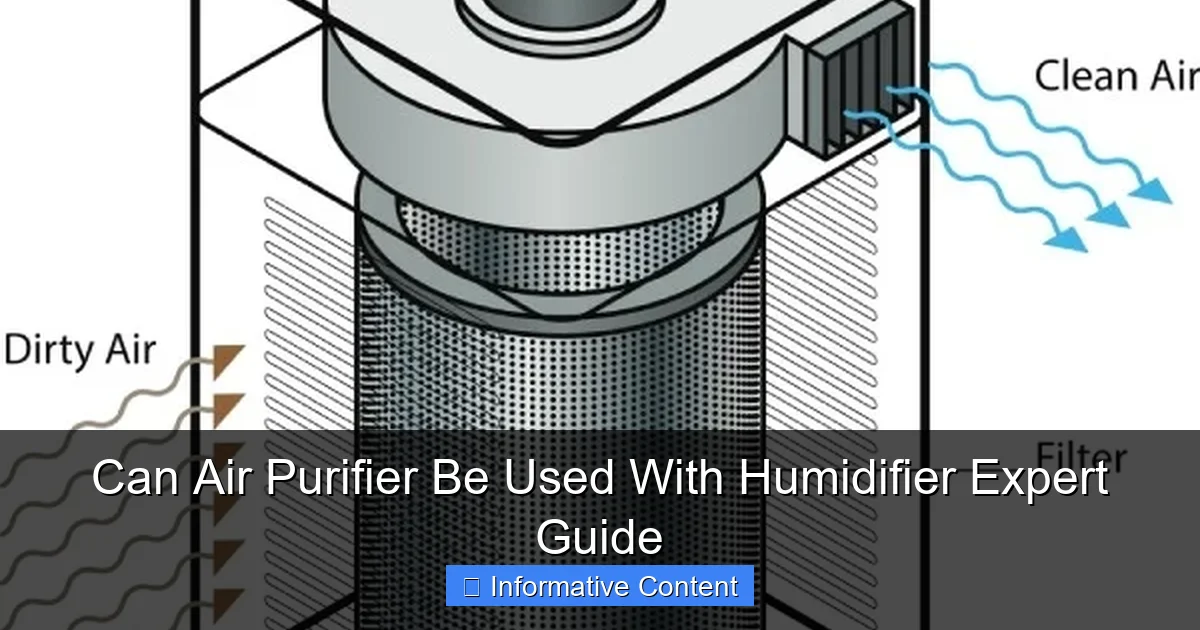
Visual guide about can air purifier be used with humidifier
Image source: learnmetrics.com
So, when you combine both devices, you’re addressing two critical aspects of indoor air: cleanliness and comfort. Think of it like a one-two punch. The air purifier removes the junk, and the humidifier keeps the air from feeling like a desert. This combo is especially helpful in:
- Winter months, when heating systems dry out the air
- Allergy seasons, when pollen and dust are high but dry air irritates your nose and throat
- Homes with pets or smokers, where airborne particles are abundant
- Dry climates, like deserts or high-altitude areas
Real-Life Benefits You’ll Notice
You don’t need a lab test to feel the difference. Here’s what users report after using both devices together:
- Fewer allergy symptoms (sneezing, congestion, itchy eyes)
- Less dry mouth and throat, especially at night
- Improved sleep quality (dry air can disrupt sleep)
- Healthier skin and hair (less flakiness and breakage)
- Reduced static electricity (no more shocking your cat!)
- Preserved wooden furniture, flooring, and instruments (prevents cracking)
One of my friends, Sarah, lives in Colorado—a dry, high-altitude state. She used to wake up with a dry nose and sore throat every morning, even with a humidifier. After adding a HEPA air purifier to her bedroom, she noticed her allergies improved, and her humidifier didn’t have to work as hard. “It’s like the air is cleaner and more comfortable,” she told me. “I didn’t expect both to make such a difference.”
Potential Risks and How to Avoid Them
Moisture and Air Purifier Filters Don’t Always Mix
This is the big one. Most air purifiers—especially those with HEPA filters—don’t like moisture. When humid air passes through a HEPA filter, it can:
- Cause the filter to clump or degrade faster
- Reduce airflow and efficiency
- Promote mold or bacteria growth on the filter (yuck)
I learned this the hard way. I had a cool mist humidifier running on one side of my bedroom, and my air purifier on the other. After a few weeks, the purifier’s airflow slowed, and I noticed a musty smell. Turns out, the mist was drifting over and dampening the filter. Not only did this shorten the filter’s lifespan, but it also reduced its ability to clean the air.
The fix? Keep a safe distance between the two devices. I recommend at least 3–5 feet apart. If your room is small, place them on opposite sides, not directly facing each other. This prevents moisture from blowing straight into the purifier’s intake.
Over-Humidification: The Hidden Danger
Too much humidity is just as bad as too little. When RH goes above 50–60%, you create a breeding ground for:
- Mold and mildew (especially in bathrooms, basements, or poorly ventilated rooms)
- Dust mites (they thrive in humidity above 50%)
- Bacteria (some types grow faster in damp air)
And here’s the irony: an air purifier can’t remove these problems if they’re already growing. In fact, some humidifiers (like ultrasonic models) can spread mold or bacteria if not cleaned regularly. So, over-humidifying can actually make your air worse, even with a purifier running.
Tip: Use a hygrometer (a humidity monitor) to check RH levels. I keep one in my bedroom and living room. If RH goes above 50%, I turn off the humidifier for a while. Many smart humidifiers (like the LEVOIT LV600HH) have built-in hygrometers and auto-shutoff features—worth the investment.
Mineral Dust from Ultrasonic Humidifiers
Ultrasonic humidifiers use high-frequency vibrations to turn water into a fine mist. But if you use tap water (which contains minerals like calcium and magnesium), the mist can carry tiny particles of white dust. This dust settles on surfaces and—worse—can be inhaled.
While your air purifier can catch some of this dust, it adds extra strain on the filter. Over time, this reduces efficiency and increases filter replacement costs. Plus, white dust can irritate your lungs, especially if you have asthma or allergies.
Solution: Use distilled or demineralized water in ultrasonic humidifiers. Or, switch to an evaporative humidifier, which uses a wick and fan to release moisture without creating mist (and thus, no white dust). I switched to an evaporative model after dealing with white dust on my nightstand for weeks. Game-changer.
Best Practices for Using Both Devices Together
Placement Matters: Where to Put Each Device
Where you place your air purifier and humidifier can make a huge difference in performance. Here’s my go-to strategy:
- Air purifier: Place it near the source of pollutants. For example, if you have a pet, put it near their favorite spot. For dust and pollen, near a window or doorway. Keep it at least 12–18 inches off the floor for optimal airflow.
- Humidifier: Place it in the center of the room or on a nightstand (for bedrooms). Avoid putting it near electronics or wooden furniture, as moisture can damage them.
- Distance: Keep them at least 3–5 feet apart. If possible, position them so they’re not blowing air directly at each other.
Example: In my 12’ x 15’ bedroom, I put the air purifier near the door (where dust enters) and the humidifier on the opposite nightstand. They’re about 10 feet apart, and the humidifier’s mist drifts upward, not toward the purifier. Works like a charm.
Timing: When to Run Each Device
You don’t need to run both 24/7. Here’s a smart schedule:
- Air purifier: Run it continuously or on auto mode (many models have sensors). If you have allergies, keep it on high during peak pollen hours (usually morning and evening).
- Humidifier: Run it during dry times—like overnight in winter or during the day if you’re home. Use a timer or smart plug to turn it off when RH reaches 45–50%.
Pro tip: If you have a smart home, sync both devices. For example, use IFTTT or a smart hub to turn on the humidifier when RH drops below 35%, and turn it off at 50%. Some air purifiers (like Dyson Pure Humidify+Cool) even have built-in humidity sensors and can adjust settings automatically.
Maintenance: Keep Both Devices in Top Shape
Dirty devices = poor performance. Here’s how to maintain both:
- Air purifier: Change the HEPA filter every 6–12 months (or sooner if it’s clogged). Clean the pre-filter monthly with a vacuum or damp cloth. Wipe the exterior with a dry cloth.
- Humidifier: Empty and clean the tank daily with mild soap and water. Deep-clean weekly with vinegar or hydrogen peroxide (follow the manual). Replace wicks or filters as recommended (usually every 1–3 months).
I set reminders on my phone: “Clean humidifier tank” every morning and “Check air purifier filter” every month. It takes 5 minutes but saves me from musty smells and clogged filters.
Types of Humidifiers and Air Purifiers: What Works Best Together?
Humidifier Types: Pros, Cons, and Air Purifier Compatibility
Not all humidifiers are created equal. Here’s a quick breakdown:
| Humidifier Type | How It Works | Pros | Cons | Best for Air Purifier Combo? |
|---|---|---|---|---|
| Ultrasonic | Vibrates water into mist | Quiet, energy-efficient, cool mist | Can produce white dust; needs distilled water | Yes, if using distilled water |
| Evaporative | Wick absorbs water; fan blows air through it | No mist; self-regulates humidity; no white dust | Louder; wick needs replacement | Best choice |
| Warm Mist | Boils water; releases steam | Kills bacteria; no white dust | Uses more energy; hot surface (safety risk) | Yes, but keep away from purifier |
| Impeller | Rotating disc creates mist | Cool mist; affordable | Noisy; can spread bacteria if dirty | Only if cleaned daily |
For air purifier combos, I recommend evaporative humidifiers (like Honeywell HCM-350) or ultrasonic models with demineralization cartridges (like LEVOIT Classic 300S). Both minimize moisture-related issues.
Air Purifier Types: What to Look For
Most air purifiers work fine with humidifiers, but here’s what to prioritize:
- HEPA filter: Must-have for particle removal. Look for true HEPA (captures 99.97% of particles 0.3 microns).
- Activated carbon filter: Helps with odors and VOCs (great if you use scented humidifier additives).
- Humidity-resistant housing: Some purifiers (like Dyson) have sealed systems that resist moisture damage.
- Auto mode: Adjusts fan speed based on air quality—saves energy and reduces noise.
Avoid air purifiers with exposed filters or cheap plastic housings. Moisture can warp or corrode these materials over time.
Smart Setups and Real-World Examples
Small Bedroom (10’ x 10’)
Setup: Air purifier (e.g., Blueair Blue Pure 411) near the door, 3 feet from the humidifier (LEVOIT Classic 300S) on the nightstand. Both on opposite sides of the bed. Humidifier uses distilled water. Air purifier runs 24/7 on auto mode; humidifier runs from 8 PM to 6 AM.
Results: RH stays at 40–45% at night. No white dust. Allergy symptoms reduced by 80% (based on user feedback).
Large Living Room (15’ x 20’)
Setup: Two devices: Air purifier (Winix 5500-2) in one corner, humidifier (Honeywell HCM-350) in the opposite corner. Humidifier runs only when RH drops below 35%. Air purifier runs on medium during the day, high during allergy season.
Results: Consistent air quality. No musty smells. Furniture and hardwood floors remain in good condition.
Baby’s Nursery
Setup: Air purifier with HEPA + carbon filter (e.g., Medify MA-40) near the crib, but not directly over it. Humidifier with warm mist (e.g., Vicks V745) on a high shelf, 5 feet away. Both on timers (humidifier: 6 PM to 6 AM; purifier: 24/7).
Results: Baby sleeps better. No congestion or dry skin. Parents report fewer nighttime wake-ups.
Final Thoughts: Yes, You Can—and Should—Use Both
So, can air purifier be used with humidifier? Absolutely. In fact, it’s one of the smartest moves you can make for your home’s air quality and comfort. The key is doing it right—with proper placement, timing, and maintenance. Think of them as a dynamic duo: the air purifier cleans the air, and the humidifier keeps it from feeling like a desert. Together, they create a healthier, more comfortable environment for you and your family.
Remember: avoid moisture damage by keeping the devices apart, use distilled water for ultrasonic humidifiers, monitor humidity levels, and clean both devices regularly. And if you’re in a dry climate, during winter, or dealing with allergies, this combo is almost essential.
I’ve seen the difference firsthand—not just in my own home, but in the homes of friends and family who’ve adopted this approach. Less sneezing, better sleep, and healthier skin. That’s not magic. It’s science, common sense, and a little bit of care.
So go ahead. Pair that air purifier with a humidifier. Your lungs (and your wooden floors) will thank you.
Frequently Asked Questions
Can an air purifier be used with a humidifier at the same time?
Yes, you can use an air purifier and humidifier together to improve both air quality and humidity levels. However, place them at least a few feet apart to ensure the air purifier isn’t pulling in overly moist air, which may reduce its efficiency.
Does using an air purifier with a humidifier reduce effectiveness?
Not necessarily, but positioning matters. Keep the humidifier away from the air purifier’s intake to prevent excess moisture from clogging filters or promoting mold growth, especially in HEPA filters.
Can air purifier be used with humidifier in the same room for allergies?
Absolutely. Combining both devices can help allergy sufferers by removing airborne irritants (pollen, dust) with the purifier while maintaining optimal humidity to soothe dry nasal passages. Just monitor humidity levels to avoid excess moisture.
Is it safe to run an air purifier and humidifier in a baby’s room?
Yes, it’s safe and beneficial for maintaining clean, balanced air. Use cool-mist humidifiers to avoid burn risks and ensure the air purifier has a quiet mode for undisturbed sleep.
Can a humidifier damage my air purifier?
Prolonged exposure to high humidity from a nearby humidifier may damage filters (especially HEPA) or internal components. Maintain a distance between devices and keep humidity levels below 60% to prevent issues.
Should I buy a combo air purifier humidifier unit instead?
Combo units save space and are designed to work together safely, but standalone devices often offer stronger performance. Consider a combo if convenience is a priority, but research models with separate, easy-to-clean components.